Best Guide Trips for Photography and Scenery on the White River
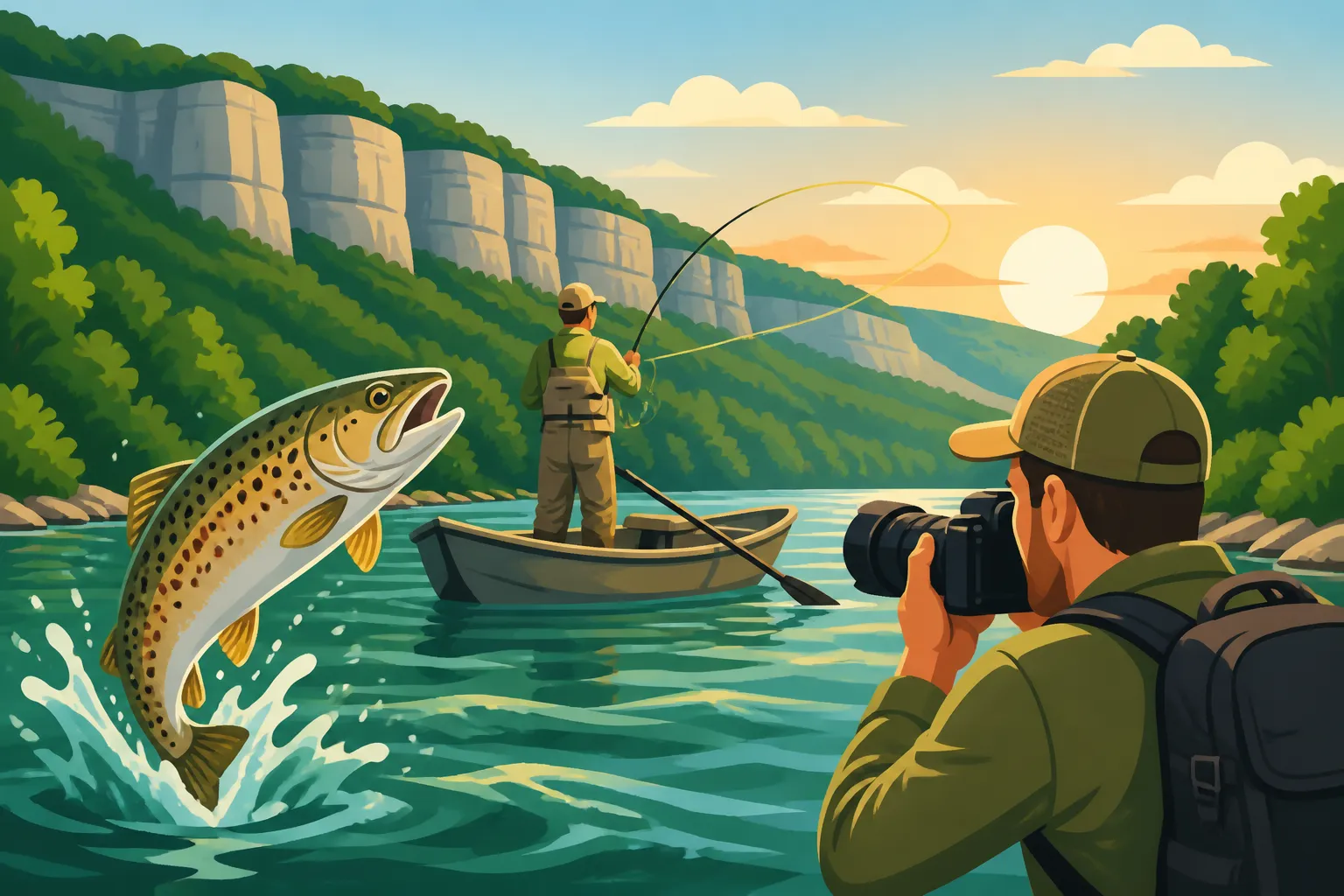
It's incredibly frustrating when you're out on the stunning White River, reeling in trout, but feeling like you can't truly capture the breathtaking beauty around you. You want to focus on that perfect cast, but also snag some incredible photos of the mist on the water, the soaring eagles, or the vibrant fall foliage. Trying to juggle a fishing rod and a camera, all while navigating a river, can feel impossible, leaving you with blurry memories instead of vivid shots. This guide will walk you through how to combine the thrill of fishing with your passion for photography by choosing the best guide trips on the White River, ensuring you come home with both a full stringer and a camera full of memories.
Why a Guided Trip is Your Best Bet for White River Scenery and Photography
Imagine trying to steer a boat, cast a line, and hold a camera steady to capture a bald eagle soaring overhead. It's a recipe for dropped gear, missed fish, and general frustration. This is where a professional fishing guide becomes an absolute game-changer, especially on a river as dynamic and visually rich as the White River. They take the logistical burden off your shoulders, allowing you to immerse yourself fully in both the angling and the artistic experience.
Expertise in Locating Scenic Spots and Wildlife
One of the biggest advantages of hiring a local guide is their intimate knowledge of the White River. They've spent countless hours on these waters, witnessing the river's moods, its hidden gems, and the routines of its wildlife. What might look like a random bend in the river to you is, to them, the perfect spot where the morning light hits the bluffs just right, creating a painterly reflection on the glassy surface.
Your guide knows where the massive sycamore trees create a picturesque canopy, or which quiet eddy often holds a family of river otters playing. They can point out the remote nesting sites of osprey or bald eagles that you'd likely motor right past on your own. This isn't just about pretty pictures; it's about unique moments. Imagine hooking into a feisty rainbow trout right as an eagle swoops overhead – a guide can help you be in the right place at the right time to potentially capture both. They're essentially your personal nature scout and chauffeur, allowing you to simply absorb and shoot.
Hands-Free Angling and Photography
The sheer logistics of trying to fish and photograph simultaneously are daunting. You need two hands for casting and reeling, and two hands for holding a camera. Something's got to give. A guided trip means your guide handles the boat, navigates the currents, and even assists with netting your fish. This frees up your hands for what you truly want to do: take pictures.
Think about it: when you hook into a big brown trout, your guide can bring the boat into position, grab the net, and even offer suggestions on how to hold your catch for that perfect hero shot. Instead of fumbling with your rod, then trying to pull out your phone or camera, you can keep your camera ready, focus on the composition, and let your guide handle the fish until it's picture-ready. This also eliminates the stress of missing a photo opportunity because you're too busy with the actual fishing process. It truly lets you focus on the art of observation and capture, whether it's the ripple of the water, the texture of the riverbank, or the joy of landing a fish.
Safety and Navigation on Dynamic Waters
The White River is stunning, but it's also a powerful, dynamic river, especially below the dams where water levels can fluctuate dramatically due to generation schedules. Navigating these waters safely, especially if you're unfamiliar with them, requires skill and experience. There are hidden shoals, submerged logs, and swift currents that can quickly turn a scenic trip into a stressful one. Arkansas Fishing Rules for Lakes, Rivers and Tailwaters is a great resource to understand these dynamics.
A seasoned guide knows the river's every trick. They understand how the water flows with varying generation levels, where the safe channels are, and how to position the boat for the best fishing and photographic angles. This allows you to relax completely, knowing you're in capable hands. Instead of worrying about hitting a rock or getting stuck, you can concentrate on your cast, observe the wildlife, and capture the natural beauty without a second thought for your safety or the boat's navigation. This peace of mind is invaluable, letting your creative eye roam freely.
What to Look for in a Photography-Friendly White River Guide
Not every guide is created equal when it comes to accommodating a photography-focused trip. While all guides aim to get you on fish, some are far more attuned to the nuances of creating a scenic experience and pausing for those perfect shots. Finding the right fit requires asking specific questions and being clear about your priorities from the outset.
Patience and Understanding of Your Goals
The most crucial trait in a photography-friendly guide is patience and a genuine understanding of your desire to blend fishing with picture-taking. Some guides are laser-focused on fish count and efficiency, wanting to move quickly from spot to spot. A photography-minded guide, however, will be willing to slow down, anchor in a beautiful area for a bit longer, or even detour slightly to capture a particularly striking scene.
When you're discussing your trip, articulate that photography and enjoying the scenery are as important to you as catching fish. Ask them if they are comfortable pausing for a few minutes to let you compose a shot of a kingfisher on a branch, or if they mind waiting an extra moment for the sun to break through the clouds for that ideal golden hour light. You might even find guides who have a personal interest in photography themselves. Platforms like FishingBooker can be incredibly helpful here, as you can often read reviews or inquire directly about a guide's willingness to cater to such specific requests. Don't be shy about asking if they've guided trips where photography was a primary focus.
Boat Type and Accessibility for Photography
The kind of boat your guide uses can significantly impact your photographic opportunities and comfort. On the White River, you'll often encounter both traditional jon boats (often with a motor) and drift boats (designed for silent, controlled drifts downriver). Each has its pros and cons for photography.
| Boat Type | Photography Pros | Photography Cons | Notes for Anglers/Photographers |
|---|---|---|---|
| Jon Boat | More stable for standing/moving, faster travel, often allows for multiple angles. | Can be louder (motor), higher sides might obstruct lower shots. | Good for covering more water, reaching diverse spots quickly. Ask if they can motor quietly or drift. |
| Drift Boat | Silent movement, lower profile for water-level shots, more intimate river experience. | Less stable for standing, slower travel, limited capacity. | Excellent for candid wildlife shots and serene landscapes without disturbing the scene. |
For capturing the water level perspective or getting really close to bankside wildlife, a drift boat's lower profile can be ideal. If you want more stability to stand and get wider shots, or need to cover more ground to hit various scenic points, a jon boat might be better. Discuss these options with your guide beforehand. Make sure there's enough room for you to comfortably move, cast, and operate your camera without feeling cramped or unsafe. Choosing the Right Fishing Charter for Your Arkansas Trip can help you weigh these options.
Flexibility in Itinerary and Timing
Many standard fishing trips start at a specific time and run for a set duration, with the goal of maximizing fishing time. For photography, however, the "best" times often revolve around light conditions – dawn, dusk, and overcast days can offer spectacular opportunities. A photography-centric trip might need a more flexible schedule.
Inquire about the possibility of starting earlier for a sunrise shoot or extending into the evening for golden hour and sunset photos. While this might sometimes mean less prime fishing time, a good guide will understand and adapt. Some guides even offer specific "scenic" or "photography" packages, or are open to customizing a trip duration. Be prepared that special timing might incur additional costs, but the unique shots you capture could be priceless. When booking, whether directly or through a service like FishingBooker, make it clear that flexibility for light and scenic stops is a high priority for you. Remember, a Half-Day vs Full-Day White River Trout Trips: Which to Book in Arkansas decision might even hinge on these timing considerations.
Essential Gear for Combining Fishing and Photography on the White River
You've picked your guide, you've got your fishing gear ready, but what about your camera equipment? Combining these two hobbies on the water requires some thoughtful preparation to protect your valuable gear and ensure you capture those stunning shots.
Camera Equipment Considerations
The White River is an outdoor environment, meaning moisture, splashes, and even accidental drops are a real possibility. When selecting your camera gear, prioritize durability and weather resistance.
- Waterproof is paramount: If you're using a smartphone, ensure it's in a robust, waterproof case. For dedicated cameras, consider models with weather sealing or invest in a waterproof housing. Action cameras like GoPros are fantastic for capturing wide-angle shots and can be mounted in various places, even on your hat or chest, to get unique perspectives while you fish.
- Lens choice: A versatile zoom lens (e.g., 24-70mm equivalent) is often ideal for capturing both wide landscapes and closer shots of wildlife or fish. If you're serious about bird photography, a telephoto lens (e.g., 200mm or more) will be invaluable, but remember the extra weight and care required.
- Accessories: Don't forget essentials like extra batteries (cold weather can drain them faster), plenty of memory cards, and a good lens cloth to wipe away splashes or mist. A floating camera strap for smaller cameras or phones can be a lifesaver if it goes overboard. If you're shooting action, a fast memory card will keep up with rapid bursts.
Protecting Your Gear on the Water
This is non-negotiable. The White River is beautiful, but it's still water, and electronics do not mix well with it.
- Dry bags are your best friend: Invest in a few good quality dry bags of various sizes. Use one large one for your main camera bag, and smaller ones for individual lenses, batteries, or your phone. Roll-top dry bags offer excellent protection.
- Hard cases: For more fragile or expensive DSLR/mirrorless setups, a hard-shell, waterproof case (like those from Pelican) offers superior impact and water protection. While bulkier, they provide peace of mind.
- Secure everything: Use carabiners to clip dry bags or camera cases to the boat. This prevents accidental slips and ensures your gear stays put, even if the boat rocks unexpectedly. When you're actively shooting, keep your camera on a neck strap or wrist strap. A dedicated, padded camera backpack that is also waterproof or water-resistant is also a good option, ensuring all your gear is organized and protected. You might want to check out What to Bring on a Guided Arkansas Fishing Trip for a more general packing list, but definitely add these specific camera protections.
Personal Comfort and Preparedness
While not directly camera gear, your personal comfort plays a huge role in your ability to enjoy the trip and focus on getting great shots. If you're cold, wet, or uncomfortable, your concentration will be on that, not on the stunning vista or the rising trout.
- Dress in layers: The weather on the White River can change quickly, especially with dam generation causing temperature shifts. Layers allow you to adapt. Waterproof outerwear (jacket and pants) is essential to stay dry from splashes or unexpected rain.
- Sun protection: Even on cloudy days, UV rays reflect off the water. A wide-brimmed hat, polarized sunglasses (crucial for spotting fish and reducing glare for photos), and sunscreen are a must.
- Footwear: Waterproof, non-slip boots or shoes are advisable. You might be getting in and out of the boat, and riverbanks can be slippery.
- Hydration and snacks: A well-hydrated and fed photographer/angler is a happy and productive one. Bring plenty of water and some easy-to-eat snacks to keep your energy up throughout the day. Your guide might provide some refreshments, but it’s always good to have your own.
By being well-prepared with the right gear and a clear plan, you'll be able to truly enjoy your White River adventure, creating lasting memories through both the thrill of the catch and the art of photography. You'll be ready for everything from Trophy Brown Trout Records on the White River to that perfect scenic shot.
Comparing Guide Trip Options for Photography Focus
When planning your White River adventure, it’s helpful to understand that not all guide trips are created equal in terms of how much they cater to photography. You have a spectrum of options, from a standard fishing trip where photography is secondary, to a highly customized experience where your lens is just as important as your line.
Standard Fishing Trips with Photo Opportunities
Most White River guides offer a "standard" fishing trip. The primary goal is to put you on fish, focusing on prime fishing spots and techniques. However, even on these trips, there are often opportunities for photography, especially with a patient guide.
On a standard trip, your guide will typically keep an eye out for wildlife or scenic views, and they're usually happy to pause briefly for a quick snapshot of a fish you’ve caught, or a scenic bend in the river. They might even suggest a good background for your trophy shot. The key here is briefly. You shouldn't expect extended stops for composing complex landscape shots or waiting for optimal light. These trips are fantastic if you want to catch a lot of fish and get some casual photos along the way. If you explain your interest in photos when booking, many guides will still try to point out opportunities and be a bit more flexible with short pauses. This is often the most economical way to experience guided fishing and still come away with some great shots, especially for species like Rainbow Trout Fishing Below Bull Shoals Dam.
Dedicated Photography-Focused Fishing Trips
Some guides, though fewer, specifically cater to clients who want to blend serious photography with fishing. These guides understand the importance of light, composition, and patience required for high-quality images. They often have an eye for scenic locations, know where to find specific wildlife, and are happy to adjust the pace of the trip to accommodate your photographic needs.
These trips might involve starting earlier or staying later to capitalize on golden hour lighting, anchoring in a scenic area for an extended period, or even going to specific locations known for their visual appeal rather than just their fish count. Your guide might even help with setting up shots or suggesting angles. Expect these trips to potentially cost more than a standard trip due to the customized itinerary and the guide's specialized knowledge and flexibility. They are perfect for serious photographers who want to capture stunning landscapes, wildlife, and action shots of fishing without feeling rushed. You might find these types of guides more readily on platforms like FishingBooker, where they can highlight their unique offerings.
Custom Itineraries Blending Both Passions
The sweet spot for many lies in a custom-designed trip that truly blends both passions. This is where open communication with your guide before booking is absolutely critical. Explain exactly what you hope to achieve: "I want to catch trout, but I also want to dedicate time to capturing sunrise over the bluffs, and if we see an eagle, I want to stop for photos."
A customized trip allows you to work with your guide to create an itinerary that prioritizes both fishing hot spots and specific photographic opportunities. This might mean dividing the day into segments – perhaps a focused fishing session in the morning, followed by a slower, more scenic drift through a particularly beautiful stretch of river in the afternoon with plenty of photo stops. This offers the best of both worlds, ensuring you get your fishing fix while also coming home with a portfolio of incredible images. Be prepared to discuss your expectations, preferred fishing methods, and photographic interests in detail. Guides who offer this level of customization are often highly experienced and passionate about the river itself, making them excellent companions for a truly memorable journey. This approach is ideal for exploring the Best Fishing Spots in Arkansas not just for the fish, but for their visual appeal.
Maximizing Your Photographic Opportunities on the White River
Once you've booked your photography-friendly guide trip, there are a few more things you can do to ensure you get the most out of your experience on the White River. It's about being prepared, communicative, and ready to seize the moment.
Communication is Key with Your Guide
I cannot stress this enough: talk to your guide. Before you even step foot in the boat, make sure they understand your priorities. Reiterate that while catching fish is fun, capturing the beauty of the White River and its wildlife is equally important to you.
During the trip, don't be afraid to speak up. If you see a beautiful scene, a deer on the bank, or a bird flying overhead, politely ask your guide to slow down or hold position for a moment so you can get your shot. A good guide wants you to have the best possible experience, and if they know your interests, they can better help you achieve your goals. Conversely, be respectful of their expertise regarding fishing spots and safety. Find that balance, and your trip will be far more rewarding. They might even have insights like Best Time of Day to Fish the Bull Shoals Arkansas Tailwater which can coincide with optimal light for photography.
Embracing the Natural Light and Scenery
The White River offers a constantly changing canvas of natural light and breathtaking scenery. Be mindful of the sun's position throughout the day. Early mornings and late afternoons (the "golden hours") provide soft, warm light that is incredibly flattering for both landscapes and portraits of your catch. Overcast days can offer beautifully diffused light, perfect for vibrant colors and reducing harsh shadows.
Look beyond just the big fish. Capture the details: the intricate patterns of the water, the texture of the bluffs, the reflection of trees, the ripples from a rising trout. A guide can help you position the boat so the light is just right for your photographs, whether it’s backlighting a foggy morning scene or placing the sun at your side for clear, even illumination. Sometimes, simply drifting silently and observing is when the best photographic moments present themselves.
Respecting Wildlife and the Environment
When photographing wildlife, always remember that you are a visitor in their home. Maintain a respectful distance and avoid actions that might disturb them. Your guide will be excellent at positioning the boat in a way that allows for good photos without stressing the animals. Use a telephoto lens to get close-up shots rather than physically approaching too closely.
Also, be mindful of the river environment. Pack out everything you pack in, and avoid leaving any trash. The beauty of the White River is part of its allure, and it's our responsibility as anglers and photographers to help preserve it. Practicing catch-and-release for trophy fish, especially larger Brown Trout on the White River, also ensures these magnificent creatures can be enjoyed by others and contribute to the river's health, creating future photographic opportunities.
Planning for the Unexpected
Even with the best guide, things can happen on the river. Be prepared for sudden weather changes – a pop-up shower, a colder breeze, or even intense sun. This goes back to layering your clothing and having robust weather protection for your camera gear.
Also, sometimes the fish just aren't biting, or the wildlife is particularly shy. Embrace these moments. Sometimes, the most beautiful photographs come from unexpected observations or simply from soaking in the serene atmosphere. A flexible mindset and a willingness to adapt will ensure you have a wonderful trip, regardless of the fishing action or wildlife sightings. Remember, it's about the entire experience, and a guide will help you make the most of every moment.
Disclaimer
This article is for general informational purposes only and does not constitute professional advice. Laws, prices and regulations vary by location and change over time. Consult a qualified professional for guidance on your specific situation.