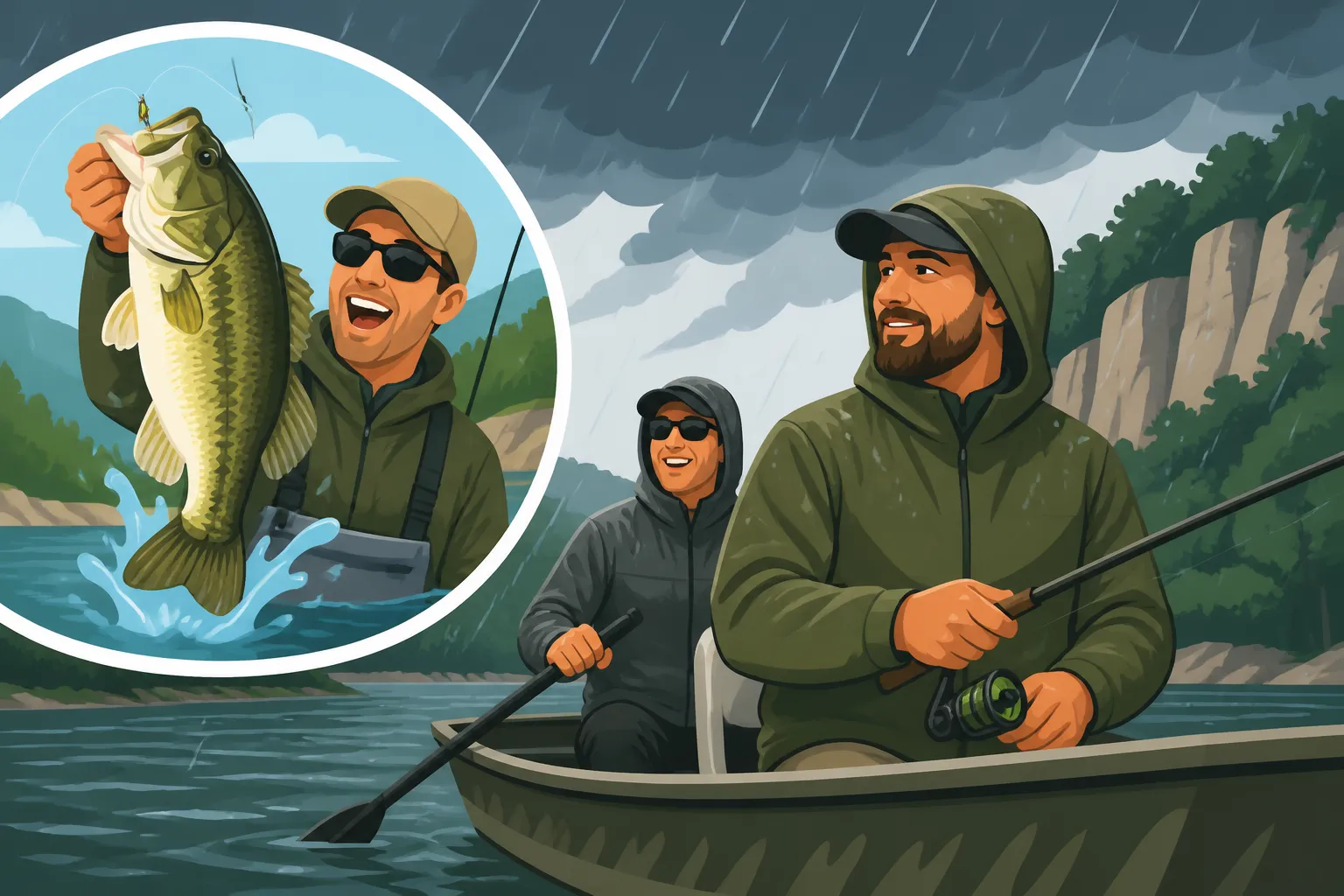
What Happens If It Rains on Your Guided Trip in Arkansas?
You've planned your long-awaited guided fishing trip in beautiful Arkansas, mentally packed your gear, and maybe even picked out the perfect spot on Lake Ouachita: Arkansas's Largest Lake for Bass and Crappie Fishing. Then you check the forecast, and there it is: rain. That sinking feeling can really dampen your spirits, pun intended! It’s a common worry for anyone investing time and money into a guided adventure, wondering if your day on the water is doomed. But don't despair! This guide is here to walk you through exactly what happens when rain decides to join your guided fishing trip in Arkansas, from understanding guide policies to making the most of a wet day.
Understanding Your Guide's Rain Policy
When you book a guided fishing trip, you're not just buying a few hours on a boat; you're investing in an experience, often with a professional who knows the waters intimately. The question of what happens with rain is one of the most crucial you can ask, and it's something every reputable guide or outfitter will have a clear answer for. It's really important to remember that these policies can vary wildly, so never assume.
Why Policies Differ Among Guides
Think about it: an independent guide operating out of Bull Shoals targeting trout on the White River might have a completely different risk assessment than a large charter company on Norfork Lake focusing on striped bass. Their policies are shaped by several factors. First, there's the sheer experience of the guide. Those who've spent decades on the water have seen every kind of weather and know when it’s truly unsafe versus when it’s just a little uncomfortable. Second, the type of boat and equipment plays a huge role. Some guides run open johnboats perfect for river wading, while others might have larger, covered boats that offer more protection from the elements. A guide running a float trip for fly-fishing on the Little Missouri River will have different concerns than one piloting a large center console on a big lake.
Then, there's the target species and location. Trout, for instance, often bite better in rainy, overcast conditions, making a little drizzle less of a deterrent. However, heavy rain can muddy rivers, making sight fishing for trout nearly impossible and potentially unsafe due to rising water levels, which you can learn more about in the Arkansas Fishing Regulations Guide. Large lakes like Greers Ferry Lake might get dangerous with high winds accompanying rain, making navigation difficult and casting a challenge. Each guide, based on their specialty and the specific waters they fish, develops a policy that balances safety, client satisfaction, and their own operational realities.
Key Questions to Ask Before Booking
This is where your proactive planning really pays off. Before you hand over any deposit, or certainly before the day of the trip, make sure you've clarified the rain policy. Don't be shy about it; it's a completely legitimate concern.
Here are some specific questions you should always ask:
- What is your policy regarding inclement weather, specifically rain, lightning, or high winds? This open-ended question allows the guide to explain their standard procedure.
- At what point do you cancel a trip due to weather? This clarifies their safety thresholds. Some might fish through light rain, others might call it off for steady showers.
- If the trip is canceled due to weather, what are my options? This is critical. Are you offered a full refund? A chance to reschedule? A credit for a future trip? It's important to understand the details, especially regarding What Happens to Your Deposit If You Cancel a Fishing Trip in Arkansas.
- What if it rains during our trip, but not enough for you to cancel? This addresses those in-between scenarios. Will they have rain gear on board? Will they adapt fishing spots?
- Do you offer partial refunds if we have to cut a trip short due to weather? Sometimes, a storm rolls in unexpectedly, forcing an early return. Knowing this upfront avoids awkward conversations later.
- What kind of rain gear do you recommend, and do you provide any? While guides often expect you to bring your own, some might have spare ponchos or even high-quality rain suits, especially if you booked through a platform like FishingBooker where guides often go the extra mile.
Getting these answers in writing, even via email, can provide peace of mind. Reputable guides want happy clients, and clear communication about their weather policy is a cornerstone of that. This is part of Choosing the Right Fishing Charter for Your Arkansas Trip.
Preparing for Inclement Weather on Your Trip
Let's face it, fishing in the rain isn't always glamorous, but it can be incredibly productive and, dare I say, even magical. The key is to be prepared. A little rain won't bother you if you're dressed for it, and your mental attitude can make all the difference.
Essential Rain Gear for Arkansas Fishing
The old saying "there's no bad weather, only bad clothing" holds especially true for fishing. When you're out on the water, there's no popping inside for a quick dry-off. Getting wet and cold can quickly turn an exciting trip into a miserable one, making you want to call it quits long before the fish do.
Start with a good base layer if the temperatures are cool. Synthetics or wool are far better than cotton, which absorbs moisture and stays cold. Over that, layer according to the expected temperature. The absolute essential is a high-quality, waterproof rain suit. This isn't just a cheap poncho, but a jacket and pants designed to shed water and keep you dry even in a steady downpour. Look for something breathable so you don't get soaked from the inside by sweat. Brands like Simms, Frogg Toggs, or Columbia often make excellent fishing-specific rain gear.
Don't forget your head: a waterproof hat with a brim will keep rain off your face and help keep your vision clear. For your hands, waterproof gloves can be a game-changer, especially if you're handling wet fish or cold lines. Finally, consider your footwear. Waterproof boots or shoes are essential. Nobody wants soggy socks and cold feet all day. Even if your guide has a covered boat, you'll still be exposed to some degree, especially when casting or landing fish. Having your own gear, as detailed in What to Bring on a Guided Arkansas Fishing Trip, means you're ready for anything nature throws at you.
Mental Preparation and Flexibility
It’s easy to get fixated on a perfect, sunny day, but nature rarely cooperates with our ideal plans. A crucial part of preparing for rain is mental. Go into the trip with an open mind and a flexible attitude. If you've been dreaming of crystal-clear skies, seeing clouds roll in can be a disappointment, but letting that overshadow the entire experience is a choice.
Embrace the challenge! Sometimes, the bite turns on when a front moves through, or fish become more active in low-light, rainy conditions. Trust your guide's expertise. They spend countless hours on these waters and know how fish react to different weather patterns. If they say the fishing will still be good, believe them. They want you to catch fish as much as you do.
Think of it as adding an extra layer of adventure to your trip. You'll have stories to tell about battling fish and the elements. Focus on the experience – the sound of rain on the water, the quiet solitude, the thrill of a bite in challenging conditions. A positive mindset can truly transform a potentially dreary day into a memorable one. Remember that even on a less-than-ideal weather day, you're still out on the beautiful waters of Arkansas, which is an experience in itself.
Common Scenarios and Outcomes When Rain Hits
So, the rain starts. What actually happens on the water? It’s not always an immediate trip cancellation. Many scenarios can play out, depending on the intensity and duration of the rainfall, and the guide’s assessment of safety and fishing potential.
Light Rain and Drizzle: Often a Non-Issue
For many experienced anglers and guides in Arkansas, light rain or a steady drizzle is barely a blip on the radar. In fact, these conditions can often improve fishing! Overcast skies and a gentle rain can lower light penetration into the water, making fish feel more comfortable moving into shallower areas or becoming more active throughout the day. This is particularly true for trout in tailwaters like the White River below Bull Shoals Dam, where they might be less skittish under low light. Bass also often respond well to these conditions, moving out from cover.
Your guide will likely just continue fishing, perhaps adapting tactics slightly. They might suggest darker colored lures or baits that provide more contrast in slightly muddier water, or slower presentations to give fish more time to react. If you’re dressed properly in good rain gear, you’ll likely find yourselves enjoying the peace and quiet of a lake or river with fewer other boats around. It's an advantage that many savvy anglers actually seek out. Be sure you have the proper Arkansas Fishing License Rules and Costs in order, as wardens don't take a rain day!
Heavy Rain or Storms: When Safety Becomes Priority
Now, if the rain turns heavy, or if thunderstorms with lightning and high winds roll in, the situation changes dramatically. This is when safety becomes the absolute priority, overriding any desire to catch fish. No reputable guide will compromise your safety or their own.
- Lightning: This is a non-negotiable hazard. Boats, especially those with tall fishing rods or other metal components, act as lightning rods. At the first sign of lightning or thunder, a guide will typically make a bee-line for the nearest safe harbor, whether that's a covered dock, a launch ramp, or even just pulling into a protected cove under a tree line until the storm passes. They will likely cease fishing activities immediately.
- High Winds: Strong winds, particularly on larger reservoirs like Norfork Lake or Greers Ferry Lake, can quickly whip up dangerous waves. It can make boat control difficult, casting impossible, and even swamp smaller vessels. Guides will assess wind speed and direction, and if it becomes unsafe, they'll either seek shelter or head back to the ramp.
- Flash Flooding/Rising Water: On rivers, heavy rains, especially localized downpours, can lead to rapid rises in water levels and increased current, creating dangerous conditions. This is particularly relevant in the smaller, more wadeable streams. Guides will be acutely aware of water levels and current changes, and may call a trip early if conditions become hazardous. They understand the Arkansas Fishing Regulations Guide inside and out, including how water conditions can impact safety.
In these situations, your guide will make the call. It might mean a temporary pause, an early end to the trip, or a full cancellation. Trust their judgment – they're looking out for everyone's well-being.
Rescheduling and Refund Options
When a trip is canceled due to unsafe weather, this is where those pre-booking questions really come into play. Most guides operate with a "guide's discretion" clause regarding weather. This means if they determine it's unsafe or unfishable, you generally have options.
Typically, you'll be offered a chance to reschedule your trip for another available date. This is often the preferred option for both parties, as it ensures the guide still gets to earn their living and you still get your fishing adventure. Many anglers travel specifically for these trips, so rescheduling might mean another drive down the road, but it's usually better than nothing.
In cases where rescheduling isn't possible (e.g., you're leaving town and won't be back), a full refund is often provided. This is standard practice for weather-related cancellations initiated by the guide. Some guides might offer a partial refund if a trip has to be cut significantly short, but this is less common for full cancellations.
It's rare for a guide to offer no refund or rescheduling option if they cancel for safety. If you've booked through an online platform like FishingBooker, they often have their own traveler protection policies that can help mediate these situations, ensuring fair treatment for both client and guide. Always review these terms when booking. Keep in mind that a cancellation for weather is different from you simply deciding you don't want to fish in the rain; the latter usually means you forfeit your deposit. This is why understanding Arkansas Fishing Charter Costs: What to Expect and associated policies is key.
Making the Most of a Rainy Day Trip
So, let's say the rain isn't dangerous, just persistent. Don't let it ruin your trip! Many fantastic fishing memories are made in less-than-perfect weather. With the right attitude and a willingness to adapt, you can still have a highly successful and enjoyable day.
Adapting Techniques for Rainy Conditions
Rain and overcast skies often change how fish behave, and a good guide will know exactly how to adjust. This is where their expertise really shines.
- Darker Lures and Baits: In cloudy or rainy conditions, the water can appear darker, and fish might rely more on contrast. Your guide might switch to lures in black, blue, or purple, or those with contrasting patterns, as these can be more visible in lower light.
- Slower Presentations: Sometimes, fish become more lethargic in cooler, rainy weather. A slower retrieve or a more subtle presentation can give them more time to react and entice a strike. This could mean dragging a bottom-bouncing bait or a jig more slowly, or letting a soft plastic fall longer.
- Targeting Different Depths and Structures: Rain can affect water temperature and oxygen levels, which might cause fish to move. Bass, for example, might move shallower under overcast skies, while trout might hold closer to the bottom in increased current. Your guide will use their knowledge of the local waterways, like Best Fishing Spots in Arkansas, and fish behavior to pinpoint where the fish are likely to be hiding.
- Utilizing Natural Cover: If the rain is light but steady, your guide might position the boat near overhanging trees or bluffs that offer some natural shelter, allowing for more comfortable casting without getting completely soaked.
- Embrace the Wet! Sometimes, the best technique is simply to grit your teeth, appreciate your waterproof gear, and keep fishing. Many trophy fish are caught when others are at home, dry and warm. The dedication often pays off.
The Unexpected Benefits of Rainy Day Fishing
It might sound counter-intuitive, but fishing in the rain offers some genuine advantages that you just don't get on a bright, sunny day.
- Less Pressure from Other Anglers: This is perhaps the biggest perk! Most recreational anglers avoid the rain, meaning popular spots on lakes like Beaver Lake or the White River can be significantly less crowded. This gives you and your guide more freedom to move around and fish prime locations without competition. Imagine having a normally bustling section of the river almost entirely to yourself – it's a rare treat.
- Active Fish: As mentioned, many species become more active in low-light, rainy conditions. The sound of rain hitting the surface can also break up the water, sometimes masking your presence and making fish less wary. It's often prime time for topwater action or shallow retrieves, as fish feel bolder.
- Unique Atmosphere: There's a certain peacefulness that comes with fishing in the rain. The sounds are muted, the colors of the landscape deepen, and a sense of solitude settles over the water. It’s a different kind of beauty than a sunny day, but equally rewarding. Some of my most memorable trips have been during a soft, persistent rain, feeling completely immersed in nature.
- Better Photography (Yes, Really!): While challenging, rainy days can offer incredible photographic opportunities. The diffused light creates softer shadows and richer colors, and the atmospheric mist can add a dramatic element to your photos, particularly if you manage to land a beautiful fish against that backdrop. Just be sure your camera gear is waterproof!
- An Opportunity to Learn: Fishing in varied conditions makes you a more versatile angler. Your guide will teach you how to adapt, how to read the water differently, and how fish react to changes in weather. These are invaluable lessons that you wouldn't get on a perfectly calm, sunny day. This is a big part of How Fishing Guide Trips Work: A Beginner's Guide.
Don't let a little wet weather intimidate you. With the right preparation, a flexible mindset, and an experienced guide, your rainy day fishing trip in Arkansas can still be an unforgettable adventure. After all, the best fish stories often start with "it was raining cats and dogs…"
| Weather Condition | Guide's Typical Action | Angler's Options / Impact | Fishing Potential (General) |
|---|---|---|---|
| Light Rain/Drizzle | Continues trip, may adjust tactics, provides shelter if available. | Stay prepared with rain gear; embrace the conditions. | Often good to excellent. |
| Steady Rain | Continues trip, adjusts tactics, ensures client comfort. | Good rain gear is essential; focus on enjoying the process. | Good, sometimes better than clear. |
| Heavy Rain (No Thunder/Lightning) | May continue or seek temporary shelter; monitors conditions closely. | Stay dry as possible, re-evaluate comfort, listen to guide. | Fair to good, can be challenging. |
| Thunder/Lightning | Immediately seeks safe shelter or returns to ramp; prioritizes safety. | Follow guide's instructions; no fishing during electrical activity. | Zero (safety first). |
| High Winds (with/without rain) | Seeks sheltered areas or returns to ramp; prioritizes safety. | Stay seated, hold on; casting may be difficult or impossible. | Poor to none (safety first). |
| Flash Flood/Rising Water (Rivers) | Immediately heads for higher ground or safe access point. | Follow guide's instructions; severe safety risk. | Zero (safety first). |
Disclaimer
This article is for general informational purposes only and does not constitute professional advice. Laws, prices and regulations vary by location and change over time. Consult a qualified professional for guidance on your specific situation.