Fly-Fishing Guide Trips on the White River in Arkansas
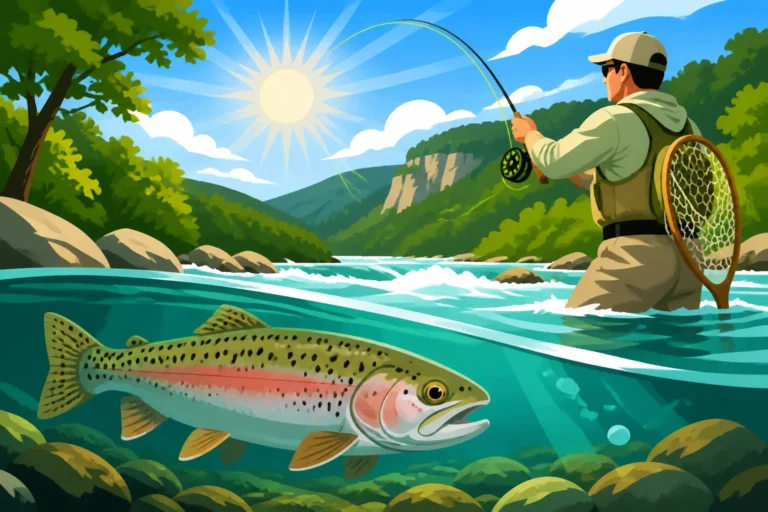
There's nothing quite like the dream of fly-fishing the legendary White River in Arkansas, but if you've never floated its cold, clear waters, the sheer size and complexity of this tailwater can feel incredibly daunting. You might be wondering where to even start, what flies to use, or how to navigate the ever-changing flows. This comprehensive guide is here to demystify the process and help you understand everything involved in booking a fantastic fly-fishing guide trip on the White River, ensuring you make the most of your adventure.
Why Hire a Fly-Fishing Guide for the White River?
Let's be real, the White River isn't your average creek. It's a world-class trout fishery, but that also means it has its own set of challenges that can easily overwhelm an uninitiated angler. Hiring a guide isn't just for beginners; it's a strategic move for anyone looking to truly unlock the river's secrets and maximize their time on the water, regardless of their experience level.
Navigating a Complex Trout Fishery
The White River below Bull Shoals Dam is a powerful, dynamic ecosystem. The water levels can fluctuate dramatically throughout the day, depending on generation schedules from the dam. One moment you might be wading in knee-deep water, and the next, the river could be a roaring torrent that requires a boat. This isn't just about safety; it profoundly impacts where the fish hold, what they're eating, and how you need to present your fly. A seasoned guide knows these patterns intimately. They understand how different water flows affect the feeding lanes, where trout seek refuge from strong currents, and how to adjust their tactics on the fly (pun intended!). Without this local knowledge, you could spend an entire day casting into unproductive water, missing out on the magic the White River offers.
Moreover, the White River is a long stretch of river, with miles of distinct characteristics. Some sections are known for their deep holes, others for sprawling shoals, and still others for dense timber. Each area presents unique challenges and opportunities. A guide acts as your personal navigator, not just on the water itself, but through the vast knowledge base required to successfully fish it. They've spent countless hours studying the river's moods, and they put that expertise to work for you, guiding you to the most promising spots.
Mastering Fly-Fishing Techniques in Arkansas
Fly fishing is an art form, and like any art, it has specific techniques that yield the best results, especially on a river like the White. You might be a competent fly caster on a smaller stream, but the White River often demands different approaches. Whether it's expertly mending line in strong currents to achieve a drag-free drift with tiny nymphs, strategically casting streamers to mimic baitfish, or delicately presenting a dry fly during a sparse hatch, a guide is your best teacher. They can observe your casting stroke, identify areas for improvement, and provide immediate, personalized feedback that you simply can't get from a book or video.
Imagine you're trying to fish a deep nymph rig in swift current. A guide won't just tell you what to do; they'll show you how to do it, from choosing the right amount of weight to understanding stack mends and indicator placement. They'll also explain the "why" behind each technique, deepening your overall understanding of trout behavior and fly presentation. This hands-on instruction is invaluable for accelerating your learning curve and building confidence in your abilities. It transforms a simple fishing trip into a masterclass, equipping you with skills you can take to any river. Many anglers find that booking Arkansas Fly-Fishing Guides for the White River is the quickest way to level up their skills.
Accessing Prime, Less-Pressured Water
One of the biggest advantages of hiring a guide, particularly on a popular river, is their ability to get you to spots that might be inaccessible to the average angler. Most White River fly-fishing guides operate drift boats or McKenzie-style boats, which allow them to cover significant stretches of water, silently approaching fish without spooking them. These boats can navigate shallow riffles and deep runs alike, giving you a vantage point and mobility that bank fishing simply can't match.
Beyond just the boat, guides often have extensive networks and permits that grant them access to private put-ins or lesser-known stretches of the river. This means you're more likely to fish water that hasn't seen dozens of flies cast over it just hours before, increasing your chances of finding willing fish. They know the subtle seams, the submerged structure, and the hidden eddies where trout congregate, often far from the public access points. This access to pristine, productive water is often the difference between a good day and an unforgettable one, making the investment in a guide well worth it for those seeking quality over quantity or simply a more secluded experience.
What to Expect from a White River Fly-Fishing Guide Trip
When you book a fly-fishing guide trip on the White River, you're not just paying for someone to drive a boat. You're investing in an experience, education, and access to expertise that can make or break your day on the water. Knowing what to expect beforehand helps you prepare and get the most out of your outing.
Typical Trip Inclusions and Gear
Most reputable White River fly-fishing guides offer an all-inclusive experience when it comes to the fishing gear itself. This typically means they'll provide high-quality fly rods, reels, and all the necessary flies, tippet, and indicators you'll need for the day. This is fantastic because it saves you the hassle of packing your own gear, or if you're new to the sport, buying expensive equipment you might only use once. Guides usually carry an extensive array of flies, chosen specifically for current conditions and what the local trout are biting on. They're not going to let you fish with the wrong bug!
What isn't always included, and what you'll definitely need to bring, are your personal items. This includes your valid Arkansas fishing license and a trout permit (which is crucial for keeping any trout, even on a guided trip – you can often buy these online or at local sporting goods stores). You'll also need appropriate clothing for the weather, which can change rapidly in the Ozarks. Think layers, rain gear, a hat, polarized sunglasses (essential for spotting fish and eye protection), and comfortable waterproof wading boots if you plan to get out of the boat. Many guides will provide lunch and non-alcoholic beverages on full-day trips, but always confirm this detail when booking. A good practice is to bring any personal snacks or drinks you might want throughout the day.
Learning and Improving Your Skills
The educational aspect of a guided fly-fishing trip is one of its most valuable components. While the goal is certainly to catch fish, a great guide focuses heavily on teaching you how to fish more effectively. This can manifest in many ways:
- Casting Refinement: Your guide will observe your casting and offer tips to improve accuracy, distance, and presentation, especially in windy conditions or tight spaces. They'll show you how to mend line effectively to achieve longer, drag-free drifts, which is critical for fooling finicky White River trout.
- Reading the Water: This is a huge one. A guide will teach you how to identify prime holding water – seams, eddies, current breaks, submerged structure – and explain why trout choose these spots. They'll help you understand how current speed and depth influence where fish feed.
- Entomology and Fly Selection: You'll learn about the various insects (aquatic and terrestrial) that make up the trout's diet on the White River. Guides will explain why they choose certain fly patterns, sizes, and colors based on conditions, time of year, and observed hatches. This knowledge empowers you to make smarter fly choices on future trips.
- Presentation and Drift: They'll emphasize the importance of a natural drift, showing you how to present your fly to maximize your chances of a take. This includes understanding leader setup, weight placement for nymphing, and how to retrieve streamers effectively.
It's truly like having a private instructor on the water. Many anglers who feel stuck in a rut or are new to fly fishing find this hands-on coaching to be a game-changer. It's often said that a single guided trip can teach you more than a dozen unguided trips because you're learning from an expert who knows the nuances of that specific fishery. For those looking to master the river, booking with White River Fishing Guides: Arkansas's Trout Fishing Capital is a smart move.
Different Trip Formats: Half-Day vs. Full-Day
When considering a fly-fishing guide trip on the White River, you'll generally encounter two main options: half-day trips and full-day trips. Each has its merits, depending on your budget, stamina, and learning goals.
- Half-Day Trips: These are typically 4-5 hours on the water. They're a great option for beginners who might get fatigued easily, or for experienced anglers on a tight schedule. A half-day trip allows you to get a taste of the White River, learn some fundamental techniques, and often catch some fish without committing an entire day. They can also be a more budget-friendly introduction. The downside is less time to explore different sections of the river or truly dial in complex techniques. If you're only looking for a quick introduction, check out Half-Day White River Trout Trips in Arkansas.
- Full-Day Trips: These generally run 7-8 hours and offer a much more comprehensive experience. With a full day, you'll have ample time to cover more water, try different techniques (nymphing, dry flies, streamers), and really get into a rhythm with your guide. This extended time allows for deeper instruction, more opportunities to adapt to changing river conditions, and often leads to more fish caught. If you're serious about learning, want to explore more of the river, or are targeting larger, more elusive fish like brown trout, a full-day trip is often the preferred choice. It's also ideal for those who want to pack as much fishing as possible into their visit. For a deeper dive into which length is right for you, consider reading Full-Day vs Half-Day White River Trout Trips: Which to Book in Arkansas.
Your choice between a half-day and full-day trip really depends on what you hope to achieve. If you're just looking for an introduction or a quick fix, half a day can be perfect. But if you want a truly immersive and educational experience that offers the best chance at a diverse catch and deeper skill development, a full-day trip is almost always worth the extra investment.
Finding and Booking Your Arkansas Fly-Fishing Guide
Once you've decided that a guide trip is for you, the next step is finding the right person to lead your adventure. This process can feel a bit like sifting through a tackle box full of options, but with a clear strategy, you can find the perfect fit.
Researching Reputable White River Guides
The White River is a popular destination, so there are many excellent guides and guide services available. The best way to start your search is by looking for guides who specialize in fly fishing, as some guides might cater more to spin fishermen. Word-of-mouth is often a great indicator, so if you know anyone who has fished the White River with a guide, ask for their recommendations.
Online resources are also invaluable. Websites like FishingBooker specialize in connecting anglers with reputable guides and charters. You can often filter by location (like the White River in Arkansas), target species (trout), and even fishing style (fly fishing). These platforms typically feature guide profiles with photos, descriptions of their services, customer reviews, and availability. Reading reviews is crucial – look for consistent praise regarding the guide's patience, instructional ability, river knowledge, and how well they cater to different skill levels. Local fly shops in towns like Cotter, Mountain Home, or Norfork are also fantastic resources. They often have bulletin boards with guide contact information or can personally recommend guides they know and trust. Don't hesitate to give them a call and explain what you're looking for; they're usually happy to help you connect with a great guide.
Key Questions to Ask Before Booking
Once you've narrowed down your choices, it’s time to pick up the phone or send an email. Asking the right questions ensures there are no surprises and that the guide's services align with your expectations. Here are some key inquiries:
- "Do you specialize in fly fishing, and do you primarily guide fly anglers?" This confirms their expertise aligns with your desired experience.
- "What's included in the trip price, specifically regarding gear, flies, and meals?" Double-check everything, especially lunch and drinks, so you know exactly what you need to bring.
- "What's your typical boat setup, and how many anglers can you comfortably take?" Most White River fly fishing guides use drift boats or rafts, ideal for 1-2 anglers. If you have a larger group, you might need to book multiple guides.
- "What's your cancellation policy?" Weather can be unpredictable, and dam generation schedules can change. Understand what happens if you need to reschedule or cancel.
- "Do you provide instruction for beginners or focus more on experienced anglers?" Be honest about your skill level so they can tailor the trip accordingly.
- "Do you practice catch-and-release, or is keeping fish an option?" Many fly anglers prefer catch-and-release, especially for larger trout, but clarify if you'd like to keep a few for dinner. Remember, you'll need that trout permit.
- "What kind of fishing license and permit do I need?" Confirm the exact requirements, including the Arkansas Trout Permit Rules, and ask if they can help direct you to where to purchase them.
Having these conversations upfront helps build a rapport with your guide and ensures a smooth, enjoyable trip. For more guidance on choosing a guide, refer to Questions to Ask Before Hiring an Arkansas Fishing Guide.
Understanding Costs and Tipping Etiquette
Guide trip costs on the White River can vary based on the guide's experience, the length of the trip (half-day vs. full-day), and what's included. Generally, you can expect to pay a certain amount per day for one or two anglers. Adding a third angler usually incurs an additional fee, as it often requires a larger boat or more complex logistics. While specific prices aren't static, expect a full-day trip to be a significant investment, reflecting the guide's expertise, equipment, and the long hours they spend on the water and preparing for your trip. Always confirm the exact price when booking, as well as any deposit requirements.
Tipping your guide is standard practice and highly appreciated in the guiding industry. Guides work incredibly hard to ensure you have a successful and enjoyable day, from scouting the river and preparing gear to putting you on fish and providing instruction. A common guideline for tipping is 15-20% of the trip cost, especially if you had a great time and felt your guide went above and beyond. This is typically given directly to the guide at the end of the trip. Consider it a bonus for their hard work, patience, and knowledge. Even if the fishing was slow (which can happen on any river, even the White!), if your guide worked hard, remained positive, and taught you a lot, a good tip is still deserved. For more details on this important topic, check out Tipping Your Fishing Guide in Arkansas.
| Trip Type | Typical Duration | Ideal For | Key Considerations |
|---|---|---|---|
| Half-Day | 4-5 hours | Beginners, those with limited time or budget | Less water covered, fewer techniques explored, can feel rushed. |
| Full-Day | 7-8 hours | Experienced anglers, serious learners, trophy hunters | More comprehensive experience, deeper instruction, covers more varied water, higher cost. |
Maximizing Your Fly-Fishing Experience on the White River
You've done the research, booked the guide, and now the excitement is building! To ensure your fly-fishing trip on the White River is everything you've dreamed of and more, a little preparation and mindful approach go a long way.
Preparing for Your Trip
Pre-trip preparation isn't just about packing; it's about getting mentally ready for the conditions and challenges of the White River. First and foremost, secure your Arkansas Fishing License Rules and Costs well in advance. Don't wait until the morning of your trip, as delays can cut into valuable fishing time. Remember, the trout permit is a separate endorsement needed for trout fishing!
Next, check the weather forecast for the area around Bull Shoals or Cotter. The Ozarks can experience four seasons in a single day, so dressing in layers is absolutely crucial. Bring waterproof outerwear, even if rain isn't in the forecast, as sudden showers can pop up, or you might get splashed in the boat. Comfortable, quick-drying clothing is best. Don't forget sunscreen, insect repellent (especially in warmer months), a hat for sun protection, and polarized sunglasses which are non-negotiable for spotting fish and protecting your eyes from errant hooks. Hydration is also key; even if your guide provides drinks, it's wise to bring extra water. Finally, think about any personal medications or snacks you might need. A little foresight ensures you're comfortable and focused on the fishing, not distractions.
Best Seasons and Conditions for Fly Fishing
The White River offers incredible fly-fishing opportunities year-round, but each season presents unique characteristics and target species. Understanding these patterns can help you decide when to book your trip and what to expect.
- Spring (March-May): Often considered prime time, spring brings warmer weather and prolific insect hatches, especially Caddis and Sulphurs. This is an exciting time for dry fly fishing if conditions are right, though nymphing remains highly productive. Water levels can be highly variable due to dam generation.
- Summer (June-August): While it can be hot, the White River's cold tailwater temperatures keep trout active. Early mornings and late evenings are often best. Terrestrial patterns like hoppers, ants, and beetles become effective, alongside deep nymphing rigs. Best Time of Year to Fish in Arkansas will tell you that the summer heat can sometimes mean less comfortable fishing for anglers, but the fish are still there.
- Fall (September-November): Many anglers consider fall the absolute best, especially for targeting trophy brown trout. The cooler temperatures, brilliant foliage, and aggressive feeding behavior of trout preparing for winter make it magical. Streamer fishing can be exceptional during this period, alongside continued nymphing and occasional dry fly opportunities. For those specifically chasing big browns, this is often the season to book.
- Winter (December-February): Don't dismiss winter! While colder, the White River offers peaceful solitude and excellent nymphing. Trout tend to congregate in deeper, slower water, and patient anglers can be rewarded with some large fish. The White River Fly Fishing Season Guide for Arkansas Anglers can help you determine the optimal time for your specific goals.
Your guide will be an expert on the current conditions, so trust their judgment on fly selection and fishing locations, regardless of the season. They'll know precisely what the trout are keying in on.
Respecting the Resource: Catch and Release
Fly fishing, especially for trout, is deeply rooted in the ethic of conservation and respect for the resource. While you do have the option to keep a legal limit of trout (with a valid trout permit), many fly anglers on the White River practice catch-and-release, especially for the larger, older fish. This helps maintain the health and vitality of the fishery, ensuring future generations can enjoy the same incredible angling experiences.
Your guide will demonstrate proper catch-and-release techniques to minimize stress and harm to the fish. This includes:
- Minimizing Handling: Keep the fish in the water as much as possible. If you must handle it, do so with wet hands and support its weight gently.
- Quick Release: Remove the hook quickly and gently. Barbless hooks are highly recommended, and many guides insist on them.
- Revival: If a fish seems sluggish, hold it gently in the current, facing upstream, until it regains its strength and swims away on its own. Never throw a fish back into the water.
By adhering to these practices, you're not just protecting individual fish; you're contributing to the overall health of the White River ecosystem. It's a fundamental part of responsible angling and leaves a positive legacy for this truly special fishery.
Disclaimer
This article is for general informational purposes only and does not constitute professional advice. Laws, prices and regulations vary by location and change over time. Consult a qualified professional for guidance on your specific situation.