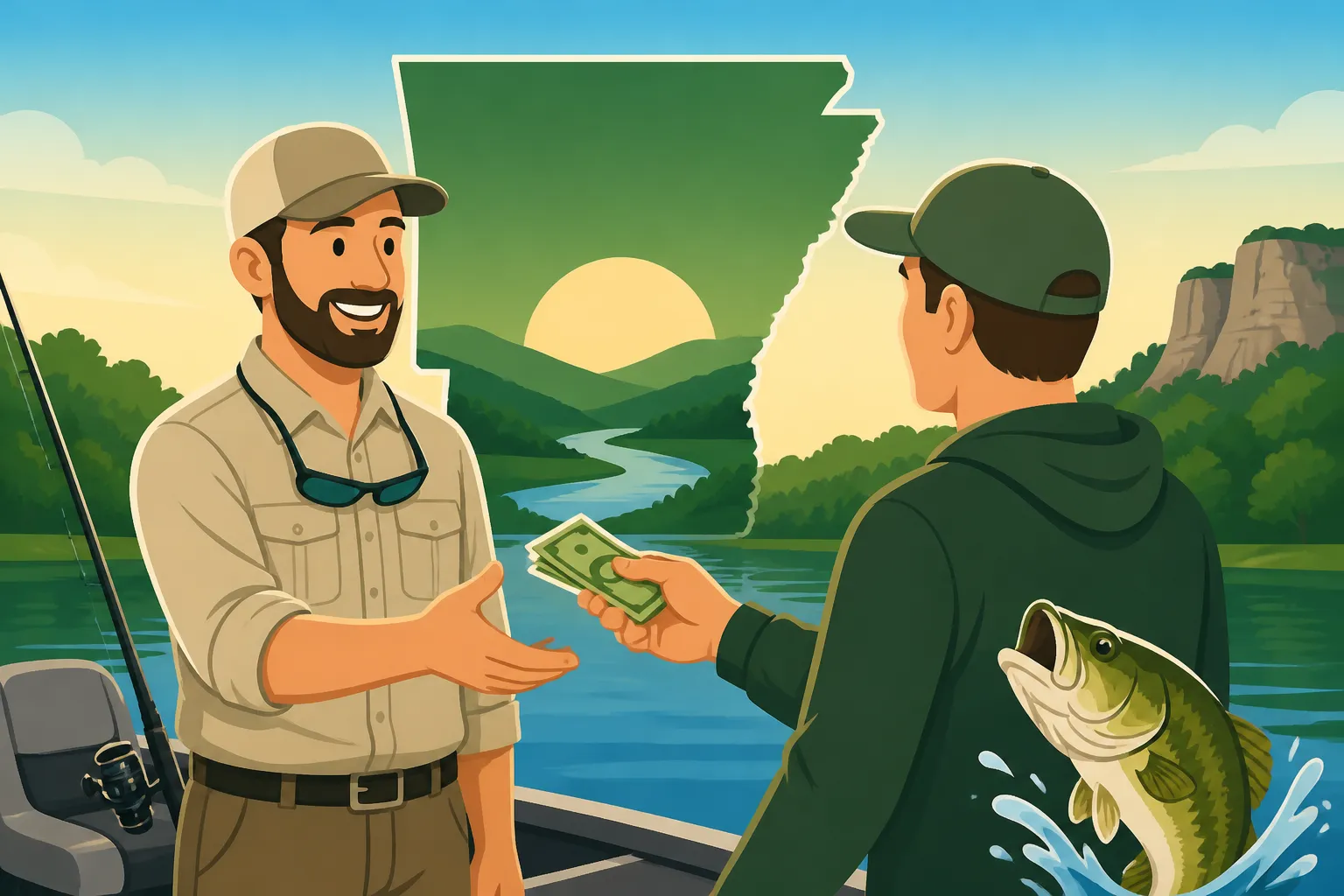
How Much to Tip a Fishing Guide in Arkansas
You’ve just spent a glorious day on the water in Arkansas, whether it was battling feisty smallmouth bass in an Ozark stream or chasing a monster striped bass on Norfork Lake. Your fishing guide worked hard, navigated challenging waters, and put you on the fish. As the boat docks and gear gets put away, that subtle question often pops into mind: how much do you tip? It’s a common moment of uncertainty for many anglers, leaving them wondering if they’re doing enough or too much. This guide is here to demystify the art of tipping your fishing guide in Arkansas, ensuring you feel confident and appreciative every time.
Understanding the Guide's Perspective
It’s easy to think of a fishing guide’s fee as covering everything, but in reality, much like other service industries, tips are a significant and expected part of their income. Guides invest heavily in their equipment, maintaining their boats, rods, reels, and tackle, not to mention the countless hours spent scouting new spots, monitoring water conditions, and honing their craft. A guide’s day often starts long before you arrive at the dock and ends long after you leave, with boat cleaning, tackle prep, and administrative tasks.
Beyond Just Catching Fish
A great guide offers so much more than just a ride to a fishing spot. They share their intimate knowledge of Arkansas's waters, teaching you techniques, identifying fish behavior, and ensuring your safety. Think about a guide on the White River, expertly navigating currents and placing you in the perfect drift for a brown trout, even on a tough day. Or a guide on Lake Ouachita patiently teaching a child how to cast and reel in their first crappie. That level of dedicated service and expertise is what makes a guided trip truly special, and it's what your tip acknowledges. When you book through platforms like FishingBooker, you can often read reviews that highlight these aspects of a guide's service, giving you a sense of their dedication even before you step on the boat.
Acknowledging Hard Work
Even on days when the fish aren't biting as well as hoped, a good guide is still putting in maximum effort. They're constantly adapting, trying new spots, different baits, and various techniques to give you the best possible chance. Your tip isn't solely a reflection of the number of fish caught, but a broader appreciation for their professionalism, effort, patience, and commitment to making your trip enjoyable and memorable. It’s a way to say, "I see your hard work, and I value it."
Standard Tipping Percentages for Fishing Guides
So, let's get down to the numbers. While there's no official rulebook, a general consensus exists within the guiding community for what constitutes a fair tip.
The 15-20% Sweet Spot
For most guided fishing trips in Arkansas, a tip of 15% to 20% of the total trip cost is considered the industry standard. This range is widely accepted and shows appreciation for a guide who performed their duties well and provided a positive experience.
- 15%: This is a solid tip for a good day on the water where the guide was professional, helpful, and everything went smoothly. Perhaps the fishing was decent, but not spectacular, or the guide did their job competently without going above and beyond.
- 20%: This percentage is typically reserved for an excellent experience. Your guide went the extra mile, put you on some great fish, provided exceptional service, was highly knowledgeable, and made the day truly unforgettable. This is also a good benchmark if the guide provides additional services like cleaning your catch, rigging specialized tackle, or going out of their way to accommodate a specific request.
Let's imagine you've booked a full-day trip on the White River. If the trip cost a certain amount, applying these percentages will give you a clear idea of what a standard tip looks like. For example, if you checked on White River 8-Hour Guided Trout Trip Cost in Arkansas and found the typical price, you can easily calculate your tip.
When to Consider Adjusting
While 15-20% is the guideline, it's not a rigid law. Several factors can, and should, influence whether you lean towards the higher or lower end of this spectrum, or even go outside of it. Remember, this is about personal discretion and acknowledging the quality of the service you received.
| Service Quality / Fishing Experience | Recommended Tip Range | Notes |
|---|---|---|
| Exceptional (above and beyond) | 20%+ | Guide provided outstanding service, excellent fishing, went the extra mile, or made the trip truly memorable. This is for an A+ experience. |
| Good (met expectations) | 15-20% | Guide was professional, worked hard, and you had an enjoyable day. Fishing might have been average, but effort was high. |
| Fair (satisfactory) | 10-15% | Guide was competent but perhaps lacked enthusiasm, or the fishing was very slow despite effort. You still had a decent time, but nothing special. |
| Poor (issues encountered) | 0-10% | Guide was unprofessional, unsafe, unresponsive, or clearly didn't put in the effort. This is rare and usually only for significant problems. |
It’s always important to consider the context of your trip. Did you research your guide and book a reputable service? Articles like How to Choose a Fishing Guide in Arkansas or Questions to Ask Before Hiring an Arkansas Fishing Guide can help you set expectations for a quality experience from the start.
Factors That Influence Your Tip Amount
Tipping isn't just a blind calculation. There are many nuances that can sway your decision. Think of your trip holistically, not just by the weight of your cooler.
Guide's Effort and Professionalism
This is paramount. Did your guide show enthusiasm from start to finish, regardless of the bite? Were they constantly adjusting baits, moving spots, or offering advice? A guide who remains positive, motivated, and engaged throughout the day, even when the fish are being finicky, deserves a good tip. It takes a lot of skill to make a challenging fishing day enjoyable. Did they proactively offer assistance, explain techniques, and share their knowledge about the fish and the local environment? Local Knowledge That Sets Arkansas Fishing Guides Apart often describes this unique value.
Conversely, if a guide seemed disengaged, spent more time on their phone, or didn't make an honest effort to find fish, that might influence your tip downwards. This is not about the fish count, but the effort.
Quality of the Fishing Experience (Beyond Catch Count)
While everyone wants to catch fish, sometimes the conditions are simply against you. A good tip still recognizes a guide who provided an excellent experience, even if the catching was slow.
- Scenic Views: Did they take you to breathtaking spots, like the majestic bluffs along the White River, making the day enjoyable even without a huge catch?
- Educational Aspect: Did you learn a lot about the local ecosystem, specific species like those found at Fish Species Common at Bull Shoals Lake, or advanced techniques?
- Comfort and Safety: Was the boat clean, well-maintained, and safe? Did the guide prioritize your comfort, offering drinks or snacks, or simply making sure you were comfortable on the boat? This can be especially important on longer trips, such as the Half-Day White River Trout Trips in Arkansas or a full eight-hour adventure.
Equipment and Boat Condition
A professional guide typically provides high-quality gear. Were the rods and reels in good working order? Was the tackle appropriate for the species and conditions? Was the boat clean, well-stocked, and mechanically sound? A guide who invests in their equipment and maintains it meticulously demonstrates professionalism and respect for their clients. If you're on a multi-person trip, such as those covered by Two-Person vs Three-Person Trip Pricing in Arkansas, the guide might have even more gear to manage, adding to their workload. It's often helpful to confirm ahead of time, through conversations or checking guide listings on sites like FishingBooker, whether specific gear is provided or if you need to bring your own, as discussed in Do Arkansas Fishing Guides Provide Rods and Tackle?.
Special Circumstances or Extra Effort
Sometimes, a guide goes above and beyond in ways that warrant an extra generous tip.
- Exceptional Fish: Did you land a personal best or a true trophy fish, perhaps a massive brown trout on the White River or a giant striper on Norfork Lake, thanks to the guide's expertise?
- Kids and Beginners: Guides who show incredible patience and enthusiasm with children or first-time anglers, making their day truly special and instilling a love for fishing, are often deserving of a higher tip. Kid-Friendly Fishing Charters in Arkansas often highlight guides with this special knack.
- Unexpected Challenges: Did the guide handle a sudden change in weather, a minor equipment issue, or even a less-than-ideal group dynamic with grace and skill?
- Additional Services: Did they stay out a bit longer than planned, help you clean and package your fish, or provide excellent photography? Many full-day trips, like the ones highlighted in Full-Day White River Trout Trip Cost for Two Anglers in Arkansas, will inherently involve more of these courtesies.
The Logistics of Tipping Your Guide
Once you've decided on an amount, how do you actually deliver the tip gracefully?
Cash is King
When it comes to tipping, cash is almost always preferred. It's immediate, avoids processing fees, and allows the guide direct access to their earnings without delay. It also often allows them to distribute tips among any deckhands or assistants discreetly. It’s a good practice to have your cash ready in an envelope or discreetly in your pocket before the end of the trip.
When to Tip
The best time to offer the tip is at the end of the trip, usually when you're back at the dock and all your gear is loaded. A simple "Thank you so much, we had a fantastic time, here's a little extra for your hard work" is perfectly appropriate. Avoid making a big show of it; a quiet, sincere hand-off is usually best.
What if You Forgot Cash?
Life happens! If you genuinely forgot to bring cash, there are a few alternatives, but always ask the guide first.
- Electronic Payment: Some guides might accept payment via popular apps. However, be aware that these often involve fees for the recipient, so it’s less ideal than cash.
- Add to the Card (if applicable): If you paid for the trip with a credit card directly with the guide, ask if they can add a tip to the total. Not all guides can do this, especially if they operate independently or through a booking platform like FishingBooker where the initial payment goes through a third party.
- Mail It: As a last resort, if you have no other option, you could ask for their mailing address and send a check or money order. This is the least convenient for the guide, so it should only be used if absolutely necessary, and you should communicate your intent clearly before leaving.
Should You Tip Even if the Fishing Was Bad?
This is a common dilemma. Here's where distinguishing between "bad fishing" and "bad guiding" is crucial.
- Bad Fishing, Good Guide: If the fish simply weren't biting, but your guide worked tirelessly, tried every trick in the book, remained positive, and provided excellent service, a tip is still warranted. Their effort and professionalism deserve recognition. You're tipping for their time, expertise, and dedication, not just the catch. A 15% tip might be appropriate here, or even 10% if it was truly a tough day but the guide still tried their best.
- Bad Guiding: If the guide was genuinely unprofessional, unsafe, or clearly didn't care about your experience, then adjusting your tip downward, or even withholding it, is acceptable. This is a rare occurrence with reputable guides, and it's important to differentiate this from simply slow fishing. If you had issues, considering sending feedback through the booking platform, such as FishingBooker, is also an option.
Remember, a guide's income relies heavily on tips, and a significant portion of their professional satisfaction comes from knowing their clients appreciate their efforts.
Beyond the Tip: Other Ways to Show Appreciation
While a monetary tip is the primary way to show thanks, there are other valuable actions you can take to support your guide and their business.
Write a Glowing Review
Online reviews are incredibly powerful for fishing guides. A detailed, positive review on their website, social media, or a booking platform like FishingBooker can drive more business their way than almost anything else. Mention specific details that made your trip great: their patience, their knowledge of Arkansas's Best Rivers for Trout, Bass, and Catfish, the quality of their gear, or how they handled a specific situation.
Recommend Them to Friends and Family
Word-of-mouth referrals are golden. If you had a fantastic experience, don't hesitate to tell your friends, family, and fellow anglers about your guide. This is a direct way to help them grow their business. You might even want to book another trip with them, perhaps exploring another fantastic destination like Norfork Lake: One of Arkansas's Best Striped Bass Fisheries with the same guide.
Share Your Photos (with Permission)
Guides love to see their clients happy and often use photos for their promotional materials. If you got some great shots, offer to share them with your guide. Just be sure to ask if it's okay for them to use them publicly.
Consider a Small Gift (Optional)
Occasionally, a small, thoughtful gift can complement a monetary tip, especially if you've developed a rapport with your guide over multiple trips. This could be anything from a nice hat or a quality fishing accessory to something personal if you know their interests. This is never expected, but always appreciated.
Tipping your fishing guide in Arkansas doesn't have to be a source of anxiety. By understanding the standard percentages, considering the various factors that contribute to a great experience, and knowing the best practices for delivery, you can confidently show your appreciation for the hard work that goes into every guided fishing adventure in the Natural State. Enjoy your time on the water, and may your lines always be tight!
Disclaimer
This article is for general informational purposes only and does not constitute professional advice. Laws, prices and regulations vary by location and change over time. Consult a qualified professional for guidance on your specific situation.