Is Tipping Expected on a Guided Fishing Trip?
It's completely normal to feel a little awkward or unsure about tipping a fishing guide. You've just had an amazing day out on the water, maybe even caught your personal best, and now you're wondering how to properly show your appreciation without offending anyone or underspending. This guide is here to demystify the unwritten rules of gratuity for your Arkansas fishing adventures, helping you understand the expectations and how to tip gracefully.
Understanding the Fishing Guide's Role and Why Tipping Matters
When you book a fishing guide in Arkansas, you're not just paying for a ride in a boat or access to someone's secret fishing hole. You're investing in an experience that's shaped by a professional's expertise, hard work, and dedication. Many folks don't realize the sheer amount of effort that goes on behind the scenes, long before you even step foot on their boat. It’s much more involved than simply taking you to water.
More Than Just a Driver: The Guide's Dedication
Think about it: your guide has spent countless hours on the water, learning the intricate patterns of the fish, understanding the nuances of local waterways like the White River or Lake Ouachita, and perfecting techniques for different species. They know when the Best Time of Year to Fish in Arkansas is for various species, or the Best Time to Catch Crappie in Arkansas. They invest in top-tier equipment – rods, reels, tackle, and boat maintenance – to ensure your trip is successful and safe.
Beyond their expertise in fishing, a good guide is also a boat captain, a mechanic, a first aid responder, a teacher, and often, a really entertaining storyteller. They’re up before dawn, preparing the boat, checking conditions, and scouting spots. They teach you new techniques, patiently help you untangle lines, and celebrate every catch, big or small. Their goal is always to make your day memorable, regardless of whether the fish are biting like crazy or playing hard to get.
The Hidden Costs of Running a Guide Service
Running a professional fishing guide service is a business with significant overhead. It's not just the boat and gas; there are licenses, insurance, ongoing maintenance for expensive electronics and engines, tackle replacement (hooks, weights, lures disappear quickly!), and the continuous upkeep of their fishing knowledge. They're constantly investing in new gear and staying up-to-date on Arkansas Fishing Regulations Guide to ensure everything is above board.
Many guides rely heavily on tips to supplement their income, as the listed trip price often barely covers their operational costs and time investment. When you factor in the early mornings, late nights, and the physical demands of the job, a tip is a direct way to acknowledge their dedication and the value they bring to your experience. It's their way of earning a living wage for a job they pour their heart into.
The General Consensus on Tipping Fishing Guides in Arkansas
So, what's the magic number? This is where many anglers, especially those new to guided trips, feel a bit lost. There isn't a strict rule etched in stone, but a widely accepted etiquette has developed over the years, one that most guides and seasoned anglers in Arkansas understand and respect.
Standard Tipping Percentages
Generally speaking, a tip of 15% to 20% of the total trip cost is considered standard for a guided fishing trip in Arkansas. This percentage is a good baseline to start with, assuming you received good service. For example, if you booked a White River 8-Hour Guided Trout Trip Cost in Arkansas for two people, you'd calculate your tip based on that figure.
Think of it like dining at a restaurant: you tip for good service, and a fishing guide provides a service that's often far more personalized and demanding than waiting tables. It's a token of appreciation for their hard work, knowledge, and effort to ensure you have a fantastic day. Some anglers might even refer to this range when reviewing guides on platforms like FishingBooker, giving future clients an idea of what to expect from the service.
When to Consider More (or Less)
While 15-20% is a great starting point, there are always situations where you might want to adjust that figure. If your guide went above and beyond – maybe they stayed out a little later, provided exceptional coaching, cooked a fantastic shore lunch, or somehow pulled fish out of seemingly thin air on a tough day – then consider bumping that tip up to 25% or even more. They genuinely earned it.
Conversely, if the service was less than stellar – perhaps the guide was disengaged, the boat was in poor condition, or they seemed unprepared – you might consider tipping a bit less. However, it's important to differentiate between a bad fishing day (when the fish simply aren't biting, which isn't the guide's fault) and truly poor service. A good guide will still work hard and try every trick in the book, even when the fish are uncooperative. A slow day doesn't necessarily mean a bad guide, and their effort should still be recognized.
Factors Influencing Your Tip Amount
Deciding on the exact tip amount often comes down to several factors beyond just the standard percentage. It’s a holistic assessment of your experience, weighing the guide’s performance against the conditions and amenities provided.
Guide's Professionalism and Effort
This is paramount. Did your guide arrive on time, prepared and enthusiastic? Were they courteous, patient, and good-natured throughout the trip? Did they make a genuine effort to put you on fish, constantly moving, changing tactics, and offering advice? A guide who is professional, passionate, and works hard, even if the fish aren't cooperating, deserves a generous tip. They should always prioritize your safety and enjoyment, providing clear instructions and maintaining a positive attitude.
For instance, if your guide on the White River constantly pointed out scenic spots, taught you new fly-fishing techniques, and went the extra mile to untangle your snags without a sigh, that level of dedication warrants a higher tip. They are not just guiding; they are educating and entertaining.
Your Catch Success (or Lack Thereof)
This is perhaps the trickiest factor. It's natural to feel more inclined to tip heavily after a banner day of catching Trophy Brown Trout Records on the White River or limits of crappie. However, it’s crucial to remember that fishing success is never 100% guaranteed. Even the best guides can’t control the weather, water levels, or the fish’s mood.
If your guide worked tirelessly, used their expertise to try different spots, adjusted techniques, and remained positive despite slow action, their effort should still be rewarded. A true professional's value lies in their ability to adapt and make the most of challenging conditions, not just in the number of fish caught. Don't penalize a guide for Mother Nature's whims if they put in maximum effort.
Boat and Equipment Condition
The condition of the boat and equipment also plays a role. Was the boat clean, well-maintained, and safe? Were the rods, reels, and tackle in good working order? Did they have enough life vests and safety gear? A guide who invests in quality, well-kept gear demonstrates respect for their clients and their profession. A clean, comfortable boat and reliable equipment contribute significantly to a pleasant day on the water.
If you hopped onto a pristine boat with top-of-the-line gear, that speaks volumes about the guide's commitment to their business and your experience. It also shows they care about your safety, which is always worth an extra thank you.
Additional Services and Amenities
Sometimes, a guide offers more than just the core fishing experience. This could include providing snacks and drinks, preparing a delicious shore lunch (common on many trout trips on the White River), or even taking extra time to clean and fillet your catch at the end of the day. These thoughtful additions enhance the overall experience and should be reflected in your tip.
Consider if your guide went above and beyond with these "extras." Did they have a cooler full of cold drinks on a hot summer day? Did they expertly fillet your Norfork Lake's Reputation for Trophy Striped Bass Fishing so you could take them home ready for the pan? These little touches elevate a good trip to a great one. When researching guides on platforms like FishingBooker, you can often see what amenities they typically provide, helping you anticipate these potential tipping considerations.
Here’s a quick overview to help guide your decision:
| Service Level | Effort & Professionalism | Catch Success (Independent Factor) | Tip Range (of Trip Cost) |
|---|---|---|---|
| Exceptional (Went Above & Beyond) | Outstanding, highly skilled, personable, extra effort, knowledgeable. | Bonus, but not the primary driver. | 20% – 25%+ |
| Excellent (Met & Exceeded Expectations) | Professional, helpful, friendly, great effort, good communicator. | Always a plus, but effort is key. | 18% – 20% |
| Good (Met Expectations) | Competent, safe, provided a pleasant experience. | Moderate success with reasonable effort. | 15% – 18% |
| Average (Barely Met Expectations) | Basic service, perhaps less engaged, minimal extra effort. | Slow day, but guide made some effort. | 10% – 15% |
| Below Expectations (Poor Service) | Unprofessional, unprepared, unsafe, rude, no effort. | Very slow day with apparent lack of effort from the guide. | 0% – 10% (Consider feedback directly) |
How to Gracefully Tip Your Arkansas Fishing Guide
You’ve had a great day, the guide was fantastic, and now it’s time to settle up. How do you actually hand over that tip without it feeling awkward or transactional? There are a few best practices that can make the process smooth and respectful for everyone involved.
Cash Is King: The Preferred Method
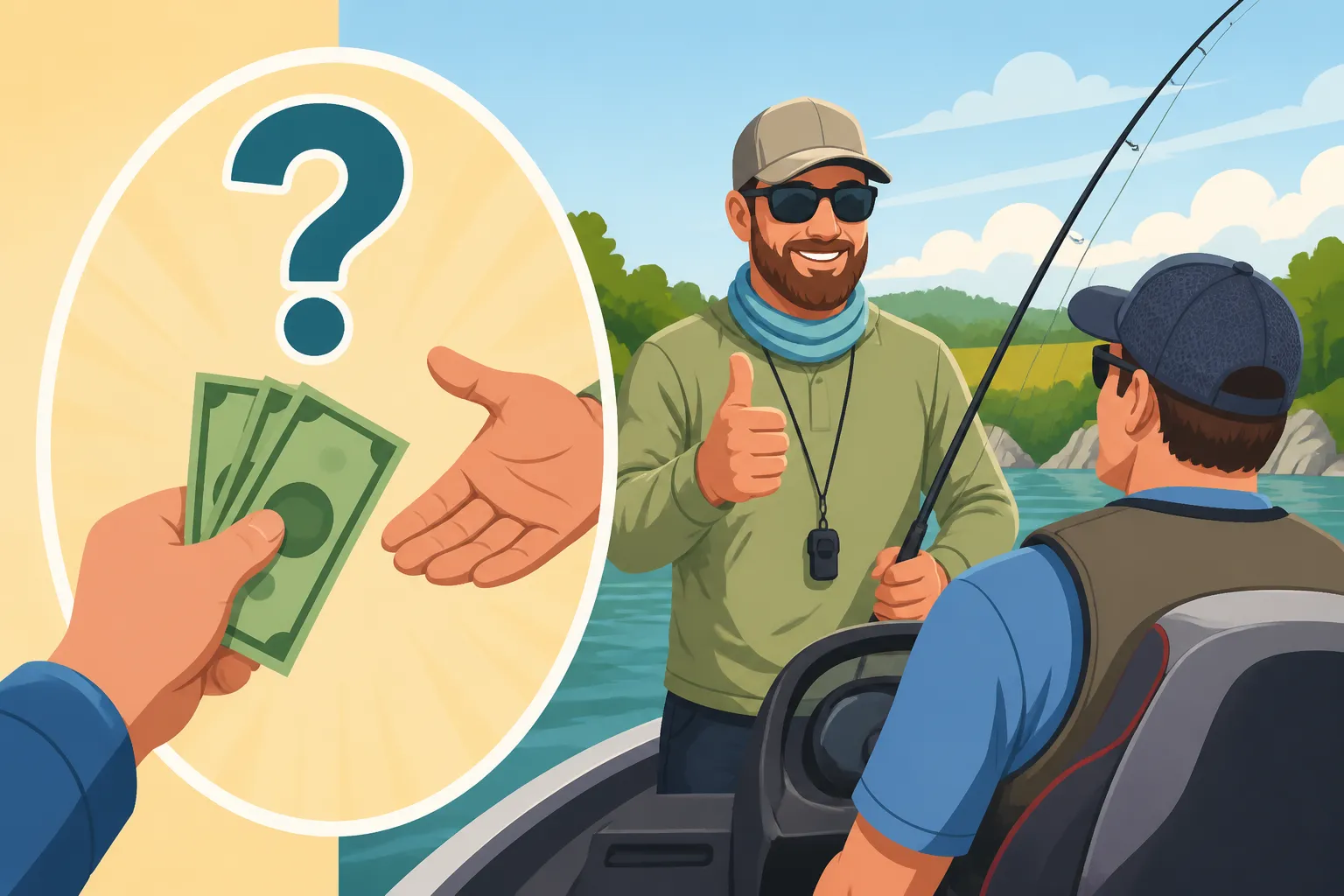
While some guides might have digital payment options, cash is almost universally preferred for tips. It's immediate, doesn't involve processing fees for the guide, and ensures they receive the full amount instantly. Often, guides will pool tips if there's a first mate or another assistant, and cash makes that distribution much simpler. So, before your trip, it's a good idea to visit an ATM and have some smaller denominations on hand. This prevents any last-minute scrambling or awkward questions about how to add a tip to a credit card payment.
Having cash ready also allows you to hand it directly to your guide as you're saying your goodbyes. This personal touch, accompanied by a sincere thank you, feels more genuine and appreciated.
Timing Your Tip
The best time to offer your tip is at the very end of the trip, after you've returned to the dock, the boat is tied up, and all your gear is offloaded. This is typically when you're settling up any remaining balances or simply saying your farewells. A simple "Thank you so much for an incredible day, Captain. Here's something extra for your hard work," accompanied by a handshake and the cash, is usually sufficient.
Avoid trying to tip in the middle of the trip, as it can feel odd and interrupt the flow. Waiting until the natural conclusion of the service is the most appropriate and polite approach. Many reputable services, even those you find on platforms like FishingBooker, will often include a note about tipping etiquette in their booking confirmations.
Group Trips and Splitting the Tip
If you're on a guided trip with friends or family, the responsibility of the tip often falls to the person who booked the trip or to the designated group leader. It's a good idea to discuss the tipping strategy with your group beforehand, perhaps even collecting contributions at the beginning of the day. This way, you can present a single, combined tip to the guide, making it a seamless process at the end of a fun day fishing for Largemouth Bass Daily Limit in Arkansas or Crappie Size and Daily Limit in Arkansas.
Dividing the tip evenly among the group based on the agreed-upon percentage is usually the fairest way. Just remember that the total tip should reflect the guide's service for the entire group, not just an individual’s experience. The goal is to ensure the guide is fairly compensated for their effort in making everyone's trip enjoyable.
Disclaimer
This article is for general informational purposes only and does not constitute professional advice. Laws, prices and regulations vary by location and change over time. Consult a qualified professional for guidance on your specific situation.