Arkansas Striper Guide Trips on Norfork Lake
Trying to tackle the legendary striped bass on a vast lake like Norfork without a game plan can feel like searching for a needle in a haystack – overwhelming and often fruitless. These powerful fish can be elusive, moving constantly and requiring specialized techniques to consistently find and hook them. This comprehensive guide will walk you through everything you need to know about booking and experiencing a successful striper guide trip on Norfork Lake, helping you transform that frustration into an unforgettable angling adventure.
Why Norfork Lake is a Striper Angler's Paradise
Norfork Lake in Arkansas isn't just another pretty body of water; it's practically synonymous with trophy striped bass fishing. Anglers from all over the country flock here, drawn by the promise of battling truly massive fish. But what makes this particular lake such a magnet for stripers, and why does it consistently produce such incredible catches? It's a combination of unique natural features and careful fisheries management that creates an ideal environment.
The Lake's Trophy Striper Reputation
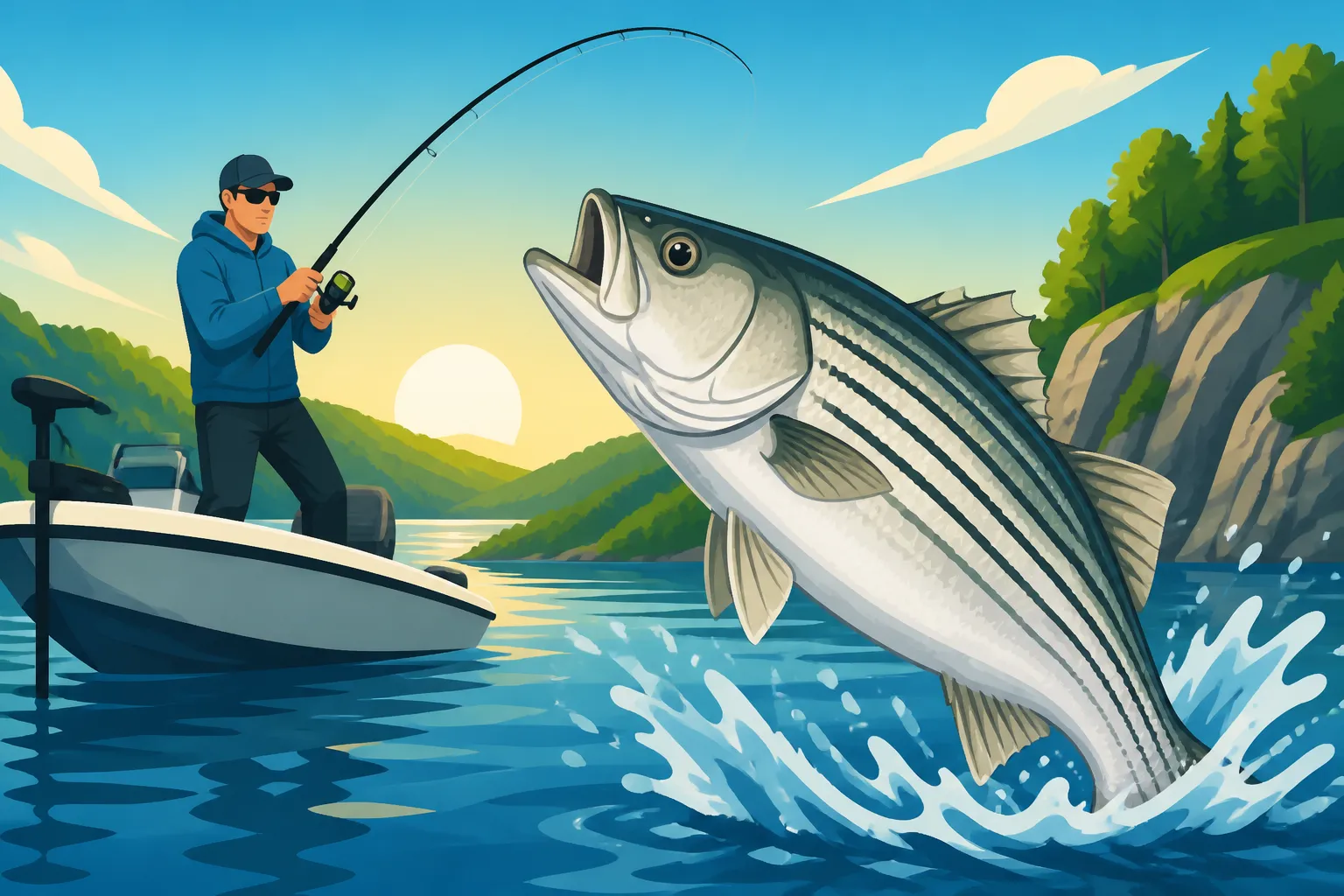
Let's be real, when you hear "trophy striper," your mind probably jumps to saltwater behemoths. But Norfork Lake holds its own, consistently churning out striped bass that would make any ocean angler proud. We're talking about fish regularly pushing the 20, 30, and even 40-pound mark. The lake has earned its stripes, so to speak, as a premier destination for those seeking a true tug-of-war with a freshwater giant. Many seasoned anglers consider Norfork Lake: One of Arkansas's Best Striped Bass Fisheries for good reason, often producing the kind of fish stories that last a lifetime.
This reputation isn't built on luck. It's the result of decades of careful stocking programs and a robust forage base that allows stripers to grow to colossal sizes. These fish have ample room to roam, abundant food to feast on, and the deep, cool waters they prefer, all contributing to their impressive growth rates. When you hear about someone landing a true monster striper in Arkansas, chances are it came from Norfork. The thrill of hooking into one of these powerful fish is an experience you won't soon forget, and it's what keeps anglers coming back year after year.
Unique Habitat and Forage
Norfork Lake offers a diverse and ideal habitat for striped bass. It's a deep, clear impoundment with rocky points, submerged timber, vast open water, and numerous creek arms. This varied structure provides ample hiding spots and ambush points for stripers, but more importantly, it supports an incredible forage base. The lake is teeming with threadfin and gizzard shad, which are the primary food source for growing stripers. These baitfish schools move throughout the lake, and the stripers follow, creating dynamic and ever-changing fishing opportunities.
The constant availability of high-quality forage is paramount to the health and size of Norfork's striper population. Guides spend countless hours tracking these baitfish movements, understanding that where the food is, the stripers will be. It's a complex ecosystem, and the deep, oxygen-rich waters allow these fish to thrive even during the warmer months, providing consistent Norfork Lake Striped Bass Season opportunities throughout the year. The guides leverage this knowledge to put you on the fish, understanding the subtle nuances of where the bait is holding and how the stripers are reacting to it.
Year-Round Opportunities
One of the most appealing aspects of Norfork Lake striper fishing is that it truly offers year-round action. While some lakes might have seasonal peaks and valleys, Norfork consistently produces solid catches regardless of the calendar. Each season presents its own challenges and rewards, and a good guide understands how to adapt their strategies to match the conditions. Whether you're chasing them in the chilly depths of winter or the dog days of summer, the potential for a trophy fish is always there.
Of course, different times of the year might favor different techniques or target certain areas of the lake. During colder months, stripers often school up more tightly and can be found in deeper holes, while warmer weather might see them migrating to thermoclines or chasing bait on the surface at dawn or dusk. A guide's expertise becomes invaluable here, as they've spent years observing these patterns and know exactly where the Best Striper Fishing Spots on Norfork Lake, Arkansas are, regardless of the season. This consistent availability makes Norfork a top choice for anyone looking for a striper fix any time of the year.
What to Expect on a Norfork Striper Guide Trip
Hiring a fishing guide on Norfork Lake for striped bass isn't just about someone taking you out on their boat; it's about buying into their extensive local knowledge, specialized equipment, and years of experience. You're essentially fast-tracking your way to understanding a complex fishery, dramatically increasing your chances of success, and doing so safely and efficiently. For many, it's the most effective way to experience the thrill of Trophy Striped Bass Fishing in Arkansas.
Typical Trip Itinerary and Duration
Most Norfork striper guide trips will vary in duration, usually offering half-day (4-5 hours) or full-day (8 hours) options. The exact start time can fluctuate dramatically depending on the season and what the guide believes will be the most productive bite window. Often, this means an early morning start, sometimes before dawn, especially in the warmer months when stripers are most active during the cooler parts of the day. Your guide will communicate these details well in advance, so you'll know exactly when and where to meet.
Once you're on the water, the trip usually involves a combination of techniques. Guides will often use their sonar and GPS to locate bait schools and the stripers feeding on them. You might spend time trolling large crankbaits or live bait, or if fish are suspended, using downriggers to get baits to the precise depth. Expect to cover a lot of water; these fish are constantly moving, and a good guide is always searching for the next hot spot. They'll also handle all the boat navigation, bait preparation, and often even help you with landing and unhooking those powerful stripers.
Gear, Bait, and Techniques Used by Guides
When you book a striper guide trip, you can typically leave most of your own gear at home. Guides come equipped with high-quality rods, reels, and specialized tackle specifically designed for fighting hard-pulling stripers. This often includes heavy-action rods, robust baitcasting or spinning reels spooled with strong line, and a variety of lures and baits tailored to Norfork's stripers. This usually means big artificial baits like swimbaits and spoons, but live bait, such as shad, is often the preferred choice for trophy-sized fish.
Common techniques you'll encounter include trolling, which allows guides to cover large areas and present multiple baits at different depths. For this, they'll use planer boards to spread lines or downriggers to target specific depths. When fish are located, vertical jigging or casting spoons into schools might be employed. Each technique is chosen based on water temperature, current conditions, and fish behavior. Familiarizing yourself with Striped Bass Trolling Techniques or Deep Water Striper Fishing Techniques beforehand can give you a basic understanding, but your guide will be the expert at tailoring these for the day's conditions.
Catch and Keep vs. Catch and Release Practices
Before your trip, it's always a good idea to discuss your expectations regarding keeping fish. Many anglers enjoy the thrill of taking home a fresh catch, and stripers, especially the smaller "schoolie" sized ones, can be excellent table fare. However, some anglers prefer to practice catch and release, especially with the larger, older trophy fish, to help conserve the fishery. Your guide will be well-versed in all local regulations, including any size or creel limits for striped bass on Norfork Lake.
Most guides are happy to accommodate your preference within legal limits. If you plan to keep fish, they'll often have a cooler with ice to properly store your catch, and some may even offer to clean and fillet your fish at the end of the trip for a small additional fee. Always confirm these details when booking. It's a respectful gesture to be clear about your intentions so your guide can plan accordingly and ensure you have the best possible experience, whether that's filling the cooler or just getting a memorable photo before releasing a giant.
Choosing the Right Norfork Striper Guide
Picking the right fishing guide for your Norfork Lake striper adventure is crucial to ensuring a successful and enjoyable trip. It's not just about who's available; it's about finding someone whose expertise, personality, and fishing style align with your expectations. A great guide can turn a slow day into a learning experience and a good day into an epic one.
Key Qualities of a Top Striper Guide
A top-notch Norfork striper guide possesses a combination of deep local knowledge, excellent boat handling skills, patience, and a genuine passion for putting clients on fish. They should have a proven track record, not just of catching fish, but of providing a positive experience. Look for guides who have spent years, if not decades, on Norfork Lake specifically targeting stripers. Their understanding of seasonal patterns, baitfish movements, and even the subtle influence of water generation from the dam is invaluable.
Beyond their fishing prowess, a great guide is also an excellent communicator. They'll explain their techniques, help you understand why they're making certain decisions, and offer tips to improve your own fishing skills. They should prioritize safety, have a well-maintained boat, and possess all necessary licenses and insurance. A guide who is enthusiastic, encouraging, and patient – especially with beginners or families – will make the trip far more enjoyable, even if the fish are playing hard to get.
Checking Credentials and Reviews
Before you commit to a guide, do your homework. Start by checking their credentials. They should be properly licensed by the U.S. Coast Guard (if operating a for-hire vessel) and have all the necessary state fishing guide permits for Arkansas. Don't be shy about asking for this information. A reputable guide will be happy to provide it.
Next, dive into online reviews and testimonials. Platforms like Google Reviews, Facebook, and specialized fishing booking sites offer a wealth of information. Pay attention not just to the number of stars, but to the content of the reviews. Do people consistently praise their knowledge, patience, and ability to find fish? Are there any recurring complaints? While one negative review isn't always a deal-breaker, a pattern of issues should raise a red flag. Look for guides who get consistent praise for their professionalism and the overall experience they provide. This due diligence can save you from a disappointing trip.
Booking Options: Direct vs. Platforms
When you're ready to book your Norfork striper trip, you generally have two main options: booking directly with a guide or using an online booking platform. Booking directly means you're communicating one-on-one with the guide, often allowing for more personalized conversations about your specific goals and preferences. It can also sometimes lead to a slightly better rate, as there are no platform fees involved. Many established guides have their own websites or Facebook pages where you can find contact information and calendar availability.
Alternatively, platforms like FishingBooker connect you with a variety of local guides, allowing you to compare prices, read reviews, and check availability all in one place. These platforms offer a convenient way to browse multiple options and can provide a level of buyer protection or standardized booking processes. FishingBooker, for instance, allows you to filter guides by species, location, and amenities, making it easier to find someone who specializes in Norfork Lake striped bass. Whichever method you choose, always confirm pricing, what's included, and the cancellation policy before putting down a deposit.
Preparing for Your Norfork Lake Striper Adventure
Once you've booked your guide trip, the excitement truly begins! Proper preparation can make a big difference in your comfort and enjoyment on the water. While your guide handles most of the heavy lifting when it comes to fishing gear, there are a few essential items you'll need to bring along to ensure a smooth and pleasant experience on Norfork Lake.
Essential Packing List and Clothing
Even on a guided trip, a little personal preparation goes a long way. Think about comfort and protection from the elements. Here's a quick rundown of essential items:
- Sun Protection: Sunscreen, a wide-brimmed hat, and polarized sunglasses are non-negotiable. The sun's glare off the water can be intense, even on cloudy days.
- Layered Clothing: Temperatures on the lake can fluctuate dramatically throughout the day, especially from early morning to afternoon. Dress in layers that you can easily add or remove. Think moisture-wicking base layers, a fleece or light jacket, and a rain jacket, even if the forecast looks clear. What to Bring on a Guided Arkansas Fishing Trip will often include a more comprehensive list.
- Comfortable Shoes: Non-slip, closed-toe shoes are ideal. You'll be standing on a boat deck, and things can get wet.
- Food and Drink: While some guides might offer bottled water, it's always best to bring your own snacks, drinks, and any special dietary items. A small cooler is often a good idea.
- Camera: You'll want to capture those trophy striper moments! Make sure it's waterproof or kept in a dry bag.
- Cooler (optional): If you plan to keep fish, bringing a cooler to transport your catch home is essential. Your guide may have one on board for storage, but having your own for the drive is smart.
Understanding Arkansas Fishing License Requirements
This is a critical point that often catches anglers off guard: even on a guided trip, you are still responsible for possessing a valid Arkansas fishing license and any necessary permits. Your guide cannot legally take you fishing without one. The type of license you need will depend on whether you are an Arkansas resident or a nonresident, and your age. Since you'll be targeting striped bass, a general fishing license is usually sufficient, but always double-check current regulations.
It's strongly recommended to purchase your license online well in advance of your trip. This avoids any last-minute stress or potential delays. You can typically print a copy or keep a digital version on your phone, but confirm what is accepted as proof. Remember, game wardens do check, and getting caught without a license can result in fines and ruin your trip. For more details on what you'll need, check out resources like Arkansas Fishing License Rules and Costs or Arkansas Fishing License Requirements for Guided Trips. Make sure you're squared away before you even leave your driveway.
Physical Demands and Accommodations
While a guided fishing trip is generally less physically demanding than, say, backpacking, it's not entirely without exertion. You'll be standing, casting, and reeling in powerful fish, which can be quite a workout, especially if you hook into a true Norfork monster. The boat will move, and conditions can be choppy. If you have any physical limitations or health concerns, it's important to communicate these with your guide when booking.
Reputable guides are often very accommodating and can adjust the trip to your needs. They can help with casting, reeling, and ensure comfortable seating arrangements. Discussing any mobility issues or concerns about sun exposure, seasickness, or fatigue beforehand allows your guide to plan a trip that is enjoyable and safe for everyone in your party. Ultimately, a good guide wants you to have a great time and will work with you to make that happen.
Seasonal Considerations for Norfork Striper Trips
Understanding how Norfork's striped bass behave throughout the year is key to maximizing your success, especially when planning a guided trip. Each season presents unique challenges and opportunities, and a skilled guide tailors their approach to these ever-changing conditions.
Spring and Summer Striper Patterns
Spring on Norfork Lake sees stripers becoming very active as water temperatures rise. They often move into shallower water, especially around creek mouths and points, chasing spawning baitfish. This can be an excellent time for aggressive bites and catching good numbers of fish. Guides might focus on trolling shallower baits or casting to visible schools. The energy of the lake in spring is palpable, and the stripers reflect that with their voracious appetites.
As summer progresses and the lake warms, stripers will move deeper, seeking cooler, oxygen-rich water. This is when Summer Striper Fishing at Norfork Lake Arkansas really kicks into gear, often involving deep-water trolling with downriggers or fishing live bait in thermal layers. Early mornings and late evenings become prime fishing times, as the fish might push bait to the surface in spectacular "topwater boils" during these cooler periods. It can be a bit more challenging to locate them consistently in summer, making a guide's sonar expertise and knowledge of underwater structure absolutely essential.
Fall and Winter Trophy Striper Fishing
Fall is often considered one of the best times to target trophy stripers on Norfork Lake. As water temperatures begin to cool, the stripers become incredibly active, feeding heavily in preparation for winter. Baitfish schools are plentiful, and the stripers are on the prowl. This is when some of the biggest fish of the year are caught. Guides will use a mix of trolling, live bait, and even casting to surfacing fish, especially as baitfish move into shallower pockets. The cooler, crisp weather also makes for a very comfortable day on the water.
Winter on Norfork, while cold, can offer some of the most consistent trophy striper fishing. The fish tend to school up tightly in deeper areas, often around structure or main lake channels. While the bites might be fewer, the fish you do hook are often exceptionally large. Guides will primarily use live bait fished vertically or slow-troll large baits in these deep zones. The lack of pleasure boat traffic means a quieter lake, and the focused nature of winter striper fishing can be incredibly rewarding for those seeking a true giant. You'll definitely want those layers we talked about in the packing section, but the reward of a massive winter striper is worth the chill.
Weather's Impact on Trip Success
Weather plays a huge role in fishing success, and Norfork Lake is no exception. Factors like wind, rain, changing barometric pressure, and cold fronts can significantly influence striper behavior. A sudden cold front, for instance, can often make fish sluggish and less willing to bite, driving them deeper. Strong winds can make boat positioning difficult and create choppy conditions, impacting the comfort of your trip and the effectiveness of certain techniques.
A good guide will constantly monitor the weather forecast and adjust their strategy accordingly. They might suggest rescheduling in extreme conditions for safety or simply change their approach to account for less-than-ideal circumstances. For example, on windy days, they might focus on more sheltered coves or use heavier baits to combat drift. Don't be discouraged by a less-than-perfect forecast; experienced guides often have tricks up their sleeves to find fish even when Mother Nature isn't cooperating. Their ability to read the weather and its effects on the lake is just another reason why booking a guide is such a smart move.
Comparing Norfork Lake Striper Fishing Across Seasons
To give you a better idea of what to expect, here's a general comparison of Norfork Lake striper fishing across the different seasons. Remember, these are broad generalizations, and a good guide will always find exceptions!
| Season | Typical Water Temp (F) | Striper Behavior | Common Techniques | What to Expect |
|---|---|---|---|---|
| Spring | 50s-60s | Active, moving shallower, chasing baitfish post-spawn. | Trolling shallow crankbaits, casting swimbaits, live bait. | Good numbers, active bites, potential for trophy fish. |
| Summer | 70s-80s | Deeper, seeking thermocline, active early/late. | Deep trolling with downriggers, live bait (shad) vertical fishing, early/late topwater. | Can be challenging, but big fish are caught, early starts are key. |
| Fall | 60s-70s | Highly active, aggressive feeding, bulking up for winter. | Mix of trolling, live bait in main lake and creek channels, casting to schools. | Excellent trophy potential, consistent action, comfortable weather. |
| Winter | 40s-50s | Grouped in deep holes and channels, slower bites, but often large fish. | Live bait (shad) fished vertically, slow deep trolling. | Fewer bites, but high chance for truly massive stripers, quiet lake. |
This table provides a glimpse into the seasonal rhythm of Norfork Lake's stripers. However, the true art of fishing lies in adapting to the day's specific conditions, and that's precisely where an experienced guide shines. They live and breathe this lake, and their insights are priceless. If you're looking for more specific information on How Big Do Norfork Lake Stripers Get?, your guide will likely have plenty of stories and photos to share.
Disclaimer
This article is for general informational purposes only and does not constitute professional advice. Laws, prices and regulations vary by location and change over time. Consult a qualified professional for guidance on your specific situation.