Best Time to Fish White River Refuge Lakes for Crappie
One of the most common frustrations for any crappie angler heading to the White River National Wildlife Refuge is figuring out the prime time to actually wet a line and get some bites. It’s a vast, diverse system, and what works one month might leave you scratching your head the next. This guide is all about cutting through that confusion, giving you the lowdown on when crappie are most active in these unique refuge waters and how to adapt your approach to match the season.
Understanding the Crappie Season in White River Refuge Lakes
The White River National Wildlife Refuge, with its sprawling backwaters, oxbow lakes, and intricate sloughs, is a crappie paradise. But like any good fishing spot, understanding the seasonality is absolutely key to success. Crappie here follow pretty predictable patterns tied directly to water temperature and their biological urges. Ignoring these patterns is a surefire way to end up with an empty livewell and a dose of disappointment.
The Spring Spawn: Peak Crappie Action
Hands down, if you ask most seasoned anglers the "best time," they'll point you straight to the spring spawn. This is when crappie, both black and white, move from their deeper wintering holes into shallower, warmer waters to reproduce. It's an explosion of activity, and it's when the fishing can be truly fantastic. You'll often find this window opening up from late March through May, though it can shift earlier or later depending on how quickly the water warms up.
During this period, crappie are focused on nesting and feeding aggressively, making them much more accessible to anglers. They'll congregate around submerged timber, brush piles, cypress trees, and other shallow cover in just a few feet of water. You can often literally see them in clear patches, darting in and out of cover. This concentration means you can sometimes fill a cooler from a single productive spot. The crappie are often bolder, too, hitting baits with a vengeance, especially when protecting their nests. This is the time when even a beginner can often find good success, making it a fantastic experience for a family fishing trip. You'll want to review When Do Crappie Spawn in Arkansas to dial in your timing.
Post-Spawn and Summer Challenges
Once the spawn is over and the water temperatures continue to climb into the upper 70s and 80s, crappie behavior shifts dramatically. This post-spawn period can be a bit tougher, as fish disperse from their shallow nesting grounds and move to deeper, cooler water. They're often recuperating from the rigors of spawning, and their appetites might not be as aggressive.
As summer progresses, crappie typically retreat to the relative comfort of deeper structure in the refuge's larger oxbows and main river channels. This could mean deep brush piles, channel edges, submerged creek beds, or around standing timber in 10 to 20 feet of water, sometimes even deeper during the hottest parts of July and August. Finding them becomes more of a treasure hunt, requiring good electronics and a willingness to explore. Anglers often get frustrated during this time because the fish aren't where they were a month or two ago, and they're not nearly as eager to bite. The key here is patience and adapting your techniques to target these deeper haunts, which we'll discuss a bit later. While it's not the "peak" of spring, summer still offers opportunities for anglers willing to put in the work.
Fall Feeding Frenzy: A Second Peak
As the scorching Arkansas summer gives way to cooler autumn temperatures, usually starting in late September and extending through November, crappie in the White River Refuge often experience a resurgence in activity. This is often referred to as the "fall feeding frenzy" or "second peak" for crappie fishing. The cooling water triggers a strong instinct for crappie to feed heavily, packing on fat reserves in preparation for the upcoming winter.
During the fall, crappie will often move back to shallower depths, though not always as shallow as during the spawn. They'll frequent areas with good cover like submerged logs, cypress knees, and weed lines, often relating to baitfish schools that are also fattening up. While they might not be as aggressively concentrated as during the spring spawn, they are actively hunting, making them responsive to various presentations. Many experienced anglers find fall fishing to be just as rewarding, if not more so, than spring, due to fewer crowds and often larger, healthier fish. It's a fantastic time to be out on the water, with comfortable weather and hungry crappie. If you want to dive deeper into the general timing, check out Arkansas Crappie Fishing Season Guide.
Winter Crappie: Patience and Precision
When winter truly sets in, typically from December through February, crappie in the White River Refuge settle into their deepest patterns. The water gets cold, and their metabolism slows down significantly. This doesn't mean you can't catch them, but it absolutely requires a different mindset and approach.
During winter, crappie will usually suspend in deep water, often near the main river channel, deep bends, or large submerged brush piles in oxbows. They might be in 20 to 30 feet of water, sometimes even deeper, and often orient themselves to specific temperature breaks or concentrations of baitfish. The bite will be much more subtle, requiring light tackle, small baits, and a slow, deliberate presentation. It's a game of patience and precision, but for those who master it, winter can yield some truly impressive stringers of large, fat crappie. The key is finding those deep schools and presenting your bait directly to them.
Key Factors Influencing Crappie Activity
Beyond the general seasonal patterns, several specific environmental factors heavily influence when and where crappie will bite in the White River National Wildlife Refuge. Understanding these nuances can help you predict crappie behavior on any given day, turning a slow day into a successful one.
Water Temperature and Crappie Behavior
Water temperature is arguably the single most important factor dictating crappie activity. They are cold-blooded creatures, and their metabolism, feeding activity, and spawning urges are all directly tied to the thermometer.
- Pre-Spawn (55-62°F): As water warms in early spring, crappie begin to stage in slightly deeper water adjacent to their spawning grounds. They're feeding heavily, getting ready for the spawn, and can be found suspended or near structure.
- Spawn (62-72°F): This is the magic window where crappie move shallow to reproduce. They'll be very active and aggressive, protecting nests and feeding. This is usually late March to May in the refuge.
- Post-Spawn (70-78°F): After spawning, crappie disperse and recover, often moving slightly deeper. The bite can be tougher as they recuperate.
- Summer (78°F+): During the hottest months, crappie retreat to the coolest, deepest water they can find, often suspending over structure or in creek channels. Their activity often peaks in the early morning or late evening.
- Fall (70-55°F): As water cools, crappie become highly active again, mirroring their pre-spawn behavior, feeding aggressively to build up winter reserves.
- Winter (Below 55°F): Crappie are deep and sluggish. They'll feed, but the bite is subtle, and they require a slow, precise presentation.
Always carry a good water thermometer, or better yet, a fish finder with a temperature gauge. Knowing the exact water temperature allows you to make informed decisions about where crappie are likely to be. You can find excellent portable models on Amazon that easily attach to your boat or kayak.
Water Levels and Their Impact
The White River National Wildlife Refuge is intrinsically linked to the White River itself, and its water levels can fluctuate significantly throughout the year, especially with rainfall and river flow. These changes have a profound impact on crappie location and accessibility.
- High Water/Flooding: During periods of high water, common in spring, the refuge's sloughs and oxbows can connect to vast areas of flooded timber and vegetation. This disperses crappie into newly accessible shallow cover, sometimes making them harder to pinpoint. However, it also opens up new feeding grounds. Anglers need to understand that what looks like dry land one week might be prime crappie habitat the next.
- Normal to Low Water: As water levels recede, crappie are often forced out of shallow, temporary cover and concentrate into the main oxbows, sloughs, and creek channels. This can make them easier to locate, as they're condensed into more predictable areas around established structure. However, too-low water can also limit boat access to certain areas within the refuge. When water is low, crappie will often move to deeper holes in the main White River channel that runs through the refuge. You'll need to know where these deeper spots are, often through local knowledge or good mapping.
Always check the current river conditions and projected water levels before heading out. Understanding how the water is moving and where it's pooling can give you a significant advantage. The refuge's unique environment means crappie have many places to hide, and water levels dictate their movements.
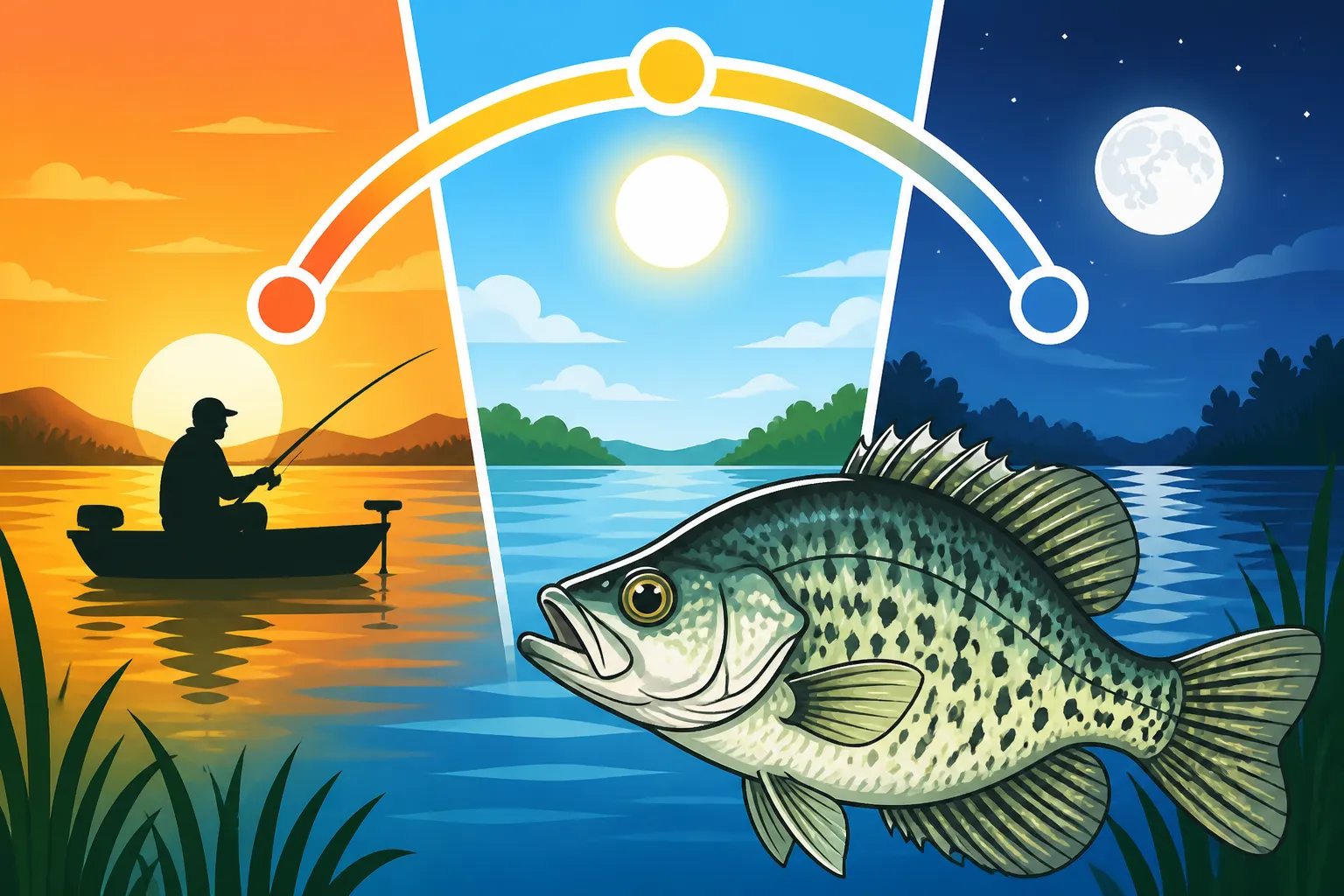
Time of Day: When the Bite is Hottest
While seasonal patterns dictate the best time of year, the best time of day can vary greatly depending on the season, weather, and specific conditions.
- Spring and Fall: During the spawn and fall feeding frenzy, crappie can often be caught throughout the day, especially if it's cloudy or overcast. However, early mornings and late afternoons are typically prime, as sunlight intensity is lower, and crappie feel more comfortable in shallow water.
- Summer: The heat of summer pushes crappie deep, and they tend to be most active during the cooler parts of the day. This means dawn and dusk are often the most productive times. Night fishing can also be incredibly effective during summer, especially for larger crappie, as they move shallower to feed under the cover of darkness.
- Winter: In winter, the bite can be slow all day, but often the warmest part of the day (mid-afternoon, when the sun has had a chance to warm the water slightly) can offer a brief burst of activity. Crappie are less affected by light intensity in deep water, so consistent presentation is more important than specific times.
Here's a quick reference table for general crappie activity peaks in the refuge:
| Season | Primary Water Temp Range | General Crappie Location | Peak Activity Time |
|---|---|---|---|
| Spring | 62-72°F | Shallow timber, brush, cypress | All day, especially morning/late afternoon |
| Summer | 78°F+ | Deep structure, channel edges | Early morning, late evening, night |
| Fall | 55-70°F | Mid-depth cover, baitfish schools | All day, especially morning/late afternoon |
| Winter | Below 55°F | Deepest holes, suspended over structure | Mid-day (warmest part), subtle bites |
Essential Techniques for White River Refuge Crappie
Knowing when to fish is only half the battle; knowing how to fish for crappie in the diverse environment of the White River National Wildlife Refuge is the other. The techniques you employ will need to match the season and the fish's behavior.
Shallow Water Tactics for Spring and Fall
When crappie are pushed shallow during the spring spawn or the fall feeding frenzy, your approach can be a bit more straightforward, though still requiring finesse.
- Jigging Near Cover: This is perhaps the most iconic crappie technique. Cast small jigs (1/16 to 1/8 ounce are common, but sometimes smaller is better) armed with soft plastic bodies (grubs, tubes, tiny swimbaits) or hair jigs. Target visible structure like cypress knees, fallen timber, and emergent vegetation. Let the jig sink slowly, then impart a subtle twitching or lift-drop retrieve. Remember, crappie often hit on the fall. For a solid selection of jigs, you can always find a great variety on Amazon. If you're new to this, learning Crappie Jigging Basics for Beginners is a great first step.
- Slip Bobbers: When crappie are suspended at a specific depth or shy, a slip bobber rig is invaluable. This allows you to present a jig or a small live minnow at a precise depth without constantly adjusting your line. Cast near cover and let the bobber do the work. The slightest dip indicates a bite. This is also excellent for teaching kids, as they can easily see the bite. Read up on How to Slip Bobber Fish for Crappie for more details.
- Casting Small Lures: Sometimes, a straight cast-and-retrieve with a small spinnerbait, crankbait, or swimbait can entice aggressive crappie, especially if they're actively chasing baitfish. Experiment with colors; sometimes a chartreuse and black jig is key, other times something more natural. For insights into color choices, check out What Colors Work Best for Crappie Jigs in Arkansas.
When fishing these shallow areas, approach quietly to avoid spooking the fish. A trolling motor is your best friend here. Also, be mindful of the minimum size limit for keeping crappie in Arkansas; you'll want to review Crappie must be 9 inches or longer to keep in Arkansas before you go.
Deep Water Strategies for Summer and Winter
When crappie move deep, which they definitely do in the summer heat and winter cold, your tactics need to change dramatically.
- Vertical Jigging: This is a classic. Use your electronics to locate schools of crappie suspending over deep structure or in creek channels. Position your boat directly over them and drop a jig or a live minnow straight down. The key is to keep your bait at or just above the fish. A sensitive rod is critical for detecting those light winter bites. Many anglers use a rod specifically designed for vertical jigging, which you can often find readily on Amazon. You'll want a sensitive rod, like those mentioned in Best Rod Setup for Crappie Jigging.
- Spider Rigging/Long Lining: This technique, often favored by serious crappie anglers, involves using multiple rods (often up to eight per person, where legal) spread out from the boat. You can slowly troll or drift with live minnows or jigs at various depths and distances. This covers a lot of water and increases your chances of finding scattered crappie. It's particularly effective for searching large areas of open water in deeper oxbows.
- Using Electronics for Structure: A quality fish finder is non-negotiable for deep water crappie fishing. Learn how to read your sonar to identify brush piles, submerged timber, channel breaks, and most importantly, the crappie themselves, often appearing as "arches" or "streaks" suspended in the water column. Without good electronics, you're essentially fishing blind in deep water.
Remember that crappie in deep, cold water will often have a much slower metabolism. Your presentations need to be agonizingly slow and subtle. Don't be afraid to let your bait sit still for longer than you think is natural.
Recommended Gear for Refuge Crappie Fishing
Having the right tackle can make all the difference, especially in a place as diverse as the White River Refuge.
- Rods and Reels: Light to medium-light action spinning rods (5.5 to 7 feet) paired with small spinning reels are perfect for crappie. They offer the sensitivity needed to detect subtle bites and enough backbone to handle a decent crappie. For vertical jigging, a shorter, more sensitive rod is often preferred.
- Line: 4-6 pound test monofilament or fluorocarbon is standard. Some anglers prefer braided line with a fluorocarbon leader for added sensitivity, especially in deeper water.
- Baits and Lures:
- Live Minnows: Often the undisputed king of crappie baits, especially when rigged under a bobber or on a jig head. Fresh, lively minnows are always a good bet. Find more tips on Best Live Bait for Crappie Fishing.
- Soft Plastics: Grubs, tubes, small paddle tails, and minnow imitations in various colors (chartreuse, white, black, pink, blue/silver) are highly effective.
- Hair Jigs: Traditional and still deadly, especially for their subtle action.
- Small Crankbaits/Spinnerbaits: Good for aggressive crappie or covering water quickly.
- Terminal Tackle: A selection of jig heads (1/32 to 1/8 ounce), small hooks (sizes 4 to 8), split shot weights, and slip bobbers.
- Electronics: As mentioned, a fish finder with sonar and mapping capabilities is a huge asset. A quality portable one, available on Amazon, can even be invaluable for bank anglers or those in smaller boats.
- Navigation: Given the complex nature of the refuge, a good GPS unit or a reliable mapping app on your phone (with downloaded offline maps) is highly recommended for navigating the sloughs and oxbows, especially if you're not familiar with the area. It’s easy to get turned around in the timber-filled backwaters.
Navigating the White River National Wildlife Refuge for Crappie
The White River National Wildlife Refuge isn't just one big lake; it's a vast network of water bodies, each with its own character. Successfully fishing here means understanding where crappie like to hang out and how to access those spots. It's not always easy, but the rewards are often spectacular.
Identifying Productive Crappie Hotspots
Crappie are structure-oriented fish, meaning they love to hide and ambush prey around physical cover. In the White River Refuge, this is especially true, with an abundance of natural and man-made structures.
- Submerged Timber and Brush Piles: This is crappie heaven. The refuge is full of flooded timber, stump fields, and intentionally (or naturally) created brush piles. These provide cover from predators, ambush points for baitfish, and shade from the sun. Learn to identify them on your sonar or by looking for subtle disturbances on the water's surface. These are quintessential Crappie Fishing Tips for Arkansas Timber Lakes scenarios.
- Cypress Trees and Knees: The iconic cypress trees in the refuge are fantastic crappie magnets. Fish the base of the trees, especially where the water deepens slightly, and around the network of cypress knees.
- Oxbow Lakes and Sloughs: The refuge is famous for its numerous oxbow lakes and meandering sloughs, which are often cut off from the main river channel. These can be incredibly productive, offering more stable water conditions and abundant cover. Look for deeper pockets, logjams, and areas with submerged vegetation. Many anglers consider these spots to be among the Best Crappie Fishing Spots in the White River National Wildlife Refuge.
- Channel Edges and Bends: In the main river sections and larger oxbows, crappie will often relate to the edges of creek or river channels, especially where there's a sharp depth break or a bend. These areas create current breaks and concentrate baitfish.
- Lilly Pads and Other Aquatic Vegetation: While not always present year-round, healthy beds of lilies and other aquatic plants provide excellent shallow water cover for crappie, particularly during warmer months.
Access and Boat Considerations
Accessing the White River National Wildlife Refuge can be a bit different than your typical lake. It's wilder, more remote, and requires a bit of planning.
- Public Access Points: There are numerous public boat ramps and access points throughout the refuge. These can vary from concrete ramps to primitive dirt launches. It’s crucial to know their locations and suitability for your vessel. Some ramps may only be accessible during certain water levels.
- Boat Type: While larger bass boats can navigate some of the main oxbows, smaller jon boats, kayaks, or even canoes are often ideal for reaching the tight, timber-filled backwaters and shallow sloughs where crappie thrive. These smaller vessels allow you to get into spots that larger boats can't, giving you an advantage. Just make sure your boat is equipped with a trolling motor for silent maneuvering in close quarters.
- Navigational Challenges: The refuge can be a maze, especially in areas with extensive flooded timber. Channels can be narrow, and it's easy to get lost or run aground if you don't pay attention. Always have reliable navigation tools and be aware of your surroundings. Buoys or markers may be present in some areas, but it's largely unmarked territory.
- Rules and Regulations: As a National Wildlife Refuge, there are specific regulations that apply beyond general Arkansas fishing laws. These can include restrictions on motor size in certain areas, seasonal closures, or specific rules for hunting and fishing. Always check the current refuge regulations before your trip. For broader context on state rules, see Arkansas Fishing License Rules and Costs.
Crappie fishing in the White River National Wildlife Refuge is an incredible experience, offering both quantity and quality for anglers willing to put in the effort. By understanding the seasonal patterns, the influence of water temperature and levels, adapting your techniques, and knowing how to navigate this unique environment, you'll greatly increase your chances of a successful and memorable trip. Happy fishing!
Disclaimer
This article is for general informational purposes only and does not constitute professional advice. Laws, prices and regulations vary by location and change over time. Consult a qualified professional for guidance on your specific situation.