Rainbow Trout Fishing on Arkansas’s White River
Many anglers dream of the thrill of landing a beautiful rainbow trout, but the vast, powerful, and ever-changing waters of Arkansas's White River can feel incredibly intimidating for both newcomers and seasoned veterans alike. This comprehensive guide is designed to cut through that complexity, providing you with actionable insights and proven strategies to confidently target and successfully catch rainbow trout in this world-renowned fishery, ensuring your next trip is productive and enjoyable.
Understanding White River Rainbow Trout: Habits and Habitat
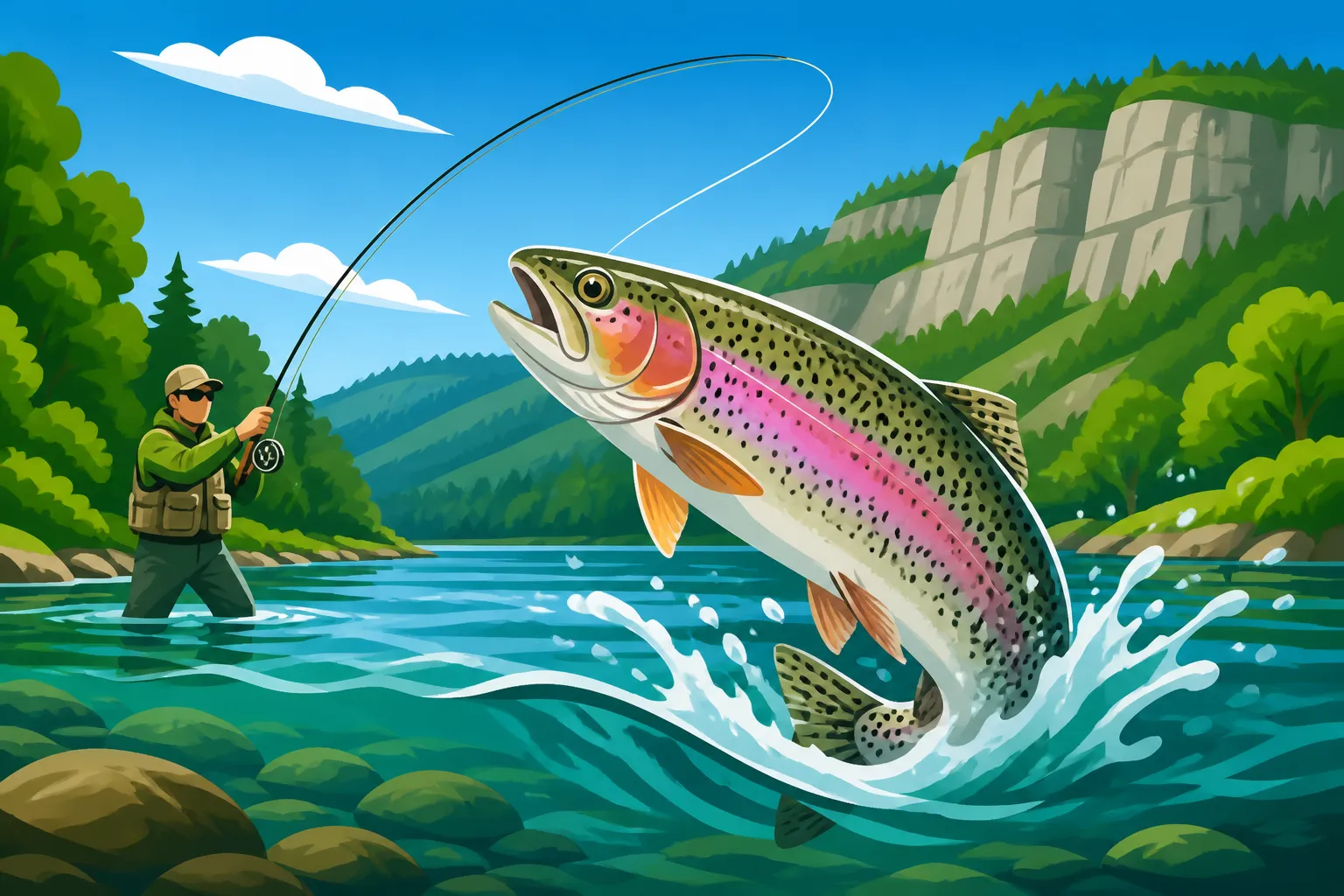
Before you even think about casting a line, it's incredibly helpful to understand the fish you're pursuing. Rainbow trout in the White River aren't just any trout; they are a product of a unique tailwater environment, shaped by the cold, oxygen-rich waters released from the depths of Bull Shoals Dam.
What Makes White River Rainbows Unique?
The vast majority of rainbow trout you'll encounter in the White River are hatchery-raised, stocked regularly by the Arkansas Game and Fish Commission. However, don't let that fool you into thinking they're pushovers. Once released into the river, these fish quickly adapt, becoming incredibly wary and exhibiting many wild-like characteristics. They learn to hunt natural food sources, avoid predators, and navigate the complex currents. They thrive in the consistent cold water (typically 45-55 degrees Fahrenheit) that flows from the bottom of Bull Shoals Lake, which is too cold for many native warm-water species but perfect for trout. Their diet is incredibly varied, ranging from microscopic aquatic insects like midges and caddisflies to small crustaceans, sculpins, and even other small baitfish. This diverse menu means they can be picky eaters, making your bait and presentation critical. For a deeper dive into these regulations, check out Arkansas Fishing Regulations Guide.
Prime Locations for Finding Rainbow Trout
Rainbow trout are structure-oriented fish, constantly seeking cover, current breaks, and prime feeding lanes. When you look at the White River, think about it from a trout's perspective. Where can they conserve energy while waiting for food to drift by?
- Current Seams and Eddies: These are goldmines. Trout will sit on the slower side of a seam, letting food come to them from the faster current. Eddies, where the water swirls, also collect food and offer a resting place.
- Submerged Structure: Fallen trees, rock piles, ledges, and deep holes provide cover from predators and strong currents. These spots are often overlooked but can hold some of the biggest fish.
- Riffles and Runs: Shallow, oxygenated areas with gravel bottoms are fantastic feeding grounds for trout, especially during insect hatches. They'll actively feed here, darting out to grab nymphs and emergers.
- Deep Pools: Larger, slower pools often hold bigger, less active fish, especially during periods of heavy generation or bright sunlight. These fish might be harder to tempt but are often worth the effort. Knowing where to fish is key, and you can learn more about specific locations in Best Fishing Spots in Arkansas.
Understanding Feeding Patterns and Water Levels
The White River is a tailwater, which means its flow is dictated by the generation schedule of Bull Shoals Dam. This is arguably the single most important factor affecting trout behavior and your fishing success.
- Low Water (No Generation): During periods of no or minimal generation, the river can become quite shallow. Trout will often move into deeper pools or tight to structure. This is prime time for wading anglers, as you can access many areas normally covered by swift water. Fish can be very wary in these clear, low conditions.
- High Water (Generation): When the dam is generating, the river rises, currents become swift, and the water can get a bit discolored. Trout will often move to the banks, seeking slower water and new feeding opportunities as insects and baitfish get dislodged. This is often boat fishing territory, but bank anglers can also find success close to shore.
- Insect Hatches: Keep an eye out for insects on the water. Midges are almost always present, but caddisflies, mayflies, and stoneflies can hatch at various times of the year. When a hatch is on, trout will often switch their focus entirely to those specific insects, making matching the hatch crucial for fly anglers. Even spin anglers can benefit by using lures that mimic these food sources.
Essential Gear for Rainbow Trout Fishing on the White River
Having the right equipment can make all the difference, especially on a challenging river like the White. You don't need to break the bank, but investing in reliable gear that suits the conditions will greatly improve your experience. Many excellent options can be found online at retailers like Amazon.
Rod and Reel Setup for Spin Fishing
For spin fishing, you want a setup that offers sensitivity, casting distance, and enough backbone to handle a strong fighting trout in current.
- Rods: A 6' to 7' light to medium-light action spinning rod is ideal. The lighter action allows for delicate presentations and protects lighter lines, while the length helps with casting small lures and controlling fish in the current. Look for a rod with a sensitive tip to detect subtle bites.
- Reels: Pair your rod with a high-quality spinning reel in the 1000 to 2500 size range. Smooth drag is paramount, as White River rainbows can make powerful runs. A good retrieve ratio helps when you need to quickly pick up slack or work a lure effectively.
- Line:
- Monofilament: 4-6 lb test is a great all-around choice. It has good stretch, which can be forgiving with aggressive fish, and is relatively inexpensive.
- Fluorocarbon: If you're willing to spend a bit more, 4-6 lb fluorocarbon is nearly invisible in the water, which can be a huge advantage with wary trout. It has less stretch than mono, offering more sensitivity.
- Braided Line: While some anglers use 6-10 lb braid with a fluorocarbon leader (2-4 ft of 4-6 lb test), braid's lack of stretch and high visibility can be a double-edged sword for trout. It offers incredible sensitivity but requires careful drag settings to prevent breaking off on hard strikes.
Baits and Lures for Spin Fishing
The White River calls for a versatile tackle box. Having a variety of options allows you to adapt to changing conditions and trout preferences.
- Natural and Scented Baits:
- PowerBait (Trout Bait): This classic is a go-to for many anglers, especially when the fish are less active or for bank fishing. Bright colors like chartreuse, orange, and rainbow are popular. Mold it onto a small treble hook or an egg hook.
- Corn: Believe it or not, canned corn is a surprisingly effective bait for hatchery-raised trout. It resembles the pellets they were raised on.
- Worms/Nightcrawlers: Small pieces of a nightcrawler can be deadly, especially after recent rains or during periods of higher, murkier water. Drift them naturally.
- Artificial Lures:
- Inline Spinners: Mepps Aglia, Panther Martin, and Rooster Tail spinners in sizes #0 to #2 are consistently effective. Gold, silver, and fire tiger patterns are popular.
- Small Spoons: Little Cleo or Kastmaster spoons in 1/8 oz to 1/4 oz can imitate small baitfish. Silver and gold are standard.
- Crankbaits: Tiny floating or suspending crankbaits (like Rapala countdowns or small Rebel crawfish) can work well in current, especially when targeting larger, more aggressive trout.
- Soft Plastics: Small trout worms, grub tails, or mini-jigs (1/32 to 1/16 oz) fished under a small float or on a light jig head can be incredibly effective, especially when tipped with a bit of PowerBait or corn. Many anglers have great success with white, pink, or chartreuse colors.
Fly Fishing Essentials
If fly fishing is your passion or aspiration, the White River offers some of the best opportunities in the country.
- Rods: A 4-weight to 6-weight fly rod, 8'6" to 9' long, is versatile for most White River situations. A 5-weight is a great all-around choice.
- Reels: A reliable fly reel with a smooth drag system is essential for battling strong trout. It doesn't need to be expensive, but it needs to perform.
- Line: Weight-forward floating fly lines are standard. You'll often be using long leaders (9-12 feet) with tippet (4x-6x) to present flies subtly.
- Flies: This is where it gets fun and sometimes overwhelming!
- Nymphs: Most of a trout's diet comes from subsurface insects. Essential patterns include Pheasant Tail, Hare's Ear, Prince Nymph, Zebra Midge, San Juan Worm, and egg patterns. Carry them in various sizes and beadhead options.
- Emergers: When insects are rising to the surface, emergers like LaFontaine's Sparkle Pupa (caddis) or RS2 (mayfly) can be deadly.
- Dry Flies: During active hatches, dry flies (Elk Hair Caddis, Adams, Parachute Adams, BWO patterns) are incredibly exciting to fish. Matching the size and silhouette of the natural insect is crucial.
- Streamers: For larger, aggressive trout, streamers like Woolly Buggers (olive, black, white), Sculpzillas, or small baitfish imitations can be very effective, especially during higher flows.
Waders and Safety Gear
Given the fluctuating water levels, waders are often indispensable for accessing prime fishing spots from the bank.
- Waders: Chest waders (neoprene for colder months, breathable for warmer) are a must for comfort and mobility.
- Wading Boots: Felt soles offer superior grip on slick, algae-covered rocks, though studded rubber soles are also popular and can be found readily on Amazon. Always use a wading belt to prevent your waders from filling completely with water if you take a spill.
- Personal Flotation Device (PFD): Especially during generation, currents can be swift and dangerous. A PFD is highly recommended, if not required in some areas, particularly when using a boat or kayak.
- Other Essentials: A net (rubberized mesh is gentle on fish), forceps or pliers for hook removal, clippers, polarized sunglasses (for seeing fish and protecting your eyes), and a small tackle bag or vest to keep your gear organized.
| Bait/Lure Type | Best Conditions | Pros | Cons |
|---|---|---|---|
| PowerBait/Corn | Low flow, slow pools, bank fishing | Easy to use, high scent, often effective | Less active fishing, can be less selective for larger fish |
| Inline Spinners | Moderate to fast current, searching water | Active presentation, attracts aggressive fish | Can twist line, less effective in very slow water |
| Small Spoons | Moderate to fast current, deeper holes | Good flash, casts far, sinks quickly | Can snag easily in rocky areas |
| Soft Plastics/Jigs | Varying flows, subtle presentation needed | Versatile, can mimic various food sources | Requires a delicate touch, can be difficult to rig |
| Nymphs (Flies) | All conditions, especially low/moderate flow | Mimics primary food source, very effective | Requires specific casting/drift techniques, delicate gear |
| Dry Flies (Flies) | During active hatches, calm water | Exciting visual strike, highly selective | Only effective during specific hatch periods |
| Streamers (Flies) | High flow, targeting large, aggressive trout | Attracts trophy fish, active retrieve | Can be tiring to cast, less subtle |
Effective Techniques for Catching Rainbow Trout on the White River
Once you have your gear sorted, it's time to talk tactics. Whether you prefer spin fishing or fly fishing, mastering certain techniques will drastically increase your odds of success.
Spin Fishing Techniques for the White River
Spin fishing on the White River requires a balance of casting accuracy, presentation, and understanding the current.
- Drifting Baits Naturally: This is a killer technique for PowerBait, corn, or small worms. Use minimal weight (just enough split shot to get your bait down) and allow it to tumble naturally with the current. The key is to match the speed of the current. Cast upstream and let the bait drift down, keeping just enough tension in your line to feel a bite without impeding the drift. Many anglers use a small float or bobber to help detect strikes and control depth, especially in areas with moderate current. If your bait isn't drifting naturally, it's not going to fool a wary trout. Remember, even if you are not fishing during free license periods, Do Kids Need a Fishing License in Arkansas? has more information if you are bringing junior anglers along.
- Casting and Retrieving Lures: Inline spinners and small spoons are incredibly effective for covering water and triggering aggressive strikes.
- Spinners: Cast upstream and across the current, letting the spinner swing down and across as you retrieve. Vary your retrieve speed. Sometimes a slow, steady retrieve is best, letting the blade barely turn. Other times, a faster retrieve can elicit a chase.
- Spoons: Cast spoons into pockets or deeper runs. Let them sink for a few seconds, then retrieve with a twitch-and-pause motion, imitating an injured baitfish.
- Bottom Bouncing: In deeper holes or faster currents, a heavier rig might be necessary. Use an egg sinker (1/4 to 1/2 oz) above a swivel, then a 12-18 inch leader to your hook. This allows the weight to bounce along the bottom while your bait or soft plastic drifts just above it, right in the trout's strike zone. This is particularly effective for targeting larger fish holding tight to the bottom.
Basic Fly Fishing Techniques for White River Trout
Fly fishing on the White River offers an unparalleled connection to the environment and the fish.
- Nymphing: This is arguably the most productive fly fishing method on the White River because trout primarily feed subsurface.
- Indicator Nymphing: This involves suspending one or more weighted nymphs under a strike indicator (a fancy bobber). The key is to achieve a drag-free drift, allowing your flies to tumble naturally with the current. Watch your indicator like a hawk for any hesitation, twitch, or dive – that's often a bite. Adjust your depth frequently until you find where the fish are holding.
- Tight-Line Nymphing (Euro Nymphing): A more advanced technique, this involves fishing nymphs without an indicator, using a long, light leader and feeling for subtle takes. It requires a lot of practice but offers incredible sensitivity and control.
- Dry Fly Fishing: The most visually exciting form of fly fishing, dry fly fishing targets trout feeding on insects floating on the surface.
- Matching the Hatch: The most critical aspect. You need to identify the size, color, and silhouette of the natural insects hatching and choose a fly that closely imitates it.
- Delicate Presentations: Cast your dry fly upstream or upstream and across, aiming for a soft landing. Again, a drag-free drift is crucial. Any drag will make your fly look unnatural and spook the fish.
- Streamer Fishing: For targeting aggressive, larger trout that are looking for a bigger meal, streamers are the way to go. Cast streamers into likely holding water (deep pools, submerged structure, current seams) and retrieve them with various stripping motions, imitating a sculpin or minnow fleeing. This is a more active form of fly fishing and can be incredibly rewarding when a big brown or rainbow decides to chase. For those interested in pursuing larger trout, check out Trophy Brown Trout Records on the White River.
Reading the Water Like a Pro
Regardless of your chosen method, learning to "read the water" is an invaluable skill.
- Current Breaks: Any obstruction (rocks, fallen trees, changes in depth) that slows the current creates a current break. Trout will often sit just downstream of these, waiting for food.
- Seams: Look for the distinct line where fast water meets slow water. This is a prime feeding lane.
- Foam Lines: Accumulations of foam often indicate a main current line where food is being transported.
- Color Changes: Subtle shifts in water color can sometimes indicate changes in depth or bottom composition, which can hold fish.
Navigating the White River: Access, Conditions, and Timing
The White River is a long and diverse fishery, offering countless opportunities. Knowing how to access it, understanding the critical role of water generation, and timing your visit can make or break your trip.
Public Access Points
The White River below Bull Shoals Dam has several well-known public access points, each offering unique fishing experiences.
- Bull Shoals State Park: Offers excellent access right below the dam with boat ramps, camping, and bank access. This area is often the coldest and can hold significant numbers of fish.
- Cotter: Known as the "Trout Capital of Arkansas," Cotter has multiple access points, including public ramps and wading areas. It's a popular hub for guides and anglers. Learn more about Cotter, Arkansas Fishing Guide Options for the White River.
- Rim Shoals: A famous fly-fishing only section (catch-and-release, artificial lures only), this area is renowned for its big brown trout and offers ample wading opportunities during low water.
- White River National Wildlife Refuge: While further downstream, sections of the White River within the refuge offer diverse fishing, including for crappie and bream, alongside trout in specific areas.
When planning your trip, consider what type of experience you want. Some areas are better for wading, while others are best explored by boat.
Water Levels and Dam Generation: The Deciding Factor
The Army Corps of Engineers controls the generation schedule at Bull Shoals Dam, and this directly impacts the White River's flow and, consequently, the fishing.
- Checking the Schedule: Always check the generation schedule before heading out. The Southwestern Power Administration (SWPA) website typically posts schedules. This information is critical for both safety and fishing strategy.
- Low Water Fishing: During periods of no generation, the river can be waded extensively. This is fantastic for fly fishing and spin fishing alike, but fish can be very spooky due to the clear, shallow water. It's an excellent time for sight fishing if you're patient and observant.
- High Water Fishing: When multiple generators are running, the river rises, becomes swift, and wading is often impossible or extremely dangerous. This is primarily boat fishing territory. Trout will often move to the softer water along the banks, behind large rocks, or into eddies. Larger lures and heavier nymphs are often needed to get down to the fish. Always be aware of rising water, and if you're wading, head to shore well before generation starts. Safety is paramount. Trout Fishing Below Bull Shoals Dam on the White River provides more detail on this specific area.
Seasonal Considerations for Rainbow Trout Fishing
While you can catch rainbow trout on the White River year-round, each season presents different opportunities and challenges.
- Spring (March-May): As water temperatures gradually rise, insect hatches become more frequent and diverse. Caddis and mayflies can hatch in profusion, leading to excellent dry fly fishing. Rainbows are very active as they feed heavily. Rising water levels can also dislodge worms and other food sources, making bait fishing effective. This is a prime time to catch many fish.
- Summer (June-August): Water temperatures remain cool due to dam releases, but ambient air temperatures can be hot. Fishing early in the morning or late in the evening is often best. Trout may hold in deeper, oxygenated pools during the heat of the day. Generation schedules can be more consistent, offering predictable high-water fishing. Small nymphs and midges are often key during this time. For a general understanding of fishing seasons, consider reading Arkansas Fishing Seasons Guide.
- Fall (September-November): Many consider fall to be the best time for trout fishing on the White River. Cooler air temperatures invigorate the fish, and brown trout begin their spawning run, which can make rainbows more aggressive as they compete for food and territory. Trophy brown trout are often caught, and rainbows are actively feeding. Streamer fishing can be very effective, alongside nymphing.
- Winter (December-February): Don't let the cold deter you! Winter offers some of the most consistent fishing, often with fewer crowds. The water temperature is stable. Midges are the dominant hatch, so tiny nymphs and dry flies can be deadly. Fish tend to congregate in deeper, slower pools. Layers of warm clothing and hand warmers are essential, but the rewards can be great. To know more about this, check out Winter Trout Fishing on the Norfork Tailwater in Arkansas, which, although for Norfork, shares similar principles for tailwater fishing.
Guided Trips vs. DIY
For first-timers or those looking to quickly learn the nuances of the White River, hiring a local fishing guide is an invaluable investment. They know the water, the patterns, and the best techniques for the current conditions. They'll also provide the necessary gear and ensure a safe, productive day. For details on what to expect, check out Guided Fishing Trips in Arkansas: Lakes, Rivers, and What's Included. However, with a bit of research and practice, a DIY trip can be incredibly rewarding. The information here and resources found on Amazon for gear can set you up for success.
Disclaimer
This article is for general informational purposes only and does not constitute professional advice. Laws, prices and regulations vary by location and change over time. Consult a qualified professional for guidance on your specific situation.