Fish Species Found in Timber-Filled Refuge Lakes
Fishing in Arkansas can be an incredibly rewarding experience, but many anglers shy away from timber-filled refuge lakes, intimidated by the snags, lost tackle, and the sheer challenge of navigating dense underwater forests. It's easy to feel overwhelmed, wondering what fish even bother to live in such a chaotic environment, let alone how to catch them. This guide is designed to cut through that confusion, giving you a detailed look at the common fish species you'll encounter in these unique Arkansas waters and equipping you with the knowledge to approach them with confidence, turning potential frustrations into successful outings.
Understanding Arkansas's Timber-Filled Refuge Lakes
Arkansas boasts a diverse array of fishing environments, but its timber-filled refuge lakes present a truly distinctive challenge and opportunity for anglers. These aren't your typical wide-open reservoirs; they are often natural oxbow lakes, man-made impoundments, or protected areas where natural processes, or intentional management, have left vast amounts of standing or submerged timber. This woody debris creates a complex habitat that, while tough to fish, is a magnet for various species.
Identifying Refuge Lakes and Their Habitat
When we talk about "refuge lakes," we're often referring to waters within wildlife management areas or national wildlife refuges. A prime example in Arkansas is the White River National Wildlife Refuge, which encompasses numerous oxbow lakes and bayous. These lakes are characterized by their shallow to moderate depths, often turbid waters, and an abundance of cypress trees, stumps, laydowns, and brush piles both visible and hidden beneath the surface. This timber isn't just an obstacle; it's the very foundation of the ecosystem. It provides shelter from predators, ambush points for feeding, and crucial spawning grounds. The complex structure also offers protection from strong currents and thermal regulation, making these areas vital for fish survival and growth. Recognizing these characteristics is the first step in understanding the fish that thrive within them. You might notice these lakes often have different rules, so always check local regulations for these special areas, like those outlined in Crappie and Bream Fishing at the White River National Wildlife Refuge in Arkansas.
The Role of Submerged Timber in Fish Ecology
The submerged timber, whether it's a giant fallen cypress or a dense thicket of underwater brush, plays an indispensable role in the ecology of these refuge lakes. For many fish species, it's not just a place to hang out; it's their entire world. The rough surfaces of the wood are ideal for algae and invertebrates to grow, forming the base of the food chain. Smaller baitfish, like shad and minnows, congregate around this cover, seeking both food and protection. In turn, these baitfish attract larger predatory game fish. The shade provided by submerged logs and standing timber offers relief from the summer sun, keeping water temperatures cooler and more stable. During spawning seasons, many species will attach their eggs to these woody structures, making them critical nurseries for the next generation. Without this timber, these lakes would be far less productive and certainly less challenging, but also less rewarding, for anglers.
Key Fish Species: The Big Three of Timber
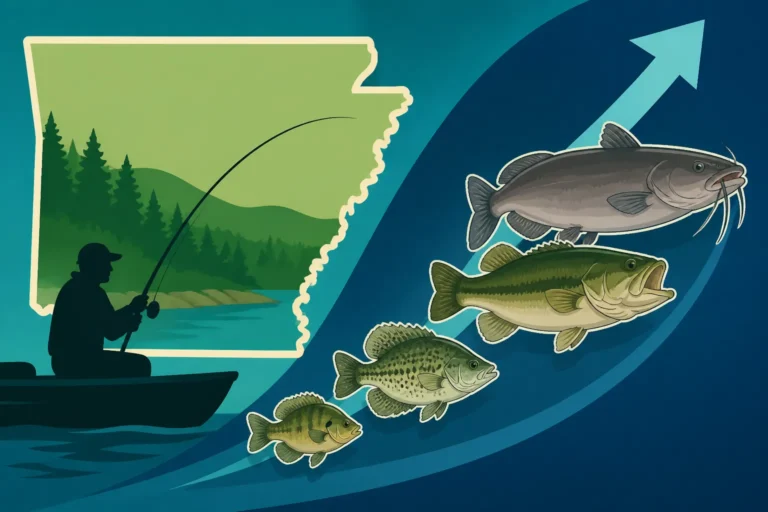
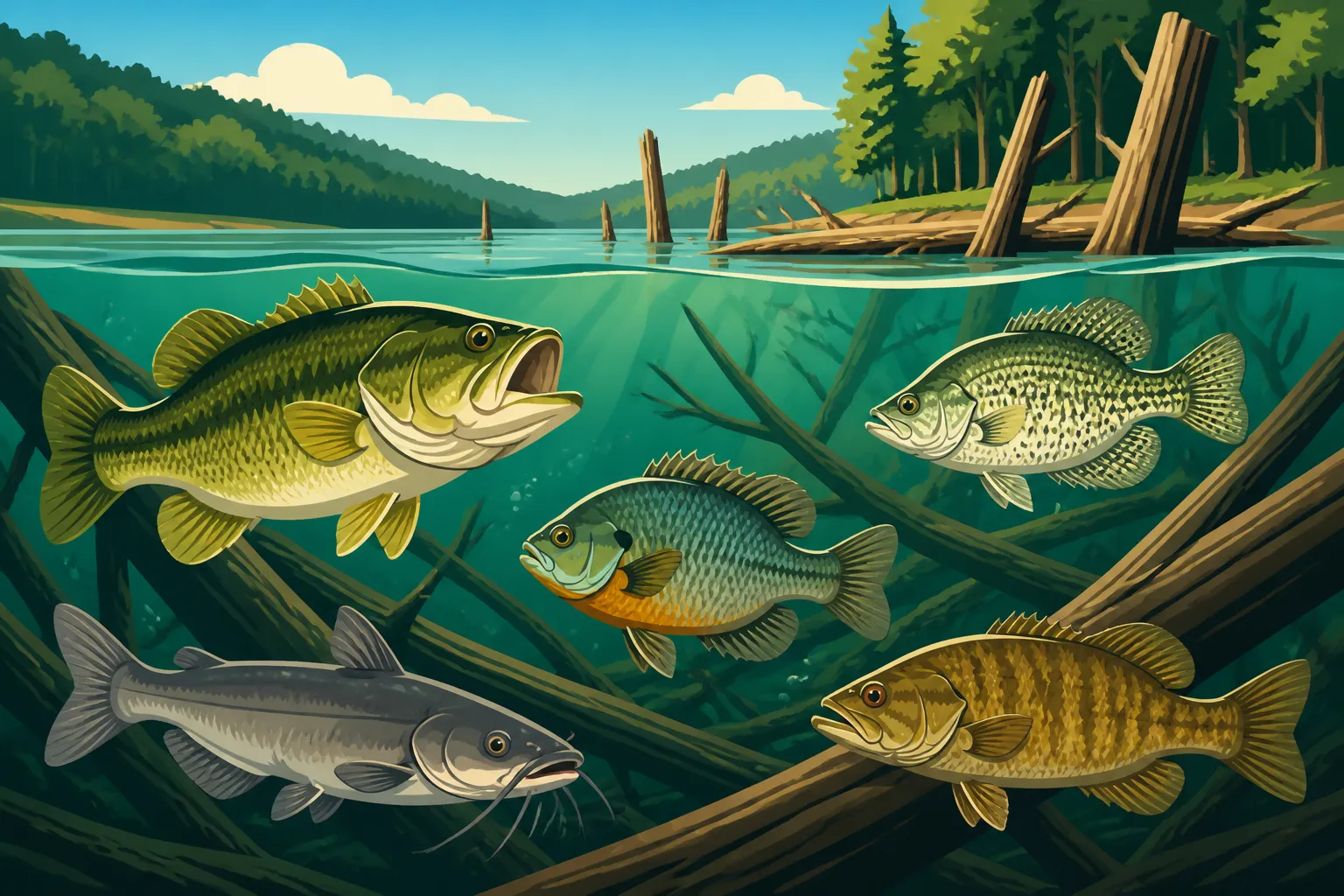
When you venture into Arkansas's timber-filled refuge lakes, there are three primary game fish species you'll almost certainly encounter. These are the giants of the wood, the fish that have mastered living and thriving amidst the underwater chaos. Understanding their habits and preferences within these unique environments is key to consistently finding them.
Largemouth Bass: The Apex Predator of the Wood
The largemouth bass is undeniably the king of timber-filled waters. These powerful, aggressive predators absolutely love structure, and submerged timber provides everything they need: ambush points, shade, and a constant supply of baitfish. You'll find them lurking deep within logjams, under the shade of fallen trees, or tight to standing cypress knees. They use these spots to hide, patiently waiting for an unsuspecting minnow, shad, or even a smaller bream to swim by. The challenge of catching largemouth in these environments comes from getting your lure into their strike zone without getting hopelessly snagged, and then, the even bigger challenge of getting them out of that dense cover once they bite. Their powerful runs are instantly directed back into the safety of the wood, demanding heavy line and strong hooks. For more general information on these fighters, check out Largemouth Bass Fishing on Arkansas's White River.
Anglers often target largemouth bass around the edges of thick timber, where there's a slight break in the density, or in small pockets within the cover. They're especially active during low-light conditions, like dawn and dusk, when they'll patrol the perimeters of logjams looking for an easy meal. During bright, sunny days, they'll retreat deep into the thickest cover, making presentations challenging but often rewarding. Popular techniques include flipping and pitching jigs, Texas-rigged soft plastics, or creature baits right into the heart of the wood. The goal is to imitate a crawfish or a stunned baitfish that's strayed too close to their lair. Remember, patience and persistence are paramount when fishing for these timber-dwelling titans.
Crappie: Masters of the Timber Vertical Stack
Crappie, both black and white, are perhaps even more synonymous with timber-filled lakes than bass. These delicious panfish absolutely thrive in these environments, often suspending in dense schools around vertical structures like standing timber, submerged brush piles, or flooded willows. They use the cover for protection from larger predators and as a staging area to ambush smaller baitfish and insects. Finding a good crappie brush pile can lead to filling your cooler in short order, but it requires understanding their preferences and employing precise techniques. For a deeper dive into these popular panfish, consider reading Crappie Fishing in Arkansas: Black and White Crappie Basics.
Crappie in timber lakes often orient themselves vertically within the water column, stacking up at different depths depending on water temperature, light conditions, and baitfish presence. They might be just a few feet under the surface in shallow brush during overcast conditions, or suspended 15-20 feet deep in tall timber on a bright, sunny day. The key is to present small jigs, minnows, or soft plastics directly to their level. Spider rigging, where multiple rods are used to present baits at varying depths around a piece of structure, is a highly effective method. Another popular tactic is vertical jigging, dropping a small jig or a minnow directly down next to a visible piece of timber or using electronics to locate submerged brush. The smallest twitch can often be all it takes to entice a bite from these light-hitting fish, so sensitive tackle is a must.
Catfish: Bottom-Dwellers of the Wood
Catfish, including channel, blue, and flathead species, are the resilient bottom-dwellers that also call timber-filled refuge lakes home. While not always as actively pursued by anglers as bass or crappie, they represent a significant portion of the biomass in these waters and offer some incredible fishing opportunities. The timber provides them with dark, secluded hiding spots, perfect for their nocturnal feeding habits, and also attracts their preferred food sources. To learn more about these whiskered giants generally, check out Catfish Species Found in Arkansas.
Channel catfish are common and will readily take a variety of baits, often congregating in deeper holes or scour areas around heavy timber. Blue catfish, known for their size, prefer deeper river channels or vast timber flats where current might be present, feeding on baitfish and mussels. Flathead catfish are ambush predators that love logjams and fallen trees, often holding tight to cover, waiting for live bait like sunfish or small carp to swim by. Fishing for catfish in timber typically involves using sturdy bottom-fishing rigs with cut bait, chicken livers, or live bait. The challenge is getting your bait into the "strike zone" without getting hung up and then having the power to pull a strong cat out of the wood. Heavy-duty tackle, strong mono or braided line, and circle hooks are your friends here. Setting trotlines or jug lines can also be very effective in these areas, allowing you to cover more water and target fish that are more spread out.
Other Popular Species in Timber Refuge Lakes
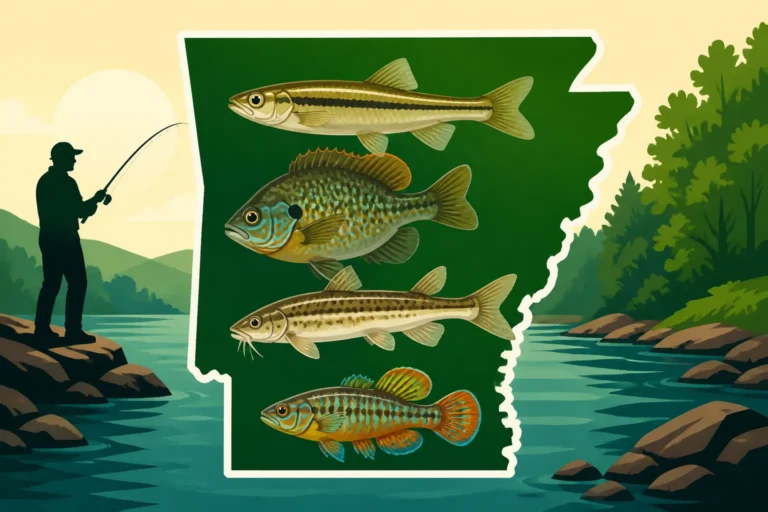
While bass, crappie, and catfish dominate the game fish scene, Arkansas's timber-filled refuge lakes are teeming with a variety of other species that contribute to the rich ecosystem and offer diverse angling opportunities. These fish often serve as crucial forage for the larger predators, but many also provide fantastic sport and table fare in their own right.
Bluegill and Other Sunfish
Bluegill and their sunfish cousins (like redear sunfish and green sunfish) are incredibly abundant in timber-filled refuge lakes. They absolutely love the protection and food sources that woody cover provides. You'll find them schooling around submerged logs, under lily pads, and nestled into brush piles, especially in shallower waters. These panfish are a vital part of the food web, serving as a primary food source for largemouth bass and even some catfish. For anglers, they offer consistent action and are often the perfect target for introducing kids to fishing. Bluegill and Panfish Guide for Arkansas Anglers offers a great overview of these spirited little fish.
Catching bluegill and other sunfish in these timbered environments is usually straightforward, making them excellent targets for light tackle. Small worms, crickets, or bits of corn fished under a bobber near timber are incredibly effective. You can also use tiny jigs or poppers if you're fly fishing. While they don't grow to trophy sizes, their aggressive bites and feisty fights on ultralight gear make them a joy to catch. Finding a dense school of bluegill can lead to non-stop action, and they are famously good eating, making them a popular choice to take home for a fish fry. Just be mindful of the smaller ones if you're keeping a meal, and practice selective harvesting to maintain healthy populations.
Chain Pickerel: The Hidden Ambush Hunter
The chain pickerel is a lesser-known but equally fascinating predatory fish found in many of Arkansas's timbered lakes, particularly those with dense aquatic vegetation mixed in with the woody cover. Often mistaken for northern pike (which are not native to Arkansas), pickerel are long, slender fish with duck-bill snouts and sharp teeth, and they are supreme ambush predators. They typically lurk in the thickest cover, often perfectly camouflaged among submerged logs or weeds, waiting to dart out and strike unsuspecting baitfish, frogs, or even smaller panfish. Their presence indicates a healthy ecosystem with plenty of forage.
Fishing for chain pickerel can be a thrill, as they hit lures with surprising ferocity. They are often caught incidentally by bass anglers, but if you specifically target them, focus on casting spinnerbaits, spoons, or jerkbaits that imitate their prey. Work these lures along the edges of heavy cover, through pockets in the weeds, or over submerged timber. Be prepared for a violent strike and a spirited fight, as these fish are incredibly athletic. Due to their sharp teeth, a leader is highly recommended to prevent bite-offs, and a pair of pliers for unhooking is absolutely essential to protect both yourself and the fish. While they might not be as universally popular for the table as crappie or bass, they offer a unique challenge and an exciting encounter in these dense, woody environments.
Understanding the Unique Challenges of Timber Lakes
Fishing in timber-filled refuge lakes, while incredibly rewarding, comes with a unique set of challenges that can test the patience and skill of even the most seasoned angler. These aren't your open-water casting scenarios; navigating these environments requires a different mindset and specific strategies to minimize frustration and maximize success.
Navigating the Obstacles and Hazards
The most immediate and obvious challenge in timber lakes is the sheer physical presence of all that wood. Visible obstacles like standing cypress trees, stumps, and massive logjams can make boat navigation treacherous. Hidden dangers lurk beneath the surface: submerged logs, brush piles, and root systems that can snag your trolling motor, damage your prop, or even put a hole in your hull if you're not careful. This necessitates slow speeds, constant vigilance, and often, relying on a shallow-running boat or even a kayak. When fishing from the bank, you're limited to areas accessible between trees, making longer casts or careful wading crucial.
Beyond the physical risks to your equipment, the dense cover creates tactical challenges. Casting accuracy becomes paramount; straying even a foot or two from your target can mean an immediate snag. When you hook a fish, it will instinctively bolt back into the densest part of the cover, often wrapping your line around a stump or a log. This requires quick reflexes, heavy-duty gear, and a strong will to wrestle the fish out. It's not a place for finesse fishing with light line if you're targeting larger game fish. Even getting to the best spots often means winding through narrow channels or shallow flats riddled with hidden timber, forcing you to constantly evaluate your approach.
Tackle Loss and Snags: The Inevitable Frustration
Let's be realistic: fishing timber-filled refuge lakes means you will lose tackle. It's not a matter of if, but when. Jigs, crankbaits, spinnerbaits, and even Texas-rigged plastics can easily become hopelessly wedged in submerged wood. This can be incredibly frustrating, especially when you're on a hot bite or using expensive lures. Many anglers get disheartened by the constant re-tying and the dwindling supply in their tackle box. It's a significant barrier for many who prefer more open-water fishing.
To mitigate tackle loss, many experienced timber anglers turn to weedless presentations and specialized gear. For example, weedless hooks for soft plastics, or jigs with stout brush guards, are essential. Some even use lure retrievers or telescoping poles to try and free snagged lures. It's also wise to buy your tackle in bulk for these trips. Consider checking out online retailers like Amazon for bulk packs of hooks, weights, and soft plastics, which can soften the blow of losing several in a single outing. Choosing cheaper, yet effective, baits that you don't mind sacrificing can also help. Embracing the inevitability of snags, rather than fighting it, is a key mental shift for successful timber fishing.
Locating the Fish in a Vast Forest
Finding the fish in a lake that's essentially one giant underwater forest can feel like searching for a needle in a haystack. Unlike open water where fish might relate to distinct drop-offs or humps, in timber, potential holding spots are everywhere. The sheer volume of cover can be overwhelming, making it difficult to pinpoint where fish are actively feeding or resting. This challenge is amplified by the often turbid water in these refuge lakes, which can make visual fish spotting or even using standard sonar more difficult.
Successful anglers in timber lakes develop an eye for subtle indicators and learn to "read" the water and the timber. They look for specific types of cover: a unique logjam with a deep pocket, a clump of standing timber that offers more shade, or the presence of a current seam around a structure. Electronics, particularly side-imaging and down-imaging sonar, can be incredibly helpful for peering into the dense cover and identifying submerged brush piles or schools of baitfish holding tight to wood. However, even with advanced electronics, it often comes down to covering water efficiently, making precise casts to likely areas, and paying close attention to any bites or signs of fish activity. Sometimes, the most isolated piece of timber, or a subtle variation in the density of the wood, can be the key to unlocking a hot bite.
Best Strategies for Fishing Timber-Filled Refuge Lakes
Conquering the timber lakes of Arkansas isn't about brute force; it's about smart strategy, precise execution, and having the right tools for the job. Once you understand the challenges, you can adapt your approach to make these complex environments work for you, leading to some of the most exciting fishing experiences you can have.
Targeting Structure with Precision
In timber lakes, "structure" isn't just a general term; it's everywhere, and the key is to fish it with extreme precision. You're not just casting at the timber; you're often trying to place a lure in a specific pocket, alongside a particular stump, or directly into a small opening within a logjam. This demands accurate casting, often using techniques like flipping and pitching, which allow for quiet, controlled presentations at close range. For instance, bass will often be found right up against the bark of a submerged tree, so your lure needs to land silently and naturally in that tight zone.
Furthermore, consider the type of structure. Is it vertical standing timber? Then vertical jigging for crappie becomes highly effective. Is it a dense laydown? That screams Texas-rigged soft plastics for bass. Is it a deep brush pile? That's perfect for a Carolina rig or a heavy jig for catfish. Pay attention to changes in the timber, too. A gap in a logjam, a point where a creek channel intersects a timbered flat, or an isolated stump away from the main cluster can be honey holes. These unique pieces of cover often attract fish that are less pressured and more willing to bite. Remembering these subtle differences can make a huge difference in your success. You might also want to consult resources like Fishing Spots in the White River National Wildlife Refuge for area-specific insights.
Bait and Lure Choices for Timber Success
The lures and baits you choose for timber fishing need to be effective at attracting fish while also being as snag-resistant as possible. This often means sacrificing some action for weedless design. For bass, jigs with stout weed guards, Texas-rigged creature baits or worms, and sometimes even heavy-duty spinnerbaits with tandem blades are excellent choices. Weight is crucial; you often need enough weight to get through the canopy of branches to the fish below. For crappie, small tube jigs, soft plastic grubs, or live minnows fished on a single, light wire hook directly above or within a brush pile are incredibly effective. For catfish, heavy Kahle or circle hooks with cut bait or live sunfish on a strong, anti-snag leader are ideal.
| Species | Preferred Timber Location | Common Baits / Lures | Snag Resistance Tip |
|---|---|---|---|
| Largemouth Bass | Logjams, fallen trees, standing cypress | Jigs with weed guards, Texas-rigged plastics | Use heavy line, snell knot for hooks |
| Crappie | Vertical standing timber, brush piles | Small tube jigs, live minnows, soft plastic grubs | Vertically jig to avoid horizontal snags |
| Catfish | Deep holes near timber, dense laydowns | Cut bait, chicken liver, live sunfish | Use heavy-duty circle hooks, slip sinkers |
| Bluegill/Sunfish | Shallow brush, lily pad edges, submerged logs | Small worms, crickets, tiny jigs | Fish under a bobber with minimal weight |
| Chain Pickerel | Dense weeds, edges of logjams, lily pads | Spinnerbaits, spoons, jerkbaits | Use a wire leader; retrieve quickly |
When purchasing your baits and lures, it's wise to stock up, knowing you'll lose a few. Buying soft plastics in bulk from places like Amazon can save you money in the long run. Also, consider specialized tools like heavy-duty line cutters, strong pliers, and a good lure retriever. The right gear, combined with the right baits, makes all the difference. For more ideas on what to use, check out Best Bait for Arkansas Crappie or Best Bait and Lures for Arkansas Bass.
Retrieval Techniques to Avoid Snags
Beyond choosing the right lures, how you retrieve them is paramount to minimizing snags in timber. This often involves slower retrieves, maintaining constant contact with your lure, and using techniques that help your bait "crawl" over or through obstacles rather than getting hung up. For jigs and Texas rigs, a slow drag-and-pause retrieve, allowing the bait to feel its way over branches, is often best. When you feel a slight tick or bump, it might be a fish, or it might be wood – setting the hook on both is often the strategy. If it's wood, a gentle pop or slack-line shake can sometimes free it.
For spinnerbaits or crankbaits that are designed to deflect off cover, retrieve them just fast enough to keep them running true, and if you feel them hit wood, give a slight twitch or pause to let them "bounce" off the obstacle. This erratic movement often triggers a strike. Remember, many species in timber are ambush predators; they expect their prey to be moving through their territory, often bumping into things. Therefore, a lure that occasionally contacts the timber can actually be more effective than one that narrowly avoids it every time. Mastering these retrieval nuances is a skill that comes with practice, but it's essential for consistent success in Arkansas's timber-filled refuge lakes.
Conservation and Responsible Angling in Refuge Lakes
Fishing in timber-filled refuge lakes is not just about catching fish; it's also about being a responsible steward of these unique and often sensitive environments. Conservation practices and ethical angling ensure that these productive waters remain healthy and accessible for future generations of anglers.
Catch and Release Practices
While some species like crappie and bluegill are excellent table fare, and keeping a meal is part of the joy of fishing, adopting sound catch and release practices is particularly important in refuge lakes. These areas can experience significant fishing pressure due to their productivity, and thoughtful release helps maintain healthy fish populations. If you're targeting larger trophy bass or specific size-limited fish, practicing immediate and careful release is crucial.
When releasing fish, minimize handling time, especially when they are out of the water. Use wet hands to avoid removing their protective slime layer. If a fish is deeply hooked, especially in the gills, it's often better to cut the line as close to the hook as possible rather than trying to remove the hook, which can cause more damage. De-hooking tools can be a great investment for quick and safe releases. For species like largemouth bass, support their entire body weight, especially if they are large, to avoid damaging their jaw. Understanding the local regulations regarding New Possession Limit Rule for Arkansas Anglers or even statewide rules is always critical.
Minimizing Environmental Impact
Anglers have a responsibility to minimize their environmental footprint in these refuge lakes. The very timber that makes these lakes so productive can be easily damaged, and litter can be detrimental to both wildlife and other anglers. Always pack out everything you pack in, including fishing line, lure packaging, and any other trash. Snagged fishing line, particularly monofilament, can be a death trap for birds and other wildlife. If you lose a lure, make a reasonable attempt to retrieve it, and if it's impossible, try to avoid adding to the problem.
Beyond litter, be mindful of your boat's impact. Running at high speeds in shallow, timbered areas can disturb fish, erode shorelines, and stir up sediment. Keep your wake to a minimum near banks and other anglers. If you're wading, try to move carefully to avoid disturbing spawning beds or sensitive aquatic vegetation. These refuge lakes are often home to diverse wildlife, from waterfowl to reptiles, so observe them from a respectful distance and avoid disturbing their natural habitats. Being a considerate and environmentally conscious angler contributes to the long-term health and enjoyment of Arkansas's unique timber-filled waters.
Disclaimer
This article is for general informational purposes only and does not constitute professional advice. Laws, prices and regulations vary by location and change over time. Consult a qualified professional for guidance on your specific situation.