Average Cost of a Fishing Guide in Arkansas
One of the most common questions I hear from folks planning an Arkansas fishing trip is, "How much does a guided trip actually cost?" It's a valid concern, because while a guide can absolutely elevate your experience from good to unforgettable, you don't want any surprises when it comes to your budget. This guide is going to walk you through the various factors that influence fishing guide prices in Arkansas, giving you a clear picture of what to expect so you can plan your perfect adventure without a hitch.
Understanding the Factors That Influence Fishing Guide Costs in Arkansas
Let's be real: there isn't one single "average" cost for a fishing guide in Arkansas. It's more like a spectrum, influenced by a handful of key factors that every angler should understand before they even pick up the phone. Think of it like booking a vacation – a quick weekend getaway is going to cost a lot less than an all-inclusive, week-long luxury retreat. Fishing guides operate similarly, with different services and experiences commanding different price points.
Trip Duration and Type
This is probably the biggest factor in determining the overall cost. Are you looking for a quick half-day outing, or do you want to spend the entire day on the water, soaking up the sun and reeling in fish? A shorter trip, typically around four hours, is often the most budget-friendly option and a fantastic way to get a taste of guided fishing, especially if you're new to the area or trying out a new technique. Longer trips, usually six to eight hours, naturally involve a greater investment but give you more time to explore different spots, try various methods, and really settle into the rhythm of the day.
Beyond just the length, the type of trip also plays a huge role. Are you chasing trophy trout on the famed White River, perhaps even trying your hand at fly-fishing? Or are you targeting a specific species like striped bass on Norfork Lake or crappie on Lake Ouachita? Specialized trips, like those focused on particular techniques or record-breaking fish, might have a different pricing structure. For instance, a dedicated fly-fishing excursion often requires specialized gear and expertise, which can impact the cost compared to a conventional spin-fishing trip. It's all about what you're hoping to achieve on the water.
Number of Anglers in Your Party
Most fishing guides price their trips based on a certain number of anglers, typically one or two. If you have more people in your group, expect the price to increase. This isn't just about fitting more folks into a boat; it's about the guide's time, effort, and the resources required to ensure everyone has a quality experience. More anglers mean more rods to rig, more tangles to untangle, and more individual attention to go around.
If you're planning a trip with a larger family or a group of friends, it's crucial to be upfront about your party size when inquiring about prices. Some guides have boats that can comfortably accommodate more anglers, while others might be limited to smaller groups for safety and comfort. Don't be shy about asking about their policies for additional anglers; they're usually quite transparent. Sometimes, a guide might even recommend booking two boats with two different guides if your group is exceptionally large, ensuring everyone gets the attention they need. This is a common practice, and platforms like FishingBooker often allow you to specify your group size when searching for available guides, helping you narrow down suitable options. You can learn more about how guides structure their rates by looking into Group Size and Pricing for Arkansas Charter Trips.
Guide Experience and Reputation
Just like in any profession, experience and reputation matter a lot in the world of fishing guides. A guide who has spent decades on the local waters, knows every secret honey hole, and consistently puts clients on fish often commands a higher price. This isn't just about their fishing prowess, though that's certainly a huge part of it. It's also about their professionalism, their safety record, their teaching ability, and their commitment to providing an exceptional client experience.
Think about it: you're paying for their hard-earned knowledge, their ability to adapt to changing conditions, and their dedication to making your trip a success. Newer guides, or those still building their client base, might offer more competitive rates. While these guides can certainly provide a great trip, a seasoned veteran often brings an invaluable level of insight and a higher probability of consistent success, especially when targeting challenging species or fishing under tough conditions. When you're searching, don't just look at the price tag; consider reading reviews and looking at the guide's history. Sometimes, paying a bit more for a highly-rated, experienced guide is a wise investment that truly pays off with a memorable day on the water.
The "Shape" of Guide Trip Costs: What to Expect
Since we can't talk specific dollar amounts, let's talk about the general framework of what you'll encounter when looking at fishing guide prices in Arkansas. Understanding this "shape" will help you budget effectively and choose the right trip for your needs and wallet. It's about recognizing the value proposition and knowing what typically comes with different levels of investment.
Half-Day vs. Full-Day Adventures
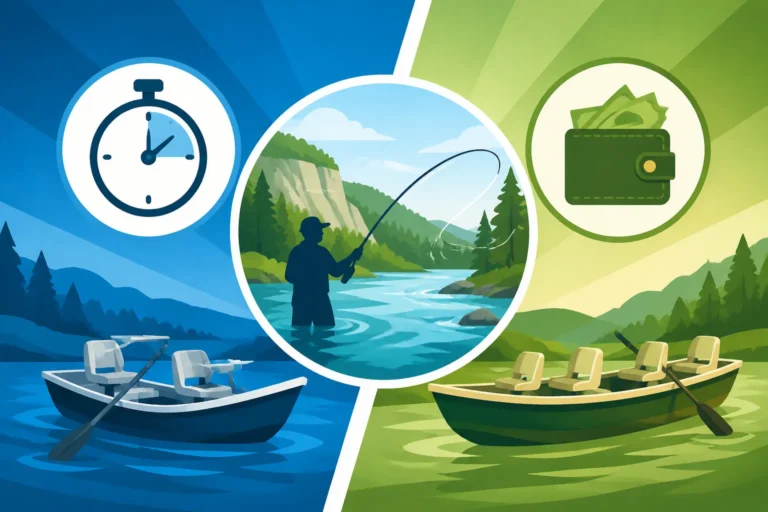
As mentioned, the duration of your trip is a primary cost driver. A half-day trip is often the entry point for guided fishing, offering a more modest investment. These trips are fantastic for beginners, families with younger children, or anyone who wants a solid few hours on the water without committing to an entire day. You'll generally get a good overview of the local fishery, learn some basic techniques, and hopefully land some fish.
Full-day trips, on the other hand, represent a more significant investment. But with that higher cost comes a wealth of benefits. You'll have more time to cover different types of water, try various baits and lures, and target multiple species. A full day allows for a more relaxed pace, often including a lunch break, and gives you ample opportunity to learn from your guide. For serious anglers or those looking for a truly immersive experience, a full-day trip is often the preferred choice. It's also where you have the best chance to hunt for those trophy fish that require patience and persistence. If you're wondering if the extra time is worth it, consider what you want out of your day. Are you just looking to get a line wet, or do you want to master a new technique or chase a specific record?
| Trip Type | Typical Duration | General Cost Implication | Ideal For |
|---|---|---|---|
| Half-Day | 4-5 hours | More budget-friendly | Beginners, families, tight schedules, trying new waters |
| Full-Day | 6-8 hours | Moderate to higher investment | Serious anglers, trophy hunts, immersive learning, diverse fishing |
| Specialized | Varies (e.g., 8-10 hrs) | Potentially highest investment | Specific species (e.g., trophy striper), advanced techniques (e.g., fly-fishing clinics), multi-day trips |
Specialized Trips and Their Pricing
Beyond the standard half-day or full-day options, many guides offer specialized trips that cater to specific interests, and these can come with their own pricing considerations. For example, a dedicated trophy trout trip on the White River, where the guide is focused solely on helping you land a truly massive brown or rainbow, might have a different rate than a general trout outing. These trips often involve more advanced techniques, specific gear, and a greater time commitment from the guide, sometimes even requiring scouting trips beforehand.
Similarly, if you're looking for a unique experience like a night fishing trip for catfish or striped bass, or a dedicated fly-fishing lesson that includes casting instruction on the water, the cost structure might reflect that added specialization. These trips offer incredible value if they align with your specific goals, but they typically sit on the higher end of the pricing spectrum due to the unique demands and expertise involved. When comparing options, always confirm if any "specialty" pricing applies to the type of fishing you're envisioning. For information on trout specifics, you might find our guide on White River Fishing Guides: Arkansas's Trout Fishing Capital insightful.
What's Usually Included (and What's Not)
It's absolutely critical to understand what's included in the guide's stated price. Most reputable guides will include:
- Boat and Fuel: This is a given, as it's their primary tool.
- Rods, Reels, and Tackle: They'll provide all the necessary fishing gear, often high-quality equipment perfectly suited for the target species.
- Bait and Lures: Live bait, artificial lures, flies – whatever is needed for the day's fishing.
- Expert Instruction: This is what you're really paying for! Their knowledge of the water, fish behavior, and techniques.
- Safety Equipment: Life jackets, first-aid kit, etc.
However, there are several things that are almost never included in the base price, and it's essential to budget for these:
- Fishing License: You are always responsible for purchasing your own Arkansas fishing license. This is a non-negotiable requirement. Before your trip, make sure you understand Arkansas Fishing License Rules and Costs.
- Trout Permit: If you're fishing for trout in designated waters, you'll need an additional trout permit on top of your general fishing license. Always double-check if your chosen guide operates in trout waters.
- Food and Drinks: While some guides might offer water, it's best to bring your own snacks, drinks, and a packed lunch, especially on a full-day trip.
- Rain Gear/Appropriate Clothing: Your comfort is your responsibility! Check the weather and dress accordingly. We've got a great resource on What to Bring on a Guided Arkansas Fishing Trip.
- Sunscreen, Hat, Sunglasses: Essentials for a day on the water.
- Fish Cleaning: Some guides will clean your catch for a small extra fee, while others might not offer the service at all. Always ask upfront if this is important to you.
- Gratuity (Tip): This is a huge one, and we'll cover it in more detail, but tipping your guide is customary and expected.
Always clarify with your guide exactly what's provided to avoid any surprises on the day of your trip.
How to Budget for Your Arkansas Fishing Guide Trip
Budgeting for a guided fishing trip is more than just looking at the base price. It involves a bit of research, understanding your priorities, and accounting for all the little extras that can add up. Being prepared will help you have a stress-free and enjoyable experience.
Researching and Comparing Options
When you're ready to start looking, don't just jump on the first guide you find. Take some time to compare. There are many excellent guides in Arkansas, from the world-class trout streams of the White and Little Red Rivers to the vast lakes like Ouachita, Norfork, and Bull Shoals. Each region, and often each guide, will have slightly different pricing and specialties.
Online platforms are incredibly helpful here. Websites like FishingBooker are a fantastic resource, allowing you to browse multiple guides, compare their trip offerings, read client reviews, and get a general idea of the price ranges for various durations and locations. These platforms often provide detailed descriptions of what's included, photos, and even a direct way to inquire about availability and specific costs. When you're using these sites, pay close attention to the details in the trip descriptions. Does the guide specialize in fly-fishing or spin-fishing? Are they known for bass or trout? This will help ensure you're comparing apples to apples. Another useful read is How to Book a Fishing Guide in Arkansas.
It's also a good idea to call or email a few different guides directly, especially after you've narrowed down your choices. This gives you a chance to ask specific questions, gauge their personality, and clarify any uncertainties about pricing or what's included. Often, a personal conversation can tell you a lot about whether a guide is the right fit for your group and your fishing goals. Don't be afraid to be open about your budget and what you hope to achieve; a good guide will work with you to find the best possible experience within your parameters.
Accounting for Additional Expenses (Tips, Licenses, etc.)
Remember that base price we discussed? Well, it's just that – a base. To get a realistic sense of your total cost, you must factor in additional expenses.
First and foremost is your Arkansas fishing license and any necessary trout permits. These are a legal requirement for almost everyone fishing in Arkansas, with some age-based exemptions for very young children. You can purchase these online through the Arkansas Game and Fish Commission website, at most sporting goods stores like Walmart or Academy Sports + Outdoors, or sometimes even at the local bait shop near your fishing destination. Do this before your trip, not on the morning you're supposed to be on the water. Trust me, nobody wants to start their fishing day with a mad dash to buy a license! We have a whole article dedicated to Arkansas Fishing License Requirements for Guided Trips to help you sort this out.
The second major "extra" is tipping your guide. This is standard practice in the guiding industry and is a way to show appreciation for their hard work, knowledge, and service. A typical tip for a fishing guide ranges from 15% to 20% of the trip's total cost. If your guide went above and beyond, putting you on fish, making the day enjoyable, and handling everything with professionalism, a more generous tip is always welcome and deserved. If you're wondering how to navigate this, we've got an in-depth guide on Tipping Your Fishing Guide in Arkansas.
Beyond licenses and tips, don't forget personal items. Packing a cooler with your own drinks and snacks, especially for a full-day trip, can save you money compared to stopping at a convenience store. Consider any specific clothing or gear you might need, like polarized sunglasses or a waterproof jacket. While guides provide the fishing gear, you're responsible for your personal comfort items. These small costs add up, so factor them into your overall budget.
Getting the Best Value for Your Guided Fishing Experience
Hiring a fishing guide is an investment in an experience, often one that creates lasting memories. To ensure you're getting the most bang for your buck, a little strategic planning and clear communication go a long way. It's not always about finding the absolute cheapest trip; it's about finding the right trip that delivers the value you're seeking.
Planning Ahead and Booking Smart
The early bird definitely gets the worm, or in this case, the prime fishing dates with the best guides! Popular seasons and weekends, especially around holidays or during peak fishing times like the spring bass spawn or fall trout run, book up very quickly. Planning your trip well in advance – think several months out for peak times – gives you the best selection of guides and dates. This also often helps you avoid any last-minute "rush" fees or limited options that might be more expensive.
When you're ready to book, many guides require a deposit to secure your date. Understand their cancellation policy upfront. Life happens, and sometimes plans change. Knowing whether a deposit is refundable or transferable if you have to reschedule can save you headaches and money down the line. Platforms like FishingBooker often clearly outline these policies, making it easier to compare before committing. Don't be afraid to ask about contingencies for bad weather, either. A professional guide will have a plan for rescheduling or adjusting your trip if conditions make fishing unsafe or unproductive.
Asking the Right Questions
This is your trip, and you have every right to feel confident and informed! Before you book, prepare a list of questions to ask your potential guide. This isn't just about price; it's about ensuring a good fit and a successful day. Some questions to consider:
- "What species are typically biting during my planned dates, and what's your strategy for targeting them?" This helps manage expectations.
- "What's your typical itinerary for a half-day/full-day trip?" You'll know what to expect in terms of timing and locations.
- "Do you provide drinks or snacks, or should I bring my own?"
- "What kind of boat do you use, and how many people can it comfortably accommodate?"
- "What's your policy if the weather turns bad?"
- "Is fish cleaning included, or is there an extra charge?"
- "Do you have a catch-and-release preference or policy for certain species?"
- "What's the best way to purchase my fishing license and trout permit before the trip?"
A good guide will be happy to answer all your questions thoroughly and patiently. This open communication builds trust and ensures that both you and the guide are on the same page for a fantastic day on the water. Check out Questions to Ask Before Hiring an Arkansas Fishing Guide for an even more comprehensive list.
Ultimately, the average cost of a fishing guide in Arkansas reflects the depth of their expertise, the quality of the experience they provide, and the comprehensive service they offer. By understanding these dynamics and planning thoughtfully, you can secure an incredible fishing adventure that's well worth the investment.
Disclaimer
This article is for general informational purposes only and does not constitute professional advice. Laws, prices and regulations vary by location and change over time. Consult a qualified professional for guidance on your specific situation.