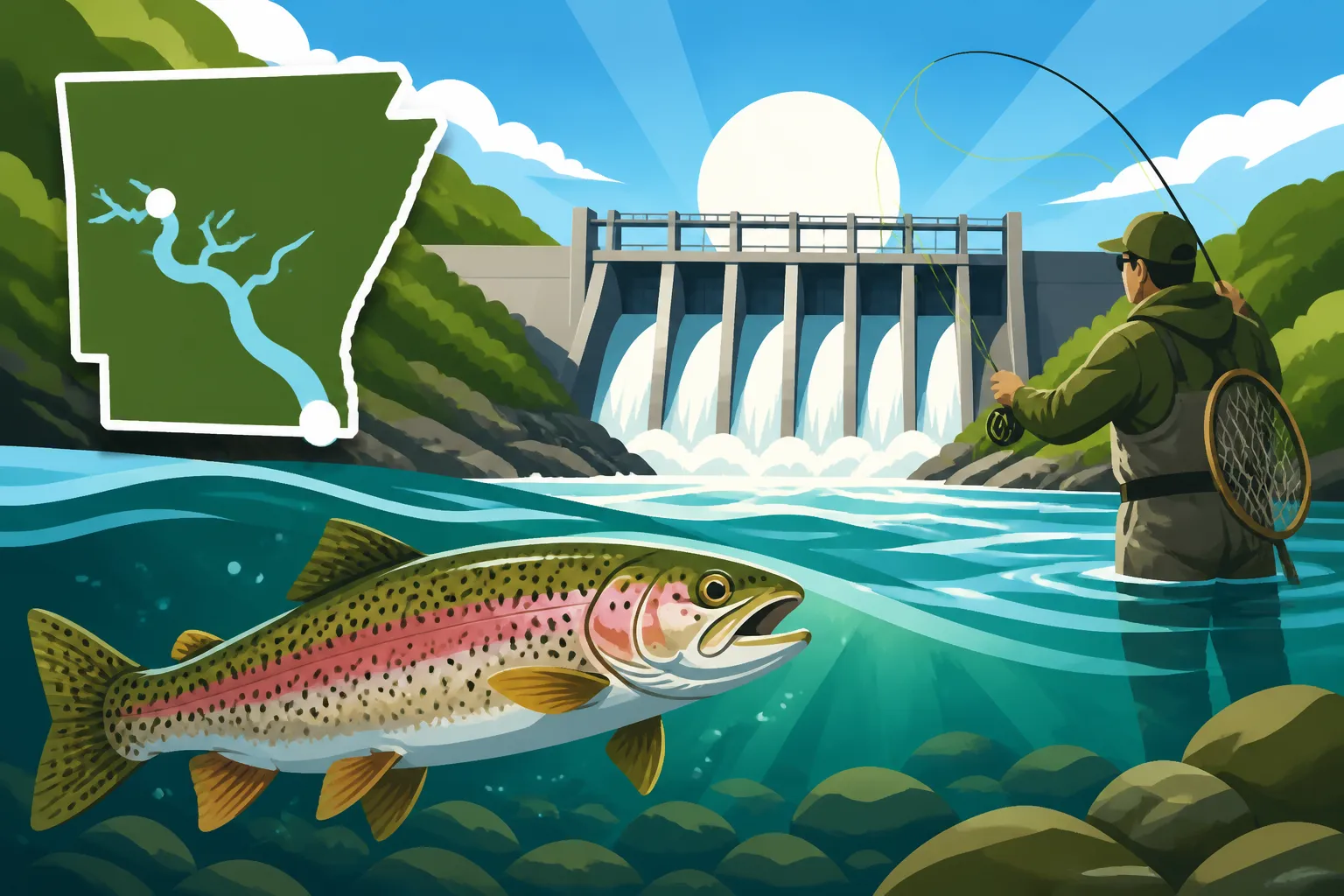
Bull Shoals tailwater trout rules from the dam to Norfork Access
Fishing the famous White River below Bull Shoals Dam can be an absolute dream, a chance to hook into some truly incredible trout. But let's be honest, trying to decipher the specific regulations for each stretch of river can feel like trying to untangle a bird's nest of fishing line. It's frustrating when you just want to enjoy your time on the water, but you're worried about unknowingly breaking a rule. This comprehensive guide is designed to cut through that confusion, specifically detailing the trout rules for the White River from the Bull Shoals Dam all the way down to the Norfork Access point, ensuring you can cast with confidence.
Understanding the Specific White River Zone
The White River in Arkansas is a diverse and dynamic fishery, and because of that, the Arkansas Game and Fish Commission (AGFC) has implemented specific regulations for different sections to manage its precious trout populations effectively. What applies to one section might not apply to another, and this particular stretch from the Bull Shoals Dam down to the Norfork Access point is a prime example of a distinct management area. It’s not just any part of the White River; it’s a specific corridor that attracts anglers from all over for its consistent trout fishing opportunities.
This zone is incredibly popular for good reason. The cold, oxygen-rich water released from the bottom of Bull Shoals Lake through the dam creates an ideal habitat for all four species of trout found in Arkansas: rainbow, brown, cutthroat, and brook trout. The river here can range from calm, flowing pools to swift currents, offering a variety of fishing conditions. However, with great fishing comes great responsibility, and understanding the nuances of these regulations is paramount to a successful and legal outing. Anglers who frequently visit the area often carry a small, waterproof printout of the current AGFC regulations, or have the official app handy on their phone, just to be sure. It's a small step that saves a lot of potential headaches and ensures you're protecting this incredible resource.
Why This Specific Stretch Matters
You might wonder why this particular 11-mile stretch from the Bull Shoals Dam to the Norfork Access point has its own set of rules. Well, it boils down to the exceptional productivity and unique characteristics of this part of the river. The dam releases provide a steady flow and temperature that create a perfect year-round environment for trout to thrive, grow large, and even reproduce naturally in some areas, especially for brown trout. The AGFC carefully monitors these populations and tailors regulations to support both healthy fish stocks and sustainable angler harvest. This isn't just about limiting your catch; it's about preserving a world-class fishery for future generations.
Furthermore, the accessibility of this section makes it a high-traffic area. Multiple public access points, boat ramps, and guiding services operate within this zone. This concentrated activity necessitates clear and specific guidelines to prevent overfishing and maintain the ecological balance. It's a delicate ecosystem, and every angler plays a part in its stewardship. Knowing these specific rules shows respect for the fish, the river, and the collective angling community that cherishes this amazing part of Arkansas. When you're out there, you'll see many dedicated anglers practicing catch-and-release, often using single, barbless hooks, even when not explicitly required by regulation, because they understand the value of a healthy river.
The Role of a Trout Permit
Before you even think about casting a line in this or any other designated trout water in Arkansas, you absolutely must ensure you have the proper licensing. Beyond your general Arkansas Fishing License Rules and Costs, if you intend to keep any trout, you’ll need an additional trout permit. This isn't just a suggestion; it's a legal requirement. Think of it as a special endorsement that supports the very programs that stock and manage these fantastic trout fisheries.
The revenue generated from these trout permits goes directly back into conservation efforts, hatchery operations, and habitat improvement projects that directly benefit the fish you're targeting. So, while it's an extra step and cost, it's a vital contribution to keeping the White River's trout fishery in top shape. You can easily purchase your trout permit online, through the AGFC app, or at most sporting goods stores across the state. Don't risk a fine for something so easily acquired. Make sure you understand all of the Arkansas Trout Permit Rules before your trip! It's better to be prepared than to face the Arkansas Fishing License Penalties and Requirements for non-compliance. You can even find essential items like a waterproof wallet for your license on Amazon if you're looking for a convenient way to keep everything dry.
Daily Limits and Aggregate Harvests
When you're fishing the White River from the Bull Shoals Dam to the Norfork Access, the daily creel limit for trout is 5 fish, aggregate. This "aggregate" part is really important and often where folks get tripped up. It means that regardless of the species – rainbow, brown, cutthroat, or brook trout – you can only keep a total of five fish combined per day from this specific zone. It's not five rainbow trout and five brown trout; it's five total trout. This rule is designed to ensure a sustainable harvest across all trout species present in the river.
Imagine you're having an incredible day, and you've already landed three beautiful rainbow trout and two feisty brown trout. At that point, you've hit your daily aggregate limit of five. Even if you then hook into another monster cutthroat, you would need to release it immediately, unharmed. This rule helps prevent excessive pressure on any single species, especially the less numerous ones like cutthroat or brook trout. It promotes a balanced approach to harvest and encourages anglers to appreciate the diversity of the trout fishery without depleting specific stocks.
Understanding the "Aggregate" Concept
Let's break down the "aggregate" limit a bit further with a real-world scenario. Suppose you're out on the White River, enjoying the crisp air and the sound of the water. You catch:
- 2 Rainbow Trout
- 2 Brown Trout
- 1 Cutthroat Trout
In this situation, you've reached your daily aggregate limit of 5 trout. Any subsequent trout you catch, regardless of species, must be released. It's a straightforward rule once you understand it, but it requires anglers to be mindful of their catch throughout the day. It also means you might need to make decisions about which fish to keep if you're aiming for a mixed bag. For instance, if you've already kept five smaller rainbow trout but then hook into a larger brown trout you'd prefer to take home, you would have to release one of your previously kept rainbow trout to stay within the five-fish limit.
This emphasis on aggregate limits reinforces the idea that all trout in this ecosystem are valuable. It’s not just about the big ones, but about maintaining healthy numbers of all species. Many guides who work this section, like those found when exploring White River Fishing Guides: Arkansas's Trout Fishing Capital, are experts at explaining these rules in real-time, helping clients stay compliant while still enjoying a productive fishing trip. Having a good understanding of this rule before you even launch your boat or wade into the river will prevent any surprises or potential violations.
What Counts Towards Your Limit
Only trout that you legally possess and intend to keep count towards your daily aggregate limit. If you're practicing catch-and-release, those fish do not count against your limit, provided they are released immediately and unharmed. This is a critical distinction, as many anglers enjoy the thrill of catching and releasing numerous fish throughout the day. However, once a fish is placed on a stringer, in a livewell, or in a cooler with the intent to keep, it becomes part of your possession and counts toward that 5-fish daily aggregate limit.
It's also important to remember that these limits apply per person. If you're fishing with a group, each licensed angler has their own 5-trout aggregate limit. This allows for a reasonable collective harvest for families or friends fishing together. Just be sure that each individual angler can account for their own catch if questioned by a game warden. Transparency and compliance are key. Stocking up on essential gear like durable coolers or stringers, often available on Amazon, can help manage your catch effectively and safely if you plan to keep fish. This way, you can clearly separate what you intend to keep versus what you release, avoiding any accidental over-possession.
Navigating Length Limits for Different Trout Species
While the daily aggregate limit of five trout applies to all species combined, there are very specific length limits that apply to certain species within this Bull Shoals Dam to Norfork Access stretch of the White River. These length limits are put in place to protect specific age classes of fish, particularly larger, breeding-size brown and cutthroat trout, ensuring they have the opportunity to mature and contribute to future generations. Failing to adhere to these length limits can result in penalties, even if you’re under your daily aggregate number.
It’s crucial to have a reliable measuring device with you, like a rigid bump board or a flexible tape measure, easily found at most tackle shops or online. Don't just eyeball it; a few inches can make all the difference between a legal catch and a violation. Always measure fish quickly and carefully, minimizing their time out of the water, especially if you intend to release them. Being meticulous here not only keeps you compliant but also shows respect for the fish you're pursuing.
Brown Trout Specific Regulations
Brown trout are a highly prized species in the White River, known for their elusive nature and powerful fights. They also have special regulations in this section to foster a trophy fishery. For brown trout caught between the Bull Shoals Dam and the Norfork Access, here’s the rule:
- All brown trout between 24 and 30 inches in length must be immediately released.
- You may keep one brown trout per day that is over 30 inches in length.
This creates a "slot limit" where fish within a certain size range (24-30 inches) are protected, allowing them to grow into true trophy class fish. Imagine catching a brown trout that measures 26 inches – the excitement is immense, but the regulation clearly states it must go back. This means those 24-inch to 30-inch fish are the future giants of the White River. Releasing them contributes directly to the potential for you or another angler to catch a 30-plus-inch fish down the line. It's a testament to the AGFC's commitment to creating a world-class brown trout fishery. Many anglers target these fish specifically, often using larger lures or flies, and understanding these rules is fundamental to their strategy. If you're specifically going after these big browns, you might want to read more about Brown Trout on the White River and the techniques involved.
Cutthroat Trout Specific Regulations
Cutthroat trout, while less common than rainbows and browns, are another beautiful species that call the White River home. Similar to brown trout, they also have specific length regulations in this zone aimed at protecting their breeding stock and promoting growth:
- All cutthroat trout between 16 and 24 inches in length must be immediately released.
- You may keep one cutthroat trout per day that is over 24 inches in length.
Just like the brown trout slot, this cutthroat rule protects a significant size range, allowing these fish to mature and spawn. If you're lucky enough to hook into a cutthroat trout within that 16-to-24-inch slot, enjoy the fight, snap a quick photo if you like, and then gently send it back to the river to grow larger. It's rare to catch a cutthroat, especially a trophy-sized one, so these regulations are vital for their continued presence in the White River. For those interested in the diverse species here, learning about Arkansas Fish Species: A Complete Guide to What's Swimming in Your Waters can be really helpful.
Rainbow and Brook Trout Rules
For rainbow trout and brook trout in this specific stretch of the White River (Bull Shoals Dam to Norfork Access), the rules are a bit simpler when it comes to length:
- Rainbow Trout: There is no length limit for rainbow trout. You can keep any legal-sized rainbow trout, provided you remain within your 5-trout aggregate daily limit. Rainbow trout are the most common species stocked in the White River, making up the bulk of many anglers' catches. Their aggressive biting tendencies and vibrant colors make them a favorite. You can learn more about Rainbow Trout Fishing Below Bull Shoals Dam to maximize your chances.
- Brook Trout: There is also no length limit for brook trout. Similar to rainbow trout, you can keep any legal-sized brook trout, provided you stay within your 5-trout aggregate daily limit. Brook trout are typically found in colder, cleaner waters and can be a delightful surprise catch. While not as numerous as rainbows or browns in the tailwater, they are certainly present and a beautiful addition to any angler's day.
These more lenient length rules for rainbows and brook trout reflect their population dynamics and management goals within the White River. Rainbows are heavily stocked, so maintaining a slot limit isn't necessary for their population health in the same way it is for the naturally reproducing brown and cutthroat trout. Brook trout are less common, and their natural population numbers allow for a more open harvest. Still, always keep that 5-trout aggregate limit in mind.
Here's a quick summary table for trout limits in the White River (Bull Shoals Dam to Norfork Access):
| Trout Species | Daily Limit (Aggregate) | Length Limit (Keeper) | Special Rules |
|---|---|---|---|
| All Trout | 5 fish aggregate | Total of 5 fish across all species. | |
| Rainbow Trout | Included in aggregate | No length limit | |
| Brown Trout | Included in aggregate | 1 over 30 inches | All brown trout between 24 and 30 inches must be immediately released. |
| Cutthroat Trout | Included in aggregate | 1 over 24 inches | All cutthroat trout between 16 and 24 inches must be immediately released. |
| Brook Trout | Included in aggregate | No length limit |
Responsible Angling and Conservation Practices
Fishing in a world-class fishery like the White River below Bull Shoals Dam comes with a responsibility to practice ethical and conservation-minded angling. Beyond simply adhering to the letter of the law regarding limits and sizes, truly responsible anglers understand that their actions have a direct impact on the health and future of the fishery. This means embracing practices that minimize stress on the fish, especially those intended for release, and respecting the environment around you. It's about being a good steward of nature and ensuring that the incredible fishing opportunities here remain for generations to come.
Many anglers who visit this area are passionate about conservation and will go the extra mile to protect the resource. They might use specific gear or techniques, not because they have to, but because it aligns with their values. It’s a collective effort that truly makes a difference in maintaining the quality of fishing on the White River. This spirit of shared responsibility is part of what makes the Arkansas fishing community so special.
Catch and Release Best Practices
Since many anglers will be releasing fish, whether by choice or by regulation, understanding proper catch and release techniques is vital. A fish that is improperly handled during release has a much lower chance of survival, essentially negating the purpose of the release. Here are some key practices:
- Minimize Fight Time: Use appropriate tackle that allows you to land the fish quickly without completely exhausting it. Overly long fights, especially in warm water (though less common in tailwaters), can be fatal.
- Keep Fish in Water: Whenever possible, unhook fish while they are still in the water. If you must bring them out for a quick photo, do so gently and for the shortest possible duration.
- Wet Your Hands: Always wet your hands thoroughly before touching a fish. Dry hands can remove the fish’s protective slime coat, making it vulnerable to disease.
- Handle Gently: Support the fish horizontally, especially larger ones, by supporting its belly. Avoid holding fish vertically by the jaw or gill plates, which can damage their internal organs or spine.
- Remove Hooks Quickly: Use needle-nose pliers or hemostats to quickly and carefully remove hooks. If a fish is deeply hooked, it's often best to cut the line as close to the hook as possible, as the hook will eventually rust away.
- Revive If Necessary: If a fish appears sluggish or stressed, hold it gently in the water, facing upstream into the current, until it regains its strength and can swim away on its own. Avoid vigorously shaking or tossing the fish back into the water.
- Consider Barbless Hooks: While not explicitly required in this specific White River zone, using barbless hooks (or crimping down barbs on your regular hooks) makes unhooking much easier and less damaging to the fish. Many experienced trout anglers rely on this simple modification. You can find excellent barbless hooks and crimping tools on Amazon, making it easy to prepare your tackle for responsible angling.
Protecting the River Environment
Beyond the fish themselves, responsible angling extends to protecting the entire riverine environment. The White River is a precious natural resource, and keeping it clean and pristine benefits everyone, from anglers to wildlife enthusiasts to local communities. It's heartbreaking to see trash littering such beautiful waters, and it’s something every angler can actively work to prevent.
Always practice "leave no trace" principles. Pack out everything you pack in, including old fishing line, bait containers, and food wrappers. Even small pieces of monofilament line can be incredibly harmful to birds and other wildlife. Dispose of fish carcasses properly – either by taking them home or ensuring they are deep in swift current where they can quickly break down and not become an eyesore. Be mindful of wading impacts; avoid unnecessarily disturbing spawning beds or fragile bankside vegetation.
Also, be courteous to other river users. The White River is enjoyed by floaters, kayakers, birdwatchers, and other anglers. A little respect goes a long way in ensuring everyone has a positive experience. This might mean giving another angler plenty of space, offering a friendly wave, or lending a hand if someone needs assistance. By being mindful of these small actions, we collectively ensure that the White River remains a magnificent place for everyone to enjoy for years to come.
Disclaimer
Please note that fishing regulations can change. While this guide is based on the most current information available, it is always your responsibility to verify the latest regulations directly with the Arkansas Game and Fish Commission (AGFC) before you go fishing. This content is for informational purposes only and should not be considered legal advice.