Arkansas State Park Fishing Spots at Lake Ouachita
Trying to figure out where to cast your line on a massive, beautiful lake like Ouachita can feel overwhelming, especially when you're aiming for prime state park spots. Many anglers struggle to pinpoint the best access, what species are biting, and how to make the most of their visit. This guide breaks down the top fishing spots within Lake Ouachita State Park, helping you plan a successful and memorable outing.
Unveiling Lake Ouachita State Park's Angling Haven
Lake Ouachita, often called Arkansas's "Diamond Lake," is a true jewel in the state, boasting over 40,000 acres of crystal-clear water, pristine shoreline, and more than 200 islands. It's renowned as one of the cleanest lakes in America, making it a dream destination for anglers and outdoor enthusiasts alike. The sheer size and beauty can be a bit daunting when you're trying to decide where to focus your fishing efforts, but the state park offers some fantastic, accessible, and often overlooked opportunities.
The Allure of Lake Ouachita's Waters
What makes Lake Ouachita so special for fishing? Beyond its stunning clarity, the lake is incredibly fertile, supporting a diverse and thriving ecosystem. It's a deep, oligotrophic lake, meaning it has relatively low productivity but incredibly high water quality. This makes it ideal for a variety of game fish, from hard-fighting bass to plentiful crappie and robust catfish. The underwater landscape is a mosaic of old timber, rock beds, steep drop-offs, and submerged humps, providing endless structure for fish to hide and feed. Plus, the constant flow of clear water from the Ouachita River ensures healthy fish populations year after year. It's not just a place to catch fish; it's an experience in itself, surrounded by the natural beauty of the Ouachita National Forest.
Many anglers are drawn to Lake Ouachita because of its reputation for producing trophy-sized fish, especially striped bass. But even if you're not chasing a state record, the consistent action for other species is what keeps people coming back. The lake's vastness also means that even on busy weekends, you can often find a secluded cove or an unpressured stretch of water if you know where to look. Understanding the lake's diverse habitats is key to unlocking its fishing potential, and the state park areas are excellent starting points for exploring these different environments. You can learn more about specific species in our Arkansas Fish Species: A Complete Guide to What's Swimming in Your Waters post.
Primary Access Points and Facilities
Lake Ouachita State Park, located on the eastern shore, provides some of the best and most accessible fishing opportunities on the entire lake. The park is well-equipped with amenities that cater directly to anglers, making it easy to launch a boat, fish from the bank, or relax on a pier. The main park entrance off Highway 270 leads directly to the central marina, boat ramps, and several day-use areas that double as excellent fishing spots. You'll find ample parking, restrooms, and even a store for last-minute supplies or bait.
The marina area is a hub of activity, not just for boaters but for shore anglers too. There are well-maintained docks and concrete walkways that provide easy access to deeper water without needing a boat. For those planning an extended stay, the park offers numerous campsites and cabins, many with direct lake access or within a short walk of prime fishing locations. This combination of convenience and quality fishing makes Lake Ouachita State Park a fantastic base camp for any fishing expedition, whether you're a seasoned pro or bringing the family for a relaxing day on the water.
Prime Shoreline and Pier Fishing within the Park
For many, the thought of fishing involves a boat, but Lake Ouachita State Park offers incredible opportunities for those who prefer to keep their feet on solid ground. Shoreline and pier fishing here aren't just for beginners; they can be incredibly productive, especially during certain times of the year or for specific species.
Fishing from the Main Marina and Day-Use Areas
The main marina at Lake Ouachita State Park is more than just a place to dock your boat; it's a fantastic fishing spot in its own right. The docks themselves provide cover for baitfish, which, in turn, attract larger predatory species like bass and crappie. On a quiet morning, you can often see schools of minnows darting around the pilings, a sure sign that bigger fish are lurking nearby. Anglers frequently cast jigs, small crankbaits, or live minnows around the shaded areas and beneath the boats, often yielding impressive results.
Beyond the marina, the various day-use areas within the park, such as those near the swim beach or picnic grounds, offer numerous stretches of accessible shoreline. These areas often have gentle slopes that allow for easy wading, or rocky banks that provide natural structure. Fishing these areas can be particularly rewarding during the spring and fall when fish are shallower. Smallmouth bass, in particular, love the rocky shorelines. Just remember to be mindful of swimmers and other park visitors, especially during peak season.
Hidden Coves and Secluded Bank Access
While the main areas are convenient, some of the best shore fishing requires a little exploration. Within Lake Ouachita State Park, there are several hiking trails and undeveloped sections of shoreline that offer secluded bank access. These hidden coves, away from the crowds, often provide tranquil fishing experiences and can hold less pressured fish. Look for areas where feeder creeks enter the lake or where rocky outcroppings create deeper pockets of water close to shore.
Accessing these spots might involve a short walk, but the peace and quiet, coupled with the potential for untouched fishing grounds, are well worth the effort. Consider bringing a lightweight tackle bag and a portable chair. These areas are fantastic for targeting largemouth bass lurking in submerged brush or catfish cruising the bottom. Always check park maps and local regulations for any restrictions on these more remote sections. Our Shore Fishing Spots Around Lake Ouachita guide offers even more details.
The Joys of Pier Fishing for Panfish
For families, beginners, or anyone simply looking for consistent action, the fishing piers within Lake Ouachita State Park are an absolute gem. These sturdy structures extend out into deeper water, providing a safe and accessible platform to fish without the need for a boat. The main pier near the marina is particularly popular, offering excellent opportunities for panfish like bluegill and redear sunfish, which are often plentiful and eager to bite.
Kids especially love pier fishing because the action can be nearly constant, keeping them engaged. Simple setups with a bobber, a small hook, and bait like crickets, worms, or corn can lead to a stringer full of panfish in no time. While panfish are the primary target, don't be surprised to hook into a juvenile bass or crappie that's ventured closer to the pier. It's a fantastic way to introduce someone to the joys of fishing and create lasting memories in a beautiful setting.
Boat-Access Only Gems for Serious Anglers
While shore and pier fishing offer great opportunities, to truly unlock the full potential of Lake Ouachita's state park waters, a boat is often essential. The lake's vastness means that many of the most productive and exciting spots are only reachable by water.
Navigating the Islands and Submerged Structure
Lake Ouachita is famous for its numerous islands, many of which are within or near the state park boundaries. These islands are not just scenic; they are magnets for fish, offering varied structure like rocky shorelines, sudden drop-offs, and submerged timber. Fishing around the islands can be incredibly productive for all major species. For instance, the shallow flats and points leading off the islands are excellent for bass during the spawn and post-spawn periods. The deeper water around the island perimeters often holds crappie and stripers.
Beyond the visible islands, Lake Ouachita is riddled with submerged humps, old roadbeds, and creek channels that were inundated when the lake was formed. These underwater features are prime targets for serious anglers. Using a good depth finder and GPS is crucial to locating these hidden gems. Once found, they can be absolute honey holes for largemouth, spotted, and striped bass, as well as schooling crappie. Don't be afraid to drift jigs, drop-shot worms, or slow-troll crankbaits over these structures.
Exploring Remote Coves and Timbered Areas
The sheer size of Lake Ouachita means there are countless remote coves that fall within the state park's general fishing vicinity, often going unnoticed by casual anglers. These areas typically feature heavily timbered shorelines and vast expanses of standing timber beneath the surface. This heavy cover provides perfect ambush points for predatory fish. Flipping and pitching jigs or Texas-rigged worms into the thickest brush can yield some impressive largemouth bass, especially in warmer months.
These remote coves also tend to be quieter, offering a more serene fishing experience. They are excellent for crappie, which often suspend in the standing timber, particularly during the cooler months. Vertical jigging or slow-trolling small jigs through these timbered alleys can be very effective. Just be prepared to lose some tackle to the snags, but the potential rewards are well worth it. Exploring these less-traveled areas is a highlight for many seasoned anglers. Our guide on Remote Fishing Coves on Lake Ouachita, Arkansas provides more insights.
Best Boat Ramps and Launching Strategies
Lake Ouachita State Park boasts excellent boat ramps, making it incredibly easy to get your vessel onto the water. The primary boat ramp near the marina is well-maintained, with multiple lanes and ample parking, even for larger trailers. This accessibility is a huge plus, saving you valuable fishing time. For convenience, it's a good idea to arrive early on busy days, especially during weekends or holidays, to secure a good spot.
When launching, take a moment to observe the water conditions and any nearby fishing activity. Sometimes, the best strategy is to fish close to the ramp first, as many anglers rush past these areas, leaving less pressured fish behind. Consider tying up your boat near the courtesy dock for a few minutes to get your gear organized before heading out. If you're new to the lake or looking for a guide to help navigate its vastness, platforms like FishingBooker can connect you with experienced local captains who know the best spots and launching tactics. Having a plan for launching and retrieving can make your day much smoother. You can also find more information on Boat Ramps on Lake Ouachita for Easy Bass Access.
Targeting Key Species in State Park Waters
Lake Ouachita is a multi-species angler's paradise, and the state park's diverse habitats offer excellent opportunities to target a wide array of fish. Knowing what's biting and where to find them is key to a successful trip.
Battling Bass: Largemouth, Smallmouth, and Spotted
Lake Ouachita is a premier destination for bass anglers, hosting three main species: largemouth, smallmouth, and spotted (Kentucky) bass. Each has its preferred habitat and fighting style.
- Largemouth Bass: These are the most common bass found in the lake and are often associated with shallow, cover-rich areas. Within the state park, you'll find them lurking in the submerged timber of remote coves, around boat docks, and in weed beds. During the spring spawn, they move into shallow flats and protected pockets. Topwater lures, spinnerbaits, jigs, and soft plastics (like Texas-rigged worms) are incredibly effective. A strong, aggressive fight is guaranteed with these green giants. Many anglers specifically visit for the Best Bass Fishing Spots on Lake Ouachita, Arkansas.
- Smallmouth Bass: Known for their bronze color and tenacious fight, smallmouth bass thrive in the clearer, rocky waters of Lake Ouachita. Look for them around the numerous islands, rocky points, and bluffs within the state park vicinity. They prefer cooler, deeper water but will move shallow to feed. Crankbaits, jerkbaits, tube baits, and small finesse jigs are excellent choices. Smallmouth are pound-for-pound some of the hardest-fighting fish you'll encounter.
- Spotted Bass (Kentucky Bass): These often get mistaken for largemouth but have distinct rows of spots on their lower belly. Spotted bass are schooling fish that tend to prefer offshore humps, deep points, and creek channels. They are aggressive feeders and will readily strike crankbaits, spoons, and swimbaits. The state park's deeper main lake areas and submerged structures are prime spots for finding these eager biters.
Crappie and Bream: Panfish Paradise
If you're looking for consistent action and excellent table fare, Lake Ouachita's crappie and bream fishing within the state park is second to none.
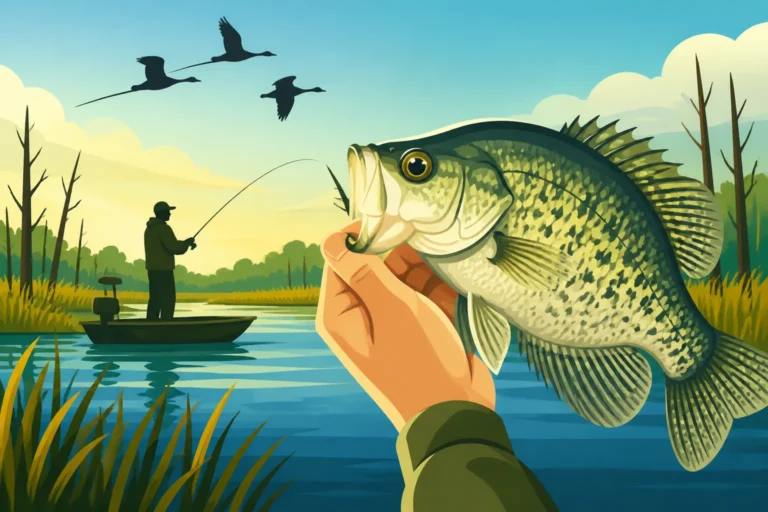
- Crappie: Both black and white crappie are abundant in Lake Ouachita. These schooling fish are notorious for congregating around submerged timber, brush piles, and bridge pilings. Within the state park, the deeper sections of the marina docks, the standing timber in remote coves, and any artificial fish habitats provide excellent crappie fishing. During the spring, they move into shallower water to spawn, making them highly accessible from the bank or piers. Small jigs (1/16 to 1/8 ounce) in chartreuse, white, or black-and-chartreuse are deadly, as are live minnows fished under a bobber. Our Where to Catch Crappie on Lake Ouachita guide is a great resource.
- Bream (Bluegill, Redear Sunfish): These delightful panfish are a fantastic target, especially for families and beginners. They are plentiful throughout the state park's waters, preferring shallower areas with some cover like lily pads, brush, or submerged grass. They are particularly active during the warmer months. Bream are incredibly eager biters, making them ideal for young anglers. A simple hook, bobber, and a piece of worm, cricket, or even corn is often all it takes to entice them. Pier fishing is incredibly popular for bream, offering constant entertainment.
The Thrill of Catfish and Stripers
For those seeking larger, harder-fighting fish, Lake Ouachita also delivers with excellent catfish and striped bass opportunities.
- Catfish (Channel, Blue, Flathead): All three major species of catfish call Lake Ouachita home, with channel catfish being the most widespread. Catfish prefer deeper, muddier bottoms, especially near creek channels and river beds within the lake. They are often active at night but can be caught throughout the day, particularly during overcast conditions. Stink baits, cut bait, chicken livers, and worms fished on the bottom with a Carolina rig are highly effective. The more remote coves and deeper holes within the state park boundaries can be great spots for these bottom dwellers. For serious trophy hunters, blue catfish can reach impressive sizes here.
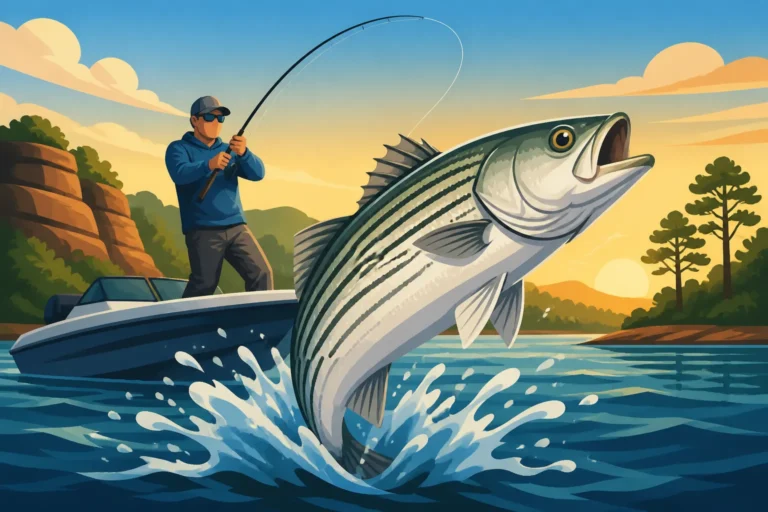
- Striped Bass: Lake Ouachita is renowned for its trophy striped bass fishery, and while these powerful fish often roam the open water, they frequently follow baitfish into the deeper channels and points accessible from the state park area. Stripers are schooling predators that will chase shad and other baitfish. Look for them breaking the surface (a "striper boil") during dawn or dusk, or target them with trolling large crankbaits, swimbaits, or live gizzard shad in open water. While catching a striper from the bank is less common, it's not impossible, especially if they push baitfish close to shore near deeper drop-offs. A local guide found on FishingBooker, with specialized equipment and knowledge, can dramatically increase your chances of landing one of these monstrous fish. Read our Striper Fishing Spots on Arkansas's Lake Ouachita post for more details.
Here's a quick reference table for targeting species within Lake Ouachita State Park:
| Species | Preferred Habitat | Recommended Baits/Lures | Best Access Type | Seasonal Peak |
|---|---|---|---|---|
| Largemouth Bass | Submerged timber, docks, weed beds, coves | Jigs, soft plastics, spinnerbaits, topwater | Shore, Boat | Spring, Fall, Summer |
| Smallmouth Bass | Rocky points, bluffs, islands, deep structure | Crankbaits, jerkbaits, tube baits, finesse jigs | Shore, Boat | Spring, Fall |
| Spotted Bass | Offshore humps, deep points, creek channels | Crankbaits, spoons, swimbaits | Boat | Year-round |
| Crappie | Submerged timber, brush piles, docks, piers | Small jigs, live minnows | Shore, Pier, Boat | Spring, Fall, Winter |
| Bream (Panfish) | Shallow cover, lily pads, brush, piers | Worms, crickets, corn | Shore, Pier | Spring, Summer |
| Catfish | Deep channels, muddy bottoms, remote coves | Stink bait, cut bait, chicken livers, worms | Shore, Boat | Year-round, Night |
| Striped Bass | Open water, deep channels, humps (following bait) | Large crankbaits, swimbaits, live shad | Boat | Spring, Fall, Summer |
Maximizing Your Lake Ouachita State Park Fishing Adventure
Beyond knowing the spots and the fish, a truly great fishing trip involves preparation and understanding the nuances of the lake and its seasons.
Essential Gear and Bait Recommendations
Having the right gear is paramount for a successful outing on Lake Ouachita. Given the diverse species and fishing styles available within the state park, a versatile setup is often your best bet.
- Rods and Reels: For general all-around fishing, a medium-action spinning rod (6'6" to 7') paired with a 2500-3000 series spinning reel spooled with 8-12 lb monofilament or fluorocarbon is a great starting point. This handles everything from panfish to smaller bass and crappie. If you're specifically targeting larger bass or stripers, a medium-heavy baitcasting setup with 15-20 lb fluorocarbon or braided line will give you the power and sensitivity needed.
- Lures and Baits:
- For Panfish and Crappie: Live minnows, crickets, and worms are hard to beat. Small jigs (1/16 to 1/8 oz) in white, chartreuse, or black/chartreuse are also highly effective.
- For Bass (Largemouth, Smallmouth, Spotted): A diverse tackle box is your friend. Include soft plastics (worms, creature baits), jigs (football, skipping), crankbaits (shallow and deep divers), spinnerbaits, and topwater lures (poppers, walking baits). Consider the popular Best Bait and Lures for Arkansas Bass options.
- For Catfish: Stink bait, cut bait (like shad or chicken livers), and nightcrawlers are staples.
- For Striped Bass: Live gizzard shad is king, but large swimbaits, bucktail jigs, and heavy spoons can also entice a strike.
- Other Essentials: Don't forget a landing net (especially for larger fish), needle-nose pliers for hook removal, a stringer or cooler for your catch, sunscreen, insect repellent, a first-aid kit, and plenty of water. A good pair of polarized sunglasses will help you spot structure and fish in Lake Ouachita's clear waters.
Seasonal Strategies for Success
Lake Ouachita fishes well year-round, but understanding the seasonal patterns will significantly increase your catch rates within the state park. Our general Arkansas Fishing Seasons Guide offers broad strokes, but here's a closer look for Lake Ouachita State Park:
- Spring (March-May): This is prime time for most species as fish move shallow for the spawn. Largemouth and crappie will be abundant in the coves and around docks. Smallmouth will be on rocky points. Topwater action picks up, and live bait is incredibly effective. The warmer water energizes all species.
- Summer (June-August): As temperatures rise, many fish move deeper to cooler water, often congregating around submerged humps, creek channels, and standing timber. Early morning and late evening bites are best. Night fishing for catfish becomes very popular. Stripers will be in open water, chasing bait.
- Fall (September-November): Fish become very active again as temperatures cool, mimicking spring patterns. The "fall turnover" can mix up the water column, but fishing remains excellent. Bass and crappie will feed heavily, preparing for winter. Stripers often move shallower to feed aggressively. This is often considered one of the best times to fish Lake Ouachita.
- Winter (December-February): Don't overlook winter fishing! While slower, it can be very productive for specific species. Crappie will school tightly in deep timber or brush piles. Bass will often hold on deep structure or bluffs. Stripers remain active in open water. Finesse techniques and slow presentations are key.
Always check local weather forecasts and consider the water generation schedules of nearby dams if fishing riverine areas, as current can significantly impact fish behavior.
Combining Fishing with Family Fun and Camping
Lake Ouachita State Park isn't just a fishing destination; it's a fantastic spot for a complete family getaway, and combining your angling pursuits with other activities can make the trip even more enjoyable. The park offers superb amenities that cater to all ages and interests.
Imagine spending your morning reeling in crappie from the pier or chasing bass by boat, then dedicating the afternoon to swimming at the park's sandy beach, hiking one of the scenic trails, or exploring the lake's islands via kayak or paddleboard. The park hosts interpretive programs that teach about the lake's ecology and history, which can be a great educational component for kids. There are also numerous picnic areas for a relaxed lakeside lunch after a successful morning of fishing.
The well-maintained campgrounds and cabins provide comfortable lodging, allowing you to wake up just steps away from prime fishing waters. Many campsites offer direct lake access or are a short walk from the marina and fishing piers. This creates a convenient home base where you can easily switch between fishing and family activities without hassle. Teaching kids to fish from the safety of a pier, then enjoying a campfire and s'mores in the evening, creates truly unforgettable family memories. Finding Family-Friendly Fishing Coves on Lake Ouachita can make the trip even better.
Disclaimer
Fishing conditions and regulations in Arkansas, including at Lake Ouachita State Park, can change. Always consult the latest Arkansas Game and Fish Commission (AGFC) regulations before heading out. This guide provides general information and recommendations, but it is your responsibility to be aware of and comply with all current rules, limits, and licensing requirements. Remember to practice responsible angling by leaving no trace and respecting wildlife and other park visitors.