Best Technique for Topwater Bass Fishing
Oh, the sheer heart-stopping thrill of topwater bass fishing! If you've ever cast a lure out onto a glassy surface at dawn, watched it dance, and then BAM! seen a largemouth blow up on it, you know exactly what I'm talking about. There’s nothing quite like it in the world of angling, but let's be real, it can also be incredibly frustrating when those monster bass splash and miss your lure, leaving you with a racing pulse and an empty hook. This guide is all about helping you understand the absolute best techniques to get more of those explosive topwater strikes and, more importantly, put those big Arkansas bass in your net, not just in your dreams.
The Irresistible Allure of Topwater Bass Fishing
There's a reason why so many anglers, myself included, are completely obsessed with topwater bass fishing. It's not just about catching fish; it's about the show, the anticipation, and that adrenaline rush when a big bass explodes on your bait right before your eyes. It’s a primal, visual experience that no other fishing technique can really replicate. You’re not just feeling a subtle bite; you’re witnessing a violent, surface-shattering attack.
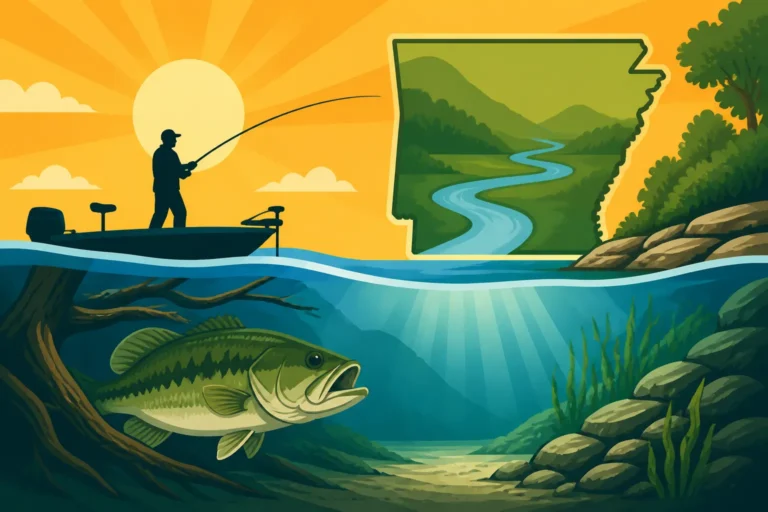
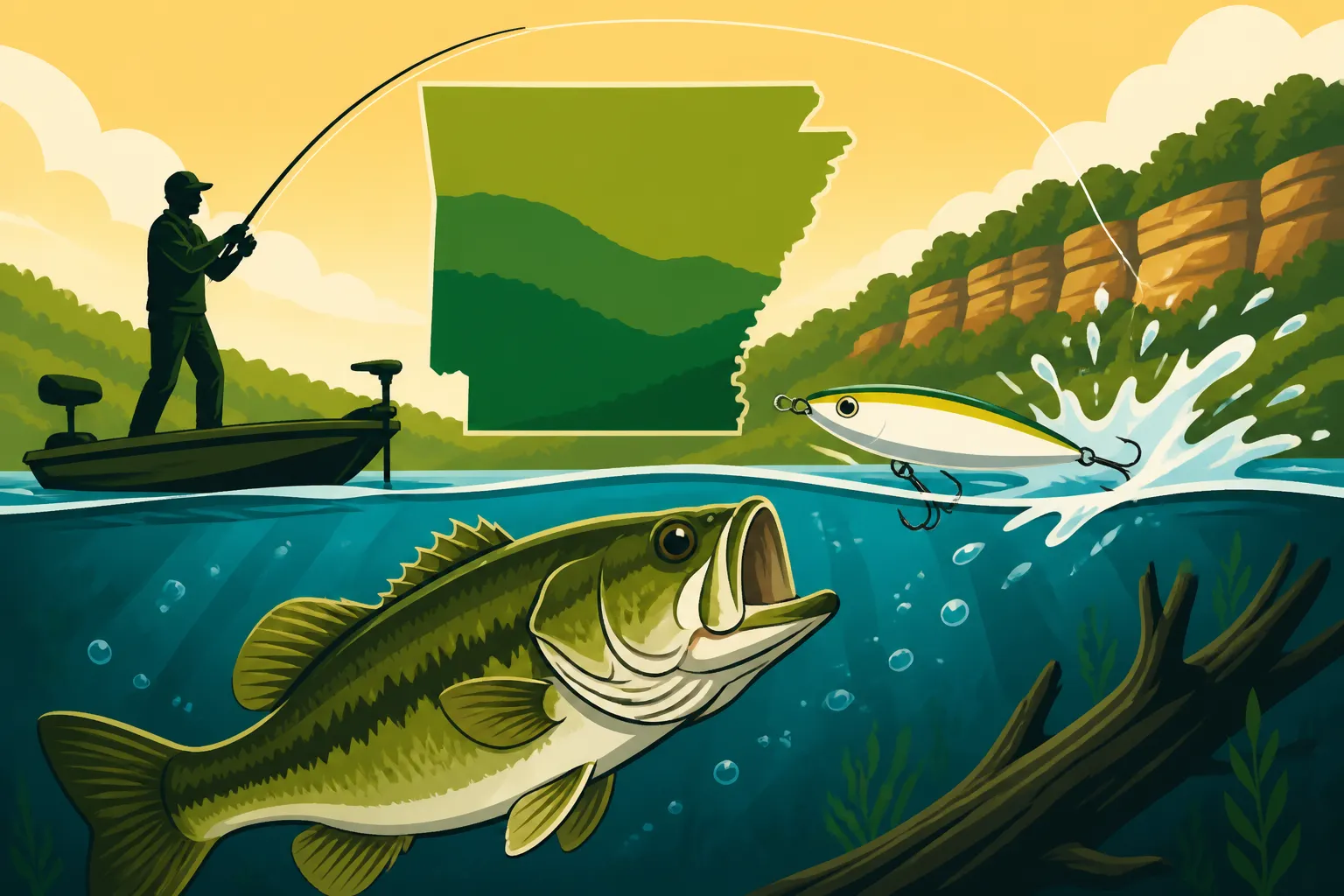
Imagine this: The sun is just starting to peek over the Ouachita Mountains, casting long shadows across a calm lake. You’ve just made a perfect cast with a popper right up against a stand of flooded timber on Lake Conway. You let it sit for a moment, then give it a gentle twitch, creating a subtle bloop. The water around it is still, then a ripple, then a massive churn as a largemouth absolutely annihilates your lure. Your heart leaps into your throat, and you instinctively set the hook. That's the magic. That's the draw.
However, that magic can quickly turn to frustration if you’re getting those strikes but not hooking up. It’s a common scenario, trust me. You see the splash, you feel the tug, and then… nothing. A clean miss. It happens to the best of us, and it often comes down to timing, presentation, and understanding the bass's behavior when they commit to a surface attack. We're going to dive deep into how to minimize those misses and maximize your hook-up ratio, because seeing the strike is great, but feeling the fight is even better!
Prime Conditions for Explosive Topwater Action
Timing and conditions are everything when it comes to topwater bass fishing. You can have the perfect lure and the right retrieve, but if the conditions aren't cooperating, you might just be casting aimlessly. Understanding when bass are most likely to feed aggressively on the surface is your first step to consistent success.
The Magic Hours: Dawn and Dusk Patrols
Hands down, the absolute best times for topwater bass fishing are during the low light periods of dawn and dusk. This isn't just an old angler's tale; there's real science behind it. During these times, the sun is not directly overhead, reducing the amount of light penetrating the water. This makes bass feel more comfortable venturing into shallower waters and looking upwards for prey. The reduced light also makes it harder for baitfish and crawfish to spot predators, making them easier targets for an ambushing bass from below.
Think about a calm morning on Lake Hamilton. As the fog lifts and the first rays of sun kiss the water, that’s your window. Bass are moving out of deeper cover, cruising the shallows for an easy meal before the heat of the day drives them back down. A walking bait, making that rhythmic side-to-side sashay, can be absolutely deadly. Conversely, as the sun dips below the horizon, the bass push back into those shallower areas, often for a final feeding frenzy before nightfall. These low-light periods offer the perfect combination of predator comfort and prey vulnerability. Don't forget that on overcast days, especially those with a light drizzle, these "magic hours" can extend throughout the day, giving you more opportunities for surface strikes.
Weather and Water: The Perfect Recipe
Beyond the time of day, specific weather and water conditions can significantly enhance your topwater success. Calm, relatively clear water is generally ideal. When the surface is rippled by wind or choppy from boat traffic, it becomes harder for bass to track your lure, and harder for you to work it effectively. A smooth, calm surface allows your lure's action to be fully appreciated and creates a clear silhouette against the sky, making it an easy target for bass looking up.
Overcast skies are often a topwater angler's best friend. The clouds diffuse the sunlight, creating consistent low-light conditions that extend the prime topwater window. A light rain, not a downpour, can also be fantastic, as it breaks up the water's surface just enough to mask your presence, but not so much that it interferes with your lure's action. Extremely bright, sunny days, especially at midday, tend to push bass deeper, making topwater a less productive choice. However, sometimes bass will surprise you, particularly if they're holding under dense cover like lily pads or docks, and a frog or a buzzbait might entice them out.
Water temperature also plays a role. Topwater fishing truly shines when the water temperatures are comfortably warm, typically from the high 60s Fahrenheit up into the 80s. This is when bass are most active and willing to chase bait aggressively. During the Arkansas Bass Spawn Fishing Guide season, especially the post-spawn period, bass are often shallower, hungry, and very territorial, making them excellent candidates for topwater lures. As you move into Summer Bass Fishing Patterns, early morning and late evening topwater can be phenomenal around shaded areas or deep water access points. In the fall, as bass start to feed heavily before winter, they can also be very receptive to topwater, particularly walking baits and poppers, especially during milder days.
Seasonal Hot Zones for Topwater
While topwater can produce year-round in some specific scenarios, certain seasons truly stand out in Arkansas.
- Spring (Post-Spawn): After the bass finish spawning, they are often hungry and guarding fry, making them aggressive. This is an incredible time for topwater. They're typically in shallower water, near spawning beds or cover, and easily triggered by a disturbance on the surface. Check out Post-Spawn Bass Fishing Patterns for more details on this key period.
- Summer: Early mornings and late evenings are prime. Look for bass around submerged grass lines, boat docks, lily pads, and shaded areas. During the heat of the day, topwater frogs over matted vegetation can be highly effective. This is when a lot of the real fun happens in places like Lake Ouachita or DeGray Lake.
- Fall: As water temperatures begin to cool, bass often move into coves and shallower flats, chasing baitfish. This can lead to some incredible schooling action, where multiple bass might hit your topwater lure. These are fantastic times to throw a walking bait or a prop bait. For more on this, consider exploring Fall Fishing Patterns for Bass and Crappie.
Your Topwater Arsenal: Lures and Gear That Deliver
You wouldn't bring a spoon to a knife fight, right? The same goes for topwater fishing. Having the right lures and knowing what kind of rod, reel, and line to use makes a huge difference in your hook-up ratio and overall success.
The Star Players: Topwater Lure Types
There's a fantastic array of topwater lures available, each designed to mimic different prey or create a unique action on the surface. Understanding their strengths will help you choose the right one for the situation. If you're looking to expand your tackle box, I often find great deals and a wide selection on platforms like Amazon for these essential lures.
- Poppers and Chuggers: These lures have a cupped face that "chugs" or "pops" water when twitched. They excel at imitating a struggling baitfish or a frog.
- When to use: Ideal for calm water, around docks, submerged timber, or weed lines where bass are ambushing prey. They are fantastic for drawing reaction strikes.
- Retrieve: Cast it out, let it sit until the ripples disappear (patience is key!), then give it a sharp downward twitch of the rod tip to make it pop. Pause, then twitch again. Vary your retrieve, sometimes a single pop and a long pause, other times a series of rapid pops.
- Examples: Rebel Pop-R, Heddon Super Spook Jr. (while technically a walking bait, Heddon also makes poppers).
- Walking Baits (Walk-the-Dog Lures): These are long, slender lures that, when retrieved correctly, "walk" from side to side across the surface. This action perfectly mimics a dying or injured baitfish.
- When to use: Excellent for covering open water, schooling bass, and situations where you need to draw fish from a distance. They are incredibly versatile.
- Retrieve: This takes practice! Point your rod tip down towards the water and twitch it rhythmically while reeling in slack. The lure should zig-zag across the surface. Don't reel constantly; it's more about twitching and taking up slack.
- Examples: Heddon Super Spook, Lucky Craft Sammy, Evergreen Showerblows.
- Prop Baits: Featuring one or two small propellers, these lures create a disturbance and gurgling sound on the surface.
- When to use: Great for enticing strikes from wary bass, especially in clear water or when you want to create a commotion without a hard chug.
- Retrieve: A steady retrieve, or short pulls with pauses, allowing the props to churn water and create a 'splish-splash' effect.
- Examples: Devil's Horse, Brian's Bees Prop Bait.
- Topwater Frogs: Soft plastic lures designed to look and feel like a frog. They are weedless, making them perfect for heavy cover.
- When to use: Absolutely indispensable for fishing over lily pads, matted grass, thick scum, or submerged timber where other lures would snag. This is killer for those summer heat days when bass hide in the thick stuff.
- Retrieve: Short twitches and pauses, making the frog walk or hop across the vegetation. When a bass blows up on it, resist the urge to set the hook immediately! Wait until you feel the fish, then set it hard.
- Examples: SPRO Bronzeye Frog, Koppers LIVETARGET Frog.
- Buzzbaits: Lures with a metal prop blade that spins, creating a loud "buzzing" or "squeaking" noise and a surface disturbance as you retrieve them.
- When to use: Best for covering water quickly and drawing aggressive reaction strikes, especially in low light or stained water. They are excellent for fishing around wood, stumps, and shorelines.
- Retrieve: Cast it out, and as soon as it hits the water, start reeling steadily and quickly enough to keep the blade spinning on the surface. Vary your speed slightly.
- Examples: Strike King Buzz King, Booyah Buzz.
Rod, Reel, and Line: The Foundation of Your Setup
Your gear setup is crucial for effective topwater fishing, especially for making accurate casts and getting good hooksets.
- Rods: A medium-heavy to heavy power rod, typically 6'6" to 7'6" in length, is usually ideal. The key here is a fast to extra-fast action. This means the tip bends easily, allowing for accurate casting and good lure manipulation, but the backbone of the rod is stiff, providing the power needed for a solid hookset and to wrench a big bass out of cover. A shorter rod (6'6" – 7') can be great for casting accuracy around tight cover, while a longer rod (7' – 7'6") will give you more casting distance, which is useful for covering open water with walking baits.
- Reels: A baitcasting reel with a gear ratio of 6.3:1 to 7.1:1 is a versatile choice. This allows you to retrieve line quickly to keep up with the lure and take up slack after a strike, but also gives you enough torque for controlling a fighting fish. A smooth drag system is also paramount.
- Line: This is where opinions can vary, but generally, braid or monofilament are the top choices.
- Braided Line: My personal favorite for most topwater applications, especially with frogs and buzzbaits. Braid has no stretch, which means every twitch of your rod is translated directly to the lure's action, and your hooksets are incredibly powerful. This is vital when fishing heavy cover or with single-hook lures like frogs. A good starting point is 30-50 lb test braid. Amazon has a great selection of braided lines from brands like PowerPro and Seaguar.
- Monofilament Line: Some anglers prefer mono for treble hook topwater lures (poppers, walking baits) because its slight stretch can act as a shock absorber during violent strikes, preventing hooks from tearing out of a fish's mouth. Mono also floats, which is a big plus for keeping your topwater lures on the surface. A 12-17 lb test mono is generally suitable.
- Fluorocarbon? Generally, fluorocarbon sinks, which is the opposite of what you want for most topwater lures. Avoid it for direct tie-ins to topwater baits. Some anglers might use a very short fluorocarbon leader with braided main line in super clear water, but for most topwater, it's not ideal.
Mastering the Retrieve: Bringing Your Lure to Life
Knowing which lure to throw is only half the battle; knowing how to work it effectively is where the real magic happens. Each topwater lure has a unique cadence and action that you need to master.
The Art of the Pause with Poppers and Chuggers
Poppers thrive on patience. Many beginners make the mistake of reeling them in too fast. The pause is just as important, if not more important, than the pop itself.
- Cast Accurately: Aim for prime cover – a dock pilings, submerged brush, or the edge of a lily pad field. The closer you can get, the better.
- Let it Settle: As soon as the lure hits the water, let the ripples dissipate completely. This mimics a baitfish that has just splashed down and is now stunned or disoriented. This moment of silence is often when the biggest bass commit.
- The Pop: Give your rod tip a sharp, downward twitch (about 6-12 inches). This should make the popper bloop or chug water forward.
- The Pause (Again!): Immediately let the lure sit again. The duration of this pause is critical and can vary. Start with 3-5 seconds, but be prepared to pause for 10-15 seconds or even longer, especially in tougher conditions or with wary fish. Sometimes a subtle ring of expanding ripples is enough to trigger a strike.
- Vary the Cadence: Don't get stuck in a rut. Sometimes bass want one pop and a long pause. Other times, they want a rapid series of two or three pops, followed by a pause. Experiment until the fish tell you what they prefer. A common retrieve is "pop, pop, pause… pop, pause…"
When a bass strikes a popper, it's often violent. Wait until you feel the weight of the fish before setting the hook firmly. Premature hooksets are a major cause of missed fish.
The Dance of the Walking Bait: Walk-the-Dog Mastery
Walking baits can be frustrating to learn, but once you get the rhythm, they become incredibly effective. The goal is to make the lure zig-zag gracefully across the surface.
- Rod Tip Down: Point your rod tip slightly downward, towards the water. This helps maintain contact with the lure and gives you better control.
- Twitch and Reel: Make a short, sharp twitch of your rod tip (again, 6-12 inches) while simultaneously reeling in a small amount of slack. As the lure swings to one side, twitch again as it finishes its swing, and it should move to the other side.
- Find the Rhythm: The key is to find a steady, rhythmic twitch-and-reel motion that keeps the lure walking. It's like patting your head and rubbing your stomach at the same time at first, but it becomes second nature. Don't pull the lure; just let the rod tip do the work.
- Pause Occasionally: While walking baits are often fished with a continuous walk, don't be afraid to throw in a short pause, especially if you're working it near a piece of cover. Sometimes that slight hesitation is all it takes.
- Setting the Hook: When a bass blows up on a walking bait, it can be explosive. Again, resist the urge to set immediately. Wait a split second, feel the fish, and then sweep set firmly. Because these lures often have multiple treble hooks, fish tend to get hooked well.
Walking baits are excellent for open water or around scattered cover. They can call bass from a good distance due to their highly visible and enticing action.
Buzzing for Reaction Strikes with Buzzbaits
Buzzbaits are all about speed and commotion. They are designed to elicit a reaction strike from aggressive bass.
- Immediate Retrieve: As soon as your buzzbait splashes down, start reeling. You need to keep that blade turning and the lure on the surface from the moment it hits the water until it's back to your boat. If it sinks, you've lost the effect.
- Steady Pace: A steady, medium-to-fast retrieve is usually best. The buzzbait creates its own action, so your job is primarily to keep it moving.
- Vary Speed Slightly: While consistency is good, don't be afraid to slow down or speed up for a few cranks. This subtle change can sometimes trigger a follower to commit.
- Cover Key Areas: Cast parallel to shorelines, through flooded timber, over submerged grass, or around isolated stumps. These are all prime ambush points.
- Setting the Hook: Buzzbait strikes are often vicious, but bass can sometimes just slap at the lure without getting hooked. As with other topwater baits, wait until you feel the solid weight of the fish on your line before sweeping the rod back for a strong hookset. Don't be surprised if they miss a few times; it's part of buzzbait fishing! For more aggressive bass, this can be an absolute blast, especially during the Best Time of Day to Catch Bass.
Frog Fishing in the Thick Stuff
Topwater frogs are your go-to for fishing the nastiest, most snag-infested cover that would swallow any other lure whole.
- Target the Mats: Cast your frog directly onto lily pads, matted grass, or thick vegetation. That’s where the big bass are hiding out, staying cool and waiting for an unsuspecting meal to cross their path.
- Twitch and Hop: Work the frog with short twitches, making it walk or hop across the surface of the mat. Let it pause in open pockets within the vegetation. These pauses are crucial.
- Patience for the Strike: This is perhaps the most important tip for frog fishing. When a bass blows up on your frog, your natural instinct will be to set the hook immediately. RESIST! More often than not, the bass has only engulfed the lure and not the hooks. Wait 1-2 seconds, or until you feel the actual weight and pull of the fish, then set the hook hard, preferably sweeping the rod to the side. If you set too early, you'll pull the lure away from the fish.
- Power Through the Cover: Once hooked, you need to apply maximum pressure to get that bass out of the thick cover before it wraps you up and breaks your line. This is why a heavy rod and braided line are essential for frog fishing.
The thrill of a bass exploding through a mat of lily pads is one of the most exciting experiences in fishing. Amazon offers a wide variety of durable frog lures that can withstand these aggressive strikes.
Advanced Tips and Troubleshooting for Topwater Anglers
Even with the right gear and techniques, topwater fishing can be finicky. Here are a few extra tips to help you maximize your success and troubleshoot common issues.
Sharp Hooks are Non-Negotiable
This seems obvious, but it's often overlooked. Dull hooks are a prime reason for missed fish on topwater lures. Treble hooks, especially, can get dull quickly from bouncing off docks, rocks, or even other lures in your tackle box. Regularly check your hooks for sharpness. If they're not razor-sharp, either sharpen them with a hook file or replace them. Using an inline hook sharpener, available on Amazon, is a simple way to keep your hooks in top condition throughout your trip.
Don't Be Afraid to Slow Down (or Speed Up)
While a consistent retrieve is often recommended, bass don't always read the textbook. Sometimes, a super slow, methodical retrieve with long pauses is what it takes, especially for wary fish or in cooler water. Other times, a fast, erratic retrieve can trigger an aggressive reaction bite. The best anglers are those who experiment and let the fish tell them what they want on any given day. Pay attention to how bass are reacting. Are they just slapping at it? Try slowing down or increasing your pause. Are they ignoring it? Try speeding up or changing your lure type.
Understanding the "Follower" and the "Swirl"
Sometimes you'll see a bass follow your lure right to the boat, or you'll get a swirl or a splash without a solid hookup. This indicates the fish is interested but not fully committed. Don't give up!
- For followers: If a bass follows your lure but doesn't strike, immediately cast back to the same spot or slightly beyond where you last saw it. Often, a second presentation, perhaps with a slightly different retrieve or even a different topwater lure, can trigger the strike. Sometimes, even throwing a subsurface lure like a jerkbait or spinnerbait immediately after a follow can be effective, as the bass might still be in a feeding mood.
- For swirls/slaps: If bass are swirling or slapping at your lure but not getting hooked, they might be missing it, or they might be hitting it out of aggression rather than actively feeding. Try slowing down your retrieve or increasing your pause. Sometimes a smaller lure might be the answer. For frogs, if they're blowing up and missing, do not set the hook immediately. Count "one-thousand-one, one-thousand-two" after the splash, then set the hook. This gives the bass time to fully inhale the frog.
Table of Topwater Lure Characteristics
Here's a quick reference for matching your topwater lure to the conditions you might encounter in Arkansas.
| Lure Type | Primary Action | Ideal Conditions | Target Areas | Key Advantage |
|---|---|---|---|---|
| Popper/Chugger | Creates splash/gurgle, sits still | Calm water, low wind, overcast | Docks, timber, weed edges, isolated cover | Draws attention, long pauses effective |
| Walking Bait | Zig-zag "walk-the-dog" | Calm to light chop, clear to stained water | Open water, points, schooling fish | Covers water, imitates dying baitfish |
| Prop Bait | Propeller churns water, gurgles | Calm water, clear conditions | Docks, laydowns, precise targeting | Subtle commotion, appeals to wary fish |
| Topwater Frog | Hops/walks over vegetation | Heavy cover, lily pads, matted grass | Thickest cover, weed beds | Weedless, targets hidden bass |
| Buzzbait | Loud buzzing, surface churn | Low light, stained water, aggressive fish | Shorelines, stumps, shallow flats | High retrieve speed, reaction strikes |
Conclusion: Get Out There and Get Those Bites!
Topwater bass fishing is arguably the most exciting way to catch bass, and with a little practice and understanding of the conditions and techniques, you'll be consistently turning those explosive strikes into landed fish. Remember the importance of fishing during low-light conditions, matching your lure to the cover and water clarity, and mastering the retrieve for each lure type. Don't be discouraged by missed strikes; they're part of the learning curve. Each splash is a lesson, and with patience and persistence, you'll be celebrating those triumphant topwater catches more often than not. So grab your rod, tie on your favorite topwater, and head out to your favorite Arkansas lake or river. Those monster bass are just waiting for a meal to hit the surface!
Disclaimer
This article is for general informational purposes only and does not constitute professional advice. Laws, prices and regulations vary by location and change over time. Consult a qualified professional for guidance on your specific situation.