How to Fish Muddy Water After Rain
There’s nothing quite as disheartening for an angler as looking out at what was once a pristine fishing spot, only to find it transformed into a churning, muddy mess after a heavy rain. That sudden change can make you feel like your fishing trip is doomed before it even begins, leaving you wondering if it’s even worth putting a line in the water. But here’s a little secret: muddy water doesn't have to mean a bad fishing day. In fact, for those who know how to adapt, fishing after a rainstorm can lead to some incredibly rewarding catches. This comprehensive guide will walk you through the dynamics of muddy water, help you understand how fish react, and arm you with the best techniques and baits to ensure your next post-rain outing in Arkansas is a successful one.
Understanding Why Rain Makes Water Muddy and How Fish React
When a significant rain event hits, especially after a dry spell, it carries a lot of sediment, dirt, and debris from the land into our lakes, rivers, and streams. This influx is what turns the water murky, giving it that "chocolate milk" appearance we all dread. The degree of muddiness depends on several factors: the intensity and duration of the rain, the soil composition in the watershed, and the terrain. Steep, exposed banks will wash out more quickly than areas with dense vegetation.
This sudden change in water clarity can be a real game-changer for fish. Imagine trying to hunt or find food in a thick fog – that’s essentially what it's like for a fish when the water turns muddy. Their primary sense of sight, which many species rely on heavily for feeding, becomes severely limited. This disorientation can make them less active or cause them to move to areas where conditions are more favorable. However, it’s not all bad news! Some species actually become more active, using the reduced visibility to their advantage to ambush prey, while others might simply shift their location to find clearer water or less turbulent conditions. It’s all about understanding these reactions and adjusting your approach accordingly.
Locating Fish in Muddy Arkansas Waters
One of the biggest challenges in muddy water is simply finding the fish. They don't just vanish, but they do tend to relocate. Knowing where to look for them can dramatically increase your chances of success.
Finding Cleaner Water Pockets
When heavy rains hit Arkansas, from the streams feeding into Beaver Lake up in the Ozarks down to the sprawling expanse of Lake Ouachita, fish will often seek out areas where the water isn't quite as murky. This might mean moving further offshore into deeper sections where the stirred-up sediment hasn't settled as heavily, or it could be areas less affected by direct run-off. Look for points, humps, or structures that might break the current and allow sediment to settle, creating small pockets of clearer water. Sometimes, even a slight change in hue can indicate a more favorable spot. Tributaries that drain areas with less disturbed soil or dense forest cover might also offer slightly clearer inflows compared to a main channel.
Another prime spot to check is the back of coves or protected pockets away from the main flow of rivers, especially on larger impoundments like Greers Ferry Lake. These areas often have less current and allow suspended particles to settle more quickly. When fishing rivers like the Arkansas River for bass and catfish, look for oxbows or slack water areas where the main current, now laden with sediment, loses its punch. These can be incredible holding pens for fish trying to escape the torrent.
Targeting Structure and Cover
Fish are creatures of habit, and even in muddy conditions, they will often relate to structure. The difference is how they relate to it. In dirty water, fish will often hug structure even tighter than usual. This means they might be tucked right up against a log, buried deep in a brush pile, or hugging the base of a dock. They use these features for cover, a sense of security, and as ambush points when visibility is low.
Think about areas with dense cover: flooded timber, rock piles, submerged brush, or even standing docks and bridge pilings. For species like largemouth bass, this cover provides excellent camouflage, allowing them to ambush prey that might swim by, unaware in the murk. For crappie, who often school, a large brush pile or submerged tree in slightly deeper water can be a haven. On many of Arkansas's major impoundments, like Bull Shoals Lake, submerged timber and rocky ledges are abundant. Don’t just cast near the structure; aim to get your lure right in it or as close as humanly possible. This often means sacrificing a few lures, but the payoff can be huge. You can find many fishing spots near structures on specific lakes by checking out guides like Best Bass Fishing Spots on Bull Shoals Lake.
Focusing on Inflows and Outflows
While heavy inflows are often the cause of muddy water, the edges of these inflows can be highly productive. The pushing water creates current, which can dislodge baitfish and other forage, concentrating them at the seams where the moving water meets more stagnant water. Predator fish will often position themselves at these current breaks, waiting for an easy meal to be delivered by the flow. This is where you might find everything from bass to catfish waiting.
Conversely, depending on the body of water, outflow areas (like spillways or tailwaters) might offer better clarity if the reservoir or lake itself is settling faster than the inflowing streams. However, with tailwaters specifically, the generation schedule can quickly change conditions, so it’s always wise to check current conditions before heading out to places like the White River below Bull Shoals Dam.
Essential Techniques and Baits for Muddy Water Success
Fishing muddy water isn't about giving up; it's about changing your tactics to appeal to a fish's other senses. When sight is limited, sound, vibration, and scent become paramount.
Maximize Sound and Vibration
When fish can't see your lure, you need to make sure they can feel it. Lures that create a lot of disturbance in the water are your best friends.
- Spinnerbaits: These are classic muddy water baits for a reason. The thumping blades (Colorado blades, especially) send out strong vibrations that fish can detect with their lateral lines from a good distance. The flash from the blades can also catch the limited light, making the lure slightly more visible. When you're looking for Best Lures for Summer Bass Fishing, a spinnerbait should always be in your box. You can find a wide array of options on Amazon, often in multi-packs that give you various blade configurations.
- Chatterbaits (Bladed Jigs): These hybrids combine the vibration of a spinnerbait with the profile of a jig. The unique blade attached to the jig head creates an erratic, high-vibration action that fish simply can't ignore in murky water.
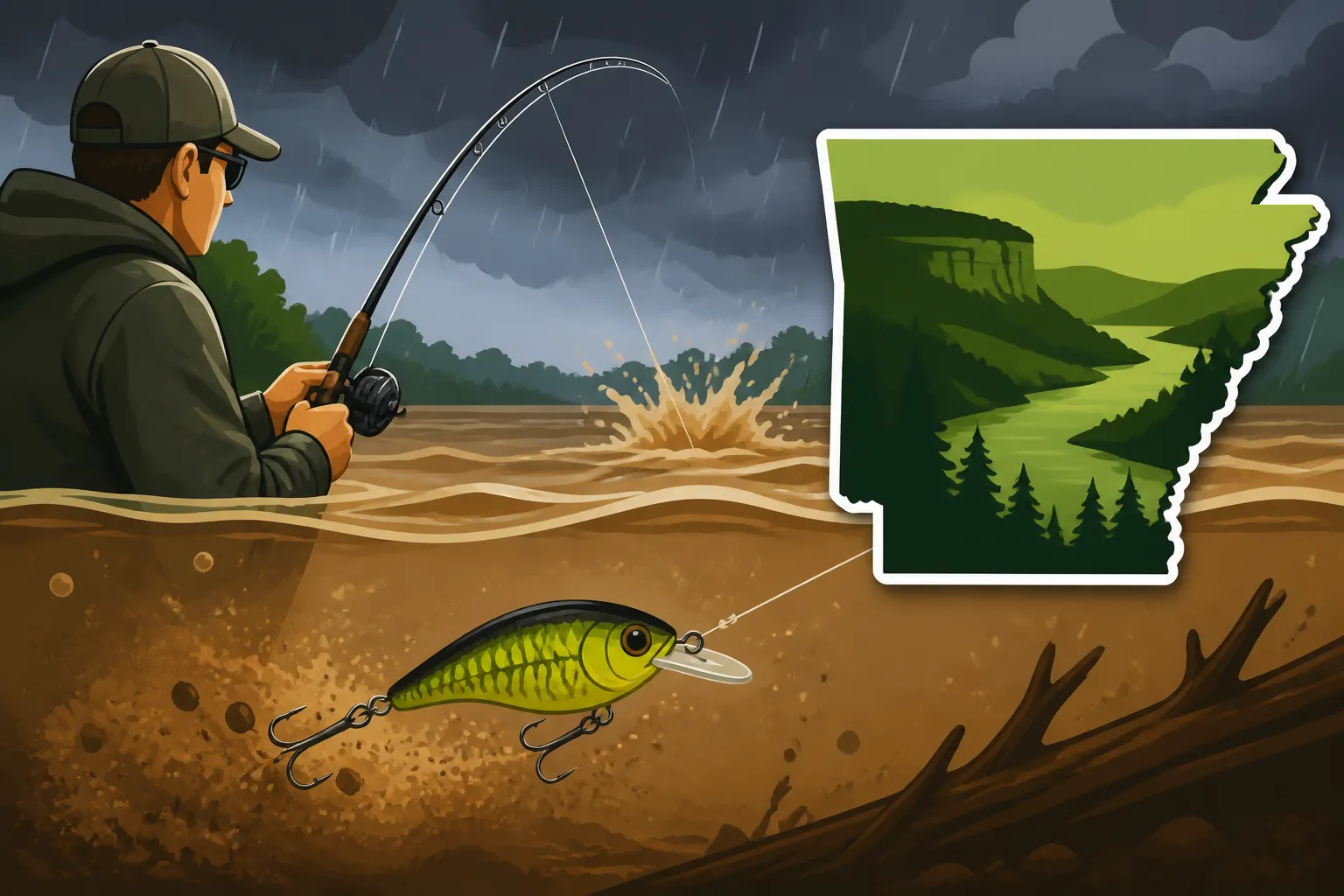
- Crankbaits: Deep-diving or medium-diving crankbaits that have a wide wobble are excellent. The bigger the wobble, the more water they displace, and the more vibration they create. Lipless crankbaits, with their aggressive rattle and tight wiggle, are also fantastic choices. Consider bright, contrasting colors like chartreuse, orange, or black and blue, which create a strong silhouette in low visibility.
- Jigs with Rattles: Adding a rattle to a jig or using jigs specifically designed with built-in rattles can make a huge difference. The subtle clicking sound can draw fish in, especially when paired with a bulky soft plastic trailer that moves a lot of water.
Focus on Strong Scent and Flavor
Since vision is compromised, fish will often rely heavily on their sense of smell and taste to locate food. This is where scent attractants and naturally smelly baits come into play.
- Scent Sprays and Dips: Many anglers swear by adding scent to their artificial lures. Sprays, gels, and dips infused with fish-attracting odors like garlic, crawfish, or shad can make a plastic worm or jig much more appealing. A quick spray on your soft plastics before each cast can really make a difference.
- Live Bait: There's nothing quite like the natural scent and movement of live bait. For catfish, stink baits, cut bait, and chicken livers are powerful attractants. For crappie, a lively minnow is often irresistible, especially when suspended under a bobber near cover. Check out Best Bait for Crappie Fishing for more ideas. For bass, a wriggling nightcrawler or shiner can often coax a bite when artificials fail.
- Soft Plastics Infused with Scent: Many soft plastic lures come pre-infused with fish attractant. Brands like Berkley PowerBait or Gulp! are designed specifically to leach scent into the water, creating a scent trail that fish can follow. These can be particularly effective when fishing slowly, allowing the scent to disperse.
Optimize Color and Contrast
While visibility is low, certain colors are still more effective in murky conditions. The goal isn't necessarily to mimic natural baitfish colors, but to create a strong, visible silhouette that stands out.
- Darker Colors: Black and blue, purple, and junebug are excellent choices. These colors create a distinct silhouette against the slightly lighter murky water, making them easier for a fish to see. A black-and-blue jig with a matching trailer fished slowly near cover can be deadly for bass.
- Bright, Fluorescent Colors: Chartreuse, orange, and hot pink can also be very effective. These highly visible colors can grab a fish's attention, especially if there's any ambient light penetrating the cloudy water. A chartreuse spinnerbait or crankbait is a classic muddy water go-to. For crappie, chartreuse or orange jigs are often top producers in stained water.
- Contrasting Patterns: Lures with two highly contrasting colors, like black and chartreuse or black and red, can create a strong visual target. The contrast helps define the lure's shape even in low light.
Mastering Presentation and Location
Even with the right lure, how you present it makes all the difference.
- Slow Down Your Retrieve: Fish in muddy water are often less active and more hesitant. A slower retrieve gives them more time to locate your lure using their lateral line and scent, and more time to commit to a strike. This is especially true for species like crappie and catfish. For bass, a slow-rolled spinnerbait or a slowly dragged jig can be incredibly effective.
- Fish Closer to Cover: As mentioned earlier, fish will hug cover tighter. Position your boat or cast to get your lure as close to logs, rocks, or brush as possible. This means more accurate casting and sometimes fishing in situations that feel a bit risky for snags.
- Experiment with Depths: Fish might move shallower or deeper depending on factors like water temperature, oxygen levels, and where the baitfish are concentrated. Start by working different depths in your target areas until you find where the fish are holding. In many Arkansas reservoirs, after a heavy rain, fish might move slightly shallower to capitalize on washed-in food sources, or deeper to escape debris and turbulence. Guides on How to Find Crappie in Deep Water can offer more insights into depth location.
- Use Heavier Line: With reduced visibility, fish are less likely to be line-shy. This is a good opportunity to use slightly heavier monofilament or fluorocarbon line, which can help prevent break-offs when fishing in heavy cover or when hooking into a powerful fish in turbulent conditions. A stronger line can be a real asset when you're casting into dense brush for bass that are relating tightly to cover.
Table: Muddy Water Bait & Lure Guide
| Lure/Bait Type | Key Benefit in Muddy Water | Recommended Colors/Scents | Target Species |
|---|---|---|---|
| Spinnerbaits | High vibration, flash | Chartreuse, white, black/blue | Bass |
| Chatterbaits | Aggressive, erratic vibration | Black/blue, green pumpkin, white | Bass, Pike |
| Wobbling Crankbaits | Strong displacement, loud rattles | Firetiger, chartreuse, black/red | Bass, Walleye |
| Jigs (with rattles) | Scent, silhouette, subtle sound | Black/blue, purple, junebug | Bass, Crappie |
| Scented Soft Plastics | Long-lasting scent trail | Darker colors, infused scents | Bass, Crappie |
| Live Minnows | Natural scent, subtle movement | N/A (natural) | Crappie, Bass |
| Cut Bait/Stink Bait | Overpowering natural scent | N/A (natural) | Catfish |
Safety and Other Considerations When Fishing After Rain
While muddy water fishing can be exciting, it's also crucial to prioritize safety and be mindful of changing conditions.
Watch for Increased Currents and Debris
Heavy rains can lead to significantly increased water levels and stronger currents, especially in rivers and smaller streams. This can make boating more hazardous due to floating debris like logs, branches, and even entire trees. Always wear your life vest, operate your boat cautiously, and be aware of your surroundings. If you're wade fishing, be extremely careful, as strong currents can sweep you off your feet, and underwater visibility is zero, meaning you can't see sudden drop-offs or obstacles. The Little Missouri River, for instance, can rise and fall quickly.
Shoreline fishing also has its risks, as banks can become unstable or slick. Always be aware of your footing and avoid steep, muddy inclines.
Check for Water Level Changes and Flood Warnings
Before you even leave the house, check local weather reports and water level gauges for the areas you plan to fish. High water levels can inundate boat ramps, make certain areas inaccessible, or create dangerous conditions. Many of Arkansas's rivers and lakes are managed by the Corps of Engineers, and they often provide up-to-date information on water releases and levels. Being informed is your first line of defense.
Be Patient and Adaptable
Fishing in muddy water often requires more patience than usual. The fish might be slower to react, or you might need to make more casts to cover an area thoroughly. Don't be afraid to experiment with different lures, colors, and retrieve speeds. What works in one muddy cove might not work in another. Sometimes, the fish are simply not biting, but often, it's about finding that magic combination that triggers a strike.
Remember, every fishing trip is a learning experience. Even if you don't fill your cooler, you'll gain valuable knowledge about how fish behave under challenging conditions. And sometimes, the biggest thrill is outsmarting the fish when all the odds seem stacked against you. So next time the rains hit and turn your favorite Arkansas fishing spot into a brown river, don't pack up your gear. Instead, grab your noisy lures, add some scent, and get ready to fish muddy water after rain – you might just be surprised by what you catch.
Disclaimer
This article is for general informational purposes only and does not constitute professional advice. Laws, prices and regulations vary by location and change over time. Consult a qualified professional for guidance on your specific situation.