Best Beginner Fly Fishing Setup for Trout
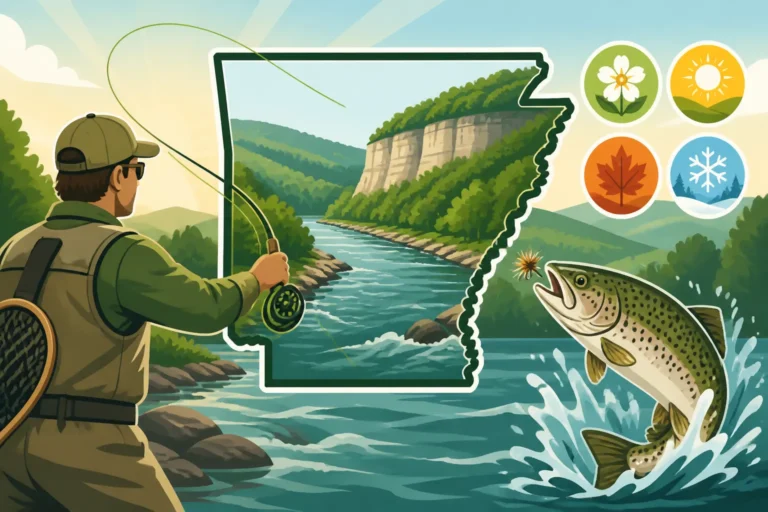
So, you've been watching those beautiful fly fishing videos, maybe seen some folks gracefully casting on an Arkansas river, and thought, "Man, that looks incredible… but how in the world do I even start?" It's a completely natural feeling! The world of fly fishing can seem incredibly complex and frankly, a bit intimidating when you're first dipping your toes in. There's a dizzying array of gear, a whole new language to learn, and the fear of looking utterly clueless on the water. But trust me, getting a solid beginner fly fishing setup for trout in Arkansas doesn't have to be a headache. This guide is here to cut through the confusion and help you assemble your first rig with confidence, so you can stop dreaming about those trout and start catching them.
The Intimidation Factor: Why Getting Started in Fly Fishing Feels So Overwhelming
Let's be real: when you walk into a fly shop or browse online, it feels like you need a Ph.D. in Angling to understand what's going on. Everyone seems to speak in cryptic codes about "fast action rods" and "weight-forward lines," and you just want to know what to buy so you can go fishing! This initial barrier is a huge reason many aspiring fly anglers get discouraged before they even make their first cast. You're not alone in feeling this way; it's a rite of passage for almost everyone who picks up a fly rod.
The Sheer Volume of Gear Choices
The market for fly fishing gear is absolutely saturated with options. You've got dozens of rod brands, countless reels, and lines that all promise to be the "best." For a beginner, this is less about choice and more about paralysis. Do you need a 5-weight or a 6-weight? What's the difference between a large arbor and a standard arbor reel? Is a floating line always the right choice, or do you need something else? It's enough to make you throw your hands up and just stick to conventional tackle, which feels a lot more straightforward. But here's the secret: for a beginner, simplicity is key. You don't need the most expensive or specialized gear to get started; you need a balanced, forgiving setup that allows you to learn the fundamentals without fighting your equipment. Many reputable brands offer excellent, affordable starter kits that bundle the essential components, often found easily on platforms like Amazon.
Decoding the Jargon: Rod Weights, Line Tapers, and Leader Lengths
Beyond the endless product choices, there's the language. Fly fishing has its own dialect, and trying to understand it all at once is like trying to learn a foreign language overnight. "Rod weight" refers to the strength of the rod, dictating what size line and flies it can effectively cast. "Line taper" describes how the fly line is weighted, affecting how it casts and presents a fly. And then there are leaders and tippet – the nearly invisible connection between your fly line and your fly, which come in various lengths and strengths. It's a lot to process! Our goal here isn't to turn you into a fly fishing lexicographer overnight, but to give you a practical understanding of what these terms mean for your beginner setup and how they work together to help you catch trout in Arkansas's beautiful waters. Don't worry, we'll break it down into digestible pieces.
Breaking Down the Core Components of a Beginner Trout Fly Fishing Setup
When it comes to building your first fly fishing setup, think of it like a puzzle where each piece needs to fit together harmoniously. The rod, reel, and line are the triumvirate of your equipment, and if one is off, the whole system feels wonky. For trout fishing in Arkansas, especially on popular waters like the White River or the Little Missouri, a balanced setup is crucial for learning and enjoying the experience. Let's look at each piece individually.
The Fly Rod: Finding Your Balance of Power and Play
Your fly rod is arguably the most important piece of your setup, as it's your primary tool for casting and fighting fish. For a beginner targeting trout in Arkansas, a medium-fast action rod in a 5-weight or 6-weight is almost universally recommended.
- Rod Weight: A 5-weight rod is a fantastic all-around choice for trout. It's light enough to cast smaller dry flies delicately, but has enough backbone to handle larger nymphs or streamers, and can comfortably fight most trout you'll encounter in Arkansas. If you anticipate fishing in windier conditions often, or perhaps want a bit more versatility for slightly larger fish (like some of the bigger brown trout on the White River) or other species, a 6-weight can be a good choice. It offers a little more power and can be more forgiving for beginners learning to cast.
- Rod Action: "Action" refers to how much a rod bends when cast.
- Fast action rods bend mostly in the tip, offering power and distance but requiring precise timing, which can be challenging for beginners.
- Slow action rods bend deep into the blank, providing delicate presentations but less power, often preferred by experienced anglers for small streams.
- Medium-fast action rods (sometimes just called medium action) are the sweet spot for beginners. They offer a good blend of sensitivity, casting power, and forgiveness. They bend more into the middle of the blank, making it easier to feel the rod load during the cast and correct mistakes. This forgiving nature means you'll have more fun and less frustration as you learn.
- Rod Length: Most trout rods range from 7.5 to 9 feet. An 8.5 or 9-foot rod is generally ideal for beginners. The longer length helps with line control, mending (managing your line on the water), and casting distance, especially on wider rivers like the White River. For smaller, brushier streams, a shorter rod might be advantageous, but for a general-purpose first rod, stick with a 9-footer.
You don't need to break the bank on your first rod. Many reputable manufacturers offer excellent rods in the beginner-to-intermediate price range. You can often find great value in starter kits that include the rod, reel, and line, making the initial decision much simpler. Brands like Orvis, Redington, and even some of the more affordable options available through retailers like Amazon offer complete packages designed specifically for new anglers. This simplifies the process, ensuring all components are properly matched.
The Fly Reel: More Than Just a Line Holder
Unlike conventional fishing, where the reel is critical for casting, in fly fishing, the reel's primary job is to hold your fly line and provide drag when fighting a fish. For beginners, a simple, durable, and appropriately sized reel is all you need.
- Matching the Rod: Your reel should be sized to match your rod's weight. So, if you choose a 5-weight rod, you'll want a reel labeled for 4/5/6-weight lines. This ensures the reel balances the rod, making it feel comfortable in your hand and reducing arm fatigue during casting.
- Drag System: While you won't be "reeling in" your casts like with a spinning rod, a smooth and reliable drag system is important for fighting larger fish. When a strong trout makes a run, the drag allows line to peel off steadily, preventing your tippet from snapping. For most trout fishing, a standard disc drag or click-and-pawl drag system will suffice. Don't worry about overly complex or expensive sealed drag systems unless you plan on tackling saltwater species or monster fish right away.
- Arbor Size: Reels come in standard arbor, mid-arbor, and large arbor designs. Large arbor reels have a larger diameter spool, which allows for faster line retrieval and reduces line memory (the coiled effect in your line). While not strictly necessary for a beginner, a large arbor reel can be a nice feature, especially when a strong trout decides to run and you need to quickly pick up slack.
Again, don't feel pressured to buy the most expensive reel. Many entry-level reels perform beautifully and will last for years with proper care. Look for options made from aluminum for durability. The key is balance with your chosen rod and a smooth, consistent drag.
The Fly Line: The Engine of Your Cast
This is where fly fishing truly differs from conventional angling. The weight of the fly line is what carries your virtually weightless fly through the air. Choosing the right fly line is crucial, as it directly impacts your casting performance.
- Matching the Rod Weight: Just like your reel, your fly line must match your rod's weight. A 5-weight rod needs a 5-weight line, and a 6-weight rod needs a 6-weight line. This matching ensures the rod can "load" properly during the cast, allowing you to propel the line and fly forward effectively.
- Line Taper: For beginners, a Weight Forward (WF) taper line is highly recommended. These lines have a heavier, thicker section at the front (the "head") that tapers down to a thinner running line. This design makes casting easier, especially for achieving distance and punching through light winds, which you might encounter on larger rivers like the White River.
- Line Type (Floating/Sinking): For general trout fishing, especially for beginners learning to cast and fish dry flies, nymphs, and smaller streamers, a floating line is essential. It stays on the surface, allowing you to mend your line, detect subtle bites, and present flies delicately. Sinking lines are for more specialized techniques, like deep nymphing or streamer fishing in fast currents, and are best explored after you've mastered the basics with a floating line.
- Line Color: While not critical for performance, a brighter colored fly line (like chartreuse or orange) can be helpful for beginners. It makes the line easier to see during casting practice, allowing you to observe your loops and timing. Over time, you might prefer more subdued colors, but for learning, visibility is a plus.
When purchasing a line, make sure it's freshwater specific. Companies like Scientific Anglers and Rio offer excellent value-oriented lines perfect for beginners, often included in those convenient beginner kits. Remember that your fly line will need backing (a thin, strong line spooled onto the reel first, underneath your fly line, to provide extra length for long runs by big fish) and a leader attached to the end.
Leaders and Tippet: The Invisible Connection
Once you've got your rod, reel, and line, you need the almost invisible link between your fly line and your fly: the leader and tippet. These are designed to be thin and clear, making them less visible to wary trout.
- The Leader: A leader is a tapered monofilament or fluorocarbon line that connects directly to the end of your fly line. It's thick at the butt section (where it connects to the fly line) and gradually tapers down to a thinner section at the tip (where you tie on your tippet or fly). This taper helps to transfer the energy from your fly line smoothly, allowing your fly to land softly and naturally. For trout, a 7.5 to 9-foot tapered leader is standard. The "X" rating (e.g., 5X, 4X) indicates the diameter of the fine end of the leader; higher numbers mean thinner line. For general trout fishing with a 5 or 6-weight rod, a 4X or 5X leader is a good starting point.
- The Tippet: Tippet is simply a section of untapered line, usually the same diameter as the fine end of your leader, that you tie onto the end of your leader. The reason for tippet is practicality: you tie your fly directly to the tippet. This saves the tapered leader from getting shorter with every fly change, allowing your expensive leader to last much longer. When your tippet gets too short, you simply tie on a new piece. Carry spools of tippet in a few different "X" sizes (e.g., 4X, 5X, 6X) to match the size of your flies and the clarity of the water. For instance, in clear, calm waters, you might need a finer 6X tippet, while in murkier or faster water, 4X might be fine.
It's helpful to learn a few basic knots to connect these components: the Surgeon's Knot (for connecting tippet to leader), the Loop-to-Loop knot (for connecting leader to fly line, if your line has a loop), and the improved Clinch Knot (for tying on flies). There are plenty of online resources and videos to help you master these essential knots.
| Component | Recommended for Beginners (Trout) | Why It's Recommended |
|---|---|---|
| Rod | 5-weight or 6-weight, 9-foot, Medium-Fast Action | Versatile, forgiving, handles most trout sizes and conditions |
| Reel | Matched to rod weight (e.g., 5/6-weight), Large Arbor, Reliable Drag | Balances rod, faster line retrieval, smooth fish fighting |
| Line | Weight Forward (WF), Floating, Matched to rod weight | Easiest to cast, stays on surface for presentation/strike detection |
| Leader | 7.5 to 9 feet, Tapered, 4X or 5X | Smoothly transfers casting energy, less visible to fish |
| Tippet | 4X, 5X, 6X spools | Extends leader life, matches fly size/water conditions |
Essential Accessories for Your First Arkansas Trout Outing
Beyond the core setup, a few essential accessories will make your first fly fishing trips in Arkansas much more enjoyable and successful. You don't need to buy everything on day one, but these items will quickly become indispensable.
Flies: Starting Your Collection Wisely
The world of flies is vast and can be overwhelming, but for trout fishing, you can start with a relatively small, versatile collection. Think about what trout eat in the waters you'll be fishing, like the cold tailwaters of the White River.
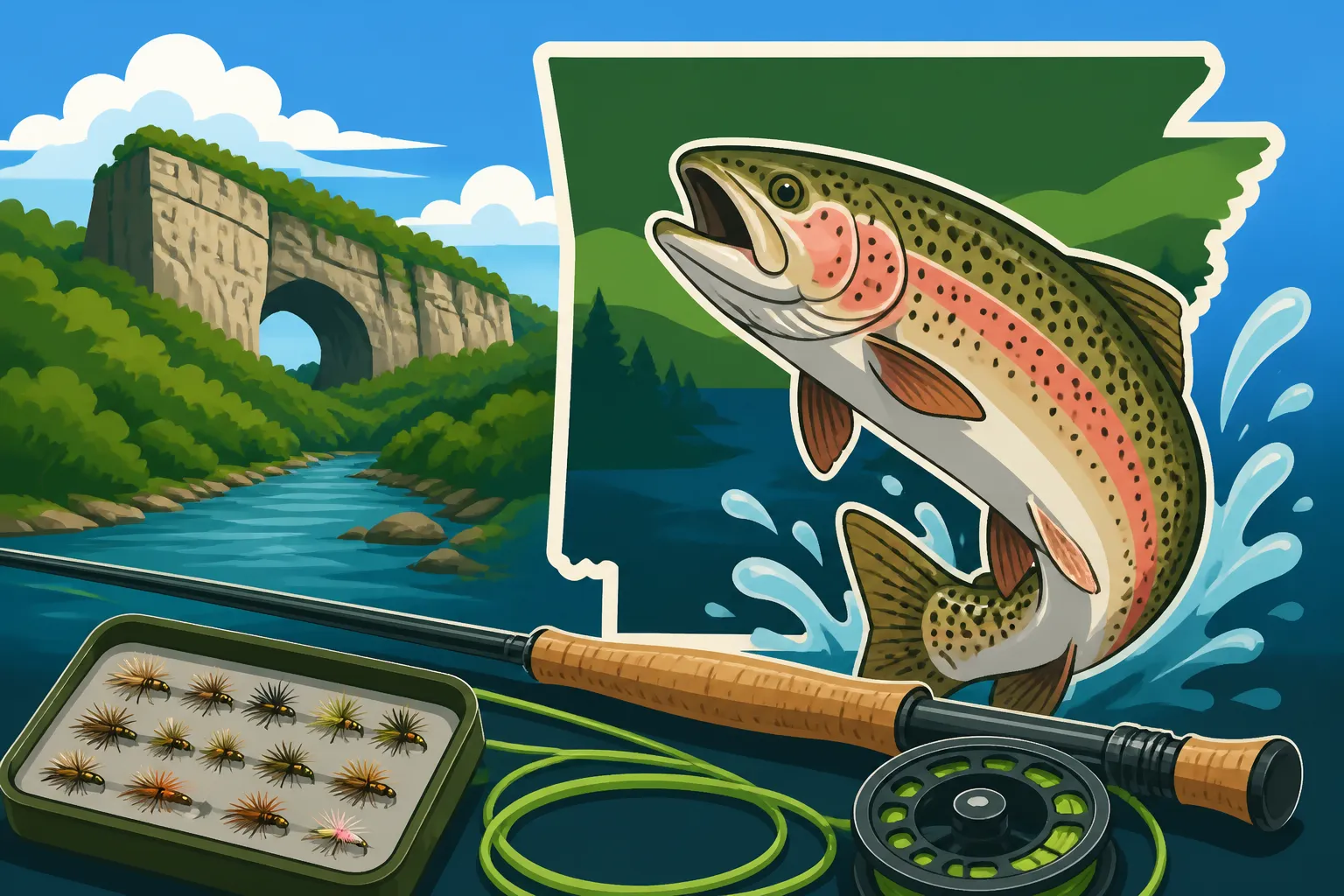
- Dry Flies: These imitate insects that float on the surface. Good general patterns include the Adams, Elk Hair Caddis, Parachute Adams, and Griffith's Gnat in sizes #12-18. These will cover a wide range of aquatic insects that trout feed on. Remember, "hatch matching" is often key, so having a few different colors and sizes is good.
- Nymphs: These imitate immature insects that live underwater. Nymphs are often more consistently effective than dry flies, as trout feed on subsurface insects year-round. Start with popular patterns like the Pheasant Tail Nymph, Hare's Ear Nymph, Prince Nymph, and Zebra Midge in sizes #14-20. Having a few weighted options (with a bead head) is also useful to help them sink faster. If you're looking for specifics for your Arkansas adventure, check out our guide on Best Fly Patterns for Tailwater Trout.
- Streamers: These imitate baitfish or larger aquatic creatures. Woolly Buggers (in black, olive, or brown) in sizes #6-10 are a classic and highly effective streamer pattern. They can entice larger, more aggressive trout.
- Fly Box: You'll need a small, compartmentalized fly box to organize and protect your flies. A clear lid is a nice feature, so you can see what's inside without opening it.
Don't go overboard buying hundreds of flies. A dozen of each essential pattern in varying sizes will give you a solid foundation. You can always add more as you gain experience and learn what works best on your local waters. Many fly shops, and even Amazon, offer beginner assortments that can be a great starting point.
Waders, Boots, and Safety Gear
Unless you're planning strictly bank fishing, you'll need to get into the water, especially on Arkansas's famous trout streams.
- Waders: Breathable stockingfoot waders are the most comfortable choice, particularly for Arkansas's often warmer weather. Neoprene waders are great for cold conditions but can be stifling in summer. Make sure they fit well; too tight and they restrict movement, too loose and they'll chafe.
- Wading Boots: You'll need separate wading boots to wear over your stockingfoot waders. Look for boots with good ankle support and a felt sole or rubber sole with studs for traction on slippery riverbeds. Safety is paramount, especially when wading in strong currents, so good boots are a must.
- Wading Belt: Always wear a wading belt cinched snugly around your waist. This isn't just to keep water out; in the event of a fall, it can prevent your waders from filling completely with water, which can be incredibly dangerous.
- Personal Flotation Device (PFD): If you're fishing in swift currents or from a boat on a river like the White River, consider wearing a PFD. Safety first, always! Many anglers choose compact, inflatable PFDs that don't hinder casting.
Remember, the cold water of tailwaters, even on a warm day, can lead to hypothermia if you're not properly protected. Layers underneath your waders are key.
Tools and Other Small Essentials
These small items make a big difference in your overall fishing experience.
- Nippers: Small clippers for trimming line and tippet. Many come with an attached needle for clearing out knot eyes.
- Hemostats or Forceps: Essential for safely removing flies from a fish's mouth, especially if you're practicing catch-and-release.
- Strike Indicators: These small floats attach to your leader and help you detect subtle bites when nymph fishing. They're like miniature bobbers for fly fishing.
- Split Shot: Small weights that you can crimp onto your leader or tippet to help nymphs sink faster.
- Net: A rubber landing net is ideal for trout. The rubber mesh is gentler on fish scales and slime, minimizing harm, and also prevents your flies from getting tangled in the mesh.
- Sun Protection: Hat, sunglasses (polarized sunglasses are a game-changer for spotting fish and structure underwater, and crucial for eye protection from errant flies), and sunscreen.
- Vest or Pack: A fly fishing vest or small sling pack will help you organize and carry all your essential tools and flies within easy reach. This beats rummaging through a backpack every time you need something.
- Fishing License and Trout Permit: Don't forget these! In Arkansas, you'll need a valid state fishing license, and if you're targeting trout in designated trout waters (like the White River or Little Red River), you'll also need an Arkansas Trout Permit Rules. Make sure you understand the Arkansas Fishing Regulations Guide before you hit the water.
Putting It All Together: Your First Steps on the Water
Once you've assembled your gear, the real fun begins: learning to use it! Don't expect to be an expert caster on day one. Fly casting is a skill that takes practice, but the rewards are well worth it.
Assembling Your Gear and Practicing Your Cast
Before you even step foot in the water, spend some time in your backyard or a local park.
- Assemble Your Rod and Reel: Carefully connect your rod sections, aligning the guides. Attach your reel to the rod seat.
- Run Your Line: Pull out enough fly line to comfortably cast, plus some slack. Attach your leader (if not already done) and then a piece of tippet. For practice, tie a small piece of yarn or a straightened paperclip to the end of your tippet instead of a sharp fly. This will prevent injuries!
- Basic Cast: Focus on the fundamental overhead cast. It's essentially a smooth "stop-and-go" motion with your rod, allowing the line to unroll behind you and then in front of you. Think of it as painting a line on the sky with your rod tip. The key is rhythm and timing. There are excellent video tutorials online, and many local fly shops offer beginner casting clinics. Our article on How to Cast a Fly Rod for Beginners can also provide some initial guidance.
- Practice, Practice, Practice: The more you practice, the more natural the casting motion will become. Don't get discouraged! Even experienced anglers spend time refining their cast. Focus on smooth acceleration, crisp stops, and watching your line as it unrolls.
Where to Start in Arkansas: Beginner-Friendly Waters
Arkansas is a fantastic state for trout fishing, offering diverse options for new anglers.
- Designated Trout Waters: The state's cold tailwater fisheries are world-renowned. The White River, particularly below Bull Shoals Dam, and the Little Red River are prime destinations. These rivers are heavily stocked and hold a robust population of rainbow trout, with good numbers of brown trout, cutthroat, and brook trout as well. The constant cold water releases from the dams provide ideal conditions year-round. You can find more information in our Best Trout Fishing Spots in Arkansas guide.
- Public Access Points: Look for state parks or designated public access areas along these rivers. These spots often have easier bank access or wade-friendly areas. For example, some stretches of the White River below Bull Shoals offer excellent wading opportunities when the water generation is low. Our article on Trout Fishing Below Bull Shoals Dam on the White River has more details.
- Consider a Guide: While this guide focuses on your DIY setup, hiring a local guide for your first trip can be an invaluable experience. A good guide will not only put you on fish but also offer personalized casting instruction, teach you effective techniques like How to Nymph Fish for Trout or How to Dry Fly Fish for Trout, and help you understand the local conditions. They provide all the gear, so it's a great way to "try before you buy" a complete setup. If you're interested, you might check out options discussed in White River 8-Hour Guided Trout Trip Cost in Arkansas.
Remember to start simple, embrace the learning process, and enjoy being out in nature. Fly fishing is as much about the experience as it is about catching fish. Arkansas's beautiful rivers and streams are waiting for you to discover the magic of fly fishing.
Disclaimer
This article is for general informational purposes only and does not constitute professional advice. Laws, prices and regulations vary by location and change over time. Consult a qualified professional for guidance on your specific situation.