How to Set Up a Trotline for Catfish
Trying to catch a good mess of catfish in Arkansas can be a challenge with just a rod and reel, especially if you're looking to consistently put fresh fish on the table for a big family meal or a fish fry with friends. It can feel like you're putting in a ton of effort for a few bites, and sometimes you just want a more efficient way to utilize the abundant waters around us. That's where trotlines come in! This guide is going to walk you through everything you need to know about setting up a trotline for catfish here in Arkansas, from understanding the rules to getting your gear just right, so you can increase your chances of a successful haul.
Understanding Arkansas Trotline Regulations and Permits
Before you even think about buying a length of line or a hook, the absolute first step is to get familiar with the Arkansas Game & Fish Commission (AGFC) regulations. Trust me, the last thing you want is a hefty fine or your gear confiscated because you overlooked a small detail. Ignorance of the law is no excuse, and wardens are out there making sure everyone plays by the rules to protect our precious resources.
Legal Requirements for Trotlines in Arkansas
Arkansas has some very specific rules designed to ensure fair chase, prevent overfishing, and maintain safety for all water users. For trotlines, these regulations are particularly important. You can't just string up a line with a hundred hooks anywhere you please. First off, a trotline cannot exceed a certain length, and there's a limit on the number of hooks you can have on a single line. Currently, a trotline in Arkansas can be up to 100 feet long and can't have more than 50 hooks. Each hook must be spaced at least 2 feet apart. This spacing is critical not just for legal compliance, but also to prevent your hooks from tangling with each other, which can be a real headache when you're trying to check your line.
Another crucial rule is that trotlines must be clearly marked. This means attaching a durable, visible float or buoy at each end of the line. On these floats, you must permanently affix your name and address, or your AGFC customer identification number. This is how game wardens identify the owner of the line and ensure accountability. Imagine the frustration of setting a perfect line, only to have it pulled by a warden because it wasn't properly marked – all that effort for nothing! Always double-check these requirements because they can sometimes change, and it's your responsibility to be up-to-date.
Where You Can and Cannot Set Trotlines
Not all waters are created equal when it comes to setting trotlines. The AGFC designates specific areas where trotlines are prohibited to protect swimmers, boaters, and other anglers using different methods. For instance, trotlines are generally not allowed within 100 yards of public boat docks, swimming areas, or designated recreational zones. You also can't set them in small, private ponds or lakes unless you own the water body or have explicit permission and it's not open to the public. It's common sense, really – you don't want someone swimming into your hooks!
Furthermore, there might be specific rivers or sections of rivers, especially those designated for trout or other specialty fishing, where trotlines are restricted or entirely forbidden. Always consult the current Arkansas fishing regulations guide for precise details on specific water bodies you plan to fish. A little research beforehand can save you a lot of trouble and ensure your fishing trip goes smoothly without any unexpected run-ins with enforcement.
Necessary Licenses and Tags
Just like with any other method of fishing in Arkansas, you absolutely need a valid fishing license to set and fish a trotline. There's no special "trotline permit" per se, but your standard Arkansas Fishing License Rules and Costs covers this activity. Whether you're a resident or a non-resident, an annual license or a short-term license will generally suffice, as long as it's current. You can find more details on Arkansas Fishing License Types Explained if you're unsure which one is right for you.
For the trotline itself, as mentioned, it needs to be tagged with your identification. This isn't a separate permit you buy, but rather a requirement for marking your gear properly. The goal here is transparency and accountability. If your line is found unmarked or improperly identified, you could face Penalties for Fishing Without a License in Arkansas or even have your gear confiscated. It's a small detail that makes a huge difference, so make sure your name and address (or AGFC number) are permanently legible on those floats.
Essential Gear for a Successful Trotline Setup
Once you've got the regulations down, it's time to gather your arsenal. A successful trotline isn't just about luck; it's about having the right, durable gear that can withstand the elements and the powerful pulls of a hungry catfish. Investing in quality equipment from the start will save you frustration and money in the long run.
Choosing the Right Line and Hardware
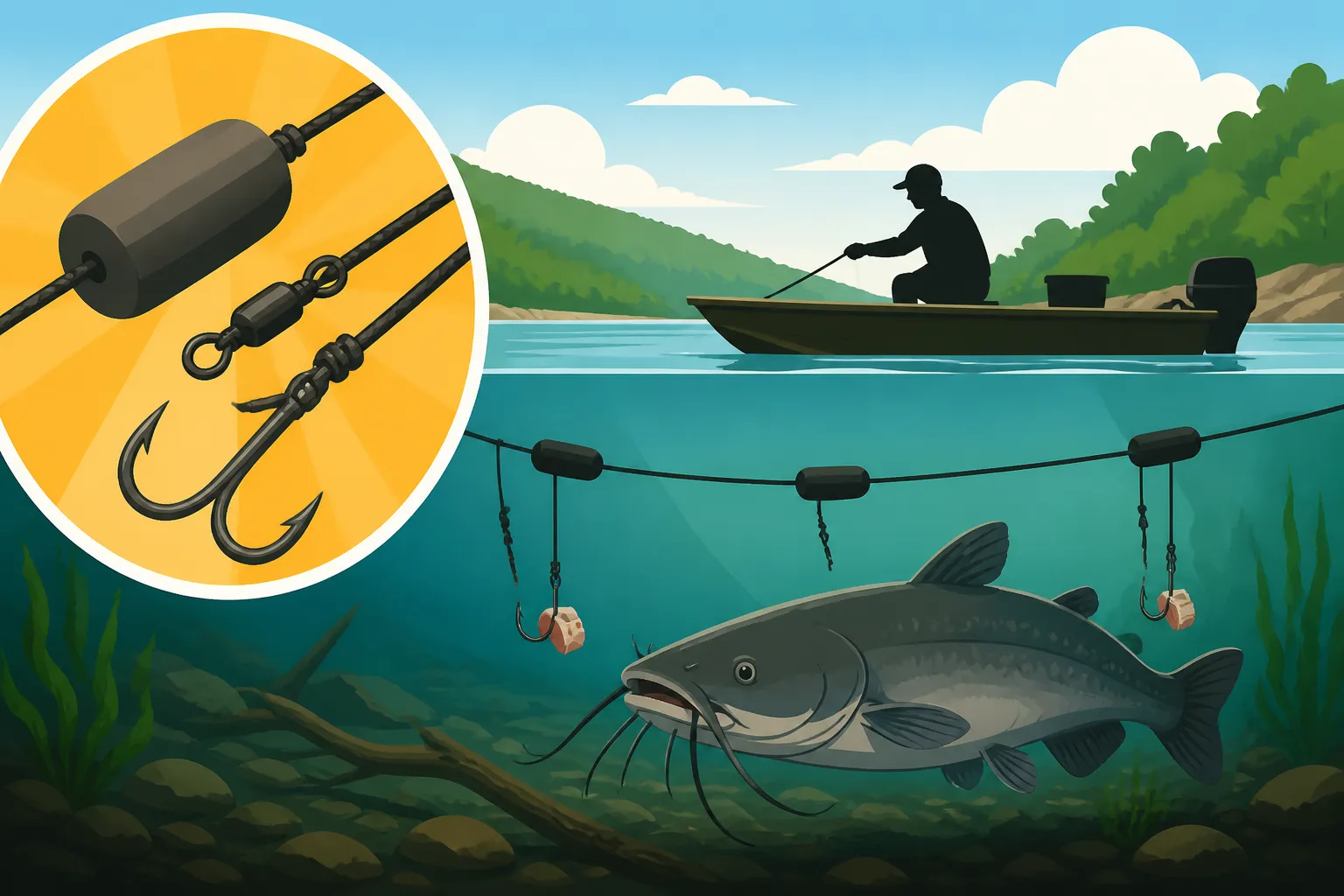
The backbone of your trotline is, well, the line itself! You want something strong, durable, and resistant to abrasion. For the mainline, many seasoned anglers opt for heavy-duty braided nylon or polypropylene rope. Nylon is incredibly strong and resistant to UV degradation, while polypropylene floats, which can be an advantage for certain setups. You'll want a diameter that's easy to handle but robust enough for big fish – usually between 1/4 inch and 3/8 inch.
For your gangions, which are the shorter lines connecting the hooks to the mainline, something like a heavy-duty monofilament or braided nylon line in the 80 to 150-pound test range works well. The key is to have them slightly weaker than your mainline, so if a hook snags, the gangion breaks before you lose your entire trotline. You'll also need good quality swivels to prevent line twist (especially if you're using cut bait that might spin in the current) and sturdy clips or snaps to attach your baited gangions to the mainline. You can find a fantastic selection of all these components, from various line types to heavy-duty swivels and snaps, on platforms like Amazon, making it easy to compare options and get exactly what you need delivered right to your door.
Selecting the Best Hooks and Bait for Catfish
When it comes to hooks, size matters, and for catfish, bigger is often better. Most trotliners will use stout, sharp hooks ranging from 6/0 to 9/0, depending on the size of catfish they're targeting. Circle hooks are a fantastic choice because they are designed to hook fish in the corner of the mouth, leading to fewer gut-hooked fish and making them much easier to release if they're not keepers. This also often results in a more secure hook-up, meaning fewer lost fish.
Now, for the fun part: bait! Catfish are opportunistic eaters and are attracted to strong scents. Cut bait is a perennial favorite; fresh shad, skipjack, or even bluegill cut into strips or chunks are incredibly effective. The oil and scent trail they create in the water are irresistible to catfish. Other popular choices include chicken livers, which are notoriously messy but highly effective, especially for channel catfish. Many anglers also have success with prepared "stink baits" or even simpler fare like hot dogs or nightcrawlers. The type of bait might depend on the specific water you're fishing and the preferences of the local catfish population. For more details on what works best, check out our guide on Best Bait for Catfish.
Anchors, Floats, and Markers
Your trotline needs to stay put, so good anchors are non-negotiable. Heavy items like bricks, cinder blocks, or specially designed lead anchors work perfectly. You'll need at least two, one for each end of your mainline. The weight will depend on the current in the water body; stronger currents require heavier anchors. Losing your trotline because of inadequate anchoring is a common and incredibly frustrating experience.
For floats and markers, visibility is key. You need something that's brightly colored and durable enough to withstand prolonged exposure to water and sun. Empty, tightly sealed plastic jugs (like gallon milk jugs, though many opt for more robust marine buoys) are commonly used. Remember, these need your identification permanently affixed to them. For night fishing or checking your lines in low light, adding reflective tape to your floats can make them much easier to spot with a flashlight, preventing you from fumbling around in the dark. Amazon offers a wide variety of durable marker buoys and marine-grade reflective tape that can greatly enhance the visibility and legal compliance of your trotline setup.
Step-by-Step Trotline Deployment in Arkansas Waters
Setting a trotline isn't just about throwing it in the water; there's a method to the madness that ensures efficiency, effectiveness, and safety. A well-prepared and strategically deployed trotline is the difference between a bountiful catch and a tangled mess.
Preparing Your Trotline Before Deployment
Preparation is key to a smooth trotline experience. Before you even head to the water, lay out your mainline and attach your gangions. Remember the 2-foot minimum spacing rule for hooks in Arkansas. Use strong knots for every attachment point – a weak knot can mean a lost fish or even a lost section of your line. A good snell knot for hooks and a reliable clinch knot for swivels are great choices. You might consider using heavy-duty swivels with snaps or clips, which allow you to pre-bait your gangions and then quickly attach them to the mainline once the trotline is deployed. This can save you a lot of time and hassle while on the water, especially if you're in a moving boat.
Pre-baiting your hooks on shore or in a stable boat is highly recommended. It’s much easier to thread on slippery chicken livers or chunks of shad when you're not battling currents or trying to balance in a boat. Have a designated bait bucket or container that's easy to access. Organizing your baited gangions neatly will prevent tangles during deployment, which is a common frustration for newcomers. Think of it like preparing all your ingredients before cooking a big meal – it just makes everything go smoother.
Strategic Placement and Anchoring Techniques
Where you set your trotline is just as important as how you set it up. Catfish, especially larger ones, tend to prefer structure and areas with current, as these provide ambush points and bring food to them. Look for features like submerged logs, brush piles, rock formations, channel drop-offs, or the edges of river bends. Areas where creeks flow into larger bodies of water are also excellent spots, as they often concentrate baitfish and provide oxygenated water. Remember, your goal is to place your line where catfish are likely to travel or feed.
To deploy, start by securing one anchor to the first end of your mainline. Carefully lower it into the water at your chosen spot. Then, slowly motor or row your boat in a straight line, paying out the mainline, ensuring it doesn't get tangled. As you move, attach your baited gangions at regular intervals, keeping them from tangling with each other or the mainline. Once you've reached the desired length (up to 100 feet in Arkansas), secure the second anchor and lower it. Make sure both ends are marked with your legal identification floats. Try to set your line perpendicular to the current if possible, allowing the scent of your bait to spread effectively downstream, drawing in hungry catfish. Remember, if you're trying to fish for a limited time, our guide on Jug Fishing Basics for Catfish might offer a good alternative.
Checking and Retrieving Your Trotline Safely
Checking your trotline regularly is essential for several reasons: it keeps your bait fresh, allows you to harvest your catch, and is often a legal requirement. In Arkansas, you usually need to check your trotline at least once every 24 hours. However, for best results and to minimize stress on the fish, checking it more frequently, perhaps every 8-12 hours, is advisable, especially in warm weather when bait can spoil quickly.
When checking or retrieving, always prioritize safety. Wear sturdy gloves to protect your hands from hooks and rough line. Keep a de-hooker handy for removing hooks from fish you intend to release, and a sharp knife in case you need to cut a line in an emergency. Approach your trotline carefully, preferably from the up-current side, to avoid spooking fish and to manage the line more easily. Start by untying one anchor and slowly pulling the line into your boat, removing fish as you go. Be prepared for strong tugs if you've hooked a big one! Having a clear area in your boat for fish and a cooler with ice will make the process much smoother. For tips on managing your catch, especially if you're setting your trotline overnight, check out our guide on How to Set a Trotline Overnight.
Maximizing Your Catfish Catch and Maintaining Your Gear
Beyond the basic setup, there are always little tricks and considerations that can significantly improve your success rate and ensure your gear lasts for many seasons to come. Becoming a proficient trotliner means understanding both the fish and your equipment.
Best Practices for Attracting Catfish
To consistently catch catfish on your trotline, think like a catfish! They are primarily nocturnal or crepuscular (active during dawn and dusk), so setting and checking your lines during these low-light periods can often yield the best results. The scent of your bait is their primary attraction, so using fresh, oily bait that releases a strong odor is crucial. Cut bait from oily fish like shad or skipjack is excellent for this. You can even score the sides of larger baitfish to help release more scent.
Consider the water temperature and season. Catfish activity often picks up in warmer months, and they tend to feed more aggressively at night. During colder months, they might be slower and prefer deeper holes. Knowing the Best Time of Day to Catch Catfish and understanding that Is Night Fishing Good for Catfish? are key factors that can dramatically influence your success. Paying attention to current, water clarity, and recent weather patterns can also give you an edge, helping you choose the best bait and location for your line.
Troubleshooting Common Trotline Issues
Even the most experienced trotliners encounter problems. Tangles are a perennial headache, often caused by improper deployment, strong currents, or active fish. The best defense is careful deployment and using swivels on your gangions. If you're consistently getting snagged on the bottom, your anchors might be too heavy for the depth, or your line is drifting into submerged hazards. Consider using slightly lighter anchors or adjusting your placement.
Losing bait is another common issue. Small fish like sunfish or turtles can strip your hooks clean before the catfish arrive. Using larger, tougher chunks of bait can help, as can adjusting your hook size. Sometimes, simply changing bait types or checking your line more frequently can make a difference. Unwanted species can also be a nuisance; if you're consistently catching turtles, for example, you might need to try a different bait or location where catfish are more dominant. Keep a pair of pliers or a de-hooker handy for safely releasing any bycatch.
Care and Storage for Longevity
Taking good care of your trotline gear extends its life and keeps you ready for your next trip. After each outing, especially if you've caught fish, it's a good idea to thoroughly clean your mainline, gangions, and hooks. Rinse them off with fresh water to remove any fish slime, dirt, or debris. This also helps to wash away any lingering bait scent that might attract rodents or other pests during storage.
Once clean, let everything air dry completely. Storing wet line can lead to mold, mildew, and premature degradation of the material. Once dry, carefully wrap your mainline on a spool or in a bucket, keeping it untangled. Remove all hooks from the gangions, clean them, and spray them with a corrosion inhibitor if they're not stainless steel. Store hooks and swivels in a separate tackle box or plastic container to prevent rust and keep them organized. Keeping your trotline neat and ready means less setup time on your next adventure, allowing you to focus on the thrill of the catch! You can find excellent storage containers and line winders on Amazon to help keep all your gear in top shape.
| Feature | Arkansas Trotline Regulation |
|---|---|
| Max Length | 100 feet |
| Max Hooks | 50 hooks |
| Hook Spacing | Minimum 2 feet apart |
| Marking Required | Visible float/buoy at each end |
| ID on Float | Name, address, or AGFC customer ID number (permanently affixed) |
| License | Valid Arkansas fishing license required |
| Check Frequency | At least once every 24 hours |
| Prohibited Areas | Within 100 yards of public boat docks, swimming areas, etc. |
Disclaimer
Please remember that fishing regulations can change. While every effort has been made to provide accurate and up-to-date information, it is always your responsibility to consult the latest official regulations from the Arkansas Game & Fish Commission (AGFC) before engaging in any fishing activities.