Winter Trout Fishing on the Norfork Tailwater in Arkansas
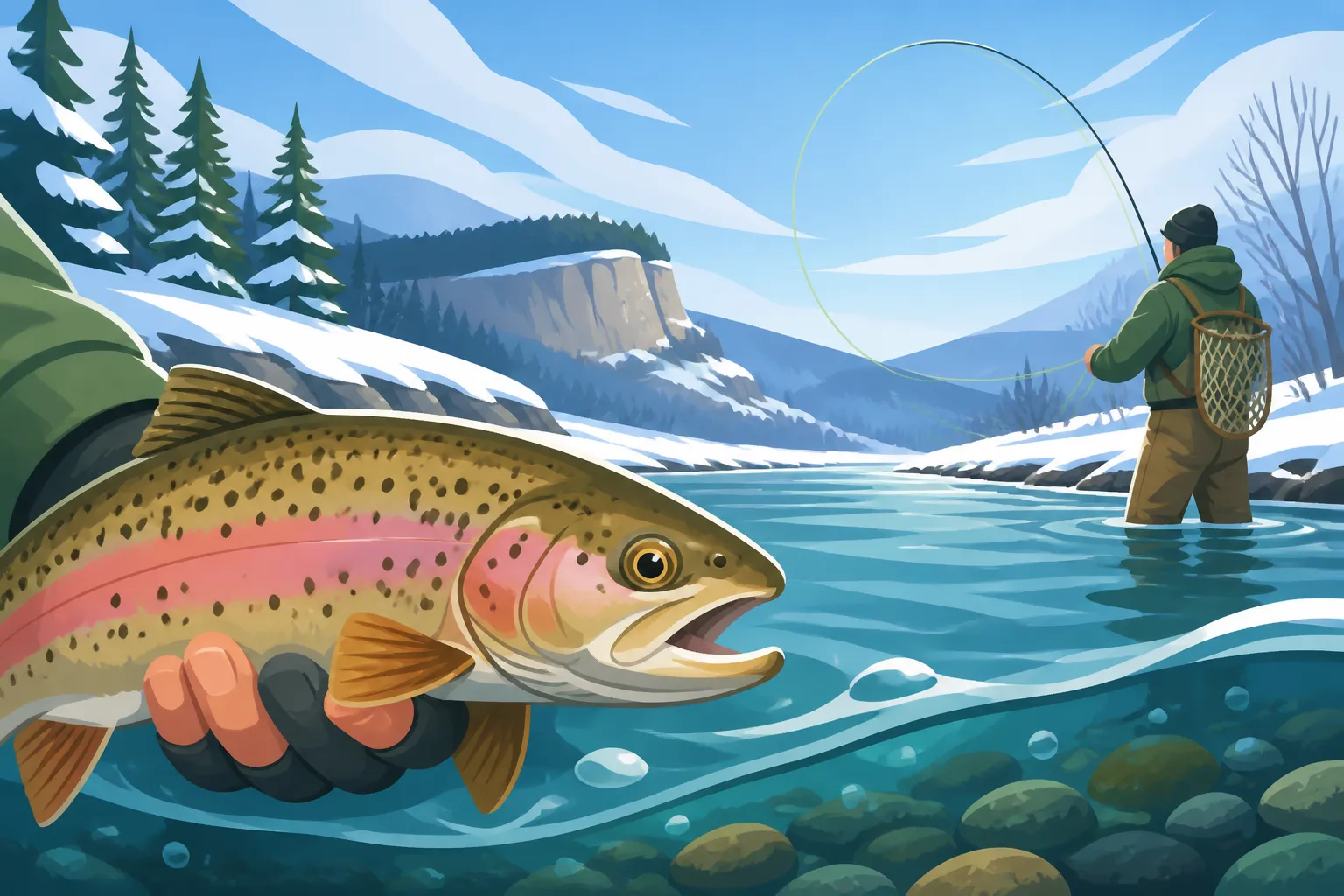
There's a common misconception out there that once the chill of winter sets in, the fishing just stops. Many anglers pack up their gear, resigning themselves to months of dreaming about spring. But what if I told you that some of the most serene and productive trout fishing in Arkansas actually happens when the temperatures drop? The Norfork Tailwater, a gem nestled in the Ozarks, truly shines in winter, offering incredible opportunities for those willing to brave the cold. This guide is all about helping you unlock the secrets to successful winter trout fishing on this amazing river.
Why Winter is Prime Time on the Norfork Tailwater
Let's be real, the thought of fishing in cold weather might not sound appealing to everyone. But for those of us who love the tranquility and challenge of trout fishing, winter on the Norfork Tailwater is a season you absolutely don't want to miss. It's a completely different experience than the hustle and bustle of spring or summer, and often, it's a far more rewarding one.
Understanding the Tailwater Advantage
One of the biggest frustrations for river anglers is inconsistent water conditions. Flash floods, low flows, and fluctuating temperatures can make planning a trip feel like a gamble. But here's where the Norfork Tailwater, like other tailwaters in Arkansas, really stands out, especially in winter. The water released from Norfork Dam comes from the deep, stable layers of Norfork Lake. This means that downstream, the river maintains a surprisingly consistent temperature year-round. While the air temperature might be freezing, the water itself rarely experiences the drastic temperature swings that affect free-flowing streams.
This thermal stability is crucial for trout. They thrive in cold, oxygen-rich water, and the dam releases provide just that. This consistency also means a more stable food source for the trout. Insect larvae, scuds, and other aquatic life aren't as impacted by surface freezes or thaws. You won't find the river freezing over or becoming too warm for the trout, which can be a real game-changer when other waterways are completely locked up or too stressed for good fishing. This consistent environment often leads to healthier, more active fish, even in the dead of winter. It truly makes the Norfork one of the Best Trout Fishing Spots in Arkansas.
Fewer Crowds and Serene Beauty
If you've ever tried to fish the Norfork or the White River during peak season, you know how crowded it can get. Boats everywhere, anglers shoulder-to-shoulder, and the constant hum of motors can sometimes detract from the peaceful experience we all crave when we're out on the water. This is another major frustration that winter fishing on the Norfork gracefully alleviates.
Come winter, the crowds thin out dramatically. You'll often find yourself with entire stretches of the river practically to yourself. This solitude is something truly special. Imagine casting your line into pristine, quiet waters, surrounded by the crisp air and the serene beauty of the Ozarks in winter. The trees, often bare, reveal stunning geological features, and the silence is only broken by the occasional call of an eagle or the splash of a rising trout. It's an opportunity to truly connect with nature, without the distractions of a busy waterway. For those seeking a more personal, reflective angling experience, winter on the Norfork is an absolute dream. It's a chance to experience the river as it truly is, raw and untouched, allowing you to focus purely on the art of fishing.
Essential Gear and Tackle for Winter Success
Alright, let's talk brass tacks. You can't just head out in your summer shorts and a t-shirt, no matter how consistent the water temperature is. Winter fishing, especially on a cold tailwater like the Norfork, demands preparation. The right gear isn't just about comfort; it's about safety and ultimately, your enjoyment. Nothing ruins a fishing trip faster than being miserably cold or wet.
Layering Up for Comfort
The key to staying warm in winter isn't one thick jacket; it's smart layering. Think about those chilly mornings that might warm up a bit by midday, only to drop sharply again as the sun dips. You need to be able to adjust. Start with a good base layer. This means moisture-wicking materials like merino wool or synthetic fabrics, not cotton. Cotton holds moisture, which will make you cold. Brands like Patagonia or Smartwool make excellent base layers, but you can find great, affordable options on Amazon as well.
Next, a mid-layer or two for insulation. Fleece jackets, down vests, or even heavier wool sweaters work perfectly. These trap warm air close to your body. Finally, an outer shell that is both waterproof and windproof. This is your shield against the elements – chilly winds, light rain, or even snow flurries. Look for jackets with GORE-TEX or similar waterproofing. Don't forget your extremities! A warm, insulated hat is crucial, as is a good pair of gloves (or fingerless gloves for dexterity, with warm mitts to pull over when not actively fishing). Waterproof, insulated socks are a must, ideally paired with high-quality waders and wading boots. Staying dry is paramount. For more detailed insights, check out What to Wear on a White River Guide Trip in Arkansas, which offers great advice applicable to the Norfork too.
Rods, Reels, and Line Choices
When it comes to your fishing setup, finesse is often the name of the game in winter. Trout can be more lethargic and less aggressive, meaning subtle presentations are key.
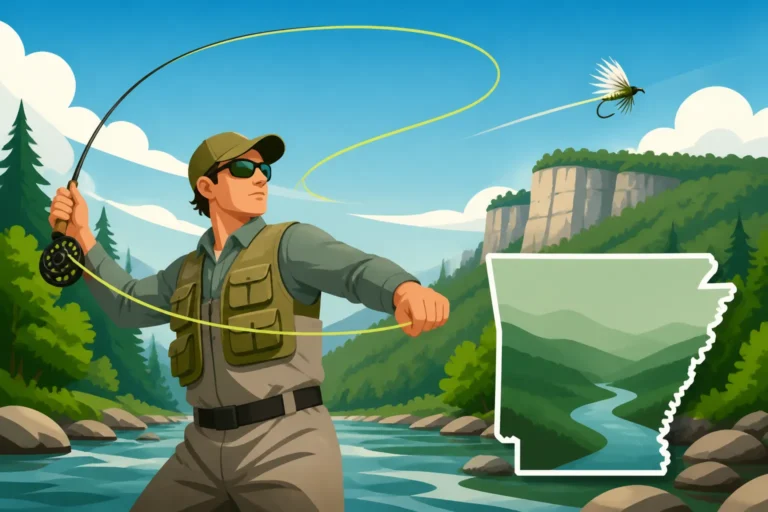
- Rods: For spin fishing, a light to medium-light action rod, around 6 to 7 feet in length, is ideal. This allows for sensitive feel, crucial for detecting those subtle winter bites, and provides enough backbone for fighting larger trout. For fly fishing, a 4- to 6-weight rod, 8.5 to 9 feet long, is versatile enough for nymphing, indicator fishing, or even small streamers.
- Reels: Pair your spinning rod with a smaller, smooth spinning reel (e.g., 1000 or 2000 size) that has a reliable drag system. For fly fishing, a matching reel that balances your rod is all you need; the reel's primary function is line storage and balance, not fighting fish in fly fishing.
- Line: For spin fishing, consider a lighter fluorocarbon line (4-6 lb test) or a thin braided line with a fluorocarbon leader. Fluorocarbon is nearly invisible underwater and has excellent abrasion resistance, which is perfect for clear winter waters. For fly anglers, a good quality floating line is standard, with fluorocarbon or monofilament leaders and tippets in the 4x to 6x range, depending on your fly size. Remember, thin diameter lines can make a huge difference when trout are being finicky.
Baits, Lures, and Flies that Produce
Winter trout can be picky, so having a diverse arsenal is always a good idea. The cold water often means they're less willing to chase, preferring an easy meal.
- Live Bait: For spin fishing, natural baits can be incredibly effective. Worms, especially smaller garden worms, are always a good bet. Corn, in moderation, can also entice bites. Many anglers also have great success with PowerBait or similar scented dough baits, presented on a small treble hook with a light sinker. Drifting these baits along the bottom can be very productive.
- Artificial Lures: Small inline spinners like a classic Rooster Tail or a Panther Martin can still work wonders, especially in sizes 1/16 to 1/8 ounce. Colors like white, silver, black, or even chartreuse can be effective. Small spoons, such as a 1/8-ounce Kastmaster, can mimic baitfish and are good for casting into deeper pools. Tiny jigs, often called "micro jigs" or "trout magnets," in white, pink, or chartreuse, fished under a small float or slowly bounced along the bottom, are also winter staples. You can find a huge variety of these effective lures and baits on Amazon to stock your tackle box.
- Flies: Fly anglers will want to focus heavily on nymphing. Small patterns that imitate midges are paramount. Think Zebra Midges (black, red, olive), thread midges, and various sizes of these tiny flies. Other effective nymphs include Pheasant Tails, Hare's Ears, and small scud patterns (e.g., Sowbugs) that imitate the crustaceans found in abundance in tailwaters. Egg patterns can also be irresistible to trout, especially after dam releases. Sometimes, a tiny streamer (e.g., a size 10-14 Woolly Bugger in olive or black) can elicit an aggressive strike, especially during periods of higher generation. Remember that Trout Limits on the Norfork Tailwater in Arkansas will apply to whatever you catch, so be sure to check the specific regulations.
Here's a quick reference table for effective winter presentations on the Norfork:
| Presentation Type | Recommended Baits/Lures/Flies | Best Usage/Technique |
|---|---|---|
| Live Bait | Worms, Trout Dough (e.g., PowerBait) | Drifting slowly on the bottom, still fishing in deeper pools |
| Spinners/Spoons | 1/16 – 1/8 oz Inline Spinners (Rooster Tail, Panther Martin), Small Spoons (Kastmaster) | Slow retrieve, varied depth, mimicking baitfish |
| Jigs | Micro Jigs (Trout Magnets), 1/32 – 1/16 oz Jigs (pink, white, chartreuse) | Fished under a small float, slowly bounced along the bottom, vertical jigging in deeper spots |
| Nymphs | Zebra Midge, Pheasant Tail, Hare's Ear, Scud/Sowbug, Egg Patterns | Dead drift under an indicator, tandem nymph rigs, targeting slower currents |
| Streamers | Small Woolly Buggers (olive, black) | Slow retrieve, jigging motion in deeper water, during higher generation |
Mastering Winter Techniques on the Norfork
Winter fishing isn't just about different gear; it's about adapting your approach. Trout behave differently in cold water, and understanding these changes is key to consistent success. Forget the fast, aggressive retrieves you might use in summer – winter demands patience and precision.
Reading the Water in Cold Conditions
One of the most important skills to hone for winter trout fishing is learning how to "read" the water. In colder temperatures, trout become more lethargic. They're not expending as much energy to feed or fight currents. This means they'll seek out slower-moving water, often deeper holes, eddies, and current seams where food is delivered to them with minimal effort. Look for areas where the current slows down, behind large rocks, logs, or in deep bends of the river. These are their winter holding spots, offering both refuge and an easier feeding lane.
During periods of low generation from the dam, trout might spread out more, but still favor deeper areas. When generation picks up, they might move closer to the banks, out of the strongest current, but still in water that provides a steady flow of food. Pay close attention to subtle changes in water depth and current speed. Don't be afraid to probe different depths in a given area; sometimes, just a foot or two can make all the difference. Understanding Arkansas Fishing Regulations Guide will also inform where you can legally fish, as certain areas might have specific rules for wading or access.
Slow and Subtle Presentation
This really can't be stressed enough: slow down. When water temperatures drop, trout's metabolism slows right along with it. They won't chase a fast-moving lure or dart after a quickly retrieved fly like they might in warmer months. Your presentation needs to be subtle, often mimicking a natural, drifting food source.
For spin anglers, this means a very slow retrieve with spinners or spoons, just enough to get the blade or wobble working. Many times, you'll want to let your bait or jig drift naturally with the current, only imparting tiny twitches. If using PowerBait, let it sit on the bottom in a likely holding area. For fly fishers, dead drifting nymphs under an indicator is the predominant winter technique. Ensure your flies are drifting at the same speed as the current, without drag. Long leaders and light tippets help achieve this natural drift. The takes can be incredibly subtle – sometimes just a slight pause or twitch of your indicator is all you'll get. Patience and focus are your best friends here. You might be targeting Rainbow Trout Fishing on Arkansas's White River or brown trout, and both will respond to a slower presentation.
Safety First: Staying Warm and Prepared
Winter fishing offers incredible rewards, but it also carries inherent risks if you're not prepared. The cold is no joke, and a sudden slip or unexpected change in weather can turn a great day into a dangerous situation.
Always inform someone of your fishing plans – where you're going and when you expect to return. Carry a fully charged cell phone. Pack extra layers of clothing, even if you think you won't need them, stored in a waterproof bag. Hand warmers and foot warmers are little luxuries that make a huge difference, and a thermos full of hot coffee, tea, or cocoa can be a lifesaver. Be mindful of changing weather conditions. A sunny morning can quickly turn into a cloudy, windy, and much colder afternoon.
Perhaps the most critical safety consideration on a tailwater like the Norfork is paying attention to dam generation schedules. The water level can rise rapidly and unexpectedly. Always be aware of your surroundings, know your escape routes, and never wade into areas that might become unsafe if water levels increase. A good pair of studded wading boots can also prevent slips on icy or mossy rocks. Remember, enjoying the fishing means getting home safe.
Navigating Norfork Access and Regulations
The Norfork Tailwater is a publicly accessible resource, but knowing where to go and understanding the specific rules for that particular stretch of water is vital. It's not a "one size fits all" situation when it comes to Arkansas fishing regulations, and the Norfork has some unique characteristics.
Key Access Points and Their Winter Appeal
The Norfork Tailwater offers several excellent access points, each with its own advantages, particularly in winter:
- Quarry Park: This is a very popular spot, and for good reason. It offers easy access to the river with good bank fishing opportunities, especially for those who prefer not to wade extensively. In winter, the well-maintained access makes it a comfortable spot to set up. It's also a great launch point for drift boats or kayaks if you're doing a float trip. You'll find a variety of water, from slower pools to faster runs, allowing for different techniques.
- Dry Run Creek: While primarily known as a trophy trout fishing area for youth and mobility-impaired anglers (with very specific rules), the main Norfork River adjacent to Dry Run Creek offers excellent fishing. During winter, the proximity to this special area often means a concentrated population of fish nearby. It's a great spot for wade fishing on lower generation days, but be respectful of the special regulations for Dry Run Creek itself.
- River Ridge Access: Further downstream, River Ridge offers more remote access, often meaning even fewer anglers. It's a fantastic spot for those looking to wade or fish from the bank in solitude. The water here tends to be a bit wider and shallower in places, providing good nymphing opportunities.
No matter which access point you choose, always verify current conditions, including water generation schedules, before you head out. These can greatly influence which areas are fishable and safe. Many local guide services, like those found around Cotter, Arkansas, often use these access points for their clients, attesting to their quality.
Understanding Norfork's Specific Rules
Fishing on the Norfork Tailwater requires strict adherence to Arkansas Game and Fish Commission (AGFC) regulations. These rules are in place to protect the fishery and ensure its health for generations of anglers to come. A general Arkansas Fishing License Rules and Costs is required for most anglers, and that includes you.
Critically, you will need an Arkansas Trout Permit Rules in addition to your general fishing license if you intend to fish for or keep trout. Many people overlook this, but it's a separate permit and an absolute must. You can often purchase both your general license and your trout permit online through the AGFC website or at authorized retailers. Check out How to Buy an Arkansas Fishing License Online for a straightforward process.
Specific regulations for the Norfork Tailwater are designed to manage its trophy trout potential. The current regulations stipulate a daily limit of two (2) rainbow trout on the Norfork Tailwater. There are also specific rules regarding brown trout: any brown trout between 24 and 30 inches must be immediately released, and only one brown trout over 30 inches may be kept daily. These regulations are subject to change, so always double-check the latest AGFC fishing guide before your trip. For example, Do you need a trout permit to keep trout in Arkansas? is a common question, and the answer is a resounding yes. Being informed protects you from penalties and helps conserve this incredible resource.
Disclaimer
Please note that fishing regulations, license requirements, and access conditions can change. Always consult the most current Arkansas Game and Fish Commission (AGFC) regulations and official sources before planning and embarking on any fishing trip. This guide is for informational purposes only and does not supersede official AGFC publications.