Norfork Lake Striped Bass Season
There's nothing quite like the thrill of chasing striped bass, especially on a lake as legendary as Norfork. But let's be honest, trying to figure out the "best" time to go, what techniques to use, and where to even start can feel like trying to solve a puzzle with half the pieces missing. Many anglers get frustrated because what worked last month might not work today, and those trophy stripers can seem to disappear overnight. This guide is designed to cut through that confusion, offering a detailed, season-by-season breakdown of Norfork Lake's striped bass fishing, so you can plan your next trip with confidence and know exactly what to expect.
Understanding Norfork Lake's Striped Bass Ecosystem
Norfork Lake, nestled in the beautiful Ozarks, isn't just a body of water; it's a dynamic ecosystem where striped bass thrive, providing some of the most exciting freshwater fishing experiences in Arkansas. These powerful, hard-fighting fish are drawn to Norfork's deep, clear waters and abundant forage base, which primarily consists of threadfin and gizzard shad. Understanding the seasonal movements and feeding habits of stripers is absolutely key to consistently finding them.
The Role of Water Temperature and Oxygen Levels
Striped bass are highly sensitive to water temperature and dissolved oxygen levels. Unlike some other species that can tolerate a wider range, stripers prefer cooler water, ideally in the 60s and low 70s Fahrenheit. During the warmer months, as surface waters heat up, they'll seek out deeper, cooler, and more oxygenated zones. This is known as the "thermocline," and it essentially acts as a comfort zone for many fish, including stripers and their prey. Knowing how to locate this vital zone can dramatically increase your success rate, especially when the mercury starts to climb. Conversely, in winter, as the entire water column cools, stripers can be found more widely dispersed, often shallower than you might expect.
Forage Base: The Shad Connection
The backbone of Norfork Lake's incredible striped bass fishery is its abundant shad population. Both threadfin and gizzard shad are prolific baitfish that provide a consistent food source for stripers, allowing them to grow to impressive sizes. When you're out on the lake, paying attention to your electronics for bait balls is just as important as looking for the stripers themselves. Where there's bait, there are usually predators close behind. During different seasons, shad will move into creeks, suspend in open water, or hold on points, and the stripers will follow them relentlessly. This "follow the food" mentality is fundamental to a successful striper fishing strategy on Norfork Lake. If you're looking for where to catch 40-pound stripers on Norfork Lake, it almost always starts with finding the bait.
Spring: The Awakening of Norfork Stripers
Spring on Norfork Lake is a time of transition and renewed activity for striped bass. As water temperatures begin to climb after the cold winter months, stripers become more active, moving out of their deep winter haunts and following baitfish into shallower areas. This season often offers some of the most consistent and exciting striper action of the year.
Early Spring Tactics: Following the Warming Water
In early spring, typically from March into early April, Norfork Lake's waters are still on the cooler side. The striped bass will start to push into the major creek arms and shallower main lake points, chasing shad that are also moving up from deeper water. This is a fantastic time for trolling larger crankbaits or bucktail jigs, as the fish are often spread out but actively searching for food. Look for water temperatures in the low to mid-50s. Live bait, like threadfin or gizzard shad, drifted under a balloon or slow-trolled, can also be incredibly effective during this period. The stripers are hungry and less wary than they might become later in the year, making them eager to strike. You might find success fishing early morning or late afternoon, but often, the fish will bite throughout the day as they feed aggressively.
Late Spring: Post-Spawn Movement and Sustained Action
As spring progresses into May and early June, the lake fully warms up, and the stripers have completed their spawning rituals in the rivers upstream (though Norfork is primarily a put-and-take fishery, these instincts still drive behavior). Water temperatures will typically be in the high 50s to low 70s. During this phase, stripers will often be found suspended over humps, points, and channel swings, particularly in the lower end of the lake, especially near the dam. This is when you can see massive schools of baitfish and stripers congregating, making it a prime time for vertical jigging with heavy spoons or fishing with live bait. Trolling large swimbaits or umbrella rigs can also be highly productive, especially for targeting deep water striper fishing techniques. If you're new to the lake, consider checking out local tackle shops or online resources like Amazon for quality depth finders that can really help you locate these suspended schools of fish and bait. For the best month to catch striped bass at Norfork Lake Arkansas, late spring is definitely a contender.
Summer: Deep Water Challenges and Rewards
Summer fishing on Norfork Lake for striped bass requires a significant shift in strategy. As surface temperatures soar and oxygen levels diminish in shallower depths, stripers retreat to the cooler, more oxygenated waters of the thermocline. This can make them harder to find, but once you do, the action can be phenomenal.
Locating the Thermocline and Deeper Structure
During July, August, and early September, the key to summer striper success on Norfork is finding the thermocline. This layer, often found anywhere from 30 to 70 feet deep, is where stripers feel most comfortable. They'll relate to deep points, submerged islands, and main lake channel edges that offer access to this cooler water. Your boat's electronics, especially a good fish finder, become your most valuable tool. You're not just looking for fish; you're looking for the layer of life, which includes baitfish, stripers, and other game species. Once you've identified the thermocline, focus your efforts there. If you're in the market for new electronics, you can find excellent options and compare models easily on platforms like Amazon.
Effective Summer Techniques: Downrigging and Live Bait
When the stripers go deep, anglers need to go deep with them. Downrigging is perhaps the most popular and effective method for summer stripers on Norfork. This technique allows you to present baits and lures at a precise depth, directly in the strike zone. Large spoons, bucktail jigs, or even live gizzard shad are excellent choices to run off downriggers. Many anglers will run multiple lines at varying depths until they find the fish. Another highly effective method is fishing live bait directly over deep schools of stripers. This involves using heavy weights to get your bait down quickly to the fish you see on your sonar. Sometimes, a "dead stick" approach, where you simply suspend a live bait in the striper zone with minimal movement, can trigger bites from wary fish. Remember to check out the Arkansas Fishing Regulations Guide for any special rules regarding baitfish use.
Fall: The Return to the Shallower Zones
As the long, hot days of summer give way to the crisp air of autumn, Norfork Lake undergoes another transformation. The water temperatures begin to drop, and the thermocline breaks up, allowing stripers to once again move more freely throughout the water column. This season is often hailed as one of the very best for trophy striped bass.
Early Fall: Scattered but Active Fish
In early fall, typically September and October, Norfork Lake's waters are still warm enough for stripers to be scattered, but they will start to explore shallower depths more consistently, especially in the mornings and evenings. Baitfish, too, become more active and less concentrated, mirroring the stripers' movements. This is a fantastic time for topwater action, particularly around dawn and dusk, as stripers will aggressively chase shad on the surface. Look for schooling activity on the main lake points and creek mouths. Trolling methods continue to be effective, but consider trying various depths, as the fish might not be locked into a specific thermocline anymore. If you're unsure about specific lures, a quick search on Amazon for "striped bass topwater lures" can give you plenty of options to experiment with.
Late Fall: Aggressive Feeding Before Winter
By late fall, usually November and into December, Norfork Lake's water temperatures will have cooled significantly, often into the 50s. This triggers a major feeding binge for striped bass as they try to fatten up for winter. They'll often school up in larger numbers and become incredibly aggressive. The shad will also start to congregate in larger, tighter schools, making them easier for stripers to ambush. This is a prime time for power fishing with large swimbaits, jerkbaits, and even casting bucktail jigs into schooling fish. Live bait fishing with large gizzard shad remains a top producer, especially when drifted over deep flats or along channel edges. The cooler temperatures also mean that you might find stripers in shallower water for longer periods throughout the day, providing more opportunities for success. For those interested in Norfork Lake's Reputation for Trophy Striped Bass Fishing, late fall is often when some of the biggest fish are caught.
Winter: Challenging but Rewarding Opportunities
Winter fishing for striped bass on Norfork Lake can be the most challenging, but it can also be incredibly rewarding for those who brave the cold. The key to success lies in understanding how stripers adapt to the frigid water and where they seek refuge and food.
Locating Wintering Schools
In the depths of winter, from late December through February, Norfork Lake's water temperatures will be at their lowest, often in the 40s. Striped bass tend to school up tightly during this period, often congregating in large numbers in deep main lake channels, bluff ends, and around significant underwater structure. They're trying to conserve energy, so their movements will be slower, but they still need to feed. This is when your electronics are absolutely crucial for finding those dense schools. Don't be surprised to find them 50, 70, or even 100 feet deep. It’s also important to be prepared for the elements; investing in good thermal gear, which you can easily find on Amazon, will make your trip much more enjoyable.
Slow and Deliberate Techniques
Aggressive tactics from other seasons usually won't cut it in winter. Instead, a slow and deliberate approach is key. Live bait, particularly large gizzard shad, fished directly over the schools is often the most consistent producer. Use heavy weights to get your bait down, and be prepared for subtle bites. Vertical jigging with heavy spoons or large jigging baits can also work, but again, a slower, more methodical presentation is typically more effective. Don't be afraid to let your bait sit for extended periods once you've located a school. Remember, these fish are trying to conserve energy, so they're less likely to chase. A tantalizing, easy meal is what they're after. While the fishing can be slow, when you hit a school of winter stripers, the action can be fast and furious, with multiple hookups possible. Understanding the Arkansas Fishing Seasons Guide can help you prepare for not just stripers but other species as well.
Key Factors for Consistent Norfork Striper Success
Beyond the seasonal patterns, there are several overarching factors that influence striped bass fishing on Norfork Lake. Paying attention to these details can make a significant difference in your catch rate, no matter the time of year.
Weather Patterns and Their Impact
Weather plays a huge role in striped bass behavior. Stable weather patterns, especially those with several days of consistent conditions, usually lead to more predictable fishing. Frontal passages, on the other hand, can shut down the bite or move fish around dramatically. Cold fronts, in particular, often make stripers lethargic and less willing to bite. On the flip side, approaching low-pressure systems and cloud cover can sometimes trigger aggressive feeding frenzies before a storm hits. Always check the forecast before you head out, and be prepared to adjust your tactics based on what Mother Nature throws at you. For a comprehensive look at how environmental factors play a role, consider reviewing the Weather and Water Temperature Fishing Tips.
Essential Gear and Electronics
Having the right gear is non-negotiable for serious striped bass fishing on Norfork. You'll need sturdy rods and reels capable of handling powerful runs, strong braided or monofilament line, and a variety of lures and live bait rigs. Large crankbaits, swimbaits, bucktail jigs, and heavy spoons are staples. For live bait, a robust bait tank is essential to keep your shad healthy. Perhaps most importantly, reliable electronics, especially a good fish finder with side imaging or down imaging, are critical for locating deep schools of stripers and bait. Many successful striper anglers wouldn't dream of hitting Norfork without a top-tier fish finder. This kind of specialized equipment is readily available from reputable outdoor retailers and online marketplaces like Amazon, ensuring you have the tools to pinpoint those elusive fish.
Live Bait Mastery: Shad Collection and Presentation
Live bait, specifically threadfin and gizzard shad, is often the most effective way to catch striped bass on Norfork Lake, especially for trophy-sized fish. However, catching and keeping shad can be an art form in itself. You'll need a good cast net, a large bait tank with proper aeration, and the knowledge of where to find shad concentrations. Shad often congregate in creek arms, over humps, or near main lake points. Once collected, keeping them alive and healthy is paramount. Proper presentation is also key: whether you're free-lining them, drifting them under a balloon, or slow-trolling them behind the boat, ensuring your bait looks natural and lively will significantly increase your chances of a strike. Mastering live bait techniques is a skill that takes time, but the rewards on Norfork are well worth the effort. For more information on using live bait effectively, check out our guide on Best Live Bait for Striped Bass.
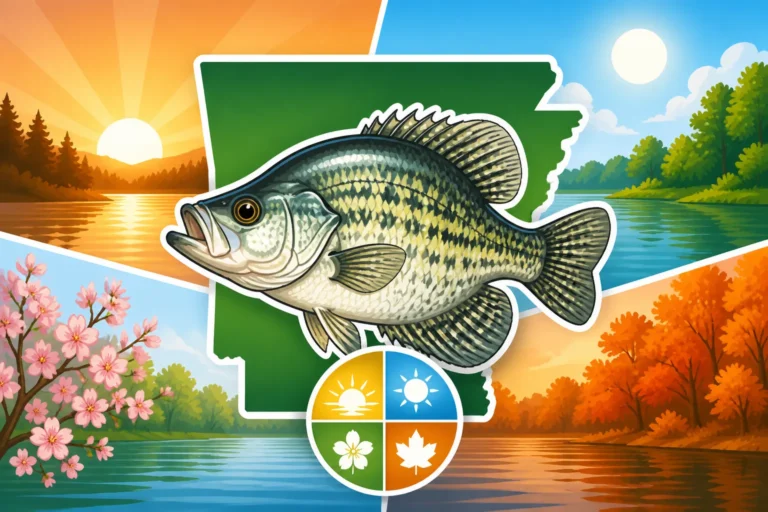
Table: Norfork Lake Striped Bass Season Overview
To help you visualize the seasonal changes and plan your trips, here's a quick overview of what to expect on Norfork Lake throughout the year:
| Season | Typical Months | Water Temperature (Approx.) | General Striper Location | Recommended Techniques | Key Forage Movement | Notes |
|---|---|---|---|---|---|---|
| Winter | Dec – Feb | 40s – 50s | Deep main lake channels, bluff ends, structure | Live bait (shad), vertical jigging | Shad schooled deep, less active | Slow, deliberate retrieves; electronics crucial. |
| Early Spring | Mar – Apr | 50s – Low 60s | Creek arms, shallower points, main lake | Trolling crankbaits/jigs, live bait | Shad moving into shallower, warmer water | Aggressive feeding as waters warm. |
| Late Spring | May – Early Jun | Low 60s – Low 70s | Suspended over humps, points, channel swings | Live bait, downrigging, umbrella rigs | Shad congregating, active in open water | Post-spawn activity; targeting the thermocline as it forms. |
| Summer | Jul – Early Sep | Mid 70s – 80s (surface) | Deep thermocline, main lake structure | Downrigging, live bait (deep) | Shad concentrated in thermocline zones | Challenging, but highly rewarding when fish are located; electronics essential. |
| Early Fall | Mid Sep – Oct | High 60s – Low 70s | Scattered, main lake points, creek mouths | Topwater, trolling, cast & retrieve lures | Shad active, moving freely in water column | Great topwater action; fish spreading out. |
| Late Fall | Nov – Early Dec | Low 50s – Low 60s | Large schools in main lake, deep flats | Live bait, power fishing (swimbaits) | Shad schooling up for winter | Major feeding binge; excellent trophy potential. |
Disclaimer
The information provided in this guide is for general informational purposes only and is subject to change. Fishing conditions, regulations, and fish behavior can vary significantly due to environmental factors. Always consult the latest regulations from the Arkansas Game and Fish Commission before your trip, and prioritize safety on the water.