Remote Fishing Spots Inside Arkansas’s White River Refuge
For many anglers, the true joy of fishing isn't just about the catch; it's about the escape—the tranquility of being in nature, far from the buzzing crowds and everyday hustle. But finding those truly secluded, remote fishing spots in a well-loved place like Arkansas's White River National Wildlife Refuge can feel like searching for a needle in a haystack. This guide is your compass to uncovering the hidden, less-traveled waterways within the refuge, helping you plan an adventure where peace and pristine fishing await.
The Allure of Undisturbed Waters in the White River Refuge
There’s a special kind of magic that unfolds when you push beyond the easily accessible boat ramps and well-trodden banks. The White River National Wildlife Refuge, a sprawling mosaic of bottomland hardwoods, sloughs, and oxbow lakes, offers a sanctuary not just for wildlife, but for anglers seeking that profound sense of solitude. The desire to find these quiet corners is perfectly understandable; it's where the wild truly is.
Escaping the Crowds and Finding Solitude
Let's be honest: sometimes, the busiest fishing spots, while productive, can feel more like a crowded park than a wilderness retreat. The constant drone of other boats, the chatter of nearby anglers, and the general hubbub can detract from the experience. Heading into the more remote sections of the White River Refuge means trading that noise for the rustle of leaves, the call of a distant bird, and the gentle lapping of water against your boat. This kind of peace allows for a deeper connection with the environment, sharpening your senses and making every twitch of the line, every splash, feel more profound. Fish in these undisturbed areas are often less pressured, too. They haven't seen every lure in the tackle box a dozen times, which can lead to more consistent bites and, frankly, a more satisfying day on the water.
Understanding the White River National Wildlife Refuge Landscape
The White River National Wildlife Refuge is a vast, dynamic ecosystem shaped by the White River itself. It spans over 160,000 acres, dominated by the largest remaining contiguous tract of bottomland hardwood forest in the Lower Mississippi River Valley. This unique landscape is characterized by hundreds of oxbow lakes, winding sloughs, and bayous that were once part of the main river channel but became cut off as the river changed its course over millennia. These diverse water bodies create a maze of potential fishing spots, many of which are only accessible with a bit of effort and knowledge. The seasonal fluctuations of the river profoundly impact these waters, making some areas navigable only during high water, while others become isolated ponds as water levels drop. This ever-changing nature is precisely what keeps many spots truly remote; they require adaptability and a willingness to explore, often changing from one season to the next.
Identifying Truly Remote Fishing Spots Within the Refuge
Pinpointing "remote" within a refuge this large isn't about secret GPS coordinates, but more about understanding the types of areas that naturally limit access. These are the places that demand more effort, a different kind of boat, or a willingness to hike, and that's precisely why they remain less-fished.
Navigating the Maze of Oxbow Lakes and Sloughs
The key to finding solitude in the refuge lies in its numerous oxbow lakes and connecting sloughs. While some of the larger, more well-known oxbows, like Peckerwood Lake, might see significant traffic, countless smaller ones, and the intricate network of bayous that link them, offer true seclusion. Often, these areas require navigating shallow, winding channels that might be choked with lily pads or cypress knees.
Consider venturing into the less-defined areas that branch off the main channels. These often require a smaller craft, like a kayak, canoe, or a very shallow-draft Jon boat, to access. You might even find yourself having to pull your boat over beaver dams or through thick vegetation. Areas like the intricate network around Timber Lake Fishing Spots Inside the White River Refuge, or the lesser-known sloughs near areas like the Crooked Lake Unit, demand patience and a good map. Using detailed topographic maps from the USGS or the Arkansas Game and Fish Commission's own refuge maps is essential. These maps often highlight subtle waterways and old riverbeds that aren't apparent on standard navigation apps. The reward for this extra effort is often a body of water that sees very little fishing pressure, where the fish are more likely to strike without hesitation.
Seasonal Access and Water Level Considerations
The definition of "remote" in the White River Refuge changes drastically with the seasons and water levels. During periods of high water, typically in late winter and spring, many previously isolated oxbows and sloughs become connected to the main river channel, allowing for easier boat access. However, this also means that more water is available for fish, scattering them across a wider area and making them harder to concentrate.
Conversely, as summer progresses and water levels drop, many of these connections dry up. This can isolate some oxbows entirely, making them incredibly remote but potentially concentrating fish in smaller, deeper pockets. Access becomes more challenging, often requiring a long paddle or even a portage for kayaks and canoes. Before planning any trip into these areas, it's absolutely crucial to check current water levels, especially for the White River itself, as this directly impacts the navigability of the refuge's backwaters. A spot that was easily reachable by boat in April might be a muddy puddle in August, or require a significant hike. This seasonal dance keeps many of these spots pristine, rewarding those who plan and adapt to nature's whims.
Strategies for Reaching and Fishing Remote Refuge Waters
Venturing into the more isolated pockets of the White River Refuge requires a different approach than a casual outing to a well-known lake. It's about preparedness, the right gear, and understanding how to approach fish that aren't accustomed to constant pressure.
Essential Gear for Off-the-Beaten-Path Angling
When you’re heading deep into the refuge, your gear choices become paramount. Forget the big bass boat with a powerful outboard; for truly remote access, you'll need something much smaller and more agile. Kayaks, canoes, and small, flat-bottomed Jon boats (preferably with a reliable trolling motor or a small, efficient outboard) are your best friends. These allow you to navigate shallow sloughs, slip through tight spots, and maneuver quietly. Make sure your boat is equipped for silent movement, as noise can easily spook fish in these calmer, less disturbed waters.
Beyond your vessel, proper navigation tools are non-negotiable. While your phone's GPS is a start, a dedicated marine GPS unit or, even better, a laminated paper map (like a USGS topographical map or a detailed AGFC refuge map) should be on your list. Cell service can be spotty or nonexistent in remote parts of the refuge. Safety gear is equally critical: always wear a life vest, carry a whistle, bring ample water and snacks, a comprehensive first-aid kit, and a way to signal for help if needed (a satellite messenger is ideal where cell service is absent). Don't forget bug spray – the refuge can be quite buggy, especially in warmer months! Knowing the specific Boat Access Points for the White River National Wildlife Refuge can help you plan your entry and exit points, but be prepared for some rough and unimproved launches when chasing true remoteness.
Stealth Techniques and Approaching Undisturbed Fish
Fishing in remote waters often means encountering fish that are less wary, but that doesn't mean you should throw caution to the wind. In fact, practicing stealth can make your experience even more productive. These fish haven't been subjected to endless boat traffic and heavy lures, so they're often more sensitive to disturbances. Approach your fishing spots quietly, using your trolling motor on a low setting or paddling slowly. Avoid banging tackle boxes or making sudden movements in your boat.
Consider using natural baits like crickets, worms, or minnows, which can be incredibly effective on fish that aren't accustomed to artificial presentations. If you prefer lures, opt for subtle colors and presentations—soft plastics, small jigs, or topwater lures that mimic natural prey without creating excessive commotion. When casting, aim to land your lure softly near cover such as fallen trees, submerged brush, or lily pads, which are prime hiding spots for Fish Species Found in Timber-Filled Refuge Lakes. Remember, the goal is to present your offering as naturally as possible, letting the less-pressured nature of these fish work in your favor.
Target Species and Unique Fishing Opportunities
While the main White River is famous for its trout, the backwaters and oxbows of the refuge offer a completely different, yet equally rewarding, warm-water fishing experience. These remote areas are teeming with species that thrive in the rich, slow-moving waters and abundant cover.
What's Biting in the Untouched Backwaters
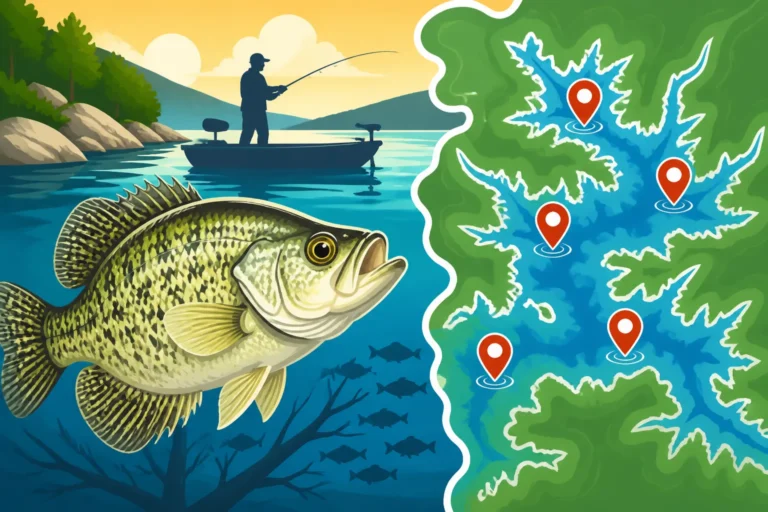
In the secluded sloughs and oxbows of the White River Refuge, you'll find a healthy population of classic warm-water species. Crappie, both black and white, are prevalent, often growing to impressive sizes in these less-fished waters. They tend to congregate around submerged timber, brush piles, and fallen trees, making vertical jigging or slow-trolling with minnows or small jigs highly effective. You can learn more about finding them in our guide to Best Crappie Fishing Spots in the White River National Wildlife Refuge.
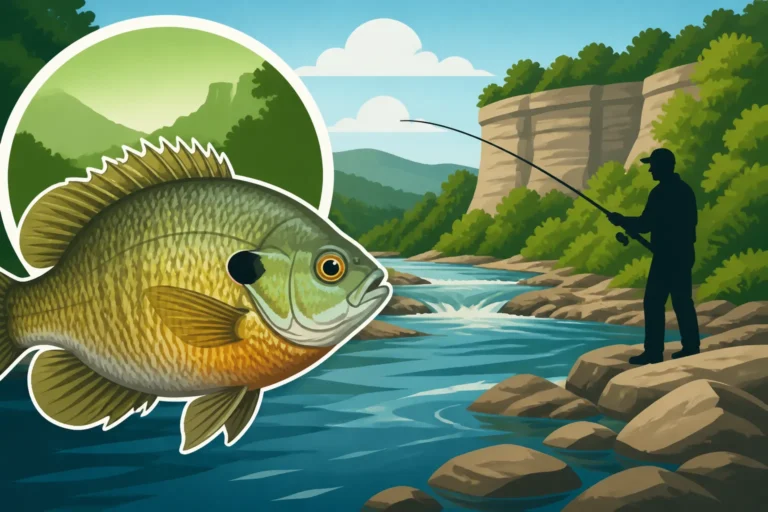
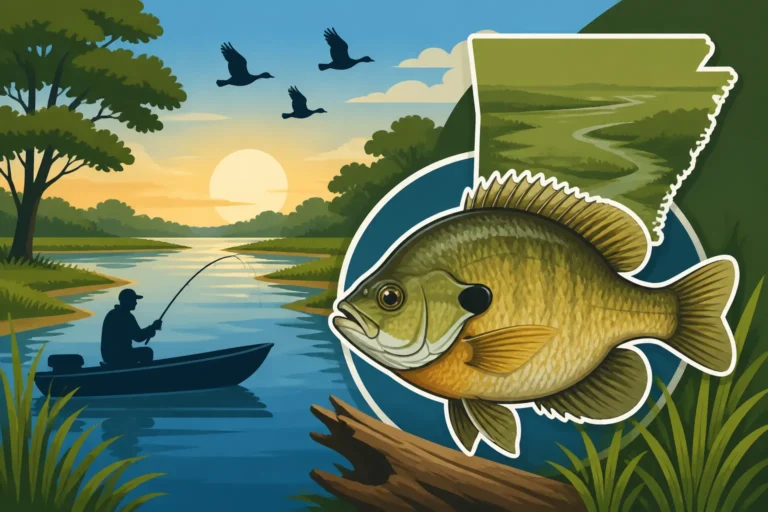
Panfish, including bluegill, redear sunfish (shellcrackers), and various other bream, are abundant and provide fantastic action, especially for light tackle enthusiasts or families looking for consistent bites. These fish are usually found near vegetation or shallow structure and readily take small worms, crickets, or tiny artificial baits. Check out our dedicated article on Bream Fishing Spots in the White River National Wildlife Refuge, Arkansas for more insights.
Catfish are also a prime target, with channel, blue, and flathead varieties all calling the refuge home. The deeper holes, logjams, and bends in the sloughs are ideal spots for them. Live bait, cut bait, or stink baits fished on the bottom can yield excellent results, especially as evening approaches. Of course, largemouth bass are also present, often lurking in the thick cover, ready to ambush unsuspecting prey. They can be found near the same structures as crappie and bream, and in these remote areas, they tend to be less shy about hitting a well-placed spinnerbait or plastic worm. The beauty of these remote spots is that you're often targeting fish that haven't seen a hook in a long time, leading to more aggressive takes and memorable catches. A comprehensive guide like Crappie and Bream Fishing at the White River National Wildlife Refuge in Arkansas can offer further details on specific strategies for these refuge favorites.
Planning Your Multi-Day Remote Adventure
For the truly adventurous, exploring the remote reaches of the White River Refuge isn't a single-day affair; it's a multi-day expedition. This requires careful planning and a commitment to self-sufficiency. Consider designated camping areas within or near the refuge, or research any specific permits needed for primitive camping if you plan to stay directly in the backcountry. Always pack out everything you pack in, and adhere to Leave No Trace principles to preserve the pristine nature of these areas.
Before embarking on an extended trip, double-check all regulations regarding fishing limits, species, and any special refuge rules that might apply. The Arkansas Fishing Regulations Guide is an invaluable resource for this. If you're new to navigating such remote landscapes, or simply want to maximize your chances of success and safety, consider hiring a local fishing guide for at least part of your trip. Platforms like FishingBooker are excellent resources for finding experienced guides who specialize in the White River region. Many local experts have an intimate knowledge of the refuge's intricate waterways, including which areas are most productive and how to safely access them, making them invaluable companions for such an adventure. They can provide not only the know-how but often the right equipment, especially if you're traveling from afar.
| Remote Spot Type | Access Difficulty | Primary Target Species | Best Time to Visit | Key Characteristics |
|---|---|---|---|---|
| Small Oxbows | Moderate to High | Crappie, Bream, Bass | Spring, Early Fall | Isolated, heavy cover, often require small boat/kayak |
| Winding Sloughs | Moderate | Catfish, Bass, Bream | Summer, Late Fall | Shallow, current (if connected), timber, tight turns |
| Isolated Ponds | High | Panfish, Catfish | Late Summer | Cut off from river, high fish concentration, challenging entry |
| Bayou Mouths | Low to Moderate | All refuge species | Spring, Winter | Where bayous meet larger waters, current breaks |
Disclaimer
Please note that fishing regulations, water levels, and access points can change. Always consult the official Arkansas Game and Fish Commission website for the most current rules and conditions before planning your trip to the White River National Wildlife Refuge. Respect private property and adhere to all refuge-specific regulations.