Best Striper Fishing Spots on Lake Hamilton, Arkansas
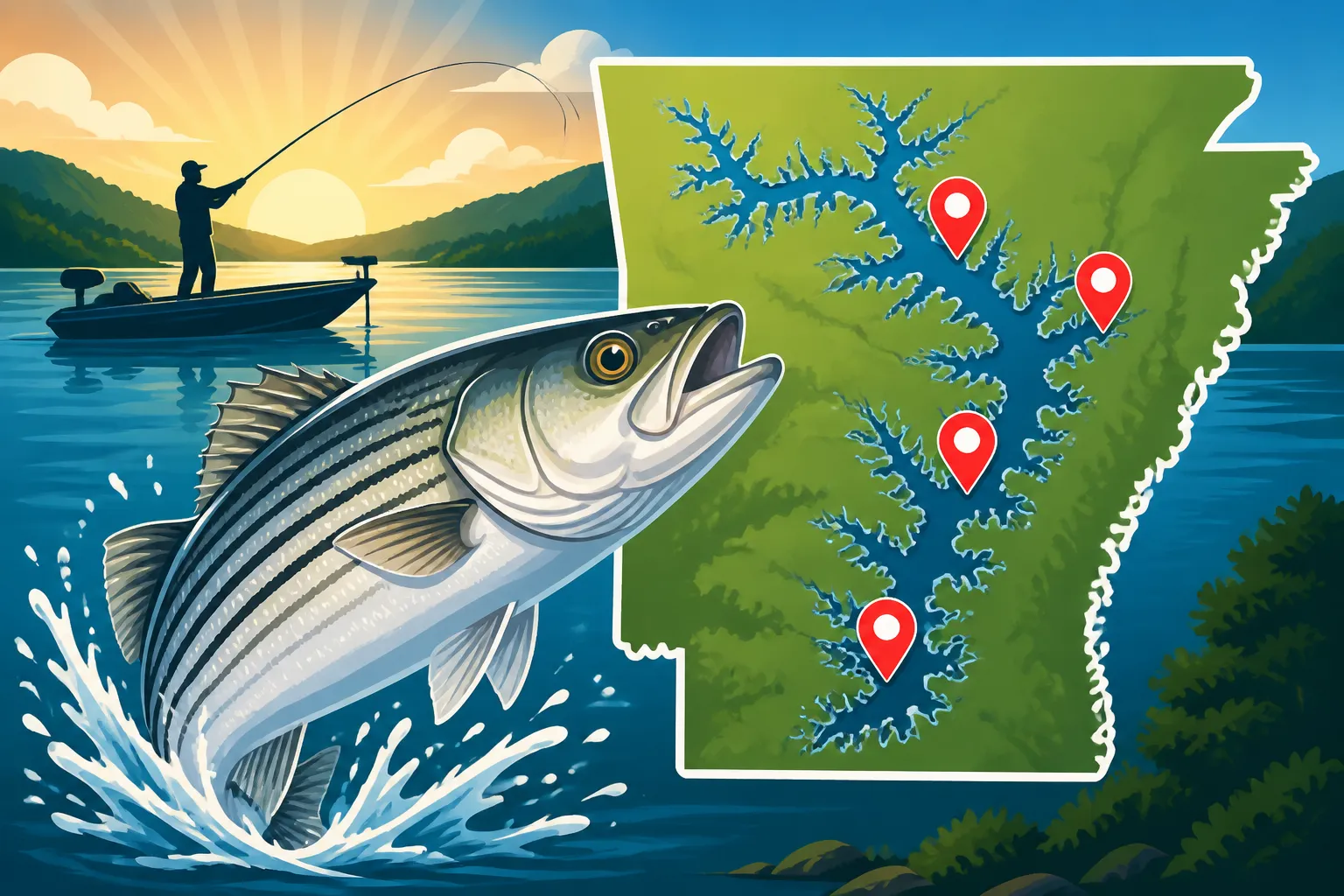
Anglers often face a real head-scratcher when targeting striped bass on a busy lake like Hamilton: where do you even start looking for these elusive, hard-fighting fish, especially with all the boat traffic and complex underwater terrain? This guide cuts through the confusion, pinpointing the best striper fishing spots on Lake Hamilton, explaining why they're productive, and giving you actionable tips to increase your chances of landing a trophy.
Understanding Lake Hamilton's Striper Appeal
Lake Hamilton, nestled right in Hot Springs, Arkansas, isn't just a pretty face for tourists; it's a legitimate powerhouse for striped bass fishing. Many anglers, especially those new to the area or even seasoned locals who haven't specifically chased stripers here, might feel intimidated by its size and popularity. But underneath the surface, this lake holds a thriving population of stripers, many of them reaching impressive sizes, making the effort entirely worthwhile.
Why Lake Hamilton is a Striper Hotspot
Lake Hamilton’s unique characteristics make it an ideal habitat for striped bass. First off, it’s a deep, clear impoundment on the Ouachita River, which provides the cooler, well-oxygenated water that stripers crave, especially during the warmer months. These are not your average pond bass; stripers are built for open water, for chasing baitfish in schools, and they need that expansive, deep environment to truly thrive. The lake’s depth also offers them thermal refuge when surface temperatures rise, allowing them to retreat to more comfortable zones.
Secondly, Lake Hamilton is absolutely teeming with baitfish, primarily gizzard shad and threadfin shad. Stripers are voracious predators, and a healthy baitfish population means a healthy striper population. When you're out on the water, pay attention to any signs of bait schools on your sonar or visual cues like birds diving – where the bait is, the stripers are likely not far behind. The sheer volume of available forage means these stripers grow big and fight hard, giving anglers a real run for their money. If you’re ever wondering if Is Lake Hamilton Good for Striper Fishing?, the answer is a resounding yes, thanks to these factors.
The Unique Challenges of Fishing Hamilton
While Lake Hamilton offers fantastic striper opportunities, it’s not without its challenges. One of the biggest hurdles, especially in warmer months, is boat traffic. Between pleasure boats, jet skis, and other anglers, the lake can get incredibly busy, making it difficult to quietly troll or even find undisturbed water. This is where patience and strategic timing become your best friends. Early mornings, late evenings, and weekdays often offer a calmer experience.
Another challenge is the lake's structure itself. While it has deep channels and plenty of cover, pinpointing exactly where the stripers are can feel like finding a needle in a haystack. They're nomadic, constantly following bait. This means relying heavily on your electronics – a good fish finder is almost essential for consistent success. You’ll be looking for bait balls, arches that indicate larger fish, and changes in bottom contour. Don't be afraid to cover a lot of water; stripers aren't usually found lurking in one small spot for long.
Top Striper Fishing Locations on Lake Hamilton
Knowing where to fish is half the battle, and Lake Hamilton has several key areas that consistently produce good numbers of striped bass. These aren't secret spots, but rather well-known productive zones that, with the right approach, can lead to incredible fishing.
The Main Channel and Deep Drops
The core of Lake Hamilton's striper fishery lies within its main river channel. This channel snakes its way through the entire lake, offering the deepest water and serving as the primary highway for schools of baitfish and, consequently, the stripers that pursue them. During hot Arkansas summers, when surface waters get too warm, stripers will often retreat to these deeper, cooler sections of the channel.
To effectively fish the main channel, you need to pay close attention to depth changes, ledges, and humps that rise up from the channel floor. These irregularities act as ambush points where stripers can corral bait. Look for areas where the channel narrows or bends, as these create natural funnels for bait movement. Trolling deep-diving crankbaits or live bait like gizzard shad along these contours is often the most effective strategy. Some of the best action happens when stripers push bait up against these ledges.
Humps, Points, and Submerged Islands
Beyond the main channel, Lake Hamilton is dotted with numerous underwater humps, points that extend far into the lake, and even submerged islands. These topographical features are like magnets for baitfish, offering them cover and different depth zones, which in turn attracts stripers. Imagine a long point that gradually tapers into deeper water – stripers will often stage on the deeper side, waiting for bait to pass over the shallower sections.
Areas like the large point near Garvan Woodland Gardens or the humps closer to the dam are well-known spots. Your fish finder is crucial here to identify these structures and locate baitfish congregated around them. Early mornings and late evenings, especially during the spring and fall, are prime times to target these locations. Stripers will often move shallower to feed during these low-light conditions. When you find a good hump, try jigging spoons or working large soft plastics over the top, or again, slow-troll live bait around its perimeter. For more on finding these fish, check out our guide on How to Find Striped Bass in Deep Water.
Fishing Near the Dam and Hydropower Operations
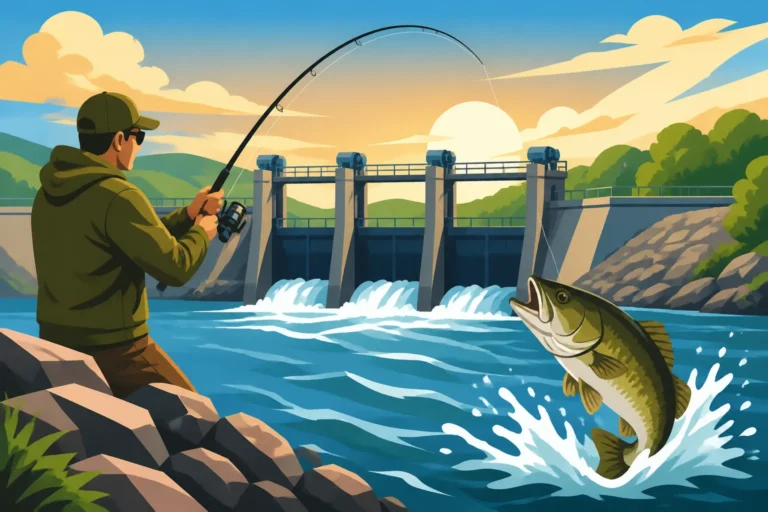
The area around the Carpenter Dam on the eastern end of Lake Hamilton is a highly productive, albeit sometimes challenging, spot for striper fishing. The dam's operations create current, which concentrates baitfish and oxygenates the water, drawing in hungry stripers. The outflow from the dam into Lake Catherine can also be a hotspot, especially when water is being released.
Fishing here requires caution due to strong currents and potential hazards, but the rewards can be significant. Trolling or casting heavy spoons and bucktail jigs near the dam can be very effective, especially when power generation is active. Always observe safety guidelines and stay clear of restricted areas. Many local anglers find success here by vertical jigging directly under schools of bait marked on their sonar. It's a dynamic environment, so being adaptable is key.
Night Fishing and Lighted Docks
When the sun goes down and the pleasure boats vanish, Lake Hamilton takes on a whole new character, and night fishing for stripers becomes a truly unique experience. Stripers, like many predators, become more active under the cover of darkness. One of the most productive techniques for catching them at night revolves around lighted docks. Many homeowners around Lake Hamilton have bright lights illuminating their docks, which inevitably attract microscopic organisms, then small baitfish, and finally, the larger predators like stripers.
When you're out looking for Night Fishing Spots on Lake Hamilton, cruise slowly along the shoreline, looking for these glowing docks. Once you find one, try casting jerkbaits, swimbaits, or even live shiners or shad into the edges of the light and letting them drift into the darkness. The stripers will often be lurking just outside the direct light, waiting to ambush any unsuspecting baitfish. This can be a fantastic way to escape the daytime crowds and connect with some truly large stripers in a surprisingly peaceful setting.
Essential Techniques and Timing for Hamilton Stripers
Catching stripers consistently on Lake Hamilton isn't just about finding the right spots; it's also about employing the right techniques at the right time. Stripers are powerful, aggressive fish, and matching your approach to their behavior and the lake's conditions is paramount.
Trolling and Live Bait Strategies
For covering vast amounts of water and enticing those big, roaming stripers, trolling is arguably one of the most effective methods on Lake Hamilton. This is especially true for locating active fish in the deep channels or around submerged structures. When you're trolling, you're looking to present your bait or lure at the depth where stripers are feeding. This often means using downriggers, planer boards, or heavy lead-core line to get your offerings deep.
Popular trolling lures include large crankbaits that mimic shad, such as those from Bomber, Rapala, or Berkley, or even umbrella rigs with multiple swimbaits. Pay close attention to your boat speed; a slow, consistent pace is usually best. For many anglers, though, nothing beats live bait. Slow-trolling large gizzard shad or threadfin shad is a deadly technique. You can hook these baits through the nose or back, allowing them to swim naturally. For detailed rigging, consider reading up on Best Live Bait for Striped Bass. Keep a close eye on your fish finder for bait schools and individual large fish, and adjust your trolling depth accordingly.
Seasonal Patterns for Striper Success
Stripers in Lake Hamilton follow distinct seasonal patterns, largely dictated by water temperature and the movement of their primary food source, the shad. Understanding these patterns is critical for consistent success.
- Spring (March-May): As water temperatures rise, stripers become highly active and move shallower, often feeding aggressively on points and shallow flats. This is a great time for casting swimbaits, topwater lures (especially early and late in the day), and live bait. The fish are often scattered but can be found relatively easily.
- Summer (June-August): This is when Lake Hamilton gets busy, and stripers go deep. They seek thermal refuge in the main channel and around deep humps and ledges. This is prime time for deep trolling with downriggers or lead core, as well as vertical jigging over marked schools. Night fishing around lighted docks also shines during these months. For more specific tactics, explore Deep Water Striper Fishing Techniques.
- Fall (September-November): As water cools, stripers become incredibly active again, often schooling up and chasing baitfish near the surface, particularly in the mornings and evenings. This is arguably the best time for topwater action and casting large swimbaits into breaking schools. The fish might be found closer to the surface on points and flats.
- Winter (December-February): Stripers remain in deeper water, but their metabolism slows. They might be found in large, tight schools in the main channel. Vertical jigging spoons or slow-trolling live bait at very slow speeds can be effective, but patience is key.
Here’s a quick summary table of these patterns:
| Season | Typical Striper Location | Recommended Techniques | Key Considerations |
|---|---|---|---|
| Spring | Points, shallow flats, main channel edges | Casting swimbaits, topwater, live bait on free lines/planer | Active feeding, scattered fish, watch for warming trends |
| Summer | Deep main channel, humps, dam area, lighted docks | Deep trolling (downriggers), vertical jigging, night fishing | Seek cool water, heavy boat traffic, electronics essential |
| Fall | Points, flats, coves, schooling on surface | Topwater, casting swimbaits, live bait, chasing breaking fish | Highly aggressive, "fall feed," often visible surface activity |
| Winter | Deep main channel, large, tight schools | Vertical jigging spoons, slow-trolling live bait (slow speeds) | Slower metabolism, require patience, precise bait presentation |
Planning Your Lake Hamilton Striper Trip
A successful striper trip to Lake Hamilton requires more than just knowing where to cast; it involves preparation, smart logistics, and sometimes, a little help from local expertise.
Access and Boat Ramps
Lake Hamilton offers numerous public and private boat ramps, making access relatively easy. Some of the popular public ramps include those at Hill Wheatley Park, Brady Mountain Resort, and marinas like Hot Springs Marina. When choosing a ramp, consider its proximity to your target fishing areas and whether it offers amenities like parking, restrooms, and fuel. For those staying in Hot Springs, Lake Hamilton Fishing Spots Near Downtown Hot Springs are easily accessible.
During peak season, ramps can get very busy, so arriving early is always a good idea. Also, remember that Lake Hamilton is managed by Entergy, and water levels can fluctuate, so always check local conditions before heading out, especially if you plan to launch a larger boat.
Hiring a Local Guide
If you're new to Lake Hamilton, targeting stripers can be a steep learning curve. The lake is complex, and these fish are often on the move. Hiring a local fishing guide can dramatically increase your chances of success and shorten that learning curve. Guides spend countless hours on the water, tracking striper movements, understanding current patterns, and knowing exactly what baits and techniques are working at any given moment.
A good guide will not only put you on fish but also teach you valuable techniques specific to Lake Hamilton. They typically provide all the necessary gear, bait, and often even clean your catch. It’s an investment, but for many, the experience and knowledge gained are well worth it, especially if you're hoping to land a trophy striper. You can find reputable guides through local tackle shops, marinas, or online platforms like FishingBooker, which often lists experienced local guides who specialize in Lake Hamilton stripers. To learn more about how guides operate, read our comprehensive guide on How to Book a Fishing Guide in Arkansas.
Essential Gear and Licensing
Before you even think about putting a line in the water, ensure you have the proper Arkansas fishing license. Whether you're a resident or an out-of-state visitor, a valid license is non-negotiable. You can easily purchase one online through the Arkansas Game and Fish Commission website, at most sporting goods stores, or even at some local marinas. For specifics on costs and requirements, check out Arkansas Fishing License Rules and Costs or if you're from out of state, review Arkansas Fishing License Requirements for Out-of-State Anglers. Don't risk a hefty fine or getting your trip cut short by neglecting this crucial step.
As for gear, for stripers, you’ll want a stout medium-heavy to heavy action rod, paired with a reliable baitcasting or spinning reel spooled with strong braided line (20-50lb test) and a fluorocarbon leader (15-30lb test). Make sure you have a good selection of lures appropriate for stripers, including large swimbaits, deep-diving crankbaits, jigging spoons, and bucktail jigs. If you're using live bait, a large baitwell to keep your shad lively is essential. Don't forget a net big enough for a hefty striper, and always carry pliers for hook removal and a measuring tape to ensure you adhere to any size regulations.
Disclaimer
Always check the latest regulations from the Arkansas Game and Fish Commission (AGFC) before your trip, as rules regarding limits, sizes, and specific water body regulations can change. Fishing involves inherent risks; always prioritize safety on the water.