Lake Ouachita: Arkansas’s Largest Lake for Bass and Crappie Fishing
For many anglers, the sheer number of incredible fishing spots in Arkansas can feel a little overwhelming, leaving you wondering where to even begin your adventure to reel in that trophy catch. If you've been dreaming of expansive, clear waters teeming with a diverse range of popular game fish, then Lake Ouachita is exactly where you need to set your sights. This guide will take a deep dive into why this magnificent lake, Arkansas's largest, is a true gem for both bass and crappie fishing, providing you with all the insider knowledge you need for a successful trip.
Discovering the Grandeur of Lake Ouachita
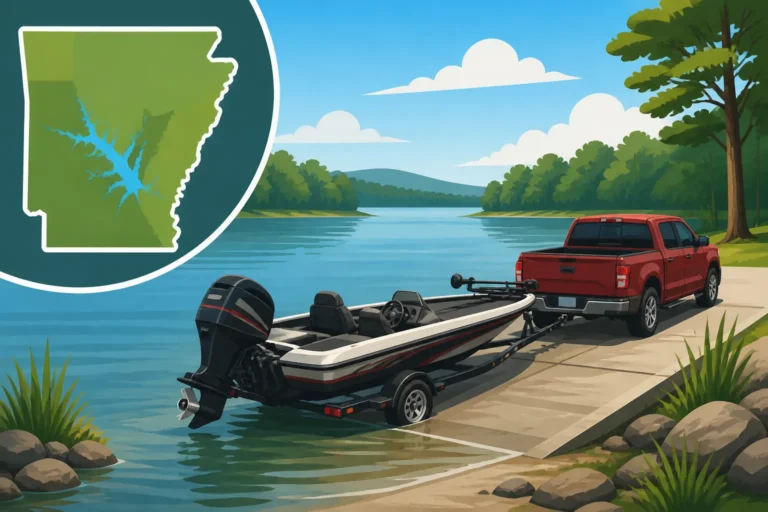
Lake Ouachita, often affectionately called "The Diamond Lake," isn't just big; it's a colossal body of water, sprawling over 40,000 acres in west-central Arkansas, surrounded by the stunning Ouachita National Forest. Its clear, deep waters and rocky bottom are a direct result of being formed by the Blakely Mountain Dam on the Ouachita River. Unlike many other large reservoirs that can become murky, Lake Ouachita consistently maintains exceptional water clarity, which not only makes for picturesque scenery but also impacts how fish behave and where they hold. This crystal-clear environment demands a different approach from anglers used to stained or muddy waters, often requiring lighter lines and more subtle presentations.
The lake is a true marvel of nature and engineering, offering over 600 miles of rugged, scenic shoreline. This extensive shoreline is dotted with countless coves, points, submerged timber, and brush piles, providing an incredible array of habitats for various fish species. It's a lake that caters to every angler's preference, whether you're looking to hit the main lake points with fast-moving baits or quietly probe submerged brush in a secluded cove. The sheer size means you can spend days exploring new areas without feeling like you're fishing the same water twice, making it a favorite for multi-day excursions.
The Pristine Ecosystem of Lake Ouachita
What truly sets Lake Ouachita apart is its pristine ecosystem. It's renowned for being one of the cleanest lakes in America, thanks to strict environmental protections and its natural watershed within the national forest. This cleanliness supports a robust forage base, including threadfin and gizzard shad, sunfish, and even some freshwater shrimp, which in turn fuels healthy populations of game fish. The clear water also promotes abundant aquatic vegetation in certain areas, particularly hydrilla and coontail, which serve as crucial ambush points and cover for both baitfish and predators.
Anglers often comment on the health and fighting spirit of the fish in Lake Ouachita, a direct testament to the quality of its waters and food chain. The diverse habitats, from shallow flats to deep offshore structures, ensure that fish have everything they need to thrive year-round. This makes for a vibrant and dynamic fishing experience, as fish move and feed in different areas depending on the season and prevailing conditions. When you cast a line into Lake Ouachita, you're not just fishing; you're immersing yourself in one of Arkansas's most vibrant natural fisheries.
Navigating Lake Ouachita's Vastness
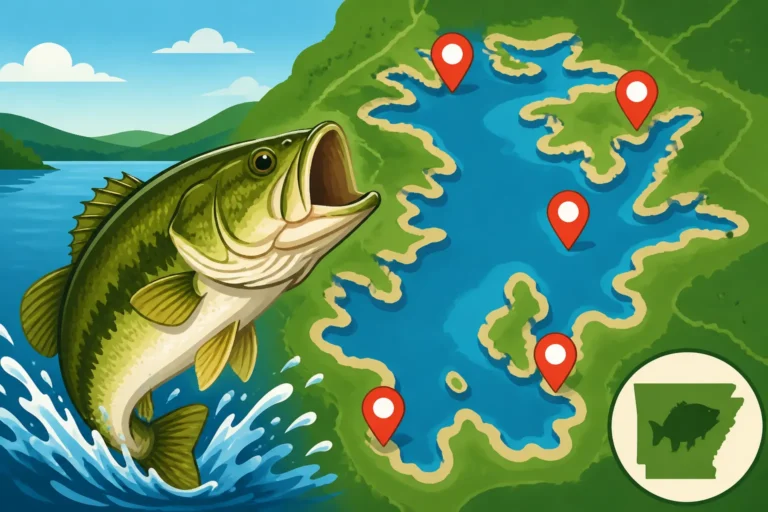
Exploring Lake Ouachita effectively requires a bit of planning, especially given its sprawling size and complex topography. The lake features numerous distinct sections, each with its own character and prime fishing opportunities. For instance, the main body of the lake offers vast open areas and deep channels, perfect for targeting schooling fish, especially striped bass. Further up the river arms, the Ouachita and Blakely Creek arms become narrower, shallower, and often feature more standing timber and grass beds, ideal for largemouth bass and crappie.
Numerous islands, many of them suitable for primitive camping, break up the main lake, providing excellent structure and current breaks. Knowing how to read a good lake map or using modern sonar and GPS units can dramatically improve your success rate here. You'll want to pay close attention to depth contours, creek channels, and areas where cover meets open water. Don't be afraid to explore, but always keep an eye on your charts, as underwater humps and sudden drop-offs are common. For those new to the lake, hiring a local guide is an excellent way to quickly learn the ropes and find productive Best Fishing Spots in Arkansas.
Bass Fishing: A Premier Destination
Lake Ouachita is truly a heavyweight when it comes to bass fishing, earning its reputation as one of the Best Bass Lakes in Arkansas. Anglers come from all over to chase largemouth, smallmouth, and even Kentucky (spotted) bass in its clear, productive waters. Each species offers a unique challenge and can be found in different habitats across the lake, making for an exciting and diverse angling experience. Whether you prefer throwing topwater baits at dawn or dragging jigs along deep structure, Ouachita has a bass fishing scenario for you.
The lake's forage base, dominated by threadfin and gizzard shad, along with an abundance of crayfish, provides a rich diet for its bass populations, leading to healthy, hard-fighting fish. The clear water here is a double-edged sword: it means fish can see your line and baits better, but it also means they're often more aggressive when they commit. This clarity often pushes fish deeper during bright conditions, or into dense cover where they feel secure, so adapting your techniques is key.
Largemouth Bass: Hunting the Shallow Cover
Largemouth bass are arguably the most sought-after species on Lake Ouachita, thriving in the lake's abundant cover. You'll find them relating to hydrilla beds, standing timber, brush piles, rocky points, and docks, especially in the shallower to mid-depth ranges. During the spring, as the water warms, largemouth move into the shallower coves and flats for their annual spawn. This is a fantastic time for sight fishing, but remember to respect the fish and release them gently to protect future generations. The Arkansas Bass Spawn Fishing Guide provides excellent insights into this critical period.
Once the spawn is over, largemouth will transition to deeper cover, often congregating around brush piles and offshore humps during the summer months. Topwater baits like frogs and buzzbaits can be deadly in the mornings and evenings around grass beds and lily pads. During the day, flipping jigs and Texas-rigged worms into heavy cover or slowly working crankbaits and shaky head jigs along rocky transitions can produce excellent results. For specific honey holes, check out the Best Bass Fishing Spots on Lake Ouachita, Arkansas.
Smallmouth and Kentucky Bass: Deep Water Warriors
While largemouth get a lot of attention, Lake Ouachita also boasts a fantastic population of smallmouth and Kentucky (spotted) bass, often overlooked by anglers focused solely on their green cousins. These species prefer the lake's rockier, deeper sections, especially around main lake points, bluffs, humps, and submerged roadbeds. Smallmouth are particularly fond of clear, cool water and rocky structures, making many of Ouachita's main lake features ideal habitat. Kentucky bass, being more schooling-oriented, will often be found suspended over deep water or relating to baitfish schools near ledges and drop-offs.
When targeting smallmouth and Kentucky bass, consider using finesse techniques like drop-shot rigs, shaky head jigs, and Ned rigs. Small crankbaits and swimbaits can also be highly effective when retrieved along rocky edges. In warmer months, look for these fish deeper, sometimes 20-40 feet, using your electronics to locate schools of bait and the bass feeding on them. Early mornings and late evenings can bring them shallower, offering opportunities for topwater poppers or small jerkbaits fished near points. Understanding Bass Fishing Techniques for Beginners can give you a solid foundation for targeting these species.
Crappie Fishing: A Year-Round Delight
If you're looking for a delicious table fare and consistent action, Lake Ouachita is also a stellar destination for crappie fishing. Both black and white crappie thrive here, growing to impressive sizes thanks to the lake's rich forage base and extensive cover. Crappie are a favorite target for many anglers because they offer exciting fishing all year long, adapting their patterns to the changing seasons, which means there's almost always a bite to be found if you know where to look.
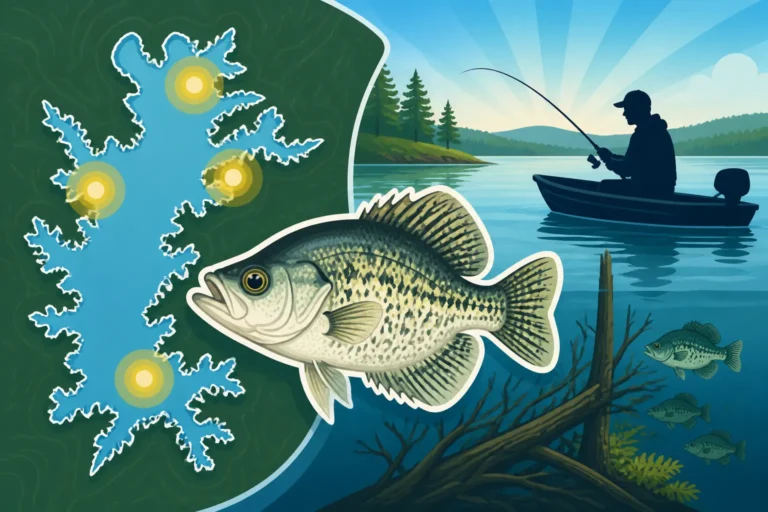
The clarity of Ouachita's water means crappie here can be a bit more finicky than in muddier lakes, but it also means they're often in healthier, more vibrant conditions. The lake's abundant standing timber, brush piles, and submerged cedar trees provide ideal ambush points for these schooling fish. Many anglers strategically place their own brush piles, often marked with GPS, to create consistent fishing spots.
Spring Crappie: The Spawn Frenzy
Spring is undeniably the most popular time for crappie fishing on Lake Ouachita, as these fish move into shallow waters to spawn. Starting typically in March and continuing through April, sometimes even into May depending on water temperatures, crappie will stage in creek channels and gradually push into very shallow coves and pockets. They'll often be found around submerged brush, docks, and any available cover in just a few feet of water. This is when anglers can really rack up numbers, as crappie are aggressive and concentrated.
During the spawn, small jigs (1/16 to 1/8 ounce) tipped with soft plastic bodies in chartreuse, white, or black-and-chartreuse are extremely effective. Live minnows fished under a bobber near cover are also a classic, foolproof method. Look for areas with a slight stained tint, as crappie often prefer a little less clarity during this vulnerable period. For detailed seasonal advice, consult the Arkansas Crappie Fishing Season Guide.
Summer and Fall Crappie: Adapting to the Depths
As the water warms in summer, crappie on Lake Ouachita retreat to deeper, cooler waters. They'll often suspend over creek channels or relate tightly to deep brush piles and standing timber at depths of 15 to 30 feet, or even deeper. Locating these schools with good electronics is paramount. Once found, vertical jigging with small spoons, drop-shot rigs, or even pushing multiple spider rigs with jigs and minnows can be incredibly effective. Night fishing under lights can also be fantastic for summer crappie, as baitfish are drawn to the light, and crappie follow suit.
In the fall, as water temperatures begin to cool, crappie become more active and start feeding heavily in preparation for winter. They often move back shallower, particularly to creek channels and points, following schools of shad. Trolling small crankbaits or tightlining jigs can cover a lot of water and help you locate scattered schools. As winter approaches, they'll typically settle into deeper, consistent structures, making them accessible to persistent anglers. To pinpoint those productive crappie grounds, refer to Where to Catch Crappie on Lake Ouachita. For more on effective rigging, check out Crappie Jigging Basics for Beginners.
Other Notable Fish Species on Lake Ouachita
While bass and crappie often steal the spotlight, Lake Ouachita is a vibrant ecosystem supporting a wide array of other popular game fish, ensuring that every cast could bring a surprise. This diversity means that even if your primary target isn't biting, you always have other options to keep the action going. From hard-fighting striped bass to delicious catfish and panfish, Ouachita truly offers something for everyone.
This variety contributes to Lake Ouachita's reputation as a top-tier fishery. Whether you're planning a trip with a seasoned angler or introducing a youngster to the joys of fishing, having multiple species to target significantly enhances the overall experience. It also means the lake can sustain fishing pressure more effectively, as different species utilize different parts of the habitat and respond to varied techniques.
Striped Bass and Walleye: Offshore Pursuits
Lake Ouachita is home to a robust population of striped bass, offering exhilarating fights that will test your tackle and endurance. These powerful predators often school in the main lake basin, chasing huge schools of shad. Trolling large crankbaits, live gizzard shad, or spooning vertically over deep humps are common tactics for targeting stripers. They are often found suspended in open water, requiring keen use of sonar to locate them. Many anglers hire specialized guides who are experts at finding and catching these formidable fish.
Believe it or not, Lake Ouachita also has a population of walleye, though they are much less common than other species. Walleye prefer rocky points and humps, especially where current is present, and are often caught incidentally by anglers targeting bass or crappie. Jigging with spoons or blade baits, or slow-trolling crankbaits along deep contours, can sometimes entice a bite from these elusive, delicious fish. Catching a Ouachita walleye is definitely a badge of honor among local anglers.
Catfish and Panfish: Accessible Fun
For those who enjoy a more relaxed style of fishing, or perhaps want to introduce kids to the sport, Lake Ouachita offers excellent opportunities for catfish and panfish. Channel catfish, blue catfish, and flathead catfish are all present, with channel cats being the most common. They can be found in a variety of habitats, from shallow mud flats in the backs of creeks to deep river channels. Night fishing with stink baits, cut bait, or live bait on the bottom is particularly effective for whiskered species. You can find prime spots by checking out Catfish Fishing Spots on Arkansas's Lake Ouachita.
The lake is also teeming with panfish, including bluegill, redear sunfish, and warmouth. These smaller, feisty fish are perfect for beginners and provide consistent action. They love shallow cover like docks, brush piles, and lily pads, and will readily bite on small worms, crickets, or tiny jigs fished under a bobber. A simple cane pole and a handful of crickets can provide hours of entertainment, especially for families with young anglers.
Planning Your Lake Ouachita Fishing Adventure
A successful fishing trip to Lake Ouachita involves more than just knowing where the fish are; it requires a bit of thoughtful planning. From understanding the necessary permits to knowing where to launch your boat or even finding a seasoned guide, a little preparation goes a long way. This lake is massive and offers so much, so being prepared ensures you can make the most of your time on its beautiful waters.
Don't let the size or the technical aspects intimidate you. Lake Ouachita is incredibly welcoming, with ample resources available to help you plan your perfect trip. Whether you're coming for a quick weekend getaway or a longer vacation, the amenities and natural beauty will make your efforts worthwhile.
Essential Licenses and Regulations
Before you even think about casting a line, ensure you have the proper Arkansas fishing license. Anyone 16 years of age or older needs a valid license. These can be purchased online through the Arkansas Game and Fish Commission (AGFC) website, at most sporting goods stores like Walmart or Academy Sports + Outdoors, or at numerous local bait shops and marinas around the lake. Make sure you understand the different types of licenses available, especially if you're a non-resident or planning a short trip. For a full breakdown of requirements and costs, consult the Arkansas Fishing License Rules and Costs.
Beyond the general license, it's crucial to be aware of Lake Ouachita's specific regulations regarding size limits and daily creel limits for each species. While many statewide regulations apply, some lakes, especially larger reservoirs like Ouachita, can have special rules to manage their unique fisheries. Always check the latest AGFC fishing guide, available online or in print, to ensure you're compliant. Failing to follow these regulations can result in fines and a less-than-pleasant end to your fishing trip.
Here's a quick reference table for some common species on Lake Ouachita, but always verify with current AGFC regulations before fishing, as rules can change:
| Fish Species | Statewide Daily Creel Limit | Statewide Minimum Length | Notes (Ouachita specifics may apply) |
|---|---|---|---|
| Largemouth Bass | 10 | 13 inches | Some lakes have slot limits. |
| Smallmouth Bass | 2 | 12 inches | Special limits on certain waters. |
| Crappie (Black/White) | 20 | 10 inches | Combined limit, sometimes exceptions. |
| Striped Bass | 3 | 15 inches | May have length exceptions. |
| White Bass | 25 | None | Often school in open water. |
| Bream/Sunfish | 50 | None | Includes Bluegill, Redear, Green Sunfish. |
Disclaimer: This table provides general statewide information. Always consult the most current Arkansas Game and Fish Commission regulations for specific rules on Lake Ouachita, as limits can vary by water body and change seasonally.
Access Points and Accommodations
Lake Ouachita is incredibly angler-friendly, offering numerous public boat ramps and access points scattered around its extensive shoreline. Popular marinas such as Mountain Harbor Resort & Spa, Crystal Springs Resort, and Brady Mountain Resort & Marina offer not only excellent boat launching facilities but also fuel, bait, tackle, and often boat rentals. Many of these resorts also provide a variety of accommodations, from rustic cabins to luxury lodges, making it easy to stay right on the water.
For those who prefer a more rugged experience, several U.S. Forest Service and Corps of Engineers campgrounds offer direct lake access and primitive camping options. These can be fantastic for bank fishing or launching smaller kayaks and canoes. Even if you don't have a boat, there are plenty of areas for Shore Fishing Spots Around Lake Ouachita, especially near picnic areas and campgrounds. When planning your trip, consider using a platform like FishingBooker to find and reserve accommodation, or even to locate fishing guides directly on Lake Ouachita. They can help streamline your planning process, especially if you're unfamiliar with the area.
Hiring a Professional Fishing Guide
For both seasoned anglers and beginners alike, hiring a local fishing guide can dramatically enhance your Lake Ouachita experience. A professional guide brings years of local knowledge, knowing exactly where the fish are biting, what baits they prefer, and how to navigate the lake's vast and intricate waters safely. They often have specialized equipment, like advanced sonar and GPS, that can put you on fish quickly. Guides can teach you specific techniques tailored to Ouachita's clear water and unique structure, helping you improve your skills.
If you're looking for an unforgettable trip, especially if you're targeting trophy bass or struggling to find those deep crappie schools, a guide is an invaluable investment. Many guides specialize in particular species or techniques, so you can find one who matches your specific goals. You can often find reputable guides through local marinas, fishing forums, or by searching online platforms such as FishingBooker, which lists many experienced Lake Ouachita guides. For more general advice on securing expert assistance, read our guide on How to Book a Fishing Guide in Arkansas. They typically provide all the necessary fishing gear, bait, and often even clean your catch, allowing you to simply relax and enjoy the fishing.
Disclaimer
The information provided in this guide is for general informational purposes only and is not intended as legal advice or a substitute for official regulations. Fishing regulations, license requirements, and local conditions in Arkansas can change. Always consult the latest official publications from the Arkansas Game and Fish Commission (AGFC) and other relevant authorities before planning or engaging in any fishing activities. Adherence to all applicable laws and regulations is the sole responsibility of the angler.