Where to Fish in Arkansas: A Lake-by-Lake Guide
Trying to figure out where to cast your line in Arkansas can feel overwhelming. With so many incredible lakes, rivers, and streams, it’s easy to get lost in the options, wondering which spot truly offers the best chance for the fish you're after or the kind of experience you’re craving. This comprehensive guide is here to untangle that confusion, providing you with a detailed, lake-by-lake breakdown of Arkansas's premier fishing destinations, helping you pinpoint your perfect angling adventure.
Navigating Arkansas's Diverse Waters: An Overview of the State's Fishing Lakes
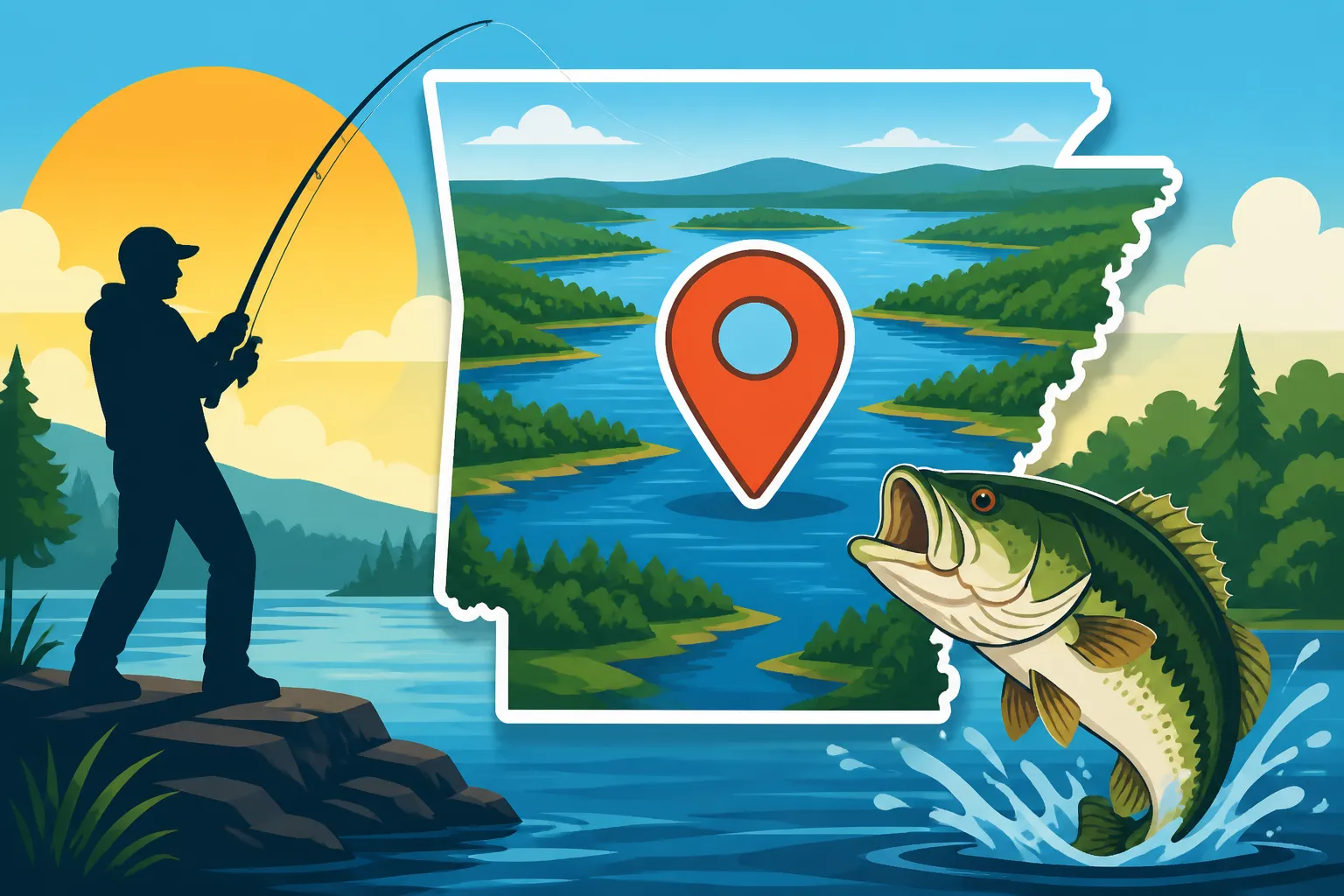
Arkansas, often lovingly called "The Natural State," truly lives up to its name, especially when it comes to its incredible array of fishing lakes. From the deep, clear impoundments of the Ozarks to the cypress-filled oxbows of the Delta, the diversity is astounding. It’s not just about catching fish; it’s about immersing yourself in the unique beauty of each location, understanding its character, and learning how to unlock its angling secrets. This state offers something for every type of angler, whether you're chasing trophy bass, seeking a peaceful crappie bite, or trying to land a monster catfish.
The Allure of the Natural State's Lakes
What makes Arkansas's lakes so special for fishing? It's a combination of factors. The state's geology, from the ancient Ozark Mountains to the alluvial plains of the Delta, creates vastly different aquatic environments. This leads to a rich biodiversity, supporting robust populations of various game fish. Many of these lakes are managed intensively by the Arkansas Game and Fish Commission (AGFC) with regular stocking programs, habitat improvement projects, and carefully designed regulations to ensure healthy fisheries for generations to come.
Beyond the fish, the sheer natural beauty is a huge draw. Imagine watching the sunrise over a misty Ozark lake, hearing only the sounds of nature, or casting your line into a tranquil cypress slough. These experiences are what make Arkansas fishing truly unforgettable. Whether you're a seasoned pro looking for your next big challenge or a family hoping to create lasting memories with a kid-friendly outing, the allure of Arkansas's lakes is undeniable and deeply rewarding. It’s a place where every cast holds potential, and every trip offers a chance to reconnect with the great outdoors.
Understanding Different Lake Types and Their Ecosystems
Arkansas's lakes aren't a one-size-fits-all deal; they represent a fascinating spectrum of hydrological and ecological characteristics. You have large, deep, clear-water reservoirs like Beaver Lake or Bull Shoals Lake, which are primarily fed by mountain streams and rivers. These lakes often stratify in warmer months, offering different fishing opportunities at various depths and typically support excellent populations of smallmouth bass, spotted bass, and various trout (especially in their tailwaters). The clear water often calls for more subtle presentations and lighter lines.
Then there are the shallower, often more fertile lakes, particularly those found in the central and delta regions, such as Lake Conway or Lake Chicot. These lakes tend to have more vegetation, warmer water, and often murky conditions. They are prime locations for largemouth bass, crappie, and catfish, which thrive in these environments. Understanding these differences is key to successful fishing. For instance, a jig-and-pig presentation might be ideal for flipping into thick cover on Lake Conway, while a small grub on light line might be perfect for tempting smallmouth in the rocky points of Bull Shoals. Knowing the lake type helps you choose the right gear and approach.
Northwest Arkansas Gems: Beaver Lake and Bull Shoals Lake
When you talk about fishing in Northwest Arkansas, two names immediately come to mind: Beaver Lake and Bull Shoals Lake. These massive impoundments are iconic for their stunning scenery and world-class fishing, drawing anglers from across the country. Nestled in the Ozark Mountains, their clear, deep waters offer fantastic opportunities for a variety of species, making them must-visit destinations for anyone serious about Arkansas angling. The dramatic bluffs, hidden coves, and abundant timber make for picturesque and productive fishing.
Beaver Lake: A Haven for Bass and Crappie Anglers
Beaver Lake, located just east of Rogers and Fayetteville, is a sprawling 28,000-acre reservoir known for its crystal-clear water and diverse fishery. It’s an absolute paradise for bass anglers, boasting healthy populations of largemouth, smallmouth, and spotted bass. Many consider it one of the Best Bass Lakes in Arkansas. The lake's structure, with its rocky points, submerged timber, and deep ledges, provides endless cover for these aggressive predators. During the spring, when the Arkansas Bass Spawn Fishing Guide kicks off, anglers can find bass shallow, often around brush piles or rocky banks, making for exciting sight fishing opportunities.
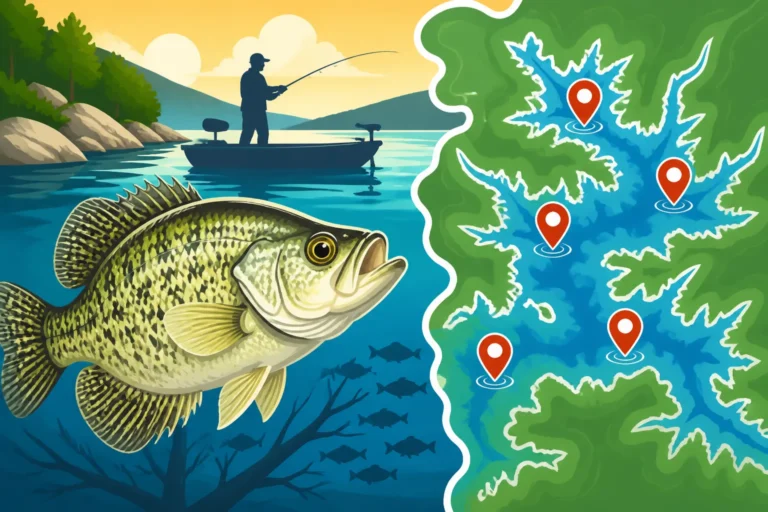
Crappie fishing on Beaver Lake is also exceptional, especially during the spring and fall. Anglers often target brush piles and standing timber in coves, using small jigs or minnows. While the lake's clarity can sometimes make fish a bit skittish, patience and a stealthy approach often pay off with impressive stringers of both black and white crappie. If you’re visiting the area and looking for specific spots, check out this guide on Beaver Lake Fishing Spots Near Fayetteville, Arkansas. Beyond the game fish, Beaver Lake also offers good opportunities for bream and catfish, ensuring there's always something biting.
Bull Shoals Lake: Trophy Waters for Bass and Trout Enthusiasts
Further east, straddling the Arkansas-Missouri border, lies Bull Shoals Lake, an even larger impoundment with over 45,000 acres of prime fishing water in Arkansas alone. This lake is legendary, particularly for its trophy smallmouth and largemouth bass. Its deep, clear waters and intricate rocky structure, including massive bluffs and countless points, provide ideal habitat for big bass. Anglers often employ techniques like deep cranking, drop-shotting, and jig fishing to probe the depths for these giants. The lake also holds a strong population of spotted bass, offering consistent action throughout the year.
However, Bull Shoals isn't just about bass. Below the dam, the White River transforms into a renowned cold-water fishery, famous for its trout. While the lake itself doesn't host trout, its tailwater is a different story, making the area a dual-threat destination. Anglers come from all over for Trout Fishing Below Bull Shoals Dam on the White River. If you're planning a trip to this incredible fishery, this Bull Shoals Lake Fishing Guide for Bass and Crappie can provide invaluable insights into seasonal patterns and hotspots. The stunning scenery, coupled with the potential for genuinely huge fish, makes Bull Shoals an unforgettable fishing experience.
Planning Your Trip to Northwest Arkansas Lakes
A trip to Beaver Lake or Bull Shoals Lake requires a bit of planning, primarily due to their size and the unique characteristics of mountain reservoirs. First, remember your fishing license and any necessary permits, like a trout permit if you plan to hit the tailwater below Bull Shoals. You can find details on Arkansas Fishing License Rules and Costs and Arkansas Fishing Regulations Guide to ensure you're squared away. Many anglers opt for boat fishing on these large bodies of water, and there are numerous public boat ramps available, often within state parks or Corps of Engineers recreation areas.
For those who prefer a guided experience, especially if you're new to these expansive lakes, considering a local guide is a smart move. Websites like FishingBooker can connect you with experienced guides who know the intricate patterns and hidden spots on these waters. They can provide all the gear and expertise needed for a successful day, whether you're targeting bass or trout. Accommodations range from lakeside cabins and campgrounds to hotels in nearby towns like Eureka Springs, Mountain Home, or Fayetteville, offering options for every budget and preference. Don't forget to pack appropriate gear for clear water, which often means lighter lines and more natural bait or lure presentations.
Central Arkansas Hotspots: Lake Conway and Greers Ferry Lake
Moving into the heart of Arkansas, you'll discover a different flavor of fishing, with lakes that offer everything from family-friendly outings just minutes from the capital city to deep, clear waters further north. Lake Conway and Greers Ferry Lake stand out as central Arkansas gems, each providing distinct angling adventures that cater to a wide range of preferences and skill levels.
Lake Conway: Family-Friendly Fishing Near Little Rock
Just a stone's throw from Little Rock, Lake Conway is a fantastic destination for anglers looking for consistent action in a more accessible setting. As the largest man-made Game and Fish Commission lake in the country, covering 6,700 acres, it's known for its incredibly fertile waters and abundant submerged timber and vegetation. This makes it an ideal habitat for largemouth bass, crappie, and catfish, particularly the Channel and Blue Catfish. It's truly a Lake Conway Bass Fishing Near Little Rock, Arkansas hotspot.
Lake Conway is especially beloved by families and beginners because of its generally shallower depths and plentiful fish. Crappie fishing here is excellent, with anglers often finding success around the many cypress trees and brush piles, especially during the spring spawn. For bass, flipping jigs and soft plastics into the thick cover or throwing topwater lures over grass beds can yield impressive results. It’s a lake where you don't always need specialized gear or deep-water electronics to find success, making it perfect for a relaxed day on the water.
Greers Ferry Lake: Clear Waters and Diverse Fish Populations
Further north in the Ozark foothills, Greers Ferry Lake offers a stark contrast to Lake Conway. This 40,000-acre Corps of Engineers impoundment is famed for its deep, clear, cold waters, which support a remarkably diverse fishery, including trout in its tailwater. The lake itself is a prime destination for largemouth, smallmouth, and spotted bass, as well as walleye, crappie, and even landlocked striped bass. The challenging clarity of the water often requires different techniques than those used in murkier lakes, such as subtle presentations and light line, but the rewards can be substantial.
Greers Ferry is particularly known for its walleye population, a species not commonly found in many Arkansas lakes. Anglers target them around rocky points and humps, often trolling crankbaits or jigging spoons. The bass fishing, especially for smallmouth, is fantastic around the rocky bluffs and deep structure. For a comprehensive overview, check out the Greers Ferry Lake Bass Fishing Guide, Arkansas. The trout fishing below the dam on the Little Red River is world-renowned, drawing fly-fishermen and spin-fishermen alike for rainbow and brown trout. This combination of lake and tailwater fishing makes Greers Ferry a truly unique and diverse angling destination.
Accessing Central Arkansas's Premier Fishing Destinations
Getting to and navigating these central Arkansas lakes is relatively straightforward, but some planning helps. Lake Conway is extremely accessible, with numerous boat ramps, resorts, and bait shops dotting its shoreline, particularly around the towns of Conway and Mayflower. Its structure, being shallower and more timber-filled, means that smaller boats or even kayaks can be very effective for exploring its many coves and backwaters. Bank fishing opportunities are also abundant in certain areas, particularly around public access points.
Greers Ferry Lake, while larger, also offers excellent access with multiple marinas, campgrounds, and boat ramps managed by the Corps of Engineers. The towns of Heber Springs and Fairfield Bay are popular hubs for anglers, providing services, lodging, and local expertise. Given the lake's depth and clarity, a good depth finder can be invaluable for locating fish-holding structure. Whether you're a seasoned angler with a fully equipped bass boat or a family looking for a leisurely day with cane poles, these central Arkansas lakes offer fantastic options. Remember to check local regulations for each lake, as limits and specific rules can sometimes vary.
Southwest Arkansas Treasures: Lake Ouachita and DeGray Lake
Heading into the scenic Ouachita Mountains of Southwest Arkansas, anglers are greeted by two of the state's most pristine and productive fishing lakes: Lake Ouachita and DeGray Lake. These beautiful bodies of water are renowned for their clear waters, stunning natural beauty, and exceptional fishing opportunities, particularly for striped bass, black bass, and crappie.
Lake Ouachita: The "Striped Bass Capital" and More
Lake Ouachita, Arkansas's largest lake, encompasses over 40,000 acres of incredibly clear, clean water, earning it the nickname "Striped Bass Capital of the World." This majestic impoundment is a true gem, offering a wide array of fishing experiences. While trophy striped bass draw many anglers—often targeted by trolling large crankbaits or using live bait in deep channels—the lake is equally famous for its black bass fishing. Largemouth, smallmouth, and spotted bass thrive in Ouachita's diverse habitat of rocky points, submerged timber, and deep water. It's truly a magnificent destination for Lake Ouachita: Arkansas's Largest Lake for Bass and Crappie Fishing.
Crappie fishing on Lake Ouachita is also fantastic, with anglers finding success around brush piles, submerged cedar trees, and creek channels, particularly in the cooler months. You might even find some excellent walleye opportunities here, though they require specific techniques. The clarity of Ouachita's water means that fishing often requires a stealthy approach and lighter lines, but the rewards are often big, healthy fish. Beyond the fishing, Lake Ouachita is a vacation destination in itself, with numerous islands, pristine swimming areas, and camping options.
DeGray Lake: A Pristine Retreat with Abundant Crappie
Just south of Lake Ouachita, near Arkadelphia, lies DeGray Lake, a stunning 13,800-acre impoundment that is also a U.S. Army Corps of Engineers lake. DeGray is celebrated for its clear, clean waters and its reputation as Arkansas’s only "state park resort" lake, complete with its own lodge and golf course. From an angling perspective, DeGray is a consistent producer, especially for crappie and bass. It's often highlighted for its fantastic Bass Fishing at DeGray Lake in West-Central Arkansas.
Crappie anglers flock to DeGray in the spring and fall, jigging small minnows or jigs around brush piles, standing timber, and bridge pilings. The lake’s numerous coves and bays provide excellent habitat for both black and white crappie. Bass fishing, while sometimes challenging due to the clear water, can be very rewarding, particularly for spotted bass which are abundant here. Largemouth bass are typically found around boat docks, submerged timber, and grass beds. DeGray also offers good opportunities for catfish and bream, making it a well-rounded fishery perfect for a family outing or a serious angling trip.
Making the Most of Southwest Arkansas Lake Fishing
To maximize your success on Lake Ouachita and DeGray Lake, especially given their clear water, a few tips can go a long way. First, embrace lighter lines and more natural presentations. Fluorocarbon leaders are often a must to minimize line visibility. Early morning and late evening bites are often best, particularly for bass, as fish tend to be shallower and more aggressive during these periods. For stripers on Lake Ouachita, a local guide can be invaluable; they often have specialized equipment and knowledge of the deep-water patterns that are crucial for success.
Both lakes offer excellent amenities, including numerous boat ramps, marinas, and lodging options. DeGray Lake State Park offers cabins and camping, making it a convenient base for a fishing vacation. Consider packing polarized sunglasses to help spot fish and structure in the clear water. Additionally, always be mindful of weather conditions, as both lakes can get choppy, especially Ouachita's expansive main lake. Checking online resources or stopping by local bait shops for the latest fishing reports can also significantly improve your chances of a memorable catch.
Northeast Arkansas and the Delta Region: Lake Chicot and White River Backwaters
Venturing into Northeast Arkansas and the sprawling Delta region, anglers encounter a very different landscape and fishing experience. Here, the waters are often shallower, more fertile, and deeply influenced by the mighty Mississippi River. This area offers a unique charm, with oxbow lakes and a network of bayous and backwaters that are absolute havens for certain species.
Lake Chicot: Arkansas's Largest Natural Lake and Unique Fisheries
Lake Chicot, located near Lake Village, holds the distinction of being Arkansas's largest natural lake and the largest oxbow lake in North America. This long, narrow body of water, once a meander of the Mississippi River, is a striking feature of the Delta landscape. Covering over 5,000 acres, it's a fertile fishery teeming with largemouth bass, crappie, bluegill, and catfish. The lake's unique characteristics, including its abundance of submerged timber, cypress trees, and aquatic vegetation, create incredible habitat.
Crappie fishing on Lake Chicot is legendary, especially during the spring, when anglers fill coolers targeting the shallow cover. Bass fishing is equally productive, with many anglers flipping and pitching soft plastics or jigs into the heavy cover. The lake is also known for its excellent bream fishing, making it a popular spot for families and fly-fishing enthusiasts. Due to its natural oxbow origins, the lake's ecosystem is somewhat distinct, offering a glimpse into a bygone era of river fishing.
Exploring the White River National Wildlife Refuge Lakes
Adjacent to the White River and its sprawling floodplain lies the White River National Wildlife Refuge, a mosaic of timber, sloughs, and smaller lakes that are phenomenal for fishing. This refuge is a hidden gem for those who enjoy a more wild and untamed fishing experience. Many of these lakes are actually oxbows or cutoffs of the White River, meaning they share characteristics of both river and lake ecosystems. They are extremely fertile and rich in aquatic life, supporting massive populations of largemouth bass, crappie, and catfish.
Access to some of these refuge lakes, such as Lake Greenlee or Government Cypress Lake, might be more challenging, often requiring smaller boats or even kayaks, especially during lower water levels. However, the reward is often unpressured fish and a truly immersive natural experience. Crappie fishing here is phenomenal, with countless submerged trees and stumps providing ideal cover. Bass can be found patrolling the edges of timber lines and lily pad fields. It's a place where you can genuinely feel like you've stepped back in time, away from the crowds.
Delta Region Fishing: A Different Kind of Adventure
Fishing in Arkansas's Delta Region, whether on Lake Chicot or within the White River Refuge, offers a fundamentally different adventure compared to the mountain lakes. Here, the emphasis is often on shallower water techniques, navigating dense cover, and understanding how water levels and currents (especially near the White River) influence fish behavior. Live bait, such as minnows for crappie or worms for bream, can be exceptionally effective. For bass, weedless presentations are key to avoid getting hung up in the abundant vegetation and timber.
These waters are typically less clear than the Ozark lakes, often having a stained or murky appearance, which means bright-colored lures can often be more effective. The pace of fishing can also be more relaxed, perfect for a peaceful day surrounded by the unique beauty of the Delta's wetlands and bottomland forests. While guides are less common here compared to the trout streams, local bait shops and fellow anglers can provide invaluable up-to-date information on the hottest spots and most effective baits.
Southeastern Arkansas: Lake Monticello and Lake Columbia
Rounding out our lake-by-lake tour, we head to the southeastern corner of Arkansas, a region known for its fertile farmlands and a couple of truly outstanding fishing lakes that often fly under the radar. Lake Monticello and Lake Columbia, while smaller than some of their northern counterparts, offer incredible fishing, particularly for those passionate about bass and crappie.
Lake Monticello: Known for Its Exceptional Bass and Crappie
Lake Monticello, near the town of Monticello, is a 1,500-acre lake constructed in the early 1990s and has quickly earned a reputation as one of Arkansas's premier fisheries for both largemouth bass and crappie. The lake was designed with anglers in mind, featuring extensive standing timber, submerged brush piles, and varied depths. This strategic habitat development has fostered a thriving fish population, regularly producing trophy-sized bass and abundant crappie catches.
The bass fishing here is phenomenal, with a strong emphasis on flipping and pitching into the dense cover. Many anglers target the numerous timber lines and flooded cypress trees, particularly during the spawn and post-spawn periods. Crappie are equally abundant, with excellent numbers of both black and white crappie found around the submerged structure. The Lake Monticello Bass and Crappie Exceptions show that this lake even has unique regulations to manage its productive fishery, allowing only one bass 16 inches or longer and a daily crappie limit of 15 fish. It’s a testament to the lake's quality that it requires special management.
Lake Columbia: A Hidden Gem for Bass and Catfish
Further south, near Magnolia, lies Lake Columbia, a 3,000-acre lake that offers another exceptional angling experience in southeastern Arkansas. While perhaps less famous than some of the larger reservoirs, Lake Columbia is a well-regarded hidden gem, especially for largemouth bass and catfish. The lake features extensive timber and grass beds, providing ideal habitat for these species. Its relatively unpressured waters can lead to some truly fantastic days on the water.
Bass anglers find success by working soft plastics, crankbaits, and spinnerbaits through the cover and along the weed lines. The lake's healthy population of forage fish keeps the bass growing big and aggressive. Catfish, particularly Channel and Blue Catfish, are also plentiful and provide excellent action for those who enjoy bait fishing on the bottom or using trotlines. Lake Columbia offers a quieter, more tranquil fishing experience, often without the crowds found on more popular lakes. This makes it a perfect spot for those seeking solitude and a chance at some quality fish.
Best Times and Tactics for Southeastern Arkansas Lakes
Fishing these southeastern Arkansas lakes often means adapting to warmer water temperatures for much of the year compared to their northern counterparts. Early mornings and late evenings are often the most productive times, especially during the hot summer months, as fish will be more active in cooler water. During the spring, both bass and crappie will move shallow for the spawn, making them more accessible to anglers fishing from boats or even from the bank in certain areas.
For Lake Monticello, don't be afraid to get right into the timber, flipping jigs or Texas-rigged worms into the thickest cover. A good trolling motor and a shallow-water anchor system can be invaluable here. For crappie, spider rigging or slow trolling with multiple rods, often tipped with minnows or small jigs, around the standing timber is a popular and effective method. On Lake Columbia, exploring the grass beds with weedless lures or focusing on deeper channels for catfish will yield results. Always consult the latest AGFC regulations, as specific lake rules can differ from statewide limits, like those on Lake Monticello.
Essential Considerations for Lake Fishing in Arkansas
Embarking on a fishing adventure in Arkansas's diverse lakes is exciting, but a little preparation goes a long way to ensure a safe, legal, and successful trip. Beyond knowing where to go, understanding the logistical side of things – from licenses to gear – is crucial. It’s about being smart and respectful of the resources we all share.
Licenses, Regulations, and Local Knowledge
First and foremost, you absolutely need an Arkansas Fishing License Rules and Costs before you cast a line. The Arkansas Game and Fish Commission (AGFC) manages all hunting and fishing licenses, and they are required for most anglers over the age of 16. There are different types of licenses available, including annual resident and nonresident licenses, as well as shorter-term options like the Arkansas Resident 3-Day Fishing License or the Arkansas Nonresident 3-Day Trip License for visitors. If you plan to fish for trout in designated trout waters, you’ll also need an additional trout permit. Don't forget, specific lakes or tailwaters often have special size and daily limits that override general statewide regulations, so always check the local rules for your chosen destination. You can find comprehensive details in the Arkansas Fishing Regulations Guide.
Beyond official regulations, local knowledge is golden. Stopping by a local bait shop is one of the best ways to get real-time, ground-level information. Shop owners and their regulars know what's biting, what baits are working, and any recent changes in conditions. You can also connect with fishing guides through platforms like FishingBooker, who can offer tailored advice or even take you out on the water for a truly informed experience. They are an invaluable resource, especially if you're targeting specific species or visiting a new lake.
Gear Up for Success: What to Bring
The gear you bring will largely depend on the lake type and species you're targeting. For the clear, deep waters of the Ozark lakes like Ouachita or Bull Shoals, consider medium-light to medium action rods with spinning reels spooled with fluorocarbon or braided line with a fluorocarbon leader. Lures like deep-diving crankbaits, swimbaits, jerkbaits, and finesse jigs are often effective. For the shallower, timber-filled lakes like Conway or Monticello, heavier action rods, baitcasting reels, and braided line are often preferred for punching through cover. Soft plastics, spinnerbaits, and topwater lures are staples.
| Lake Feature | Ozark Lakes (e.g., Ouachita, Bull Shoals) | Delta/Central Lakes (e.g., Conway, Chicot) |
|---|---|---|
| Water Clarity | Clear to Very Clear | Stained to Murky |
| Primary Structure | Rocky points, bluffs, deep ledges, humps | Submerged timber, cypress, grass beds, brush |
| Typical Depth | Deep (50-200+ ft) | Shallow (5-20 ft) |
| Recommended Rod | Medium-light to Medium action spinning | Medium-heavy to Heavy action baitcasting |
| Recommended Line | Fluorocarbon or braid w/ fluoro leader | Braided line (30-50 lb) |
| Key Lures/Baits | Finesse jigs, drop shots, deep cranks, live bait | Jigs, soft plastics, spinnerbaits, topwater, live minnows |
| Common Species | Smallmouth, Spotted, Striper, Walleye | Largemouth, Crappie, Catfish, Bream |
Regardless of your target, always have essentials like pliers, clippers, a measuring tape, and a small first-aid kit. Sunscreen, a wide-brimmed hat, and polarized sunglasses are non-negotiable for protection from the elements. And don't forget plenty of water and snacks to keep your energy up throughout the day.
Hiring a Guide or Planning Solo
Whether you choose to hire a fishing guide or plan a solo trip depends on your experience, goals, and budget. For those new to an area, looking to learn specific techniques, or hoping to maximize their chances of catching a trophy fish, a local guide is an excellent investment. Guides provide boats, gear, and invaluable local expertise, saving you time and effort. Many guides specialize in certain species or techniques, so you can tailor your experience. For instance, if you're after trophy stripers on Lake Ouachita or Norfork, a guide can be a game-changer, helping you locate these elusive fish in vast waters.
However, many anglers prefer the challenge and satisfaction of planning their own adventures. Arkansas's public access points, detailed maps, and online resources make solo or group trips very feasible. If going solo, invest time in researching the lake, studying contour maps, and reading recent fishing reports. For families or casual anglers, bank fishing at one of the state parks or public access areas, or simply renting a pontoon boat for a leisurely day, can be incredibly rewarding. The beauty of fishing in Arkansas is that there's truly an option for everyone, whether you prefer a fully guided expedition or a quiet, self-sufficient day on the water.
Disclaimer
The information provided in this guide is for general informational purposes only and is subject to change. Fishing regulations, license requirements, and fish populations can vary by season and location. Always consult the official Arkansas Game and Fish Commission (AGFC) website or current regulations guide before planning your trip to ensure compliance with the latest rules and to verify specific lake information. Fishing involves inherent risks; always prioritize safety and wear appropriate personal flotation devices.