What’s the penalty for fishing without a license in Arkansas?
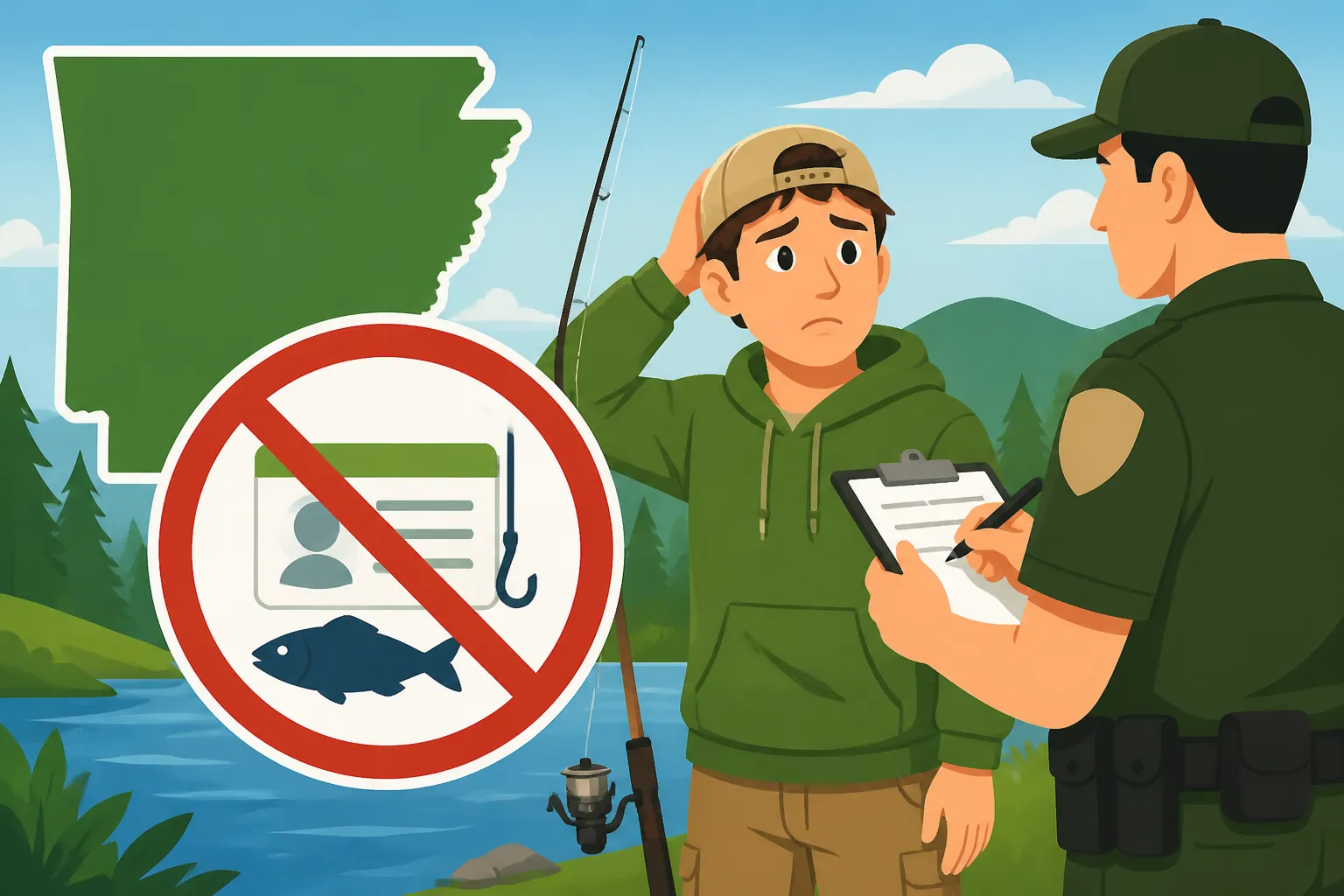
It’s an all too common scenario: you’re out on a beautiful Arkansas morning, the fish are biting, and then a game warden pulls up to check your license. Maybe you genuinely forgot it at home, or perhaps you weren't aware you even needed one. The sudden wave of panic and confusion is real, and it often leaves anglers wondering, "What happens now?" This guide is here to shed light on the exact penalties for fishing without a license in Arkansas, helping you understand the consequences and, more importantly, how to avoid them.
Understanding Arkansas Fishing License Requirements
Before we dive into the nitty-gritty of penalties, it's crucial to understand why fishing licenses exist in the first place and who exactly needs one in the Natural State. Many anglers, especially those new to the sport or visiting from out of state, might assume a quick trip to a local pond doesn't require paperwork. However, ignoring these regulations can lead to unexpected and costly trouble.
Who Needs a License and Who Doesn't
The Arkansas Game and Fish Commission (AGFC) has clear guidelines on who must possess a valid fishing license. Generally speaking, if you're 16 years of age or older and planning to fish in Arkansas public waters, you're going to need a license. This applies whether you're dangling a worm from a dock at Lake Ouachita or casting flies on the White River. It doesn't matter if you’re a resident or a visitor; the requirement stands. If you’re an Arkansas resident, you’ll typically need a basic fishing license, but if you’re from out-of-state, then specific Nonresident Fishing License Rules for Arkansas will apply. You can even compare these costs with our guide on Comparing Resident and Nonresident License Costs in Arkansas.
However, there are a few exceptions that often cause confusion. For instance, children under 16 do not need a license to fish. This is a fantastic initiative to encourage younger generations to get outdoors and experience the joy of fishing without the initial hurdle of a license. Additionally, there's the much-anticipated Arkansas Free Fishing Weekend Guide, usually held in June, where residents and non-residents alike can fish without a license. This is a perfect opportunity to try fishing without any financial commitment to a license, though other regulations like bag limits still apply. Seniors, specifically Arkansas residents 65 and older, also enjoy significant exemptions, often qualifying for a Arkansas 65+ Lifetime Fishing License for a one-time fee or even being exempt from the basic license requirement altogether. Still, it's worth noting that even with exemptions, a trout permit might still be necessary if you plan to keep trout. Our comprehensive guide on Arkansas Fishing License Types Explained offers a deeper dive into these nuances.
The Purpose Behind Fishing Licenses
It might feel like just another fee, but fishing licenses play a vital role in maintaining the health and abundance of Arkansas's aquatic ecosystems. The revenue generated from license sales goes directly towards critical conservation efforts. This includes funding fish stocking programs, habitat restoration projects, research into fish populations, and maintaining public access points like boat ramps and fishing piers. Essentially, when you purchase a license, you're directly contributing to the very resources you enjoy.
Beyond funding, licenses help the AGFC gather crucial data on angler participation and effort. This data is invaluable for fisheries biologists who use it to make informed decisions about species management, creel limits, and size restrictions to ensure sustainable fishing for future generations. It’s not just about collecting money; it’s about responsible stewardship and ensuring that the incredible fishing opportunities in Arkansas remain vibrant and thriving. Think of it as your direct investment in keeping Arkansas a premier fishing destination.
The Specific Penalties for Fishing Without a License
So, what exactly happens if you're caught fishing without the proper authorization? It's not just a slap on the wrist. The penalties can range from a significant fine to more serious legal consequences, making it far more expensive than simply buying a license in the first place.
Initial Fines and Court Appearances
In Arkansas, fishing without a valid license is typically classified as a Class C misdemeanor. While this might sound minor, it carries some real weight. The fines can vary depending on the specific circumstances, such as whether it's your first offense or if you were also violating other regulations (like exceeding daily limits or fishing in a closed area). Generally, you can expect a fine that ranges from $100 to $1,000, plus court costs. Local jurisdictions might have slight variations, but that's the ballpark.
Beyond the monetary penalty, a Class C misdemeanor often requires a mandatory court appearance. This means taking time off work, traveling to the courthouse, and standing before a judge. It's not just an inconvenience; it becomes a part of your public record. Imagine planning a relaxing weekend fishing trip, only to have it turn into a stressful legal headache with an unexpected court date on your calendar. It's a stark reminder that ignorance of the law is rarely an excuse that holds up. Game wardens are diligent in their patrols, and yes, Do game wardens check for fishing licenses in Arkansas?, they certainly do.
License Revocation and Future Implications
The repercussions don't necessarily stop at a fine and a court date. The Arkansas Game and Fish Commission has the authority to suspend or revoke your fishing privileges. This means that even if you eventually buy a license, you might be prohibited from fishing for a set period. For passionate anglers, this can be a truly devastating consequence, essentially banning you from your favorite pastime. The length of the suspension can vary, often increasing with the severity or frequency of the offense.
Moreover, a conviction for fishing without a license can affect your ability to obtain other recreational licenses in the future, including hunting licenses. The AGFC operates under an integrated system, and violations in one area can easily spill over into others. This is why understanding Arkansas Fishing License Penalties and Requirements is so crucial; it's not just about one day on the water, but potentially your entire outdoor recreation future.
Escalation for Repeat Offenders
If you're caught fishing without a license multiple times, the penalties become significantly more severe. Repeat offenses are viewed much more harshly by the legal system and the AGFC. While a first offense might result in a fine and a short suspension, subsequent violations can lead to higher fines, longer license revocations, and in some cases, even jail time.
Game wardens and prosecutors take repeat offenders seriously because it demonstrates a blatant disregard for conservation laws and the integrity of the state's natural resources. It's not uncommon for second or third offenses to result in maximum fines and lengthy bans from all hunting and fishing activities in Arkansas. It's a clear message: one mistake might be forgiven, but continuous violations will lead to increasingly strict consequences.
Here's a quick overview of potential penalties:
| Offense Type | Fine Range (approx.) | Court Appearance | License Suspension | Other Potential Consequences |
|---|---|---|---|---|
| First Offense (Class C Misdemeanor) | $100 – $1,000 + court costs | Often Required | Possible (up to 1 year) | Public record, inconvenience |
| Second Offense | $500 – $2,000 + court costs | Required | Likely (1-3 years or more) | Jail time (rare, but possible) |
| Subsequent Offenses | $1,000+ + court costs | Required | Extended (3+ years to permanent) | Increased jail time potential, confiscation of gear |
Note: These are general guidelines. Actual penalties may vary based on specific circumstances, local jurisdiction, and judicial discretion.
Preventing License Violations: Getting and Carrying Your License
Avoiding these stressful and costly penalties is actually quite simple. It all boils down to knowing the rules, obtaining the correct license, and always having proof of it when you're out on the water.
Easy Ways to Purchase Your License
The Arkansas Game and Fish Commission has made it incredibly convenient to purchase a fishing license. You no longer have to trek to a specific government office; there are multiple user-friendly options available. The most popular method these days is to simply How to Buy an Arkansas Fishing License Online. The AGFC's website is robust, allowing you to purchase and print your license from the comfort of your home in minutes. Many anglers even save a digital copy on their smartphone, which is perfectly acceptable as proof.
Beyond online purchases, you can also visit various authorized license dealers across the state. This includes most Walmart stores, local sporting goods shops like Academy Sports + Outdoors or Bass Pro Shops, and many small-town bait and tackle shops. These local businesses often have knowledgeable staff who can help you select the right license for your needs, whether it's a Resident Annual Fishing License Cost in Arkansas or a shorter-term option for a quick trip. You can even find fishing gear, from basic tackle to specialized rods, on platforms like Amazon, and while you're there, you might grab a waterproof license holder to keep your physical copy safe. If you're wondering about costs, you might want to check out our detailed piece on the Nonresident annual fishing license price in Arkansas is $60.
Always Carry Proof
Having purchased a license is only half the battle; you must also have proof of it with you while fishing. A physical copy printed on paper or a digital copy displayed on your smartphone are both acceptable forms of proof. Forgetting your license at home is just as much a violation as not having one at all, because you can't prove you're licensed.
Think of your fishing license like your driver's license. You wouldn't drive without it, so don't fish without proof of your license. Many anglers keep their physical license laminated and tucked into their wallet, tackle box, or fishing vest. For those who prefer digital, ensure your phone is charged and the license image or PDF is easily accessible, even in areas with spotty cell service. A quick search on Amazon for "fishing license holder" will show you plenty of options to keep it secure.
Double-Checking Regulations Before You Cast
Beyond the license itself, it’s also critical to be familiar with the broader Arkansas Fishing Regulations Guide. Regulations regarding fish size limits, daily creel limits, and specific waterbody rules can change, and it’s your responsibility as an angler to stay informed. A valid license doesn't grant you permission to ignore other important conservation rules.
Before heading out, take a few minutes to review the current AGFC regulations, which are readily available on their website, in print at license vendors, or through their official app. These regulations often include specific rules for different bodies of water, such as trout limits on tailwaters or special bass limits on certain lakes. You don't want to get caught with an undersized fish or over the daily limit, as those violations carry their own penalties, often compounding the issue if you also lack a license. Consider purchasing a durable, waterproof copy of the latest regulations from an online retailer like Amazon to keep in your boat or tackle bag. For example, if you plan to fish for trout, do you know Do you need a trout permit to keep trout in Arkansas?? These details matter!
Additional Consequences and Long-Term Impacts
While fines and license suspensions are the most immediate concerns, fishing without a license can have other, less obvious, but equally impactful, long-term consequences. These extend beyond your pocketbook and even affect your legal standing.
Confiscation of Gear
In some severe cases, especially involving repeat offenses or additional serious violations like poaching, game wardens have the authority to confiscate your fishing gear. This could include your rods, reels, tackle box, and even your boat or vehicle if it was used in the commission of the offense. While this is typically reserved for the most egregious violations, it's a stark reminder of the authority enforcement officers wield. Losing your cherished fishing equipment, which for many is a significant investment, adds another layer of financial burden and frustration to the penalty. Imagine having to replace a high-end fishing setup you saved up for, all because you neglected a simple license.
Impact on Hunting Privileges
As mentioned earlier, the AGFC manages both fishing and hunting licenses. A serious violation related to fishing can absolutely impact your ability to hunt in Arkansas. If your fishing privileges are suspended, it's quite possible your hunting privileges could be suspended as well. This reciprocal enforcement ensures that individuals who show a disregard for wildlife conservation laws are held accountable across all outdoor recreational activities. For those who enjoy both angling and hunting, this means a single mistake on the water could keep you out of the woods too. It’s a bitter pill to swallow for someone who loves the outdoors.
Community Perception and Legal Record
Beyond the official penalties, there's the less tangible but still very real consequence of damage to your reputation and a mark on your legal record. A Class C misdemeanor, while not a felony, is still a criminal offense. This can show up on background checks, which could potentially impact certain job opportunities, especially those requiring a clean record or involving trust. While it might not seem like a big deal at the moment, that small infraction can follow you around for years.
Furthermore, within the close-knit angling community, word travels fast. Being known as someone who skirts the rules can lead to a loss of respect among fellow sportsmen and women who diligently follow regulations and care deeply about conservation. No one wants to be "that guy" who doesn't play by the rules, especially when those rules are designed to protect the very resources we all cherish. It's a reminder that responsible angling is not just about avoiding penalties, but about being a good steward of nature and a respected member of the community.
Disclaimer
The information provided in this guide is for general informational purposes only and does not constitute legal advice. Fishing regulations and penalties can change, and specific circumstances of an offense may lead to different outcomes. Always refer to the official Arkansas Game and Fish Commission regulations and consult with legal counsel if you have specific legal questions or concerns.