Why the nonresident trout permit costs double the resident rate
It's a common moment of confusion for many out-of-state anglers: you're excited to hit Arkansas's incredible trout streams, only to find the nonresident trout permit costs significantly more than what a local pays. This can feel a little unfair, like you're being penalized for not living here. But there's a good reason behind this pricing structure, and understanding it can help you appreciate the value you're getting.
Understanding the Basic Costs of Trout Permits in Arkansas
Let's start by laying out the numbers, because that's often where the initial questions arise. When you look at the Arkansas Game and Fish Commission's (AGFC) fee schedule, the difference in trout permit costs between residents and nonresidents is quite clear. For a resident, adding a trout permit to their annual fishing license is a relatively modest expense. Many residents appreciate that their Resident Trout Permit Cost in Arkansas is designed to be affordable, encouraging more local anglers to enjoy the state's cold-water fisheries.
However, if you're visiting from out of state, you'll notice a distinct jump. The Nonresident Trout Permit Price is $20 in Arkansas, which, as you've likely observed, is exactly double the resident rate. This disparity isn't arbitrary; it's a deliberate part of how the state manages its precious natural resources and ensures that the financial burden of conservation and maintenance is fairly distributed. The sticker shock is real for many first-time visitors, but once you delve into the why, it starts to make more sense. You're not just buying a piece of paper; you're contributing to the health and sustainability of some truly world-class fisheries.
The Logic Behind Differential Pricing for Nonresidents
The practice of charging nonresidents more for fishing licenses and permits isn't unique to Arkansas. It's a widespread method across many states to balance conservation funding, resource impact, and the long-term health of fishing opportunities. The core idea boils down to who primarily funds and benefits from the state's wildlife management efforts.
Funding Conservation and Wildlife Management
Think about the Arkansas Game and Fish Commission. This agency is responsible for managing all of Arkansas's fish and wildlife resources, from enforcing regulations to operating hatcheries, stocking programs, habitat restoration, and educating the public. This massive undertaking requires significant financial resources. A substantial portion of the AGFC's budget comes directly from the sale of hunting and fishing licenses and permits.
For residents, these fees are complemented by state tax dollars, even if indirectly. Residents contribute to the state's overall economy and tax base throughout the year, which in turn helps support state agencies and infrastructure. They live here, work here, and their taxes contribute to the upkeep of the state's public lands and waters, including those incredible trout streams. When they buy a fishing license or a trout permit, it’s one part of their ongoing contribution to the state’s natural heritage. The AGFC operates under the directive to manage these resources primarily for the benefit of Arkansas residents, who are the consistent taxpayers. Therefore, the lower resident rates reflect this ongoing, broader financial contribution.
Nonresidents, while certainly welcome and valued guests, don't have the same ongoing tax obligations to Arkansas. Their contribution to the state's coffers is typically limited to sales taxes on purchases made during their visit, and directly through their license and permit fees. To ensure that nonresidents contribute equitably to the extensive costs of maintaining and enhancing Arkansas's fisheries, especially those like the renowned trout streams that draw anglers from across the country, a higher fee structure is necessary. This helps offset the fact that they aren't contributing through property taxes, income taxes, or other state-specific levies that residents regularly pay. It’s a way to ensure everyone who benefits from these resources pitches in their fair share, regardless of where they call home.
Resource Management and Usage Impact
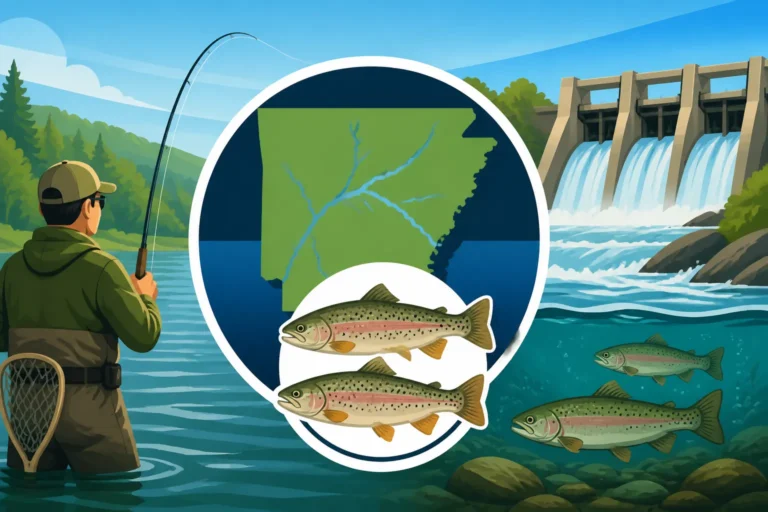
Beyond just funding, there's the very real consideration of resource management and the impact of angling pressure. Arkansas's trout fisheries, particularly the tailwaters below dams like those on the White River and the Norfork River, are unique and delicate ecosystems. These waters are often cold-water releases from deep lake bottoms, creating ideal conditions for trout, but they require constant management.
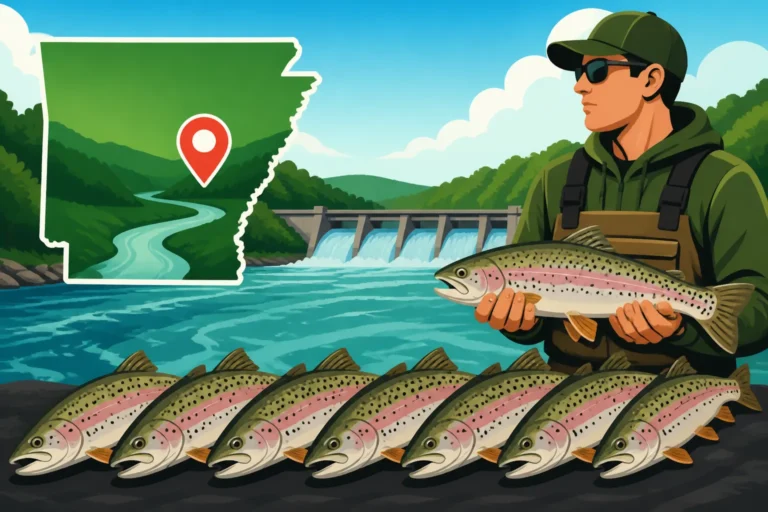
The AGFC invests heavily in these areas. For instance, they operate hatcheries that raise and stock hundreds of thousands of trout annually into these rivers to maintain healthy populations for anglers. This isn't a cheap endeavor; it involves everything from specialized feed and rearing facilities to transportation and careful release strategies. You can learn more about how the state manages its fisheries in the comprehensive Arkansas Fishing Regulations Guide, which highlights many of these efforts.
When nonresidents flock to these prime fishing destinations – and they do, for good reason – they add to the overall angling pressure. More lines in the water, more fish caught (even if released), and more general use of public access points, boat ramps, and riverside facilities all contribute to wear and tear. This increased pressure necessitates more intensive management, more stocking, and more enforcement by game wardens. By charging a higher rate for a Arkansas Trout Permit Rules, the AGFC aims to ensure that those who are visiting specifically to use these high-value resources contribute more directly to their upkeep. It’s about ensuring that the resources remain healthy and productive for generations, despite the popularity they enjoy. Think of the sheer numbers of anglers drawn to the White River Fishing Guides: Arkansas's Trout Fishing Capital area during peak season; each one, resident or nonresident, puts a demand on the fishery that must be met through AGFC's efforts, often funded by these very permit sales.
Reciprocity Agreements and Neighboring States
It's natural to wonder if Arkansas has any reciprocity agreements with neighboring states that might exempt nonresidents from these higher fees, especially if you live just across the border in, say, Missouri or Oklahoma. Generally speaking, while some states might have limited reciprocity for basic fishing licenses on shared border waters, specific endorsements or permits like a trout permit are almost always treated separately and require full nonresident pricing.
This is because trout fisheries are often highly localized and require very specific management strategies, unlike general warm-water fisheries that might span across state lines more fluidly. The unique conditions that create Arkansas's prime trout waters are not typically shared with neighboring states in a way that would facilitate blanket reciprocity for a specialized permit. You can dive deeper into these nuances by exploring topics like Arkansas Fishing License Reciprocity with Neighboring States, but the general rule is that if you're fishing for trout in Arkansas, a nonresident trout permit is almost certainly required, regardless of where you hold your primary license. Each state manages its resources distinctly, and the fees reflect the cost of managing their specific, often unique, trout programs. This helps maintain the financial integrity of each state's conservation efforts without one state inadvertently subsidizing another's anglers.
Exploring the Value Proposition for Nonresident Anglers
Okay, so the costs are higher. But let's shift the focus. Is it still worth it? For many, the answer is an enthusiastic yes, because what Arkansas offers in terms of trout fishing is truly exceptional.
Access to World-Class Trout Fisheries
Arkansas isn't just any state for trout fishing; it's a genuine destination for serious anglers. The White River, especially below Bull Shoals Dam, is consistently ranked among the top trout streams in the entire country, famous for producing trophy brown trout. Similarly, the Norfork Tailwater Trout Rules and Season outlines another incredible fishery that consistently yields big rainbows and browns.
Anglers travel from all over the world to experience these waters. Imagine battling a 20-pound brown trout on the White River, or spending a peaceful morning drifting flies through the mist on the Norfork. These are not just fishing trips; they are often once-in-a-lifetime experiences. The quality of the fish, the stunning Ozark scenery, and the sheer volume of productive water make these locations incredibly special. So, while a $20 trout permit might seem steep at first glance compared to a resident's $10.50, when you consider the caliber of the fishing experience it grants you, it often pales in comparison to the overall cost of a fishing trip, including travel, lodging, and gear. Many anglers happily pay the fee, knowing they are accessing truly unparalleled opportunities. For a deeper dive into these legendary waters, check out The Best Trout Fishing Spots in Arkansas.
Comparing Costs to Other States
To really put the Arkansas nonresident trout permit cost into perspective, it's helpful to compare it with other states renowned for their trout fishing. States like Colorado, Montana, and Wyoming, which are synonymous with trout fishing, often have nonresident license and permit fees that can be significantly higher.
For example, a nonresident annual fishing license in Colorado can easily run over $100, and that might not even include a specific trout stamp or endorsement if required for certain waters. Montana's nonresident fishing license, especially for a week or an annual pass, can be quite substantial. When you look at these figures, Arkansas's $20 nonresident trout permit, which is an add-on to your basic nonresident fishing license, often appears quite reasonable by comparison.
This isn't to say it's cheap, but it highlights that Arkansas isn't an outlier in charging nonresidents more; it's simply following a widely accepted practice for states looking to sustain their high-quality fisheries. The state offers a tremendous value for the quality of fishing, even with the differential pricing.
| Type of Permit/License | Arkansas Resident Cost | Arkansas Nonresident Cost |
|---|---|---|
| Annual Fishing License | $10.50 | $60.00 |
| Trout Permit (Annual) | $10.50 | $20.00 |
| Total for Trout Fishing | $21.00 | $80.00 |
| 3-Day Trip Fishing License | N/A (Resident Annual) | $25.00 |
| Trout Permit (3-Day) | N/A (Resident Annual) | $20.00 |
| Total for 3-Day Trout Trip | N/A | $45.00 |
Note: The 3-day trip license is primarily for nonresidents and does not have a direct resident equivalent for comparison purposes in this table, as residents typically purchase annual licenses.
How to Make the Most of Your Nonresident Trout Permit
Since you're investing in a nonresident trout permit, you'll want to ensure you maximize its value. Here are a few tips to make your trip truly unforgettable:
- Plan a Multi-Day Trip: A higher permit cost feels more worthwhile if you spread it out over several days of fishing. Instead of a quick in-and-out, plan a long weekend or a full week. This allows you to explore different sections of the rivers, try various techniques, and significantly increase your chances of a trophy catch. Consider staying near popular fishing towns like Cotter or Mountain Home, which offer easy access to multiple renowned spots.
- Do Your Research: Before you go, research current conditions, water levels, and what flies or lures are working best. Websites, forums, and local bait shops (like Dally's Ozark Fly Fisher or Cotter Trout Dock) are fantastic resources. This preparation will help you hit the ground running. You might even find some specialized gear, like the perfect stream thermometer or a specific fly tying kit, on platforms like Amazon before your trip, saving valuable fishing time once you arrive.
- Consider a Guide: Especially if you're new to Arkansas's trout waters, hiring a local guide for at least one day can be invaluable. They know the water, the patterns, and the best techniques. They can also provide gear, potentially saving you the cost of bringing your own and allowing you to try new setups. Check out resources like Trout Fishing Below Bull Shoals Dam on the White River to find guides in that area.
- Bundle Your Licenses: Make sure you purchase both your basic nonresident fishing license and your trout permit at the same time. You can often do this easily online through the AGFC website. For a more detailed guide on the process, read How to Buy an Arkansas Fishing License Online. Make sure all your permits are in order before you even wet a line, so you can enjoy your time without any worries about compliance. When considering what to pack, items such as sun protection, waterproof clothing, and a reliable cooler for your catch (if you plan to keep fish within limits) are essential and can easily be sourced from reputable outdoor retailers or even Amazon.
Ultimately, while the nonresident trout permit costs double the resident rate, it's an investment in accessing some of the finest trout fishing in North America. The value comes not just from the act of fishing itself, but from the incredible natural resources that Arkansas has carefully preserved and enhanced, largely through the very fees you contribute.
Disclaimer
Please remember that fishing regulations and license costs can change. Always consult the most current Arkansas Game and Fish Commission regulations and fee schedules before planning your trip to ensure you have the most up-to-date and accurate information. This article is for informational purposes only and should not be considered legal advice.