Can You Keep the Fish You Catch on an Arkansas Guide Trip?
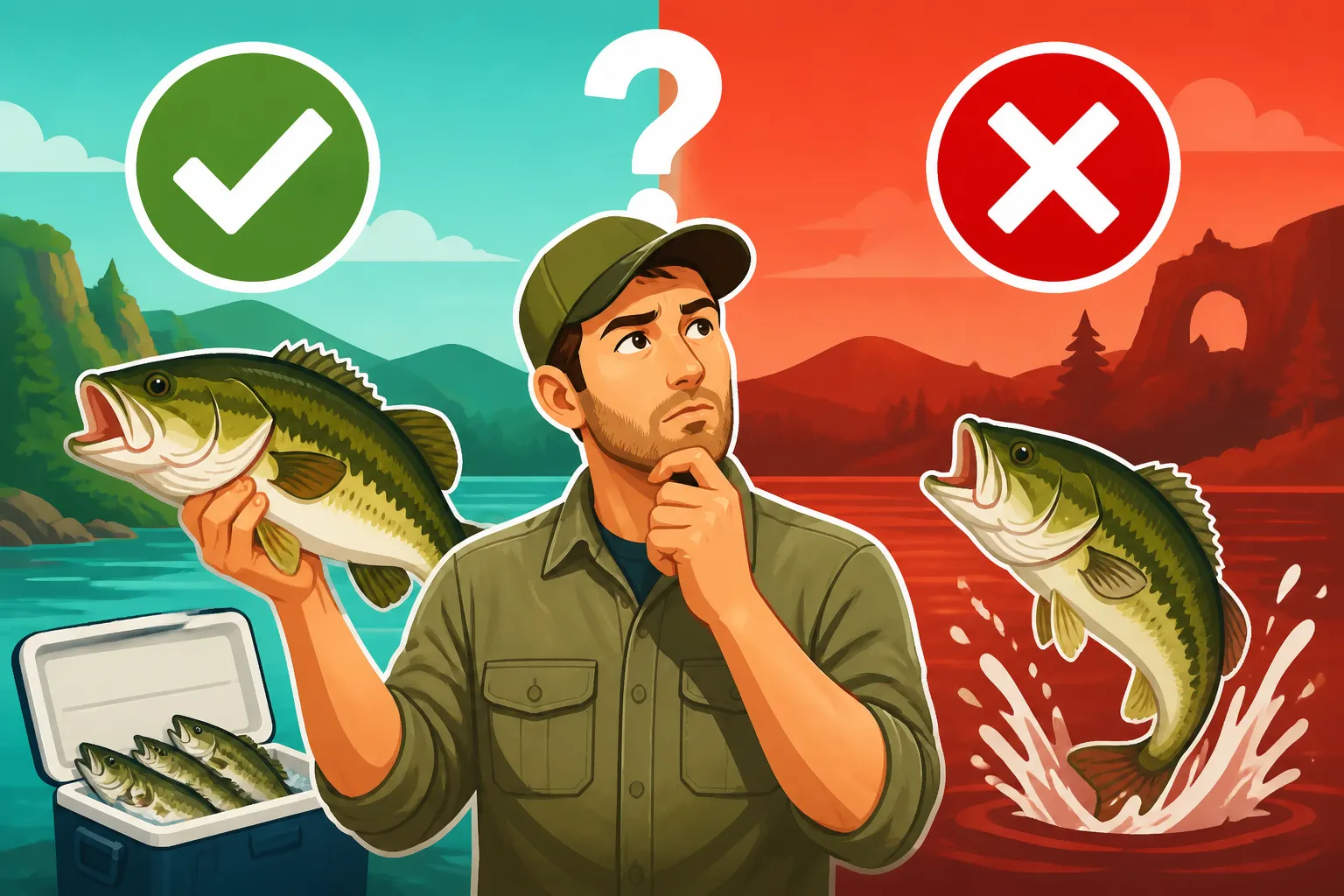
One of the most common questions anglers have when planning a guided fishing trip in Arkansas is whether they get to keep the fish they catch. It’s a completely fair question! After all, part of the joy of fishing, for many, is bringing home a fresh catch for the dinner table. This guide will thoroughly explain the rules, common practices, and expectations around keeping your fish on an Arkansas guided trip, ensuring you know exactly what to anticipate before you even step onto the boat.
The General Rule: Catch and Keep, with Caveats
The straightforward answer is usually "yes," you can keep the fish you catch on a guided trip in Arkansas, assuming they meet all legal requirements. However, like most things in life, there are always a few important details and exceptions that you need to be aware of. Your guide is not above the law, and neither are you when you’re out on the water with them.
Understanding Daily Creel Limits and Size Restrictions
Every angler on a guided trip is subject to the same Arkansas Game and Fish Commission (AGFC) regulations as anyone else fishing recreationally. This means that for each species, there's a daily creel limit – the maximum number of fish you can legally keep in a single day – and often a minimum or maximum size limit. For example, if the daily limit for crappie is 20 fish and you have three anglers on the boat, collectively, you could potentially keep up to 60 crappie. However, it’s crucial to remember that these limits apply per individual angler with a valid license and any necessary permits.
Your guide will be an expert on these regulations, sometimes even knowing hyper-local exceptions for specific lakes or river sections. They'll ensure you stay within the legal bounds, not only because it's the law, but also because their reputation and license depend on it. Imagine catching a beautiful bass, only for your guide to gently explain it's an inch too short to keep, or that you've already met your daily limit for that species. It can be a little disappointing in the moment, but it’s all part of responsible angling and ensuring healthy fish populations for years to come. You can learn more about these specifics in Arkansas Fish Size and Daily Limits.
The Role of Trout Permits on Guided Trips
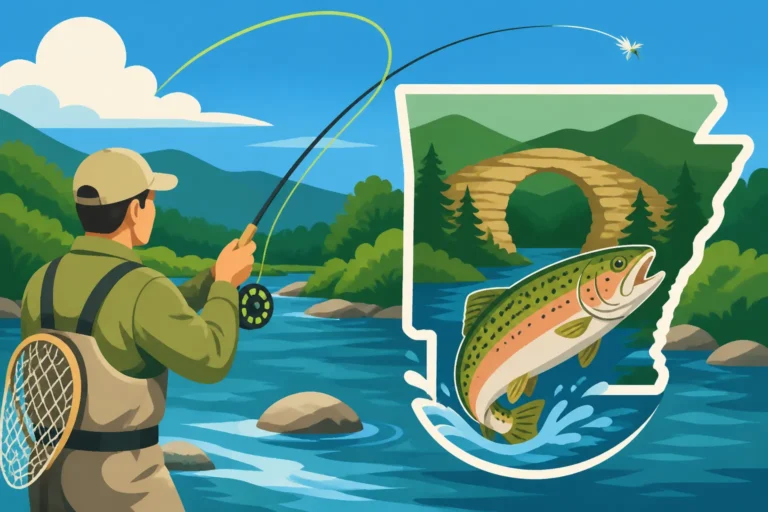
If your guided trip takes you to one of Arkansas's famous trout waters, particularly the White River, Norfork River, or Little Red River, there's an additional consideration: the trout permit. Even if you have a general Arkansas fishing license, you'll need a separate trout permit to keep trout in these designated streams. This is a common point of confusion for out-of-state anglers or those new to trout fishing in Arkansas.
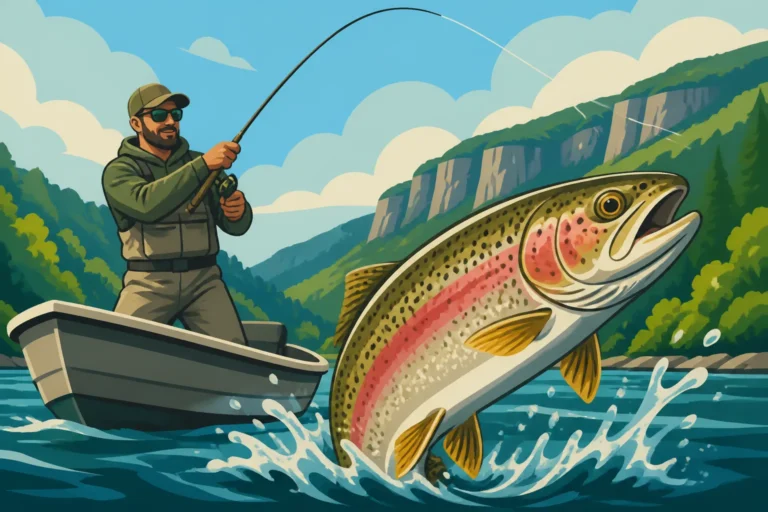
Many guides will confirm this requirement with you when you book, or even offer to help you secure one if you arrive without it. Think of it like a special "upgrade" for trout fishing. If you're on a White River float trip targeting rainbow or brown trout, and you want to take a couple home for dinner, you absolutely must have that permit. Without it, even if you catch legal-sized trout, you'd have to release them, or face potential penalties for fishing without the proper documentation. This often leads to questions like Do you need a trout permit to keep trout in Arkansas?, and the answer is a resounding yes if you plan to keep your catch in designated trout waters.
What Guides Typically Provide for Your Catch
One of the great perks of hiring a fishing guide is the assistance they offer with your catch. Most reputable guides in Arkansas will provide all the necessary equipment and services to handle your fish after they’ve been caught. This usually includes a cooler with ice to keep your fish fresh throughout the day. When the trip concludes, many guides will even clean and fillet your fish for you, preparing them perfectly for transport.
This is a huge convenience, especially after a long day on the water. Instead of heading home and facing a messy cleaning job, you can arrive with neatly packaged fillets, ready for the grill or freezer. It’s definitely something to confirm when you book, but it's a widely expected service, particularly for guides specializing in crappie, catfish, or trout trips where anglers often intend to keep a limit. You'll simply need to ensure you have a way to keep those fillets cold on your journey home, which brings us to our next section.
Guide Philosophy: Catch and Release vs. Keeping Fish
While state regulations set the baseline, individual guides and their operations often have their own philosophies and preferences regarding keeping fish. This isn't about breaking rules; it's about varying approaches to conservation, trophy fishing, and client experience. It's vital to discuss this upfront to ensure your expectations align with your guide's approach.
Conservation-Minded Guides and Trophy Fisheries
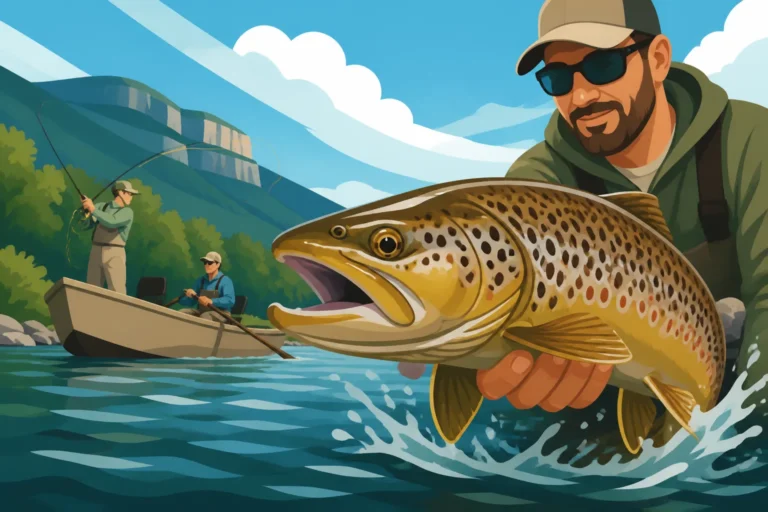
Many guides, especially those who operate on renowned trophy fisheries like certain sections of the White River for brown trout, or specific lakes known for massive bass or stripers, often lean towards catch-and-release for larger, more valuable fish. Their livelihood depends on the health and abundance of these fisheries, and releasing trophy-sized fish ensures they can continue to grow and reproduce, contributing to future generations of anglers' success.
This doesn't mean you can't keep any fish. Often, on a trophy trout trip, you might be encouraged to release the larger "picture fish" but are welcome to keep a few smaller, legal-sized fish for dinner. A guide might gently suggest, "That's a beautiful 25-inch brown, a true survivor! She'd make a fantastic photo, and then maybe we let her go to make more babies?" This approach contributes to the sustainability of the fishery, and most anglers appreciate the opportunity to contribute to conservation, especially when dealing with truly exceptional catches.
Communicating Your Expectations Upfront
This is perhaps the most crucial takeaway: always communicate your intentions regarding keeping fish when you book your trip. Don't assume. A quick call or a note in your online booking request can prevent any misunderstandings on the water. Platforms like FishingBooker often allow you to send messages directly to guides, making it easy to ask these questions before committing. Simply state, "My family and I are hoping to catch some crappie to take home for dinner; is that something you accommodate on your trips?"
Most guides are happy to oblige, as long as it's within legal limits and aligns with their general operation. However, if you book a specialized "Trophy Brown Trout Trip" on the White River without asking, you might find the guide's focus is entirely on catch-and-release for those specific, larger fish. Being clear about your goals ensures that both you and your guide are on the same page and can make the most of your day. This kind of open communication is part of the "Questions to Ask Before Hiring an Arkansas Fishing Guide."
Designated Catch-and-Release Only Waters
It's also important to be aware that certain specific sections of rivers or lakes in Arkansas are designated as "Catch-and-Release Only" for particular species, or even for all species. These areas are established to protect critical spawning grounds, provide scientific study zones, or manage highly sensitive fish populations. Your guide will be intimately familiar with these zones and will strictly adhere to them.
For example, there might be a specific stretch of a tailwater where all trout, or only specific sizes of trout, must be immediately released unharmed. Fishing in these areas is a fantastic experience for the challenge and the thrill of the catch, but you won't be able to take anything home from them. Your guide will explain these rules as you approach such areas, ensuring you understand why the practice is necessary. This also touches on general Catch-and-Release Rules on Guided White River Trips if that’s where your adventure takes you.
Practicalities of Taking Your Catch Home
So, you've caught your limit of legal fish, and your guide is on board with you taking them home. Now, how do you actually get them from the boat to your dinner plate, especially if you're traveling a distance? There are some practical steps and considerations to keep in mind.
Equipment for Transporting Your Fish
While your guide will likely have a cooler on their boat to keep your day's catch fresh, you'll need your own plan for the journey home. For many, this simply means bringing a large cooler, especially if you’re planning a multi-day trip or anticipate a good haul. A quality cooler packed with plenty of ice is essential to maintain the freshness and quality of your fillets. Nobody wants to arrive home with fish that have gone bad!
Your guide might have extra ice, but it's always a good idea to bring your own supply or plan to pick some up immediately after your trip concludes. If you’re flying, you'll need to check airline regulations for transporting fish, which usually requires them to be frozen solid and packed in an approved cooler. For most road trippers, a well-insulated cooler and regular ice checks are all that's needed. Thinking about What to Bring on a Guided Arkansas Fishing Trip should definitely include planning for your catch!
Fish Cleaning Services: What to Expect
As mentioned earlier, one of the biggest conveniences of a guided trip is the fish cleaning service. Most guides will clean and fillet your fish for you right at the end of the trip, or back at the dock. This is usually included in the price of the trip, but it's worth a quick confirmation when booking. They’ll likely have a designated cleaning station and will expertly turn your whole fish into boneless, skinless fillets, ready for cooking.
This service is a huge time-saver and ensures the fish are handled properly from catch to cooler. Good guides take pride in their cleaning skills, knowing that the quality of the meal is as important as the thrill of the catch. They'll typically bag the fillets in freezer bags, making them easy to pack into your cooler. It’s also a great opportunity to ask them for any cooking tips or favorite recipes for the species you’ve caught!
Storage and Travel Considerations
Once your fish are cleaned and packed in ice, your main goal is to keep them cold and safe until you reach your final destination. For those driving a significant distance, refreshing your ice supply every 12-24 hours is a good practice. Drain any melted water from your cooler periodically, but make sure to replace it with fresh ice. This keeps the fillets from sitting in lukewarm water, which can degrade quality quickly.
Arkansas recently simplified its possession limit rules, eliminating a statewide possession limit and focusing solely on daily creel limits. This means that once you’ve legally taken possession of your catch (i.e., you’ve kept them within your daily creel limit), you generally no longer have to worry about how many you have stored at your home or cabin. However, it's critical to understand What Counts as a Final Point of Storage for Fish in Arkansas and ensure all fish are identifiable by species until they reach that point. Your guide will be up-to-date on these nuances, making sure you transport your fish correctly.
| Aspect of Keeping Fish | General Practice | Key Considerations |
|---|---|---|
| Legal Limits | You can keep fish that meet daily creel and size limits. | Applies per angler; check specific regulations for species and waterbody. |
| Trout Permit | Required in designated trout waters to keep trout. | Purchase in advance or with guide's help; separate from general license. |
| Guide's Philosophy | Many guides allow keeping, some encourage catch-and-release for trophies. | Communicate your intentions before booking to align expectations. |
| Catch & Release Areas | Some waters are strictly catch-and-release for certain species or all fish. | Guide will inform you of these zones; no fish can be kept. |
| Cleaning Service | Most guides offer cleaning/filleting as part of the trip or for a fee. | Confirm when booking; plan for proper transport of fillets. |
| Transport | Bring a cooler with ice for the journey home. | Keep fish cold; check for airline rules if flying; refresh ice for long drives. |
When Keeping Fish Might Not Be Possible or Advisable
While keeping your catch is often part of the plan, there are specific situations where it might not be possible or where you, or your guide, might advise against it. Understanding these scenarios helps set realistic expectations for your trip.
Species-Specific Regulations and Protected Fish
Arkansas has a rich diversity of fish species, and not all of them are fair game for keeping, or they might have very specific windows for retention. For example, while you might be targeting largemouth bass, you could accidentally hook a protected species or a bass that falls outside the legal slot limit. Smallmouth bass on certain moving waters, for instance, often have a minimum length requirement that means anything under that size must be released immediately and unharmed.
Your guide's role is not just to put you on fish, but also to ensure you comply with all conservation efforts. If you catch a fish that is out of season, too small, too large (in a slot limit scenario), or a protected species, your guide will instruct you on how to properly release it. This helps protect vulnerable populations and ensures sustainable fishing for everyone. It's why familiarizing yourself with Arkansas Fishing License Rules and Costs and related regulations is always a good idea before heading out.
Personal Preference and Ethical Angling
Beyond the regulations, many anglers, especially those with years of experience, choose to release even legal fish. This can be for a variety of reasons: perhaps they've already kept enough for a meal, they prefer to release larger breeding-stock fish, or they simply enjoy the sport of catch-and-release. This is a personal decision, and your guide will respect it. In fact, many guides appreciate anglers who practice ethical angling and conservation.
If you decide to release a fish, even if it's perfectly legal to keep, your guide will likely commend you and assist in ensuring the fish is released safely and has the best chance of survival. This often involves careful handling, minimizing air exposure, and proper resuscitation if needed. It’s a wonderful aspect of the angling community – the shared respect for the fish and the environment they call home.
Understanding Your Guide's Specific Policies
Finally, remember that while state regulations are universal, each individual fishing guide or charter service might have specific policies or unwritten rules that govern their trips. Some guides might specialize solely in catch-and-release trophy fishing, especially for species like large brown trout or striped bass, and explicitly state this on their websites or when you book. They might even charge a higher rate for a "trophy trip" where the emphasis is solely on the pursuit of a giant, not necessarily on bringing it home.
It’s always best to clarify these nuances directly with your guide when you're making arrangements, perhaps through a platform like FishingBooker. Don't be afraid to ask, "Do you have any specific policies regarding keeping fish on your trips?" or "Is there an extra charge if I want to keep my legal limit?" Most guides are very transparent about these details, as they want you to have an enjoyable and stress-free experience that meets your expectations. The goal is always to have a fantastic day on the water, whether you're bringing home dinner or just incredible memories and photos.
Disclaimer
This article is for general informational purposes only and does not constitute professional advice. Laws, prices and regulations vary by location and change over time. Consult a qualified professional for guidance on your specific situation.