Arkansas Free Fishing Weekend Dates and Rules
Fishing can sometimes feel like it requires a stack of permits and a law degree just to understand the rules, making it tough for newcomers or folks just looking for a low-stress day on the water. Thankfully, Arkansas offers a fantastic opportunity each year to cut through some of that red tape with its Free Fishing Weekend, designed to encourage everyone to experience the joy of angling without the usual license burden. This comprehensive guide will walk you through everything you need to know, from the exact dates and what’s truly “free” to how you can make the most of this special event for yourself and your family.
What is Arkansas Free Fishing Weekend All About?
Imagine a weekend where the primary barrier to entry for fishing – the need for a state fishing license – is temporarily lifted. That's precisely what Arkansas's Free Fishing Weekend offers. It's a cherished annual event designed to open up the state's incredible waterways to everyone, from seasoned anglers who might have let their license lapse to complete beginners who've never cast a line. The idea is simple: foster a love for fishing and the outdoors by removing one of the initial financial and bureaucratic hurdles.
Understanding the Purpose Behind This Annual Event
The Arkansas Game and Fish Commission (AGFC) organizes the Free Fishing Weekend with a clear vision in mind: to promote recreation, conservation, and family engagement. In an increasingly digital world, getting folks out into nature, teaching them about our precious aquatic ecosystems, and instilling a sense of stewardship is more important than ever. By removing the license requirement, the AGFC makes it easier for parents to introduce their kids to fishing without having to invest in a full annual license right off the bat. It’s also a perfect chance for adults who are curious about fishing but hesitant to commit financially to a license and gear. The goal isn't just to get people fishing for a weekend; it's to spark a lifelong passion that will contribute to the conservation efforts of our natural resources down the line. It's a strategic move to ensure the future of Arkansas fishing is vibrant and supported by a broad community of enthusiasts.
Who Benefits Most from Free Fishing Weekend?
While everyone can technically benefit from not needing a license, certain groups truly stand to gain the most. New anglers, for instance, find it invaluable. They can borrow a rod, grab some bait, and head to a local pond or lake to try their hand without worrying about the Arkansas Fishing License Rules and Costs. This removes a significant hurdle for those on the fence about picking up the sport. Families with young children often find it perfect for a low-cost, high-fun outing. Since you don't need to worry about if Do Kids Need a Fishing License in Arkansas?, it simplifies the planning for a family day out.
Think about it: you can pack a picnic, head to a state park with a fishing pond, and spend quality time together, teaching the kids how to bait a hook or cast. This is also a fantastic opportunity for non-residents who might be visiting Arkansas. Instead of purchasing a Nonresident Annual Fishing License Cost in Arkansas or even a short-term nonresident permit, they can join in the fun and experience Arkansas's diverse fisheries for free. It’s also a gentle nudge for former anglers to reconnect with the sport without the initial commitment of renewing their license. It’s truly an invitation for anyone and everyone to experience the joy of fishing in the Natural State.
When is Arkansas's Free Fishing Weekend in 2026?
One of the most frequently asked questions, understandably, is "When can I actually enjoy this free fishing?" The dates for Arkansas's Free Fishing Weekend are consistent each year, making it easy to mark your calendar well in advance. Planning ahead ensures you don't miss out on this fantastic opportunity to wet a line without reaching for your wallet.
Pinpointing the Exact Dates and Times
Arkansas's Free Fishing Weekend always takes place during the first full weekend of June. For 2026, this means the event will typically run from Friday at noon through Sunday at midnight of that particular weekend. It's crucial to pay attention to that "first full weekend" detail, as sometimes the first day of June might fall on a Monday or Tuesday, pushing the actual Free Fishing Weekend later into the month.
To give you a clearer picture, let's break it down:
| Year | Month | Day 1 of June | Free Fishing Weekend Starts | Free Fishing Weekend Ends |
|---|---|---|---|---|
| 2024 | June | Saturday | Friday, June 7 (noon) | Sunday, June 9 (midnight) |
| 2025 | June | Sunday | Friday, June 6 (noon) | Sunday, June 8 (midnight) |
| 2026 | June | Monday | Friday, June 5 (noon) | Sunday, June 7 (midnight) |
Please note that the dates provided in the table are illustrative based on the rule "first full weekend of June." Always double-check the official Arkansas Game and Fish Commission website for the most current and exact dates as they are announced closer to the event.
It's a generous window, starting mid-day Friday and extending all the way through Sunday night, giving you plenty of time to enjoy the water. Whether you prefer an afternoon on the lake, a full day of river fishing, or even a serene evening session, the weekend offers ample flexibility.
Why the First Full Weekend of June?
The choice of the first full weekend of June isn't arbitrary; it's a carefully considered decision by the AGFC. This timing aligns perfectly with several factors that contribute to a successful and enjoyable fishing experience for the maximum number of people.
Firstly, by early June, the weather across most of Arkansas has typically settled into warm, stable patterns. The volatile spring storm systems have usually passed, and the intense summer heat hasn't fully set in yet. This means more comfortable fishing conditions for everyone, especially families with children. The water temperatures are also ideal for a wide variety of fish species, making them active and more willing to bite. Many species, like bass and crappie, have recently completed their spawning cycles and are feeding aggressively, increasing the chances of success for anglers of all skill levels. This is a prime time for Arkansas Fishing Seasons Guide for many popular species.
Secondly, placing it in June allows for families to participate once the school year has ended for most students. This makes it an ideal kickoff to summer vacation, providing a structured, outdoor activity that everyone can enjoy without conflicting with school schedules. It becomes a natural focal point for family outings and group activities. Lastly, it often coincides with other outdoor recreation initiatives, creating a broader statewide celebration of nature and outdoor sports. This strategic placement maximizes participation and ensures the weekend lives up to its full potential as a welcoming event for all Arkansans and visitors alike.
Navigating the Rules: What's Free and What Isn't?
This is where many anglers, especially new ones, can get a little confused. While the "Free Fishing Weekend" name suggests a complete waiver of all fishing regulations, that's not entirely the case. It's absolutely essential to understand the specific exemptions and, more importantly, what rules still apply. Ignorance of the law is no excuse, even on a free weekend! You don't want to turn a fun family outing into a headache with a game warden, so let's break it down.
The Golden Rule: No State Fishing License Required
During the official Free Fishing Weekend dates and times, you are not required to possess a resident or nonresident annual fishing license to fish in Arkansas's public waters. This is the core benefit and the main reason for the event. Whether you're an Arkansas resident or just visiting, you can cast your line in most lakes, rivers, and streams across the state without needing to purchase an Arkansas Fishing License Types Explained. This applies to all ages, so even if an adult typically needs a Resident Annual Fishing License Cost in Arkansas, they are exempt for this specific period.
This exemption is a huge relief for many, as purchasing a license can sometimes be seen as an initial barrier. It truly simplifies the process for a spontaneous fishing trip. However, and this is a big however, while the license itself is waived, you are still expected to adhere to all other state fishing regulations. Think of it as driving a car without needing to show your driver's license for a weekend, but still having to obey speed limits and traffic laws.
The Catch: Special Permits Still Apply (Trout, etc.)
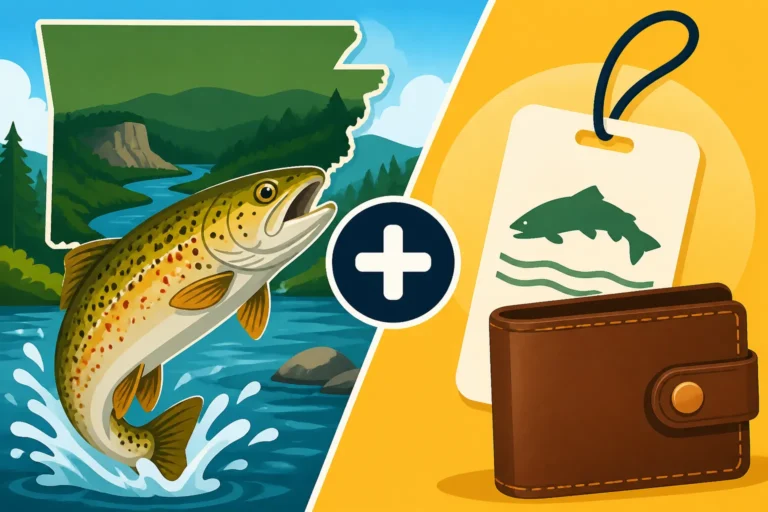
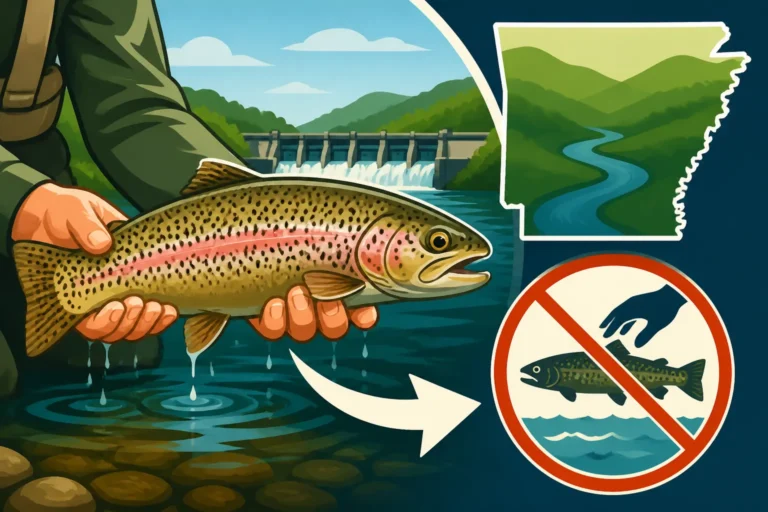
Here's the critical nuance that often trips people up: the Free Fishing Weekend exemption applies only to the general state fishing license. It does NOT waive the requirement for special permits or stamps that might be needed for certain species or specific bodies of water. The most common and important example of this is the Arkansas Trout Permit.
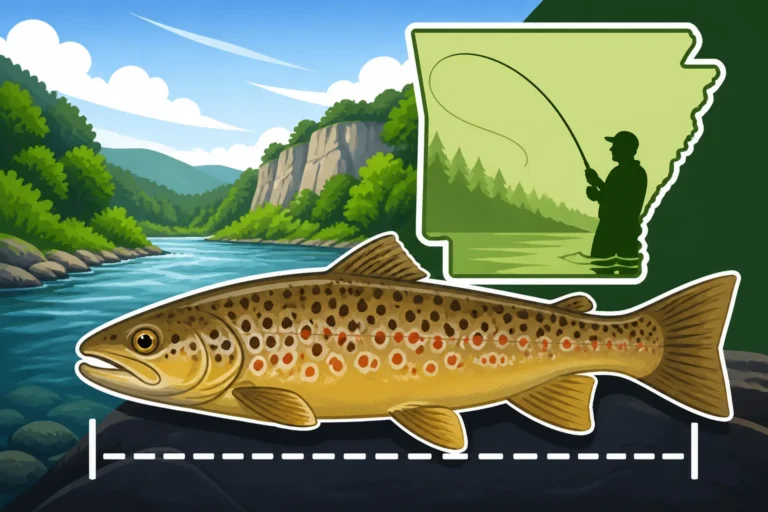
If you plan on fishing in any of Arkansas's designated trout waters – like the famous White River, Norfork River, or Little Red River tailwaters – and you intend to keep any trout, you absolutely must still possess a valid trout permit. This holds true even during Free Fishing Weekend. These permits help fund specific conservation and stocking programs for trout, and the AGFC maintains this requirement to ensure the sustainability of these premier fisheries. For more details, you can refer to the Arkansas Trout Permit Rules to understand where and when this permit is necessary.
Other examples where special permits or regulations might still apply include:
- Federal Waters: Some waters, like those within national parks or military installations, might have their own specific rules or require separate permits that are not covered by the state's Free Fishing Weekend. Always check with the local authority if you're unsure.
- Private Pay-to-Fish Lakes: If you're fishing on a privately owned "pay lake" or commercial trout farm, their own access fees and rules will still apply, regardless of the state's free fishing period.
- Specific Wildlife Management Areas (WMAs): While rare, some WMAs might have unique access rules or permits beyond general fishing licenses. Always consult the WMA's specific regulations before heading out.
The bottom line: if you're targeting trout or fishing in a highly specialized area, do your homework beforehand. A quick call to the AGFC or a check of their online regulations guide can save you from a costly mistake.
Important Exceptions and Local Regulations
Beyond the trout permit, there are other crucial aspects of Arkansas Fishing Regulations Guide that remain firmly in place during Free Fishing Weekend. These are the general rules designed to protect fish populations and ensure fair fishing for everyone.
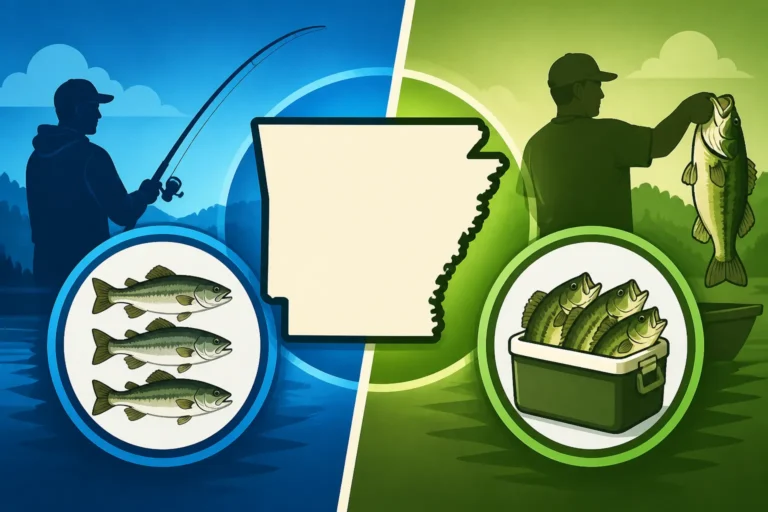
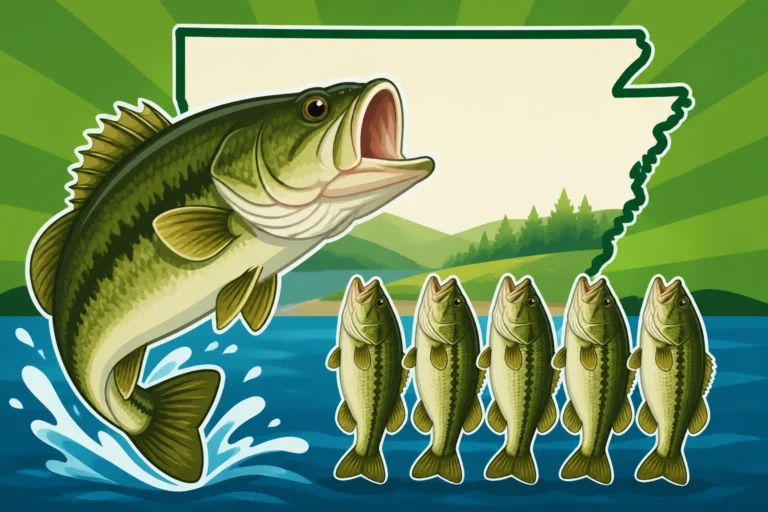
- Fish Size and Daily Limits: This is probably the most overlooked rule by new anglers. You still must adhere to all statewide and specific lake/river size limits and daily creel limits for every species you catch. For example, if the Largemouth Bass Daily Limit in Arkansas is 5 fish, you can only keep 5, regardless of whether you have a license or not. Similarly, if crappie must be 9 inches or longer to keep, you can't keep a smaller one. Always consult the current AGFC fishing guide for the specific limits for the waters you plan to fish. These can vary significantly by lake or river section.
- Legal Methods of Take: You must use legal fishing methods. This means no illegal nets, traps, or explosives. Only methods explicitly permitted by the AGFC are allowed, such as rod and reel, trotlines (with proper tagging and regulations), and jug fishing (again, with all rules followed).
- Boat Registration: If you're using a motorized boat, it still needs to be properly registered and display valid registration numbers, even if you don't need a fishing license.
- Personal Identification: While you don't need to show a fishing license, you should always carry some form of personal identification (driver's license, state ID) with you. Game wardens can still ask for identification to confirm your identity and ensure you're complying with other regulations.
In essence, Free Fishing Weekend is about waiving one specific administrative requirement (the general fishing license) to make fishing more accessible. It is not a free-for-all where all rules are suspended. Treat it as a regular fishing day where you simply don't have to purchase that initial piece of paper, but all conservation-focused rules still apply. It's important for the health of our fisheries that everyone, licensed or not, plays by these rules.
Maximizing Your Free Fishing Weekend Experience
So, you've got the dates, you understand the rules – now it's time to plan how to make the absolute most of this special weekend! Whether you're a seasoned pro looking for an excuse to hit a new spot or a family just getting their feet wet, a little planning can go a long way in ensuring a memorable experience.
Gear Up: Essential Items You Might Still Need
While the license is free, the fishing gear isn't (unless you borrow it!). Don't let a lack of equipment deter you. Many basic items are affordable and can be found at local sporting goods stores or easily ordered online. For instance, you can find a huge selection of beginner-friendly rod and reel combos on Amazon for very reasonable prices.
Here's a checklist of essentials:
- Rod and Reel: A simple spinning rod and reel combo is perfect for beginners and versatile enough for most Arkansas species.
- Fishing Line: Pre-spooled reels often come with line, but if not, 6-10 lb monofilament is a good all-around choice.
- Hooks: A variety of sizes (e.g., #4 to 1/0) to match different bait and fish sizes.
- Sinkers/Weights: Split shot weights or small egg sinkers to get your bait down.
- Bobbers/Floats: Essential for still fishing and visual strike detection, especially for kids.
- Bait: Live bait like worms, crickets, or minnows are always effective. Artificial lures like small jigs, spinners, or soft plastics also work well for many species. You can find convenient tackle kits that include a mix of these on Amazon.
- Pliers: Handy for removing hooks safely and cutting line.
- Cooler: To keep your drinks, snacks, and any keepers fresh.
- Sun Protection: Sunscreen, a wide-brimmed hat, and sunglasses are non-negotiable.
- Insect Repellent: Especially important in June when mosquitoes and other biting insects are active.
- First-Aid Kit: For minor scrapes or hook accidents.
- Bucket or Stringer: To hold your fish if you plan on keeping them within legal limits.
Even if you're just trying it out for the first time, having these basic items will make your trip much more enjoyable and productive. Many local bait and tackle shops, like those found in larger towns such as Hot Springs or Little Rock, can also offer advice on what gear and bait are working best in nearby waters. Don't be afraid to ask for local tips!
Best Fish Species to Target During Free Fishing Weekend
Arkansas is home to an incredible diversity of fish, and during Free Fishing Weekend, many species are active and ready to bite. Knowing what to target can greatly increase your chances of success. The Best Species to Target During Free Fishing Weekend in Arkansas often depend on water temperatures and spawning cycles, and early June is prime time for many.
- Panfish (Bluegill, Sunfish, Crappie): These are hands-down the best species for beginners and kids. They are abundant, relatively easy to catch, and provide consistent action. Look for them around docks, submerged brush, and weed beds. A simple hook, a small piece of worm, and a bobber are often all you need. Crappie fishing can be fantastic in early June, especially with small jigs or minnows. Remember to check Crappie Size and Daily Limit in Arkansas as they apply even during the free weekend.
- Catfish (Channel, Blue, Flathead): Catfish are also excellent targets. They are often found in deeper holes in rivers and lakes, especially near fallen trees or other cover. Night crawlers, chicken liver, or prepared stink baits are very effective. They offer a good fight and are delicious to eat.
- Bass (Largemouth, Spotted): While often more challenging than panfish, bass are active in June. Look for them in shallow cover early and late in the day, moving to deeper structure as the sun gets higher. Spinnerbaits, soft plastics, and crankbaits are popular choices. Don't forget the statewide Largemouth Bass Daily Limit in Arkansas.
- Trout (Rainbow, Brown, Cutthroat): If you have a trout permit, the cold tailwaters below dams like those on the White, Norfork, and Little Red Rivers offer world-class trout fishing. PowerBait, corn, small spinners, or flies are all effective. These waters are well-stocked, offering a high likelihood of success. Just remember, the trout permit is not waived!
No matter what you target, research the specific waters you'll be fishing to understand what species are prevalent and what baits or lures are most effective there.
Top Spots for a Successful Free Fishing Outing
Arkansas boasts countless fantastic fishing destinations, and during Free Fishing Weekend, many become even more inviting. When choosing a spot, consider accessibility, amenities, and the type of fishing experience you're looking for. A great resource is the Best Fishing Spots in Arkansas guide.
Here are a few general types of locations that are usually great choices:
- State Park Lakes and Ponds: Many Arkansas State Parks, like Lake Ouachita State Park or DeGray Lake Resort State Park, offer easily accessible fishing piers, boat ramps, and well-maintained shorelines. These are often stocked and family-friendly, making them perfect for beginners. Many even have rental boats available.
- Corps of Engineers Lakes: Major reservoirs like Lake Ouachita, Greers Ferry Lake, Beaver Lake, Bull Shoals Lake, and Norfork Lake offer vast opportunities for bass, crappie, catfish, and stripers. While they are large, many have designated public access points, campgrounds, and marinas. For example, Lake Ouachita: Arkansas's Largest Lake for Bass and Crappie Fishing offers a huge variety of fishing experiences.
- Local Community Ponds: Many smaller towns have public ponds or city lakes that are regularly stocked by the AGFC. These are often overlooked gems and can provide excellent fishing for panfish and catfish, especially for kids. They are typically easy to access and less crowded.
- Rivers and Streams: For a more adventurous experience, explore the numerous rivers and streams. The slower sections of rivers can be great for catfish and bass. Just remember that specific sections of famous trout streams require a trout permit if you plan to keep fish. For example, learning about Trout Fishing Below Bull Shoals Dam on the White River might inspire you to purchase a trout permit and experience some of the nation's best trout fishing.
Before you go, check the AGFC website or local bait shops for recent fishing reports. They can often tell you what's biting, where, and on what bait. A little scouting online can make a huge difference in your success.
Planning Your Trip Around Free Fishing Weekend
Free Fishing Weekend isn't just about the act of fishing; it's also a wonderful opportunity to experience Arkansas's natural beauty and spend quality time outdoors. Thoughtful planning can transform a simple fishing trip into a cherished memory.
Ideal for Beginners and Families
This weekend is practically tailor-made for those new to fishing or for families looking for an affordable, engaging outdoor activity. The waived license fee removes a significant barrier, allowing you to try the sport without a financial commitment to licensing. This is especially beneficial for families who might be hesitant to buy multiple licenses for a single outing.
Think about it: instead of spending money on licenses, you can allocate those funds towards quality bait, snacks for the kids, or even a new tackle box from Amazon to keep things organized. It's an excellent chance to gauge interest in fishing before investing in annual licenses for everyone. Many public parks and small lakes are perfect for shore fishing, requiring minimal gear and skill. You can focus on the basics – casting, baiting, and patiently waiting for a bite – without the pressure of complex regulations. Teaching a child to fish, feeling that first tug on the line, and the excitement of a catch, no matter how small, are invaluable experiences that Free Fishing Weekend facilitates beautifully.
Consider Guided Trips and Local Expertise
Even during Free Fishing Weekend, you might want to consider leveraging the knowledge of a professional fishing guide, especially if you're new to the area or targeting a specific species. While the license requirement is waived for you, guides still operate under their regular business model, and their services are not free. However, the cost of a guided trip can be a fantastic investment for beginners or those seeking to learn advanced techniques.
A good guide, like many who operate on the White River or Norfork Lake, will provide all the necessary gear (rods, reels, bait, lures), teach you effective techniques, and take you directly to the productive fishing spots. They understand the local patterns, species behavior, and how to navigate the waters safely. For instance, if you've always dreamed of catching a trophy brown trout but feel intimidated by the famed White River, booking one of the White River Fishing Guides: Arkansas's Trout Fishing Capital can dramatically increase your chances of success and provide an educational experience.
Before booking, just confirm with your guide what is included and what you might still need to bring (e.g., drinks, snacks, sun protection). Remember, even on a guided trip during Free Fishing Weekend, if you're fishing for trout and intend to keep them, you will still need to purchase a valid Arkansas Trout Permit. Guided trips can be an incredible way to kickstart a passion for fishing, learn the ropes from an expert, and explore some of Arkansas's premier fishing destinations efficiently.
Beyond the Weekend: Keeping the Fishing Fun Going
The Free Fishing Weekend is a fantastic sampler platter, but the good news is that Arkansas fishing offers incredible opportunities year-round. If you've caught the bug, you'll want to understand how to continue your angling adventures legally and effectively.
Transitioning to a Regular Arkansas Fishing License
If Free Fishing Weekend ignites your passion, the next step is to obtain a regular Arkansas fishing license. It's a straightforward process, and the investment is minimal compared to the endless hours of enjoyment you'll get from exploring our state's waters.
Here's how you can make the transition seamless:
- Online Purchase: The easiest and fastest way to get your license is through the Arkansas Game and Fish Commission's website. You can purchase it 24/7, print it immediately, or keep it on your phone for easy access. This is also how you can quickly purchase a Nonresident Annual Fishing License Cost in Arkansas if you're visiting regularly.
- Authorized Vendors: Many sporting goods stores, bait shops, and even some Walmarts across Arkansas are authorized license vendors. This is a convenient option if you prefer to purchase in person or need to grab some last-minute bait and tackle.
- Types of Licenses: Understand the various Arkansas Fishing License Types Explained. For residents, the Resident Annual Fishing License Cost in Arkansas is a popular choice, providing a full year of fishing. If you plan on fishing for trout, remember to add a trout permit to your purchase. The AGFC offers different options, from annual to short-term licenses, so you can pick what best suits your fishing habits.
Remember, revenue from fishing license sales directly supports the AGFC's conservation efforts, including fish stocking, habitat improvement, and enforcement, ensuring that Arkansas remains a premier fishing destination for generations to come. Your license isn't just a permit; it's an investment in the future of our state's aquatic resources.
Exploring Other Cost-Effective Fishing Options
Beyond the annual license, Arkansas offers several ways to keep fishing affordable and accessible throughout the year.
- Free Fishing Ponds (Year-Round): Some smaller, community-run ponds or designated youth ponds might not always require a state license, particularly if they are managed specifically for youth fishing or educational programs. Always verify the rules with local authorities or the AGFC for these specific locations, but they can be a great, ongoing, low-cost option for families.
- Youth Exemptions: In Arkansas, children under a certain age are typically exempt from needing a fishing license year-round. This means kids can enjoy fishing with a licensed adult without needing their own permit. This makes family fishing trips highly economical. Checking the Do Kids Need a Fishing License in Arkansas? guide will give you the specific age requirements.
- Borrowing or Renting Gear: If you're not ready to commit to buying your own fishing gear, consider borrowing from a friend or checking if local parks or libraries offer gear rental programs. Some state parks might also rent basic fishing equipment for a small fee, which is much cheaper than buying a full setup from Amazon.
- Bank Fishing: You don't always need a boat to have a successful fishing trip. Bank fishing from piers, docks, or accessible shorelines is often productive and eliminates the costs associated with boat ownership or rental. Many public parks, like Lake Fayetteville Park, offer excellent bank fishing access.
- Focusing on Abundant Species: Targeting easily accessible and abundant species like bluegill or channel catfish can yield great results with minimal specialized gear. These fish are found almost everywhere and are often eager to bite.
By understanding these options, you can ensure that fishing remains an enjoyable and accessible hobby long after Free Fishing Weekend is over. Arkansas truly offers something for every angler, regardless of budget or experience level.
Disclaimer
Please note that fishing regulations, dates, and costs are subject to change by the Arkansas Game and Fish Commission (AGFC). While this guide strives to provide accurate and up-to-date information, it is essential to always consult the official AGFC website or their latest fishing guide for the most current rules and regulations before planning any fishing trip.