Winter Fishing Guide Trips on Arkansas’s White River
Many anglers pack up their gear when the mercury drops, convinced that winter means an end to good fishing. But in Arkansas, especially on the legendary White River, this couldn't be further from the truth. In fact, winter can be one of the most productive and serene times to chase trout. This guide will walk you through everything you need to know about embarking on a guided fishing trip on the White River during the colder months, transforming what might seem like a daunting prospect into an unforgettable angling adventure.
Why Winter Fishing on the White River is a Hidden Gem
Winter fishing on the White River isn't just an alternative; for many seasoned anglers, it's the preferred season. The landscape takes on a stark, quiet beauty, and the river itself hums with a different kind of energy. It's a time when the true magic of the White River reveals itself, offering experiences you simply won't find during the bustling warmer months.
The Unbeatable Serenity
One of the most immediate and striking differences you'll notice about winter fishing on the White River is the profound sense of peace. The summer crowds have long dispersed, taking with them the noise and competition for prime spots. You'll often find yourself with vast stretches of river to yourselves, a feeling of solitude that enhances the connection to nature and the fishing experience itself. It’s a chance to truly unwind and absorb the tranquil beauty of the Ozarks.
Imagine floating down the river, the only sounds being the gentle lapping of water against the boat and the occasional call of a winter bird. The bare trees on the banks reveal new contours of the land, and the crisp, clean air invigorates the senses. This solitude allows for a deeper focus on your fishing, without the distractions of other boats or bank anglers. It’s an almost meditative experience, perfect for those seeking an escape from the daily grind and a pure, unadulterated fishing adventure.
Consistent Trout Action
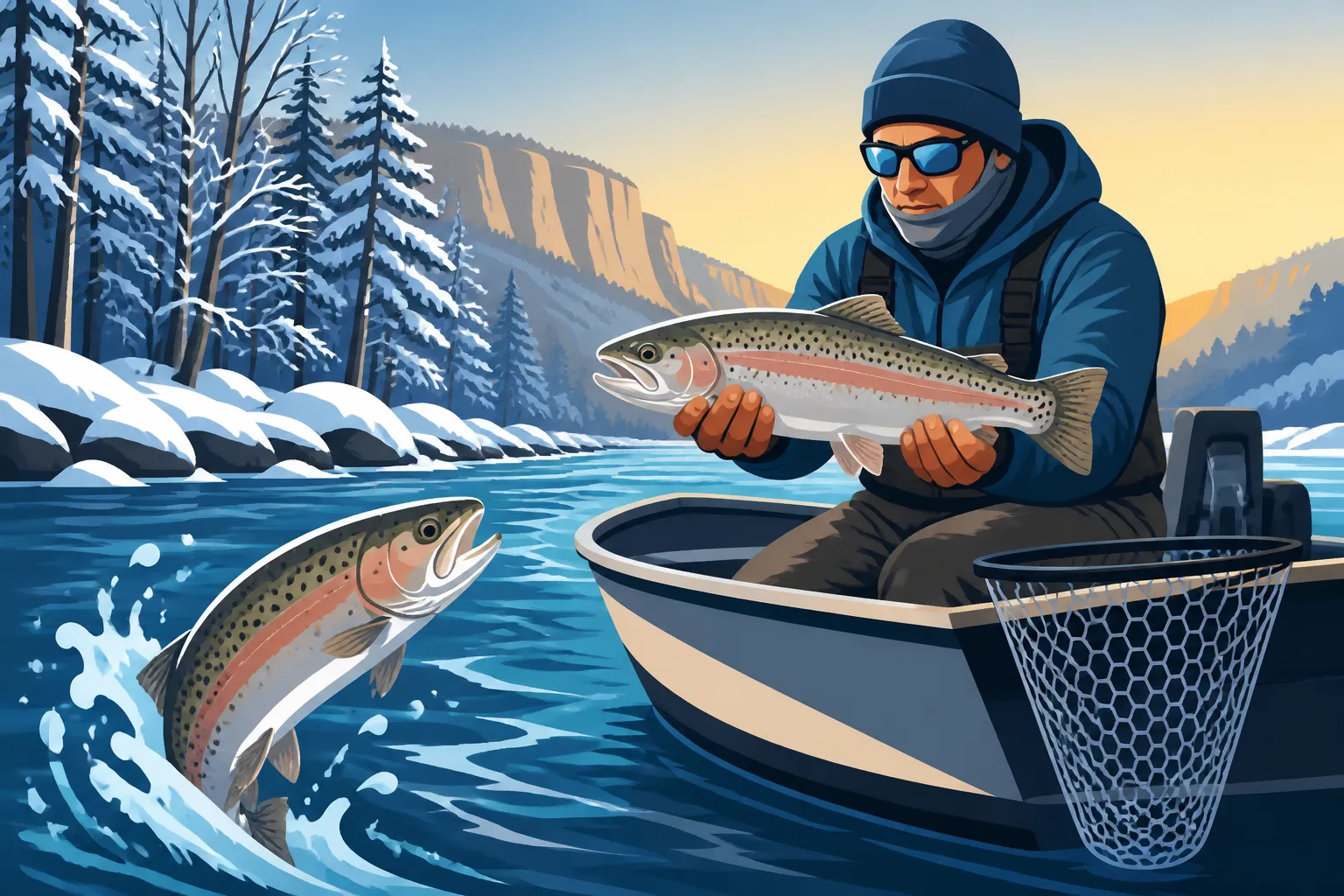
Unlike some species that become sluggish or disappear entirely in colder temperatures, trout thrive in the White River's consistently cold, dam-fed waters. The water temperature below Bull Shoals Dam remains remarkably stable year-round, typically hovering in the 45-55 degree Fahrenheit range. This means the trout are active, feeding, and often more concentrated in specific areas during winter. They don't have the vast buffet of insects available in spring and summer, making them often more willing to take a well-presented fly or lure.
Many experienced guides will tell you that winter offers some of the best opportunities for consistent hook-ups, especially for larger fish. The cold water invigorates the trout, leading to strong fights once hooked. It's a myth that fish don't bite in winter; for trout on the White River, it's often quite the opposite. With fewer natural food sources, they're more opportunistic, presenting a fantastic chance to land some truly memorable fish.
Unique Scenery
The White River valley undergoes a dramatic transformation in winter. The vibrant greens of summer give way to a palette of muted browns, grays, and the deep, rich colors of evergreen cedars and pines. A light dusting of snow or frost can turn the riverbanks into a breathtaking winter wonderland, reflecting shimmering light off the water. The air is often clearer, offering expansive views of the surrounding hills and bluffs.
Wildlife, too, becomes more visible against the stark backdrop. You might spot bald eagles perched majestically in the bare trees, hunting waterfowl, or deer foraging along the edges of the forest. The river fog that sometimes clings to the water in the early mornings adds an ethereal quality, creating stunning photographic opportunities and a truly unique atmosphere. It’s a chance to see the Ozarks in a whole new light, a wilder, more rugged beauty.
What to Expect from a Guided Winter Trip
Booking a guided trip in winter is perhaps even more beneficial than in warmer seasons. Local guides possess invaluable knowledge of the river's winter patterns, knowing exactly where the trout congregate and what they're biting on. They also come prepared to make your trip as comfortable and productive as possible, despite the chilly temperatures.
Boat Comfort and Safety
One of the biggest concerns for many contemplating a winter trip is staying warm. Reputable White River guides are well-prepared for this. You can expect to fish from comfortable, often heated boats, typically customized for drift fishing on the river. Many guides run custom-built river boats with enclosed cabins or heaters, offering a cozy retreat from the cold air between fishing spots or during lunch breaks. This isn't your average jon boat setup; these are vessels designed for comfort and safety in cooler conditions.
Beyond warmth, safety is paramount. Winter conditions can sometimes bring unpredictable weather, and water levels can fluctuate based on dam generation schedules. Experienced guides are intimately familiar with the river's currents, submerged hazards, and rapidly changing conditions. They carry all necessary safety equipment, including life vests, first-aid kits, and communication devices, ensuring your trip is not only enjoyable but also secure. They know when and where it's safe to be on the water, taking all the guesswork out of navigating the river in colder temperatures.
Targeting Hungry Trout
Winter trout fishing on the White River largely revolves around two primary species: rainbow trout and the elusive brown trout. Guides have refined techniques specifically for these conditions. They often employ a variety of methods, adapting to the day's specific patterns. You might find yourself drift fishing with carefully weighted rigs, presenting egg patterns, small nymphs, or scuds to trout holding in deeper pockets and current seams. The fish tend to concentrate in these areas, making them easier to locate for an experienced guide.
For those looking for a trophy, winter can be an excellent time to target brown trout. Larger browns often become more active and aggressive in colder water, making them susceptible to streamers or larger bait presentations. Your guide will know the prime spots where these bigger fish lurk and will provide the right setup and flies or lures to entice them. It's a strategic game, and a good guide acts as your invaluable chess master on the water.
Techniques Employed by Guides
White River guides excel at adapting their tactics to winter conditions. While fly fishing is incredibly popular, spin fishing is also a highly effective method, and many guides cater to both. For fly anglers, nymphing under an indicator or euro nymphing are often go-to techniques, targeting trout feeding near the bottom. Streamer fishing can be incredibly productive for larger brown trout, especially on cloudy days or when the water has a slight stain.
Spin fishermen will often use small jigs tipped with Berkley PowerBait, Gulp, or live bait like redworms or minnows. Drift fishing these baits through known holding areas can be incredibly effective. The key is often a slow, methodical presentation, mimicking natural drift. Your guide will have a full arsenal of proven winter patterns and techniques and will teach you how to properly execute them. They come prepared with an array of flies and lures that they know work for that particular day and water condition, saving you the time and expense of experimenting. For more on general techniques, check out Trout Fly Fishing Basics for Tailwaters or Spin Fishing Techniques for Trout.
Preparing for Your Winter White River Adventure
While your guide will handle most of the heavy lifting, your comfort and enjoyment greatly depend on how well you prepare yourself for the elements. Don't let the thought of cold weather deter you; with the right gear, you'll be warm and happy on the water.
Layer Up, Seriously
This is the golden rule for winter outdoor activities, and fishing is no exception. Multiple layers allow you to adjust to changing temperatures throughout the day. Start with a moisture-wicking base layer (synthetic or wool, never cotton) to pull sweat away from your skin. Add an insulating middle layer, like a fleece jacket or down vest. Your outer layer should be waterproof and windproof – a good quality fishing jacket and pants are essential to protect you from spray and the biting wind.
Don't forget your extremities! A warm hat that covers your ears is critical, as a significant amount of body heat is lost through the head. Waterproof and insulated gloves are also a must; fingerless gloves can be handy for dexterity when handling lines, but have a full pair for when you're just cruising or taking a break. Warm, wool socks and waterproof boots (if you plan to wade) are equally important. Think about What to Wear on a White River Guide Trip in Arkansas for a more detailed packing list.
Gear Provided vs. What to Bring
Most reputable White River guides provide high-quality fishing equipment for your trip, including rods, reels, line, and all the necessary tackle, flies, or bait. This is a huge benefit, especially for those traveling or new to the specific demands of trout fishing on the White River. You don't need to worry about bringing your own specialized gear unless you prefer to use it. However, it's always a good idea to confirm with your guide exactly what they provide when you book.
Even if the guide provides fishing gear, there are personal items you should always bring. This includes your valid Arkansas fishing license and trout permit (which you can often purchase online or at local bait shops beforehand – see Arkansas Fishing License Rules and Costs and Arkansas Trout Permit Rules). Don't forget polarized sunglasses to reduce glare and spot fish, sunscreen (even in winter, sun can reflect off the water), and a camera to capture your trophy catches and the stunning scenery. A small waterproof bag can be useful for keeping personal items dry.
Fueling Your Day
Cold weather burns more calories, so it's vital to stay well-fed and hydrated. Pack plenty of snacks – energy bars, trail mix, sandwiches, and fruit are great options. Many guides will provide lunch on full-day trips, but always confirm this beforehand. Even if lunch is included, having your own snacks can keep your energy up throughout the day.
Perhaps even more important is staying hydrated with warm drinks. A thermos filled with hot coffee, tea, or cocoa can be a true lifesaver on a chilly winter morning or afternoon. Staying warm from the inside out makes a world of difference in your comfort levels. Avoid sugary sodas or excessive caffeine, which can lead to energy crashes. Water is always essential, even if you don't feel as thirsty in the cold.
Booking Your Winter Guide Trip
Finding the right guide for a winter trip is crucial. You want someone with extensive experience specifically in colder conditions, who knows the river like the back of their hand when the seasons change.
Finding the Right Winter Specialist
Not all fishing guides operate year-round, and fewer still specialize in winter conditions. When looking for a guide, seek out those who actively advertise winter trips and have a track record of success during this season. Look for guides who emphasize comfort features like heated boats. Online platforms like FishingBooker can be excellent resources for finding guides who specify their winter availability and specialties. You can browse profiles, read reviews from other anglers, and compare offerings to find the perfect match for your winter adventure.
Personal recommendations are also gold. Talk to local bait shops, fly shops, or other anglers you know who have fished the White River in winter. A word-of-mouth endorsement from someone who had a great cold-weather trip speaks volumes. Don't be shy about asking guides about their winter experience; a good guide will be happy to share their expertise and assure you of their preparedness. For general advice, consider How to Choose a Fishing Guide in Arkansas.
Key Questions to Ask Your Guide
Before you commit to a booking, have a list of questions ready. This ensures there are no surprises and that your expectations align with what the guide offers.
| Category | Key Questions to Ask |
|---|---|
| Winter Readiness | Do you offer heated boats or enclosed cabins for winter trips? |
| What special gear do you provide for winter comfort? | |
| What are your contingency plans for severe winter weather? | |
| Trip Details | What species will we target, and what techniques will we use? |
| What is included (e.g., lunch, drinks, bait/flies)? | |
| How long is the trip, and what is the typical itinerary? | |
| Logistics | What is your cancellation policy for bad weather? |
| What do I need to bring, beyond clothing? | |
| What are the fishing license requirements? | |
| Experience | How much experience do you have guiding in winter? |
| Can you provide recent references from winter clients? |
Asking these questions upfront will give you a clear picture of what to expect and help you select a guide who will provide a safe, comfortable, and successful winter fishing experience. Many guides list what's included in an $800 White River guide trip or similar offerings, so compare carefully.
Understanding Guide Trip Costs and Policies
Guided trips on the White River, like any professional service, come with a cost. This investment covers the guide's expertise, specialized equipment, boat, fuel, and all the incidentals that make your trip successful. Prices can vary based on the duration of the trip (half-day vs. full-day), the number of anglers, and the guide's experience or reputation. Always clarify the total cost, what's included, and any potential extra fees (e.g., for additional anglers, special requests).
Deposits and cancellation policies are particularly important for winter trips. Weather can be more unpredictable, leading to potential reschedules or cancellations for safety reasons. Make sure you understand the guide's policy on weather-related cancellations – will you receive a full refund, or will you be able to reschedule? Most reputable guides are flexible when it comes to genuinely unsafe conditions. Websites like FishingBooker usually outline these policies clearly for each listed guide, giving you peace of mind. It’s also wise to inquire about Arkansas Fishing Guide Deposits and Cancellation Policies before committing.
Species You'll Encounter in Winter
The White River is a renowned trout fishery, and winter is a prime time to target its cold-water residents. While trout are the main draw, other species might surprise you.
Active Rainbow Trout
Rainbow trout are the most prevalent species in the White River, and they remain incredibly active throughout the winter months. They are eager feeders and can be caught using a variety of methods, from delicate nymph rigs to small spinners or even PowerBait. In winter, rainbows often congregate in deeper runs, current seams, and around structure where food may be concentrated. Your guide will know these winter holding patterns like the back of their hand, putting you in prime position.
These fish, known for their acrobatic fights, provide consistent action even on the coldest days. The colder water seems to energize them, making for a thrilling experience once you hook up. Whether you're a seasoned fly fisherman or a beginner with a spinning rod, targeting rainbow trout in winter offers ample opportunities for success and a memorable day on the water. For more information, check out Rainbow Trout Fishing Below Bull Shoals Dam.
Challenging Brown Trout
While rainbow trout provide steady action, the allure of the White River's brown trout is what truly captivates many anglers, especially in winter. Brown trout are known for their size, their elusive nature, and their powerful fights. Winter can be an exceptional time to target these trophy fish. Larger browns often become more aggressive and less wary in the colder water, actively hunting for larger meals. This makes them susceptible to larger streamers, big minnow imitations, or substantial bait presentations.
Catching a trophy brown trout in winter is often the highlight of an angler's year. Guides will dedicate time to targeting these fish in specific sections of the river where they are known to hold, often around deep bends, submerged timber, or rocky drop-offs. Be prepared for a challenge and a potentially rewarding battle if you hook into one of these magnificent fish. If you're hoping for a record, consider researching Trophy Brown Trout Records on the White River.
Other Potential Catches
While trout are the stars of the winter White River show, don't be surprised if you encounter other species. Sometimes, you might hook into a stray cutthroat trout or brook trout, though these are less common. Occasionally, especially in sections further downstream or in certain backwaters, you might even encounter a smallmouth bass or a panfish like a bluegill or crappie, though these are certainly not the primary targets for a winter trout trip.
The White River ecosystem is incredibly rich, and while the focus is clearly on trout during the colder months, the occasional surprise catch adds an extra layer of excitement to the day. Your guide will be focused on trout, but they'll also be knowledgeable about any other species that might be biting.
Maximizing Your Winter Fishing Experience
A successful winter fishing trip is about more than just catching fish; it's about embracing the unique challenges and rewards of the season. A positive attitude and willingness to learn from your guide can make all the difference.
Embrace the Cold
This might sound obvious, but having a good attitude about the cold is half the battle. If you go into the day dreading the chill, you're less likely to enjoy yourself. Instead, focus on the unique aspects of winter fishing: the quiet, the crisp air, the stunning scenery, and the active fish. Dress appropriately, keep moving when you can, and enjoy those warm drinks. The occasional chill is a small price to pay for the solitude and productive fishing that winter offers.
Think of it as an adventure. The elements are part of the experience, and overcoming them makes the successful catches even more satisfying. When you dress correctly and come prepared with warm food and drinks, the cold becomes a minor detail rather than a major deterrent. The reward is a fishing experience that few others get to enjoy.
Listen to Your Guide
Your fishing guide is your most valuable asset on a winter White River trip. They spend countless hours on the water, observing patterns, understanding fish behavior, and refining techniques for all conditions. They know the river's moods, how dam generation affects the fishing, and exactly what the trout are feeding on at any given moment. Their knowledge isn't just helpful; it's often the difference between a slow day and a successful one.
Pay close attention to their instructions on casting, presentation, and detecting subtle bites, which can be even more important in colder water. Don't hesitate to ask questions. They are there to teach you and help you catch fish. Trust their expertise, follow their lead, and you'll undoubtedly learn a tremendous amount while having a much more productive and enjoyable day. For more insights, refer to First-Time Guided Fishing Trip Tips for Arkansas.
Capture the Memories
While the focus is often on catching fish, remember to capture the entire experience. The White River in winter offers some truly spectacular photographic opportunities, from misty mornings to snow-dusted banks and majestic bald eagles. Ask your guide if they mind taking a few photos of you with your catches, or even of the landscape. Many guides are happy to help you commemorate your trip.
The memories you make, whether it's landing a personal best brown trout, enjoying the quiet beauty of the river, or simply spending a peaceful day away from the hustle and bustle, are what truly last. A guided winter trip on the White River isn't just about fishing; it's about experiencing one of Arkansas's most beautiful natural treasures in its most serene and productive season. It’s a chance to make stories you’ll tell for years to come. Consider booking around Best Time of Year to Book a White River Trip for prime conditions.
Disclaimer
This article is for general informational purposes only and does not constitute professional advice. Laws, prices and regulations vary by location and change over time. Consult a qualified professional for guidance on your specific situation.