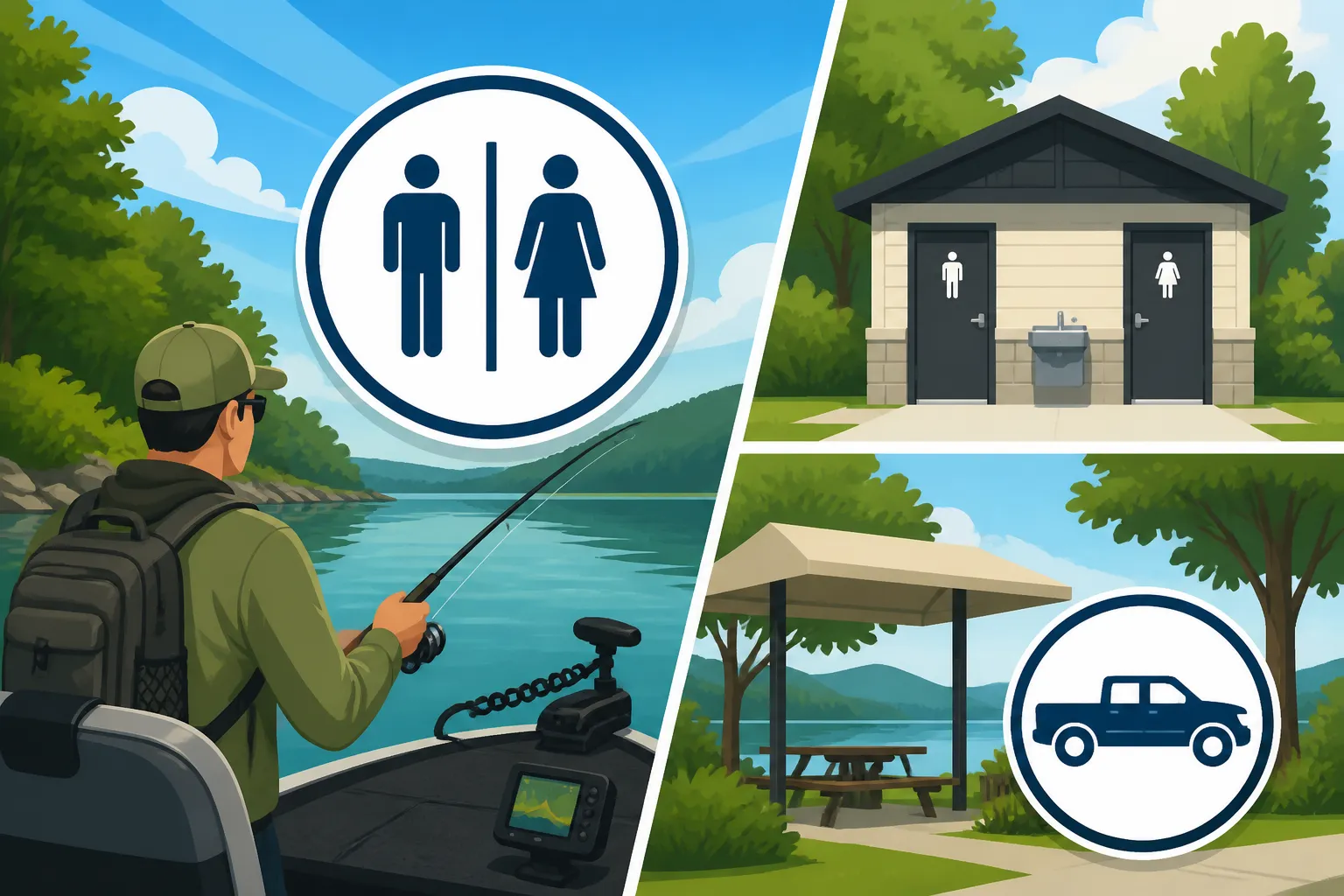
Restroom and Break Stops on Full-Day Guide Trips
One of the unspoken anxieties when planning a full-day fishing trip in Arkansas, especially for newcomers, often revolves around the practicalities of comfort—specifically, where exactly does one "go" when nature calls? Spending 8 hours or more on the water without a clear plan for breaks can feel daunting. This comprehensive guide will tackle that very real concern, explaining what you can realistically expect regarding restroom and other essential breaks on full-day guided fishing trips across Arkansas's beautiful lakes and rivers.
The Unspoken Truth About Restrooms on the Water
Let's address the "elephant in the boat" right upfront. Many folks, especially those new to guided fishing, might assume a boat trip automatically means some form of onboard restroom. The reality for most guided fishing trips in Arkansas, particularly on bass boats, jon boats, or drift boats used for river fishing, is that dedicated, enclosed marine heads (bathrooms) are quite rare. These boats are designed for maneuverability, speed, and getting into prime fishing spots, not for luxury facilities.
What to Expect on Typical Guide Boats
Most Arkansas fishing guides operate out of boats perfectly suited for fishing – think speedy bass boats on big reservoirs like Lake Ouachita or Norfork Lake, or specialized drift boats for the trout streams like the White River. These vessels rarely, if ever, have an enclosed restroom. It’s simply not practical for their design or purpose. Your guide's primary goal is to put you on fish, and boat design reflects that.
This might be a bit of a surprise for some, but it’s the standard in the industry. It's important to set your expectations accordingly from the start. A full-day trip usually means you'll be on the water for many hours, often far from developed amenities.
Communicating Your Needs with Your Guide
This is perhaps the most crucial piece of advice: don't be shy. Your fishing guide is a professional and has handled this question countless times. Before you even head out, or as soon as you feel the need, speak up! A good guide will appreciate your openness and will have a plan. They understand that comfort is key to an enjoyable trip, and they want you to have a great time. Many guides are happy to discuss these logistics if you reach out before booking your trip, especially if you find them through a platform like FishingBooker where communication is encouraged.
Remember, they're not mind readers. If you're starting to feel uncomfortable, say something. They'd much rather take a quick break than have you miserable for hours. This open dialogue ensures that your needs are met while also respecting the flow of the fishing day.
Understanding Full-Day Trip Logistics and Location Access
Full-day fishing trips are exactly what they sound like – a substantial amount of time spent on the water, typically ranging from 6 to 9 hours, sometimes even more depending on the agreed-upon trip length and conditions. This extended duration means you'll likely be covering significant distances and fishing in various locations, some of which might be quite remote.
Remote Waters and Shoreline Accessibility
Arkansas is blessed with incredible, wild fishing grounds, from the remote stretches of the Little Missouri River to the sprawling coves of Bull Shoals Lake. While these remote areas offer fantastic fishing, they don't always come with conveniently placed public restrooms. This is where your guide's local knowledge becomes invaluable. They know the lakes and rivers intimately, including where there are discreet spots along the shoreline to pull over for a quick, private break.
On many of Arkansas’s big reservoirs, there are often public access points, campgrounds, or small marinas that might have facilities. On a river, it's more about finding a secluded bank. Your guide's expertise in navigating these areas and identifying suitable stops ensures that comfort breaks can be handled efficiently and respectfully.
How Guides Integrate Breaks into the Fishing Day
A seasoned guide is a master of multitasking. They're not just finding fish; they're also managing the entire client experience. This includes anticipating when a break might be needed, or seamlessly incorporating one into the natural rhythm of the day. For instance, a guide might plan a lunch stop near a shoreline that offers some privacy, or they might time a break with a move from one fishing spot to another. This proactive approach helps to minimize disruptions to your fishing time.
Guides are also keenly aware of factors like weather and water levels, which can impact shoreline access. A good guide will always have a few options in mind, adapting as needed to ensure your comfort. Remember, What First-Timers Should Know Before a Guided Trip in Arkansas covers many aspects of preparing for your adventure, and knowing about break stops is a big part of that preparation.
Types of Breaks and How Guides Handle Them
It's not just about restrooms; full-day trips also require other types of breaks to keep you comfortable, energized, and ready to fish. These can include lunch, stretching, or simply taking a moment to relax and rehydrate.
Lunch and Stretching Opportunities
Most full-day trips will include a planned lunch break. This is a perfect opportunity to get off the boat for a few minutes, stretch your legs, and have a bite to eat. Often, guides will pack a lunch or suggest you bring your own. If you're wondering, Are Meals Included on Arkansas Guided Fishing Trips? provides more details on what to expect. These breaks are usually taken on a quiet, accessible shoreline or at a designated public access area with picnic tables, if available. It’s a chance to recharge, soak in the scenery, and briefly escape the confines of the boat.
| Break Type | Typical Location/Approach | Common Trip Scenarios | Key Considerations |
|---|---|---|---|
| Restroom Break | Secluded shoreline, public access points, marina | Full-day trips on lakes/rivers | Privacy, discretion, guide communication |
| Lunch Break | Quiet shoreline, picnic area, boat ramp | Full-day trips | Comfort, stretching, refueling |
| Stretching/Legs | Same as restroom/lunch, or quick stop at a bank | Any longer trip | Prevent fatigue, improve circulation |
| Gear Adjustment | Anytime needed, usually on the water | Changing fishing spots | Efficiency, comfort, safety |
| Hydration/Snack | Anytime on the water | All trips | Stay energized, prevent dehydration |
"Nature Calls": Finding Discreet Spots
When a formal facility isn't available, guides are adept at finding discreet spots for nature calls. On a river, this often means pulling the boat over to a secluded bank with good tree cover. On a large lake, it might involve finding a quiet cove away from other boats or residential areas. Your guide will ensure as much privacy as possible while maintaining safety. They might position the boat in a way that provides a visual screen, or direct you to an area that offers natural concealment. Always remember the "leave no trace" principle – pack out anything you pack in, and be mindful of the environment.
This is where open communication becomes paramount. Don't wait until it's an emergency; give your guide a heads-up so they can plan the next stop. They know the best spots and the local etiquette. For instance, on the White River Fishing Guides: Arkansas's Trout Fishing Capital often operate in areas with minimal developed facilities, making these discrete stops a common practice.
When and Where Guides Typically Pull Over
The timing and location of breaks often depend on the fish bite and the overall trip plan. Sometimes, a break might coincide with moving to a new fishing spot, or when the bite slows down. Guides are usually flexible and will accommodate your needs. They'll know of specific boat ramps, small park areas, or uninhabited sections of shoreline that are suitable. On a popular lake like Beaver Lake or Lake Hamilton, they might even know specific docks or small, out-of-the-way areas where a quick stop is feasible. It's all part of their expertise in navigating and managing a day on the water.
This flexibility is why choosing a reputable guide is so important. They aren't just experts at finding fish; they're also excellent hosts who prioritize your overall experience. If you're planning a trip, consider looking into different guide options and their services, perhaps even comparing offerings on a platform like FishingBooker.
Preparing for a Comfortable Full-Day Trip
Being prepared is half the battle when it comes to enjoying a full-day fishing adventure. A little forethought can make a huge difference in your comfort levels.
Hydration and Food Management
Staying hydrated is crucial, especially during warmer months. Bring plenty of water, and electrolyte drinks can be a lifesaver. While your guide might have a cooler with some drinks, it's always best to bring your own supply to ensure you have what you like. For food, pack snacks that are easy to eat on the go and a hearty lunch that doesn't require refrigeration if your guide isn't providing a cooler. Sandwiches, fruit, nuts, and granola bars are always good choices. A well-fed and hydrated angler is a happy angler!
When you're packing your gear, keep these necessities easily accessible. You don't want to be rummaging through a large bag when you're feeling thirsty or peckish. Remember, What to Bring on a Guided Arkansas Fishing Trip will offer more general packing advice, but focusing on food and drink is key for full-day comfort.
Appropriate Clothing and Gear
Wearing comfortable, quick-drying clothing is essential. Layers are always a good idea, as temperatures can change throughout the day and as you move from sunny to shaded areas. Consider wearing easy-on/easy-off footwear if you anticipate getting out on the bank. For "nature calls" on the bank, wearing clothing that's easy to manage is a practical consideration. Think about quick-release belts or clothing that doesn't require a lot of fuss.
Also, consider a small, easily accessible bag with essentials like toilet paper, hand sanitizer, and maybe even a small trowel if you're venturing into truly remote areas. This is not something your guide will typically provide, but it's a small detail that can significantly enhance your comfort. What to Pack for a Half-Day Trout Trip in Arkansas offers general packing tips that can be adapted for longer trips.
Pre-Trip Planning and Communication
Before you confirm your booking, don't hesitate to ask your guide about their approach to breaks and facilities. Platforms like FishingBooker often allow you to message guides directly, which is perfect for these kinds of questions. You can ask: "How do you typically handle restroom breaks on a full-day trip?" or "Are there any public facilities we'll pass by?" This conversation ensures everyone is on the same page and helps alleviate any anxieties you might have.
It's also a good idea to discuss the duration of the trip. While most full-day trips are standardized, some guides might offer slightly longer or shorter options. Knowing this in advance can help you manage your expectations regarding breaks. You might find some helpful comparisons in articles like Full-Day vs Half-Day White River Trout Trips: Which to Book in Arkansas when considering your comfort needs. Remember, a great fishing trip isn't just about the fish you catch; it's about the entire experience, and a comfortable experience starts with good planning and clear communication.
Disclaimer
This article is for general informational purposes only and does not constitute professional advice. Laws, prices and regulations vary by location and change over time. Consult a qualified professional for guidance on your specific situation.