Full-Day vs Half-Day White River Trout Trips: Which to Book in Arkansas
Deciding between a full-day and a half-day guided fishing trip on Arkansas's famous White River can feel like a real head-scratcher, especially if you're traveling a long way or trying to balance a family vacation with your angling passion. Many folks wonder if the extra time and cost of a full day are truly worth it, or if a quicker half-day excursion will still deliver that legendary White River trout experience. This comprehensive guide will break down the nuances of both options, helping you confidently choose the perfect White River trout adventure for your needs and ensure you get the most out of your time on these incredible waters.
Understanding the White River Trout Fishing Experience
The White River, particularly the stretches below Bull Shoals Dam and Norfork Dam, isn't just any river; it's an absolute mecca for trout anglers. It's a place where lifelong memories are made, and tales of monster brown trout are born. But what exactly makes this stretch of water so special, and why do anglers flock here from all over the country?
The Unique Allure of the White River
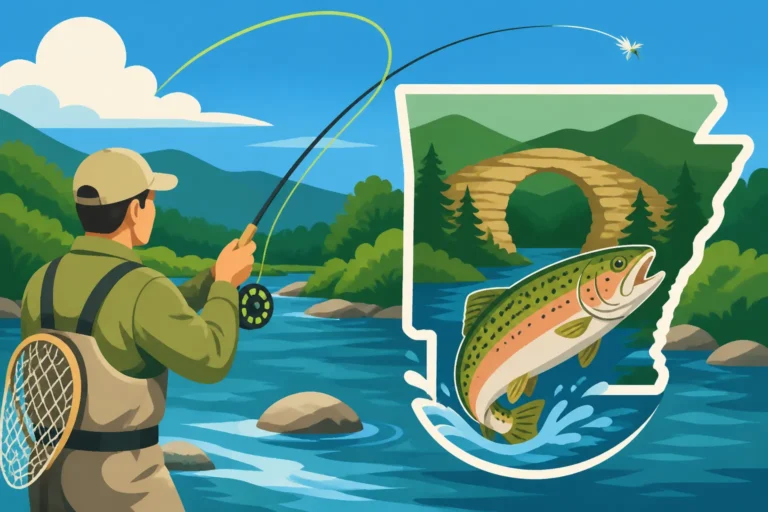
The White River’s cold, oxygen-rich waters released from the deep sections of these massive lakes create an ideal habitat for a variety of trout species, including rainbow, brown, brook, and cutthroat. It’s a tailwater fishery, meaning the conditions are relatively stable year-round, making it a reliable destination for serious trout enthusiasts. You'll find yourself drifting through breathtaking Ozark scenery, surrounded by towering bluffs and lush forests, often with eagles soaring overhead. It’s not just about the fishing; it’s about immersing yourself in a truly wild and serene environment that few other places can match.
Beyond the natural beauty, the White River boasts a unique ecosystem that allows trout to grow to impressive sizes. Trophy brown trout are a real possibility here, drawing anglers who dream of landing that fish of a lifetime. The river's varying depths, abundant insect life, and diverse structure provide a complex and rewarding challenge for any angler, from novice to expert. Whether you prefer fly fishing with delicate presentations or spinning gear with bait and lures, the White River offers opportunities to hone your skills and connect with nature in a profound way.
What Makes a Trout Trip So Special
A guided trout trip on the White River is more than just a boat ride; it's an educational experience led by local experts who live and breathe these waters. These guides know the river's moods, its currents, and where the fish are hiding, even when conditions are tough. They provide top-notch equipment, share invaluable insights into trout behavior and entomology, and, most importantly, put you on fish. For many, the chance to learn from a seasoned pro, understand the subtle nuances of trout fishing, and explore hard-to-reach stretches of the river makes a guided trip an investment in their angling journey.
Imagine having someone else worry about navigating the river, baiting hooks, tying knots, and even filleting your catch at the end of the day. A guide handles all the logistics, allowing you to fully relax and focus on the thrill of the catch. They adapt to your skill level, offering patient instruction for beginners or advanced techniques for experienced anglers. This tailored experience ensures that whether you're chasing your first trout or a new personal best, your trip is as productive and enjoyable as possible. It’s the difference between merely going fishing and truly experiencing the White River.
The Half-Day White River Trout Trip: Quick Hits and Convenience
Sometimes, you just don't have all day, or maybe you're new to trout fishing and want a taste of the action without a full commitment. That's where the half-day trip shines. Typically lasting around four to five hours, these shorter excursions offer a concentrated dose of the White River experience.
Ideal Scenarios for Shorter Trips
A half-day trip is a fantastic choice for families with young children who might not have the attention span for an entire day on the water. It’s also perfect for beginners who want to try trout fishing without feeling overwhelmed. Think about vacationers in the area who want to squeeze in some fishing alongside other activities, like exploring Blanchard Springs Caverns or relaxing in the Ozark Folk Center. It’s also a smart option if you’re unsure how your body will handle a full day of casting, reeling, and sitting in a boat.
For those who are just passing through or on a tighter schedule, a half-day trip means you can still experience the magic of the White River without dedicating an entire day of your precious vacation time. It’s also a great way to "test the waters" if you're considering a longer, more involved trip in the future. You get to learn the basics, catch some fish, and enjoy the scenery, all while still having ample time for other plans. It’s all about efficient enjoyment.
What to Expect During a Half-Day Excursion
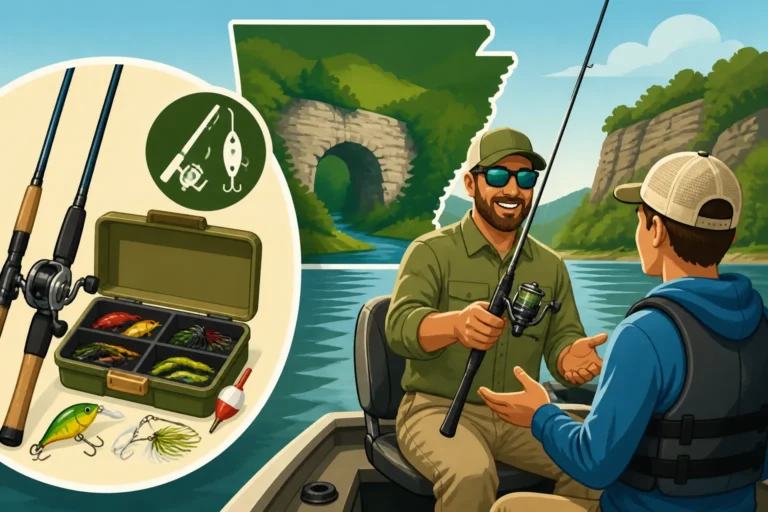
During a half-day trip, your guide will typically focus on areas known for consistent action and accessibility. You'll likely spend less time traveling long distances up or down the river and more time with lines in the water. Most guides will provide all the necessary gear – rods, reels, tackle, and bait – making it incredibly convenient for you. They'll cover the fundamentals of casting, retrieving, and identifying bites.
You can still expect to catch plenty of rainbow trout, and often some smaller brown trout, during a half-day trip. The focus is usually on putting fish in the boat and ensuring everyone has a good time. While the pace might be a bit quicker than a full-day trip, a good guide will still offer personalized instruction and share stories about the river. It's a fantastic introduction to what makes the White River such a beloved fishery. You'll likely be surprised at just how much you can learn and accomplish in a few short hours. You can learn more about What an Arkansas Guided White River Trip Includes.
Pros and Cons of a Half-Day Trip
Pros:
- Time-Efficient: Fits easily into a busy vacation schedule, leaving time for other activities.
- Budget-Friendly: Generally costs less than a full-day trip, making it more accessible.
- Kid-Friendly: Shorter duration is perfect for children's attention spans and energy levels.
- Less Physically Demanding: Ideal for older anglers or those with limited stamina.
- Great Introduction: A perfect way for beginners to learn the ropes without feeling overwhelmed.
Cons:
- Limited Exploration: You won't cover as much river mileage or explore as many diverse fishing spots.
- Fewer Opportunities for Trophy Fish: While possible, the chances of landing a true lunker might be slightly reduced due to less time targeting specific patterns or areas.
- Less Downtime: The pace can feel more rushed as guides try to maximize fishing time in a shorter window.
- Weather Dependency: If the weather turns sour, you have less time for it to clear up and improve fishing conditions.
- Less In-Depth Learning: While you'll learn basics, there's less opportunity for deep dives into advanced techniques or extensive local lore.
| Feature | Half-Day Trip | Full-Day Trip |
|---|---|---|
| Duration | ~4-5 hours | ~7-8 hours |
| Cost | Generally lower | Higher investment |
| Target Audience | Families, beginners, tight schedules, budget-conscious | Enthusiasts, serious anglers, groups, immersive experience |
| River Coverage | Focused, accessible spots | Extensive, varied spots, travel up/down river |
| Fish Opportunity | Consistent action, good numbers | More chances at trophy fish, varied species |
| Learning Potential | Fundamentals, quick tips | In-depth techniques, local knowledge, advanced skills |
| Pace | Quicker, efficient | Relaxed, exploratory, breaks |
| Meals | Snacks/drinks typically included | Lunch often included, ample snacks/drinks |
The Full-Day White River Trout Trip: Immersion and Maximized Opportunities
For the serious angler, the enthusiastic beginner ready to dive deep, or anyone looking for a truly immersive experience, a full-day White River trout trip is often the gold standard. Stretching out for seven to eight hours, this option allows for extensive exploration and a more comprehensive fishing adventure.
When to Commit to a Longer Adventure
A full-day trip is ideal if your primary goal is to truly experience the White River, beyond just catching a few fish. If you’re traveling a significant distance to get here, you’ll want to maximize your time on the water. Anglers looking for trophy-sized brown trout often opt for full days, as these elusive fish require patience, strategic targeting, and the time to move between different prime habitats. It’s also fantastic for groups of friends or family who want to spend quality time together, enjoying the outdoors without feeling rushed.
If you're eager to learn advanced techniques, like specific fly patterns for different hatches, reading complex currents, or understanding seasonal movements of fish, a full-day trip provides the extended interaction with your guide necessary for deeper instruction. You'll have the luxury of time to experiment with different baits and lures, explore remote stretches of river, and truly soak in the unparalleled beauty of the Ozarks. It's a commitment, yes, but one that often yields richer rewards and lasting memories. Trophy Trout Guide Trips on Arkansas's White River are often best achieved on a full-day excursion.
A Deeper Dive into the Full-Day Experience
On a full-day trip, your guide will have the flexibility to cover much more of the river. This means they can take you to a wider variety of fishing spots, adapting to current conditions and fish behavior. They might start by targeting aggressive feeders in the morning, then move to deeper pools during the midday lull, and finish by drifting through prime brown trout habitat in the afternoon. This extended time allows for more nuanced fishing strategies and a better chance at different species or larger fish.
Many full-day trips also include lunch, often a delicious riverside meal prepared by your guide, adding to the overall experience. There's more time for relaxed conversation, storytelling, and an in-depth exploration of the White River's history, ecology, and fishing lore. You're not just fishing; you're embarking on a mini-expedition, learning the river intimately, and truly connecting with its rhythms. It’s an immersive adventure that goes far beyond simply reeling in fish, fostering a deeper appreciation for this incredible natural resource. You'll gain a much better understanding of Trout Fishing Below Bull Shoals Dam on the White River.
Pros and Cons of a Full-Day Trip
Pros:
- Maximized Fishing Time: More hours on the water means more opportunities to catch fish and potentially larger ones.
- Extensive River Coverage: Allows exploration of diverse fishing grounds, including remote or hard-to-reach spots.
- Increased Trophy Potential: More time to target specific species or larger fish, often requiring patience and varied locations.
- In-Depth Learning: Ample time for detailed instruction, advanced techniques, and absorbing local knowledge from your guide.
- Relaxed Pace: Fewer rushed moments, allowing for breaks, lunch, and soaking in the scenery.
- Comprehensive Experience: Often includes riverside lunch, making for a more complete and memorable outing.
Cons:
- Higher Cost: A significant financial investment compared to a half-day trip.
- Time Commitment: Requires dedicating a full day of your vacation, which might not suit all itineraries.
- Physically Demanding: Can be tiring for those not used to extended periods on the water, especially in variable weather.
- Less Flexible for Other Activities: Limits other plans you might have for that day.
- Risk of Fatigue or Boredom: For very young children or those easily bored, a full day might be too long.
Cost Considerations: Breaking Down the Investment
When planning your White River adventure, the cost is naturally a big part of the decision. While I can't give you exact numbers, I can help you understand the general cost structure and what you're getting for your money with both half-day and full-day trips.
The Value Proposition of Each Trip Length
Generally speaking, a half-day trip will be a noticeably lower upfront cost than a full-day trip. This makes it an attractive option for those on a tighter budget or who are just looking for a taste of the experience. You're paying for fewer hours of the guide's time, less fuel for the boat, and typically a simpler setup for snacks and drinks. However, when you look at the "cost per hour" of actual guided fishing, sometimes the full-day trip offers a slightly better value. The longer duration often allows the guide to be more efficient in terms of travel time to prime spots, meaning more actual fishing time relative to the overall trip length.
A full-day trip represents a greater investment, but it also comes with a higher value proposition in terms of the comprehensive experience. You're paying for the opportunity to explore more river, target a wider range of fish, receive more in-depth instruction, and enjoy a more relaxed, unhurried pace. Many full-day trips also include a hot lunch and more extensive provisions, which adds to the overall value. It’s not just about paying for fishing; it’s about paying for an entire day of curated outdoor adventure and education.
Beyond the Base Fee: Hidden Costs and What to Ask
While the base rate for a guided trip is your primary expense, it's wise to consider other potential costs. Here's a quick rundown of things to ask about:
- Fishing Licenses and Trout Permits: Everyone on the boat, including children over a certain age, will need an Arkansas fishing license and often a trout permit. Your guide usually won't provide these, so you'll need to purchase them beforehand. Check out Arkansas Fishing License Requirements for Guided Trips for more details.
- Bait and Tackle: Most reputable guides include all necessary bait and tackle in their base price. However, if you have specific preferences or want to use premium flies, confirm if there are any extra charges.
- Lunch/Snacks: For half-day trips, typically only water and light snacks are provided. Full-day trips often include a more substantial lunch, but always clarify what's covered.
- Fish Cleaning: Some guides will clean your catch at the end of the day as part of their service, while others might charge a small fee or leave it to you.
- Fuel Surcharges: While uncommon, some guides might implement a fuel surcharge if gas prices are exceptionally high. Always ask.
- Gratuities (Tips): Tipping your guide is standard practice and greatly appreciated for good service. It's not a "hidden" cost, but it's an important part of the total investment. Plan to tip a percentage of the trip's cost. You can learn more about How much to tip a fishing guide in Arkansas.
- Lodging and Travel: Don't forget to factor in the cost of accommodation, food, and travel to and from the White River region.
Always have an open conversation with your prospective guide or outfitter about their pricing structure and what's included before you book. This transparency ensures there are no surprises on the day of your trip.
Making Your Decision: Factors to Weigh
Choosing between a half-day and a full-day trip isn't just about cost; it's about aligning the trip with your personal fishing style, goals, and the dynamics of your group. Thinking through these factors can help clarify which option is truly best for you.
Angler Experience and Physical Stamina
Your level of fishing experience and physical endurance are huge considerations. If you're a complete novice, even an avid one, a full day might prove to be a lot to absorb, and you might get tired quicker than you anticipate. A half-day provides a solid introduction without risking burnout. It allows you to learn the basics, get comfortable with the gear, and enjoy catching fish before fatigue sets in.
However, if you're an experienced angler who thrives on the challenge and wants to truly dial in your skills, a full day offers the extended time needed for more advanced techniques, trying different spots, and adjusting to changing conditions. Similarly, consider your physical stamina. Sitting in a boat for 8 hours, casting repeatedly, and dealing with varying weather can be taxing. If you have any physical limitations or prefer a more leisurely pace, a half-day trip might be more enjoyable. On the other hand, if you're an outdoor enthusiast who loves long days on the water, a full-day trip will feel like pure bliss.
Your Fishing Goals and Desired Catch
What do you hope to accomplish on your trip? Is it simply to catch any trout and enjoy the scenery? Then a half-day can certainly deliver that satisfaction. You'll likely catch a good number of rainbow trout and experience the thrill of the fight. The focus is often on consistent action and making sure everyone gets bites.
But if you have your sights set on a specific goal – like landing a trophy brown trout, mastering a particular fly-fishing technique, or exploring remote stretches of river known for larger fish – a full-day trip dramatically increases your chances. Targeting trophy fish often requires patience, moving to multiple locations, and spending more time actively fishing during prime bite windows, which a half-day simply can't accommodate. If the size or species of your catch is paramount, the extended time of a full-day trip becomes a crucial advantage. Guides can use that extra time to specifically hunt for big fish, which often involves different strategies and locations than simply catching numbers of smaller ones.
Group Dynamics and Family Needs
The composition of your fishing party is another key factor. If you're heading out with very young children, a half-day trip is almost always the better choice. Their attention spans are short, and their energy levels can wane quickly. A shorter trip ensures they have fun and positive memories without becoming overtired or bored. Many guides are fantastic with kids and can make even a few hours an unforgettable adventure for them.
For a group of adult friends, or a family with older, enthusiastic teens, a full-day trip can be a fantastic bonding experience. The shared meals, longer conversations, and extended time together create deeper memories. If you have mixed skill levels, a full-day allows the guide more time to cater to everyone, offering individualized instruction without cutting short the overall fishing time. Consider everyone's interests and stamina. Sometimes, splitting the difference with a half-day trip allows for other family activities in the afternoon, keeping everyone happy.
Booking Your White River Adventure
Once you've weighed the pros and cons and decided on the ideal trip length for your White River adventure, the next step is finding the right guide and preparing for your unforgettable experience.
Finding Reputable Guides
Choosing a knowledgeable and reputable guide is just as important as deciding on the trip length. A good guide can make or break your experience, especially on a challenging river like the White. Start by looking for guides who specialize in White River trout fishing, as their local expertise is invaluable. Online platforms like FishingBooker can be a great resource to browse numerous guides, read angler reviews, and compare services. Word-of-mouth recommendations from fellow anglers or local tackle shops are also excellent ways to find trusted professionals.
When you contact potential guides, don't hesitate to ask questions. Inquire about their experience, what type of gear they use, what fish cleaning services they offer, and their cancellation policies. Discuss your expectations for the trip, including the types of fish you hope to catch and your preferred fishing methods (fly fishing, spin fishing, bait fishing). A good guide will be transparent and eager to ensure your trip is tailored to your desires. Remember, you're not just booking a boat; you're booking an expert's time and knowledge. Guides operating near towns like Cotter, Calico Rock, and Bull Shoals often have decades of experience on these waters. If you're new to the area, checking White River Fishing Guides: Arkansas's Trout Fishing Capital can be a great starting point.
Preparing for Your Trip
Once your trip is booked, a little preparation goes a long way to ensure a smooth and enjoyable day.
- Licenses and Permits: As mentioned earlier, secure your Arkansas fishing license and trout permit before your trip. You can usually purchase these online through the Arkansas Game and Fish Commission website, or at local sporting goods stores.
- Weather Appropriate Clothing: The weather in the Ozarks can be unpredictable, even in the same day. Dress in layers, bringing rain gear even on sunny forecasts. Waterproof boots are highly recommended, especially for colder months or if you plan to wade. Sunscreen, a hat, and polarized sunglasses are essential year-round for protection and seeing fish in the water. For more specific packing advice, consider What to Pack for a Half-Day Trout Trip in Arkansas.
- Food and Drink: Confirm with your guide what food and drinks are provided. Even if lunch is included on a full-day trip, it's always a good idea to bring extra snacks and your preferred non-alcoholic beverages to stay hydrated and energized.
- Camera: The White River offers stunning scenery and incredible fish. Bring a camera or make sure your phone is charged to capture those memorable moments. Just be sure to have a waterproof bag for it!
- Personal Items: Don't forget any personal medications, a small backpack for your belongings, and maybe a small cooler if you plan to keep your catch fresh on the way home.
- Cash for Gratuities: Have cash on hand for your guide's tip. It's a customary way to show appreciation for their hard work and expertise.
By taking the time to prepare and communicate with your guide, you'll set yourself up for an incredible White River trout fishing adventure, whether you opt for a half-day sprint or a full-day immersion.
Disclaimer
This article is for general informational purposes only and does not constitute professional advice. Laws, prices and regulations vary by location and change over time. Consult a qualified professional for guidance on your specific situation.