Guided Fishing Trips in Arkansas: Lakes, Rivers, and What’s Included
Planning a fishing trip to Arkansas can feel overwhelming, especially with so many incredible lakes and rivers to choose from and a dizzying array of regulations. Many anglers, both new and experienced, find themselves wondering how to truly maximize their time on the water without getting bogged down in the logistics. This comprehensive guide is here to shed light on how hiring a guided fishing trip can unlock the best of Arkansas's legendary fisheries, detailing what these trips involve, what you can expect, and how to choose the perfect adventure for you.
Why Choose a Guided Fishing Trip in Arkansas?
Arkansas is truly a gem for anglers, boasting everything from world-class trout streams to massive lakes teeming with bass and crappie. But let's be honest, navigating these waters on your own, especially if you're new to the area or a specific type of fishing, can be daunting. You might feel like you're wasting precious time trying to figure out where the fish are biting, what bait to use, or even just how to safely navigate unfamiliar waters. This is where a guided trip really shines, transforming potential frustration into pure fishing enjoyment.
Overcoming the Learning Curve
One of the biggest hurdles for any angler exploring new territory is the sheer amount of local knowledge required. You can spend hours researching online, pouring over maps, and still miss critical details that only come from years on the water. A good guide has already done all that legwork for you – and then some. They know the subtle changes in water temperature that push crappie into shallow coves, the specific currents on the White River that hold trophy brown trout, or the precise structure where big striped bass ambush baitfish on Norfork Lake. They've seen it all, and they know how to react to conditions that would leave a solo angler scratching their head. It's like having a secret playbook for success, handed to you by an expert who truly wants you to catch fish.
Think about it: instead of fumbling with your depth finder or trying to interpret unfamiliar sonar readings, you're getting direct insights into where the fish are holding and why. Instead of experimenting with a dozen different lures, your guide hands you the one that's been producing all week. This cuts down dramatically on the trial-and-error phase, allowing you to spend more time with a bent rod and a smile on your face.
Maximizing Your Time on the Water
For many of us, fishing trips are precious, often limited by vacation time or weekend availability. The last thing you want is to spend half your trip searching for a suitable launch ramp, figuring out the best boat position, or untangling snags because you're in an unknown area. Guided trips are all about efficiency and maximizing your actual fishing time. When you book a trip, your guide typically has everything ready to go when you arrive. The boat is already launched, rigged, and often headed straight to the most productive spots. You literally just step aboard, perhaps with your chosen snacks and drinks, and get straight to fishing.
This efficiency extends beyond just getting on the water. A skilled guide is constantly monitoring conditions, knowing when to move to a different spot, when to change tactics, or even when to pivot to a different species if the primary target isn't cooperating. They're constantly making informed decisions based on real-time experience, ensuring you're always in the best possible position for success. It's about making every minute count, allowing you to focus purely on the joy of the catch, not the complexities of the logistics.
Safety, Gear, and Local Regulations Handled
Navigating unfamiliar waters, especially rivers with strong currents or large lakes with unpredictable weather, carries inherent risks. Guides are professionals who prioritize your safety. They know the safe channels, potential hazards, and how to handle sudden changes in conditions. Many are also certified in first aid and CPR, providing an added layer of security. Beyond safety, they provide all the necessary, high-quality gear. Forget packing heavy rods or buying specialized lures you might only use once; your guide will have everything from rods, reels, and tackle to bait and even life vests. This is especially helpful if you're flying into Arkansas and don't want the hassle or cost of transporting your own fishing equipment.
Furthermore, Arkansas fishing regulations can be quite specific, varying by lake, river, and even specific sections of a waterway. Bag limits, size restrictions, and special permits for trout are common. Your guide is intimately familiar with these rules, ensuring that your trip remains legal and responsible. They'll also instruct you on proper fish handling, catch-and-release techniques (if applicable), and how to identify different species, which is invaluable. For more on the specifics, check out Arkansas Fishing License Rules and Costs and Arkansas Fish Size and Daily Limits.
Types of Guided Fishing Trips in Arkansas
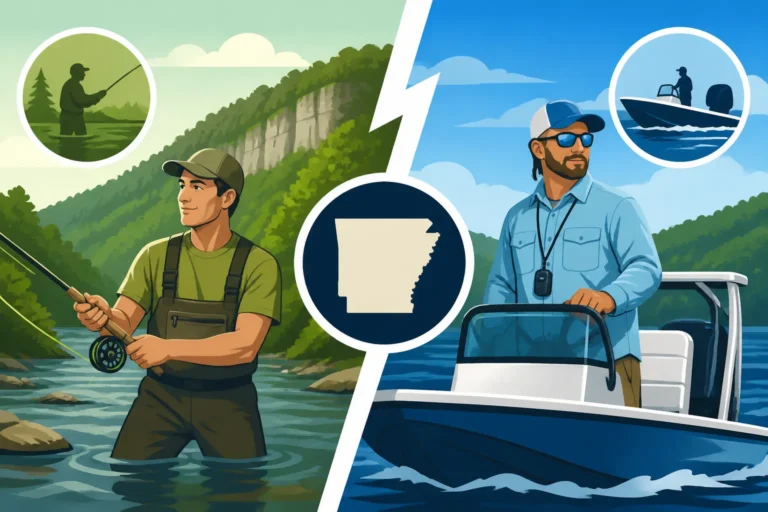
Arkansas offers an incredible diversity of fishing opportunities, and its guided trips reflect this variety. Whether you dream of battling a giant brown trout on a pristine river or reeling in a trophy bass from a sprawling reservoir, there's a guide and a trip tailored for you. It's not a one-size-fits-all situation, and understanding the options can help you pinpoint your perfect adventure.
Tailwater Trout Trips on the White and Little Red Rivers
When most people think of guided fishing in Arkansas, their minds often drift to the world-renowned trout fisheries of the White River and the Little Red River. These tailwaters, fed by cold, oxygen-rich water from the bottom of massive dams like Bull Shoals and Greers Ferry, create ideal habitats for rainbow, brown, cutthroat, and brook trout. Guided trips here often involve drift boats or jon boats, allowing you to cover miles of river, stealthily presenting flies or lures to hungry trout.
A typical White River trout trip might start early in the morning, with your guide launching the boat and heading downstream. They'll position the boat perfectly, using their expertise to keep you over prime holding water or alongside productive banks. You'll likely use light tackle, whether it's spin fishing with small jigs, spoons, or scented baits, or fly fishing with nymphs, streamers, or dry flies, depending on the conditions and time of year. Guides are exceptional at teaching beginners the techniques, from casting fundamentals to how to properly play a strong trout. They know the subtle seams and eddies where big fish lurk, and they're constantly looking for rises or other signs of feeding activity. For detailed info on White River angling, see White River Fishing Guides: Arkansas's Trout Fishing Capital and White River Fly Fishing Season Guide for Arkansas Anglers.
Lake Bass and Striper Charters
Arkansas is also home to some truly enormous reservoirs, such as Norfork Lake, Bull Shoals Lake, Lake Ouachita, and Lake Hamilton, which are legendary for their bass (largemouth, smallmouth, and spotted) and monster striped bass. Guided trips on these large lakes often involve powerful bass boats or dedicated offshore boats designed to cover vast expanses of water efficiently. Guides who specialize in lake fishing are experts at reading sonar, understanding structure, and tracking baitfish schools.
For bass trips, a guide might take you to submerged timber, rock piles, creek channels, or brush piles, teaching you various techniques like jigging, crankbaiting, or using soft plastics. They'll help you understand how bass relate to different depths and cover depending on the season and water temperature. Striper charters, particularly on Norfork Lake or Lake Hamilton, are an entirely different beast. These trips often involve trolling large plugs, downrigging with live bait, or sometimes even chasing schooling stripers on the surface. Catching a 20-pound-plus striped bass is a thrilling experience, and a guide drastically increases your chances of landing one of these freshwater giants. If you're targeting big stripers, look up Norfork Lake Striped Bass Season or Bull Shoals Lake Striped Bass Charters in Arkansas.
Catfish and Panfish Adventures
While trout and bass often steal the spotlight, Arkansas also offers fantastic opportunities for catfish and panfish, which can make for incredibly fun and family-friendly guided trips. Rivers like the Arkansas River or various smaller lakes and impoundments are perfect for targeting channel, blue, and flathead catfish. Guides specializing in catfish will know the best holes, river bends, or submerged cover where these bottom dwellers congregate. They'll likely use heavy tackle, fishing with cut bait, stink baits, or live offerings, and teach you the nuances of identifying a catfish bite versus a snag.
Panfish, including crappie, bluegill, and sunfish, are abundant throughout Arkansas and offer continuous action, making them ideal for kids or beginners. Guides will take you to brush piles, lily pads, or other shallow cover, usually employing light spinning gear with small jigs, minnows, or worms. These trips are less about trophy hunting and more about consistent bites and enjoying the simple pleasure of reeling in fish after fish. Places like DeGray Lake are famous for their crappie. Read Crappie Fishing Guides on Arkansas's DeGray Lake for more insights.
| Trip Type | Primary Species Targeted | Typical Location | Common Techniques | Experience Level | Key Benefits |
|---|---|---|---|---|---|
| Tailwater Trout | Rainbow, Brown, Cutthroat Trout | White, Little Red Rivers | Fly fishing, Spin fishing (jigs) | Beginner to Advanced | Trophy potential, scenic beauty, consistent bites |
| Lake Bass | Largemouth, Smallmouth, Spotted | Ouachita, Bull Shoals, DeGray | Jigging, Crankbaits, Soft Plastics | Beginner to Advanced | Action-packed, learn lake structure, big fish |
| Lake Striped Bass | Striped Bass | Norfork, Hamilton, Bull Shoals | Trolling, Live bait, Topwater | Intermediate to Advanced | High adrenaline, chance at monster fish |
| Catfish | Channel, Blue, Flathead Catfish | Arkansas River, various lakes | Bottom fishing (cut bait, live) | Beginner to Intermediate | Relaxed pace, delicious table fare, big fights |
| Panfish | Crappie, Bluegill, Sunfish | Numerous lakes and ponds | Jigging, Live bait (minnows, worms) | Beginner, Family-friendly | Constant action, great for kids, easy limits |
What to Expect from Your Arkansas Fishing Guide
Hiring a guide is more than just paying someone to take you to fish; it's an investment in an experience. A truly great Arkansas fishing guide provides a blend of expertise, hospitality, and a genuine passion for putting you on fish. Knowing what to expect can help you appreciate their work and make the most of your trip.
Expertise and Local Knowledge
First and foremost, you can expect unparalleled expertise. Your guide is a professional angler who has likely spent thousands of hours on the specific body of water you'll be fishing. This isn't just about knowing where the fish are; it's about understanding the entire ecosystem. They know how weather patterns, water generation schedules (on tailwaters), barometric pressure, and seasonal changes affect fish behavior. They're like a walking encyclopedia of local fish habits and habitat.
This expertise extends to their equipment, too. They'll have top-of-the-line rods, reels, and a vast array of tackle, all meticulously maintained and chosen specifically for the conditions you'll encounter. They also understand the nuances of presentation – how to make that lure look irresistible, how to detect the faintest bite, and how to properly set the hook. This depth of knowledge is what allows them to adapt quickly when conditions change, ensuring you still have a productive day even when the fish are finicky. It's truly incredible how much they can read from a ripple on the water or a faint blip on a sonar screen.
Teaching and Coaching
Many guided trips aren't just about catching fish; they're also invaluable learning opportunities. A good guide isn't just a driver; they're a coach. If you're a beginner, they'll patiently teach you casting techniques, how to properly bait your hook, and how to identify a bite. If you're an experienced angler looking to refine your skills, they can offer advanced tips on specific presentations, reading water, or tying complex knots. They are often excellent communicators, breaking down complex concepts into easy-to-understand instructions.
Don't be afraid to ask questions! Guides love to share their knowledge. Want to learn why a particular lure works best in clear water? Ask. Curious about how to fight a big fish without breaking your line? They'll walk you through it. This one-on-one instruction is a huge benefit of a guided trip and can significantly improve your angling skills long after your trip is over. It's a chance to gain insights that would take years to acquire on your own.
Hospitality and Professionalism
Beyond fishing prowess, a professional guide offers excellent hospitality. They'll greet you warmly, make you feel comfortable, and ensure you have an enjoyable day regardless of the fishing action. This includes things like having cold drinks and snacks available (though always confirm what's included in advance), providing comfortable seating, and keeping the boat clean and organized. They manage all the logistics, so you don't have to worry about anything but fishing.
You can also expect them to be punctual, prepared, and focused on your experience. They understand that for many, this is a special occasion, and they work hard to make it memorable. This professionalism extends to handling fish safely, whether it's for catch-and-release or preparing your catch for the cooler. They'll ensure ethical angling practices are followed, respecting the resource and setting a good example. Remember, their goal is for you to have a successful and pleasant day, so they'll do their utmost to make that happen.
Understanding What's Included in Your Trip
When booking an Arkansas fishing guide, it's really important to know precisely what's covered in the price. Nobody likes surprises, especially when it comes to trip expenses. While most guides offer a comprehensive package, there can be variations, so always clarify these details upfront.
Fishing Gear and Bait
Almost universally, your guided fishing trip fee will include all the necessary fishing gear. This means high-quality rods and reels, meticulously spooled with fresh line, and a diverse selection of lures, flies, and terminal tackle specific to the target species and conditions. Guides invest heavily in their equipment to ensure reliability and performance, so you'll often be using gear that's far superior to what many recreational anglers own. They'll also provide all the bait, whether it's live minnows for crappie, worms for panfish, or various cut baits for catfish. For trout, this might mean a selection of live bait, power bait, or even a custom assortment of hand-tied flies.
This inclusion is a huge convenience, especially if you're traveling from afar or are new to fishing and don't own specialized gear. It eliminates the need to buy or transport bulky equipment, and you benefit from the guide's carefully curated selection that they know works best in their local waters. It's all about making your experience as seamless as possible, so you can simply show up ready to fish.
Life Vests and Safety Equipment
Safety is paramount on any fishing trip, and licensed guides are required to carry a full complement of U.S. Coast Guard-approved safety equipment. This includes life vests (often PFDs, or Personal Flotation Devices, of various sizes), first-aid kits, throw cushions, fire extinguishers, and signaling devices. Your guide will ensure that everyone on board has access to an appropriately sized life vest and will instruct you on its use, particularly if you're fishing on larger, potentially rougher waters or fast-moving rivers like the White.
While you might not wear a life vest constantly on calm waters, it's always available and mandatory in certain conditions or for younger passengers. Knowing that your guide is prepared for any emergency allows you to relax and focus on enjoying the fishing, confident that you're in capable hands. This commitment to safety is a non-negotiable part of a professional guided trip and a key benefit over going out on your own in unfamiliar territory.
What's Typically NOT Included: Licenses, Food, and Gratuity
While guides provide a lot, there are a few things you should always plan to bring or budget for separately. A current Arkansas fishing license and any required permits (like a trout permit for specific waters) are almost never included in the guide's fee. You are responsible for purchasing these before your trip. It's easy enough to do online through the Arkansas Game and Fish Commission website, or at many sporting goods stores across the state. For comprehensive details, check out Arkansas Fishing License Requirements for Guided Trips and Arkansas Trout Permit Rules. Your guide can advise you on exactly what you'll need based on your target species and where you'll be fishing, but the purchase is on you.
Food and drinks are also usually not included, beyond perhaps some bottled water. It's always a good idea to pack your own lunch, snacks, and preferred beverages. Some guides might offer a packed lunch option for an additional fee, but it's best to clarify this beforehand. Finally, and very importantly, gratuity for your guide is almost never included in the upfront cost. Tipping your guide is standard practice and greatly appreciated, acknowledging their hard work and expertise. We'll delve deeper into that in a later section, but it's good to factor it into your budget from the start.
Choosing the Right Guide and Trip for You
With so many excellent guides in Arkansas, picking the right one can feel like trying to choose your favorite fishing hole – they're all good, but some are better for specific situations. It's about aligning your expectations and goals with what a particular guide offers.
Matching Your Goals and Experience Level
Before you even start looking for a guide, take a moment to consider what you truly want out of your trip. Are you a seasoned angler hoping to land a personal best trophy brown trout on a fly rod? Or are you a family with young kids, just wanting some consistent action catching bluegill and making memories? Your goals will significantly narrow down your options. Some guides specialize in specific species (like trophy striped bass or fly fishing for trout), while others are more generalists, excelling at putting beginners on a variety of panfish.
Consider your experience level too. If you're completely new to fishing, look for guides who explicitly state they welcome beginners and focus on teaching. They'll have the patience and instructional skills to make your first experience positive. If you're an advanced angler, seek out guides known for targeting larger, more challenging fish or offering specialized techniques. Don't hesitate to communicate your goals and experience directly when inquiring with potential guides. A good guide will be honest about whether their trip is the right fit for you.
Researching Guides and Reading Reviews
Once you have a clear idea of your trip goals, it's time to do some research. Start by searching online for guides operating in the specific area or on the specific body of water you're interested in, such as "White River trout guides" or "Norfork Lake striper charters." Websites like FishingBooker are excellent resources for finding and comparing guides in Arkansas. They often list multiple guides with profiles detailing their specializations, types of trips offered, typical catch, and most importantly, reviews from past clients.
Reading reviews is crucial. Look for common themes: Is the guide patient? Knowledgeable? Does their equipment seem well-maintained? Do people consistently praise their ability to find fish or their teaching skills? Pay attention to reviews that mention specific types of trips or species that align with your interests. Also, check out guide websites directly. They often have photos of past catches, testimonials, and detailed descriptions of their services. Don't be afraid to call a few different guides to chat; a brief phone conversation can give you a great feel for their personality and whether they'd be a good match. Consider asking questions like "What is the best time of year to book a White River trip?" or "What safety equipment comes with a White River guide trip?" to gauge their responsiveness and knowledge.
Asking Key Questions Before Booking
Before you commit, it's essential to ask a few key questions to ensure there are no misunderstandings.
- What's included in the price? Reconfirm everything: gear, bait, drinks, snacks.
- What's not included? Specifically ask about licenses, permits, and gratuity.
- What are your cancellation and refund policies? Life happens, so understand what happens if you need to reschedule or cancel. Many guides require a deposit, and policies can vary.
- What should I bring? This typically includes appropriate clothing, rain gear, sunscreen, a hat, sunglasses, any personal medications, and your lunch/snacks.
- What's the typical duration of the trip? Is it a half-day (4-5 hours) or a full-day (8+ hours)?
- What's your approach to bad weather? Do they reschedule, offer refunds, or tough it out?
- How many people can fish on the boat comfortably? This is especially important for groups or families.
- Is catch-and-release mandatory or can we keep fish (within legal limits)? Clarify expectations regarding your catch.
By asking these questions, you'll ensure you have a clear picture of what to expect, helping you avoid any unwelcome surprises and ensuring a smooth, enjoyable trip.
Booking Your Arkansas Fishing Adventure
Once you've decided on the type of trip and identified a few potential guides, the actual booking process is usually quite straightforward. Many guides leverage online platforms or have simple booking systems on their own websites, making it easy to secure your date.
Online Booking Platforms
A popular and convenient way to book guided fishing trips in Arkansas is through online platforms specifically designed for charters and guides. Websites like FishingBooker aggregate listings from numerous guides, allowing you to browse, compare, and book trips all in one place. These platforms often provide detailed guide profiles, real-time availability calendars, transparent pricing, and secure payment processing. This can be incredibly helpful for finding Arkansas Fishing Guides and Charters: The Complete Booking Guide without having to individually contact dozens of guides.
When using such platforms, you can filter by location (e.g., Bull Shoals Lake, White River), target species (e.g., trout, striped bass), trip duration, and even specific amenities. Many platforms also offer customer support, which can be useful if you have questions or need to make changes to your booking. It’s a bit like booking a hotel or flight online – efficient and user-friendly. Just make sure to read the guide's individual policies on the platform, as they can sometimes differ from the platform's general terms.
Direct Contact with Guides
While online platforms are great for discovery and convenience, sometimes directly contacting a guide via phone or email is the best approach, especially if you have specific questions or unique requests. A direct conversation allows you to establish a personal connection, ask nuanced questions that might not be covered in an online FAQ, and discuss custom trip options. This is particularly valuable for unique situations like a multi-day trip, a corporate outing, or a trip with special accessibility needs.
Many guides have contact forms on their personal websites or list their phone numbers. Don't hesitate to reach out. A good guide will be happy to chat and answer all your questions. This direct communication also gives you a better feel for their personality and communication style, which can be a deciding factor in choosing the right fit for your group. Remember to be clear about your preferred dates, the number of anglers, and your fishing goals when you make contact.
Deposits and Payment Policies
Regardless of how you book, most guides will require a deposit to secure your trip date. This deposit typically ranges from a portion of the total trip cost to a set flat fee, and it's standard practice to protect both the guide (who is holding that date for you) and the angler. Always clarify the exact amount of the deposit, whether it's refundable, and under what conditions (e.g., guide cancels due to weather, client cancels within a certain timeframe).
The remaining balance is usually paid on the day of the trip, often in cash or sometimes with a check directly to the guide. Some guides may accept credit card payments, but it's always best to ask beforehand to avoid any last-minute payment issues. Make sure you understand the full payment schedule and accepted methods well in advance of your trip. This ensures a smooth transaction and allows you to focus on the fishing without any financial surprises.
Preparing for Your Guided Trip
A little preparation goes a long way in ensuring your guided fishing trip in Arkansas is as comfortable and productive as possible. While your guide handles most of the heavy lifting, packing wisely and taking care of some essentials beforehand will greatly enhance your experience.
What to Wear and Pack
The key to dressing for an Arkansas fishing trip is layers. Weather in the Ozarks and across the state can change quickly, so being able to add or shed clothing is crucial.
- Base Layer: Moisture-wicking material is always a good choice, especially in warmer months or if you tend to sweat.
- Mid-Layer: A fleece or light jacket for warmth, particularly on cooler mornings or evenings, or if you're out on the tailwaters where the water temperature is consistently cold.
- Outer Layer: A waterproof and windproof jacket is absolutely essential, even if rain isn't in the forecast. It protects against spray from the boat, unexpected showers, and chilly winds.
- Pants: Comfortable, quick-drying pants are ideal. Avoid jeans as they stay wet forever if they get soaked.
- Footwear: Wear comfortable, non-slip, waterproof shoes or boots. You might be getting in and out of the boat, wading shallow areas, or walking on damp docks.
- Headwear: A wide-brimmed hat or baseball cap protects you from the sun and helps reduce glare.
- Eyewear: Polarized sunglasses are non-negotiable. They protect your eyes from hooks and glare, and allow you to see into the water much better, often spotting fish or structure your guide points out.
Beyond clothing, a small backpack with these essentials will serve you well:
- Sunscreen and Lip Balm: The sun's reflection off the water can be intense.
- Insect Repellent: Especially important during warmer months or in certain areas.
- Personal Medications: Any prescription or over-the-counter meds you might need.
- Camera or Phone: To capture those memorable catches (ensure it's in a waterproof bag!).
- Small Dry Bag: For anything you absolutely need to keep dry.
- Snacks and Drinks: As discussed, often not included beyond water.
A dedicated packing list like the one outlined in What to Bring on a Guided Arkansas Fishing Trip can be super helpful to ensure you don't forget anything vital.
Licenses and Permits (Do NOT Forget!)
This cannot be stressed enough: do not forget to purchase your Arkansas fishing license and any necessary permits before your trip. Your guide cannot legally take you fishing without them, and it can be a significant hassle to try and purchase them last minute, potentially eating into your valuable fishing time. The Arkansas Game and Fish Commission offers licenses online, which is the easiest and quickest way to obtain them. You can print a copy or save it to your phone.
Double-check what type of license you need (resident vs. nonresident, annual vs. short-term) and if any additional permits are required, such as a trout permit if you're fishing the trout streams. Children under a certain age (typically 16) are generally exempt from license requirements in Arkansas, but it's always best to confirm the current regulations, especially if you're bringing kids. See Do Kids Need a Fishing License in Arkansas? for specific age rules. Your guide can provide advice on what you need, but the responsibility to buy them rests with you.
What to Do with Your Catch
Before your trip, have a conversation with your guide about your intentions for the fish you catch. Are you primarily interested in catch-and-release, or do you want to keep your legal limit for a fresh fish dinner? Many guides are happy to accommodate both, but setting expectations upfront is important.
If you plan to keep fish, verify the specific size and daily limits for the species and waterbody you'll be fishing – your guide will know these intimately, but it's good for you to be aware. Guides will typically clean and bag your keepers at the end of the trip, making it easy for you to take them home. If you're staying locally and don't have immediate access to a freezer, ask your guide if they have ice available or if they can recommend a local processor. For specifics on possession, check out What Counts as a Final Point of Storage for Fish in Arkansas.
The Unwritten Rules: Etiquette and Tipping
Beyond the gear and the fishing techniques, there's an unspoken code of conduct on a guided trip. Understanding guide etiquette and the importance of tipping can elevate your experience and show your appreciation for their hard work.
Communicating Your Expectations Clearly
From the moment you book until the end of the trip, clear communication is key. Don't be shy about communicating your expectations and preferences to your guide. Are you hoping for a trophy fish, or would you prefer a lot of action with smaller fish? Are you sensitive to motion sickness? Do you have any physical limitations? The more your guide knows, the better they can tailor the trip to your needs and ensure you have a fantastic time.
If something isn't going well during the trip, politely bring it up. For example, if you're struggling with a particular casting technique, let your guide know so they can offer more instruction. Remember, they want you to succeed and enjoy yourself, but they can't read your mind. A simple, "Hey, I'm having trouble with this, could you show me again?" goes a long way. Likewise, if you're having an amazing time, tell them! Positive feedback is always appreciated.
Respecting Your Guide's Equipment and Expertise
Your guide's boat, rods, reels, and tackle are their livelihood. Treat their equipment with the same care you would your own, if not more. Avoid dropping rods, stepping on tackle, or being careless with bait. If you accidentally break something, immediately inform your guide. Accidents happen, but honesty and willingness to cover costs (if applicable) are important.
More importantly, respect their expertise. You hired them for their knowledge, so listen to their advice and instructions. If they tell you to cast to a specific spot, use a particular retrieve, or change your lure, trust that they're doing so for a reason based on their experience. While it's fine to ask why (and indeed, encouraged for learning), avoid arguing or second-guessing their decisions repeatedly. They are literally putting you on the fish, so trust their process.
Tipping Your Fishing Guide
Tipping is a customary and expected part of a guided fishing trip in Arkansas, just as it would be for other service industries. It's how you acknowledge your guide's hard work, knowledge, professionalism, and effort throughout the day. A standard tip typically ranges from 15% to 20% of the total trip cost. So, if your trip cost, for example, was a few hundred dollars, a good tip would be a solid additional sum.
Consider these factors when determining your tip:
- Effort: Did your guide work tirelessly to find fish, change spots frequently, and adapt to conditions?
- Expertise: Did they share valuable knowledge, offer excellent instruction, and help you improve your skills?
- Service: Were they punctual, professional, friendly, and did they go the extra mile to make your trip enjoyable (e.g., provide extra snacks, clean your fish meticulously)?
- Fishing Success: While catching fish is a goal, remember that fishing can be unpredictable. Even on a slow day, if your guide put in maximum effort and showed great professionalism, a good tip is still warranted. Their effort counts as much as the outcome.
It's usually best to offer the tip in cash at the end of the trip. Hand it directly to your guide, perhaps with a sincere "Thank you for a great day on the water." For further guidance, consult Tipping Your Fishing Guide in Arkansas.
Conclusion
Embarking on a guided fishing trip in Arkansas is more than just a day of casting lines; it's an immersive experience designed to showcase the best of what this incredible state has to offer. From the trophy trout of the White River to the monstrous striped bass of Norfork Lake and the abundant panfish in countless other waters, a professional guide can unlock opportunities and provide memories that would be hard to achieve on your own. They bring the local knowledge, the top-tier gear, the safety expertise, and the hospitality, allowing you to focus purely on the joy of the catch. By understanding what to expect, choosing the right guide, preparing adequately, and showing your appreciation, you're not just booking a trip; you're investing in an unforgettable Arkansas fishing adventure.
Disclaimer
This article is for general informational purposes only and does not constitute professional advice. Laws, prices and regulations vary by location and change over time. Consult a qualified professional for guidance on your specific situation.