Bluegill Fishing Tips for Kids in Arkansas
It's such a joy to introduce kids to the magic of fishing, but sometimes, figuring out where to start can feel a little overwhelming. You want them to have fun, feel successful, and not get bored waiting forever for a bite. If you're looking for that perfect, confidence-building species for young anglers here in the Natural State, look no further than bluegill. This guide will walk you through everything you need to know to make your child's first fishing experiences unforgettable.
Why Bluegill Are the Perfect Fish for Kids in Arkansas
Let's be honest, nothing kills a kid's enthusiasm faster than long periods of no action. Bluegill are like the welcoming committee of the fish world – they're abundant, eager, and generally don't put up too much of a fuss, making them an ideal target for beginners. They provide that instant gratification that keeps little ones hooked (pun intended!) on the sport.
Bluegill's Abundance and Aggressive Bites
One of the biggest reasons bluegill are fantastic for kids is simply how many there are and how readily they bite. You don't have to be a seasoned pro with years of experience to find a school of bluegill. They thrive in so many of our Arkansas waters – from quiet farm ponds and small city lakes to the coves and shallow areas of our big reservoirs like Lake Ouachita or DeGray Lake. They're often found in large groups, meaning once you find one, you've likely found a whole bunch. This abundance means more bites, more fish caught, and crucially, more excitement and less waiting around for your child.
Their aggressive nature also plays a huge role. Bluegill aren't typically finicky eaters; they're opportunistic and will eagerly snatch up a variety of baits. That bright bobber dipping underwater is a thrilling sight for any angler, but for a child, it's pure magic. This consistent action helps prevent boredom and keeps their attention focused on the task at hand. It validates their effort and makes them feel like a true angler, which is priceless when you're trying to foster a lifelong love for the outdoors.
Size and Manageability for Young Anglers
Another perk of bluegill is their size. They're typically small enough for a child to handle comfortably, usually ranging from 6 to 10 inches, though you might occasionally hook a truly impressive "hand-sized" specimen. They're not so big that they're difficult to reel in, nor so small that they feel insignificant. This manageable size allows kids to experience the entire process of fishing: feeling the bite, setting the hook, reeling it in, and safely unhooking (with a little adult help, of course).
The relative ease of handling these fish builds confidence. A child can often hold a bluegill gently in their hand, marvel at its vibrant colors, and then release it back into the water without feeling intimidated. This direct interaction helps them connect with nature and understand the life cycle of the fish they're catching. It's a fantastic teaching moment about respect for wildlife and the environment, all within a safe and enjoyable context.
Learning the Basics of Fishing
Beyond just catching fish, bluegill fishing provides an excellent foundation for learning fundamental angling skills. It’s not just about the fish; it’s about the process. From picking out the perfect spot along the bank to carefully baiting the hook, making that first cast (even if it's just a short flip!), and patiently waiting for a bite, every step is a learning opportunity.
The repetitive nature of bluegill fishing – casting, catching, releasing – helps children develop coordination and patience. They learn how to feel the subtle tugs, how to set the hook with a gentle upward motion, and the rhythm of reeling in a fish. These are transferable skills that will serve them well if they decide to pursue other species or more advanced fishing techniques later on. It’s also a wonderful way to teach them about the aquatic ecosystem and the different fish species they might encounter in Arkansas waters.
Essential Gear for Kid-Friendly Bluegill Fishing
When you're taking kids fishing, simplicity is key. You don't need a boatload of expensive, complicated gear. The goal is to make it easy for them to use, comfortable to hold, and effective enough to get those exciting bites. Think durable, user-friendly, and bright colors for maximum kid appeal!
Rods and Reels Designed for Little Hands
For kids, especially those just starting out, a spin-cast rod and reel combo is the absolute best choice. These reels are incredibly easy to operate: they have a button to push and hold for casting, and then you simply reel the handle to retrieve your line. There are no complicated bail wires or tricky drag systems to fuss with. Many come pre-spooled with appropriate line, saving you a step. You can find excellent beginner combos at local sporting goods stores or even on platforms like Amazon that are specifically designed with smaller hands and simple mechanics in mind. Look for a rod that's around 4 to 5 feet long, as this length is much easier for a child to manage and cast than a longer adult rod.
When choosing a rod, a "light" or "ultralight" action rod is perfect for bluegill. These rods are flexible and sensitive, allowing kids to feel even the lightest nibbles from a small bluegill. This sensitivity makes the experience more engaging and increases their chances of detecting a bite. Opt for a combo that feels balanced in their hands and isn't too heavy, as fatigue can quickly set in and dampen their enthusiasm.
Simple Baits That Bluegill Can't Resist
Bluegill aren't picky, which is great news for kids who might not be keen on handling slimy, complicated baits. When it comes to effective and easy-to-use baits, live bait reigns supreme.
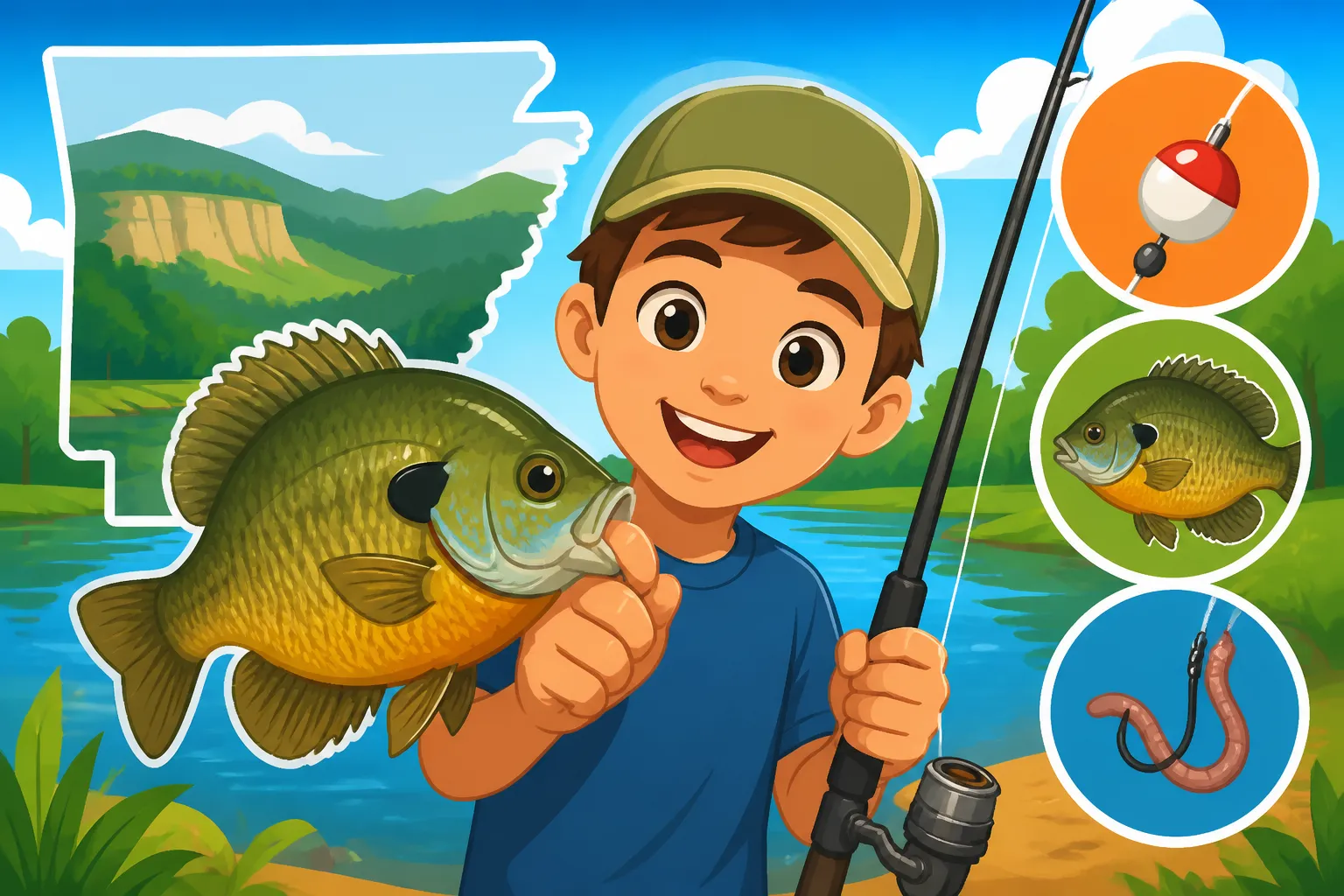
- Worms: A classic for a reason! Red wigglers or nightcrawlers are bluegill magnets. They're readily available at bait shops, many gas stations, and even department stores. Kids usually love the wiggling action, and they stay on the hook well. Plus, the sheer excitement of digging for worms in the backyard can be part of the adventure itself!
- Crickets: These are another fantastic bluegill bait, especially in late spring and summer. Bluegill find their chirping and movement irresistible. Crickets can be a little harder for tiny hands to manage on the hook, but they are incredibly effective and can often lead to a faster bite, which is great for maintaining a child's interest.
For slightly older kids who might want to try artificial lures, small jigs (1/32 or 1/64 ounce) tipped with a tiny piece of worm or even a small plastic grub can work wonders. Ultralight spinners, like those from Rooster Tail or Mepps, can also entice bluegill. The key is to keep the lure size very small to match the bluegill's mouth. Don't forget, you can easily stock up on these versatile options online through retailers like Amazon.
Terminal Tackle and Accessories
Beyond the rod and bait, you'll need a few small, but crucial, pieces of terminal tackle and some accessories to ensure a comfortable and safe trip.
- Hooks: Small, sharp hooks are a must. Size 8 or 10 Aberdeen hooks are perfect. They're thin, which helps them penetrate a bluegill's mouth easily, and they're less likely to cause serious injury if a child accidentally hooks themselves (though adult supervision is always paramount!).
- Bobbers: Nothing beats the visual thrill of a bobber disappearing under the water. Small, brightly colored clip-on bobbers are ideal. They're easy for kids to attach and clearly signal a bite. Make sure they're small enough that a bluegill can actually pull them under.
- Sinkers: Tiny split-shot sinkers help cast the bait further and keep it at the desired depth. Just a single small one, pinched a few inches above the hook, is usually all you need.
- Pliers/Forceps: These are essential for safely removing hooks, especially if a fish swallows the bait. It keeps little fingers away from sharp points.
- Small Tackle Box: A small, easy-to-open tackle box is great for organizing hooks, bobbers, and sinkers. You can find inexpensive, kid-friendly versions that hold just the essentials, perfect for their first gear collection. A quick search on Amazon will show you plenty of options that are durable and easy for kids to handle.
- Sunscreen and Hat: Protect those precious faces from the Arkansas sun.
- Bug Spray: Depending on the season and location, mosquitoes and other biting insects can quickly ruin a fishing trip.
- Snacks and Drinks: Happy, well-fed kids are patient kids. Always pack plenty of easy-to-eat snacks and water.
- Small Cooler: For keeping drinks cool, and if you plan on keeping some bluegill for dinner, for keeping your catch fresh! Is Bluegill Good to Eat?
Top Techniques for Catching Bluegill with Kids
With the right gear in hand, it's time to talk about how to actually get those bluegill to bite. The beauty of bluegill fishing with kids is that the most effective methods are also the simplest. You don't need complex retrieves or advanced rigging; you just need to put bait in front of them in the right spot.
The Classic Bobber and Worm Setup
This is the quintessential kid-friendly fishing technique, and it works wonderfully for bluegill. Here’s how you set it up:
- Tie on your hook: Use a simple knot like an Improved Clinch Knot to attach your small size 8 or 10 hook to your fishing line.
- Add a split shot: About 6-12 inches above the hook, pinch on a small split-shot sinker. This adds a little weight for casting and helps get the bait down.
- Attach the bobber: About 1-2 feet above the split shot, attach your clip-on bobber. This will suspend your bait at a set depth.
- Bait the hook: Thread a small piece of worm onto the hook, ensuring the hook point is exposed. Don't use too much; a small piece is usually sufficient for bluegill. For crickets, gently hook them through the thorax (the middle section).
Once rigged, have your child cast the setup near cover – think submerged logs, lily pads, or dock pilings. The bobber will float on the surface, and when a bluegill takes the bait, the bobber will dip, jiggle, or disappear underwater. This visual cue is incredibly exciting for kids. Teach them to wait a second after the bobber goes down before gently lifting the rod to set the hook. This gives the fish time to fully take the bait. Remember, patience is key, but with bluegill, they usually won't have to wait too long!
Where to Find Bluegill in Arkansas Waters
Knowing where to cast is almost as important as having the right bait. Bluegill love structure and cover, especially in shallower water. Think of places where they can hide from bigger predators and ambush small insects or larvae.
- Vegetated areas: Lily pads, cattails, submerged grasses, and weed beds are prime bluegill real estate. They offer shelter and food.
- Docks and piers: The shaded areas under docks or around their pilings are often teeming with bluegill. The pilings themselves provide vertical structure that fish like to orient to.
- Fallen trees and brush piles: Any wood in the water provides excellent cover. Cast your bait close to these snags, but be prepared for occasional snags.
- Shallow coves and points: On larger lakes, look for protected coves with gradual slopes or points that extend into the water, especially those with some vegetation. Places like the shallow arms of Lake Ouachita: Arkansas's Largest Lake for Bass and Crappie Fishing or the many coves of DeGray Lake: Bass Fishing at DeGray Lake in West-Central Arkansas can be excellent.
- Farm ponds and small lakes: These smaller bodies of water are often bluegill goldmines. They typically have plenty of shallow, vegetated areas and less pressure from larger predatory fish. Many Arkansas State Parks with the Best Fishing Access will have designated ponds or lake access that are perfect for bank fishing for bluegill.
Encourage your child to observe the water. Are there bugs buzzing near the surface? Are there ripples or splashes near the shore? These can be clues to where bluegill might be actively feeding. Sometimes, just sitting quietly and watching will reveal their presence.
Making the Experience Fun and Educational
Beyond the act of catching, a successful fishing trip with kids is about the overall experience. Make it fun, engaging, and a learning opportunity, not just a numbers game.
- Celebrate every catch: Whether it's the smallest bluegill or a trophy, cheer for your child. Their excitement is contagious, and positive reinforcement is crucial.
- Teach responsible handling: Show them how to gently hold the fish, how to carefully remove the hook, and if you're releasing, how to safely return it to the water. Explain why catch and release is important for conservation, especially if you're not planning to keep them for dinner.
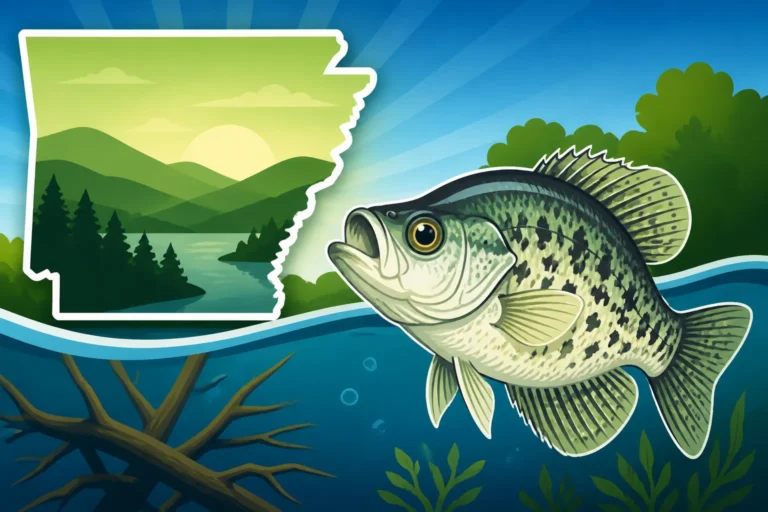
- Identify the fish: Talk about the unique characteristics of the bluegill, like its deep body, small mouth, and the distinct black "ear flap." This helps them learn about different Arkansas Fish Species: A Complete Guide to What's Swimming in Your Waters.
- Emphasize safety: Constantly remind them about hook safety, wearing life jackets if near deep water, and staying hydrated.
- Explore the surroundings: Fishing isn't just about the fish. Look for birds, interesting plants, and other wildlife. Make it a nature walk combined with a fishing trip.
- Patience and perseverance: Sometimes, even bluegill can be elusive. Teach them that not every cast will result in a fish, and that's okay. The joy is in the attempt and the time spent outdoors.
- Leave no trace: Teach them the importance of packing out everything you pack in, including any discarded fishing line or bait containers. Being good stewards of the environment is a vital lesson.
Important Regulations and Safety for Kid Anglers in Arkansas
While bluegill fishing is generally relaxed and kid-friendly, it’s still important to be aware of the rules and prioritize safety. These guidelines ensure everyone has a positive and lawful experience on the water.
Arkansas Fishing License Rules for Kids
One of the great things about introducing kids to fishing in Arkansas is that they don't always need a license. This makes it easier for parents to plan impromptu trips without extra paperwork.
In Arkansas, children under 16 years of age are generally exempt from needing a fishing license. This is fantastic news because it removes a potential barrier for getting youngsters out on the water. However, it's crucial for any accompanying adult who is 16 years or older to have a valid Arkansas fishing license. Even if the adult is just helping bait hooks or cast for the child, they still need to be licensed. Make sure you check out Do Kids Need a Fishing License in Arkansas? for the most up-to-date details on age exemptions.
For instance, if you're a parent over 16, you'll need your Resident Annual Fishing License Cost in Arkansas before you head out. If you're visiting from out of state, you'll need a Nonresident Annual Fishing License Cost in Arkansas or a shorter-term option like an Arkansas Nonresident 3-Day Trip License. While bluegill don't typically require a separate trout permit, if you happen to be fishing in designated trout waters where bluegill might also reside, and you (the adult) plan on targeting trout, you'd need a Do you need a trout permit to keep trout in Arkansas?. Always double-check the current regulations before you go, as rules can sometimes change.
Basic Safety Guidelines on the Water
Safety is paramount, especially when fishing with children. A fun day can quickly turn sour if basic precautions are ignored.
- Life Jackets: If you're on a boat, a dock, or near swiftly moving water, ensure all children (and adults!) wear properly fitted life jackets. Even strong swimmers can get into trouble unexpectedly. Better safe than sorry!
- Sun Protection: Arkansas sun can be intense. Apply sunscreen generously and frequently, and have kids wear wide-brimmed hats and sunglasses. Lightweight, long-sleeved shirts can also provide excellent sun protection.
- Hydration: Always bring plenty of water, especially on warm days. Dehydration can sneak up quickly on active kids.
- Hook Safety: This is a big one. Teach kids early and often about the dangers of hooks. Always keep hooks covered when not in use. When casting, ensure no one is behind or to the side of the caster. When unhooking fish, demonstrate how to do it safely with pliers or forceps, keeping fingers clear of both the hook and the fish's mouth. Store tackle securely.
- Buddy System: If you have multiple children, establish a buddy system. Always keep a watchful eye on them, especially near water.
- Respect Wildlife: Teach children not to approach snakes, turtles, or other wildlife. Give animals their space and observe from a distance. Explain that some creatures can bite or sting if threatened.
Catch and Release vs. Keeping Your Catch
Bluegill are delicious panfish, and keeping a mess of them for a family fish fry is a cherished part of the fishing experience for many. However, teaching kids about responsible angling, whether you keep or release, is a valuable lesson.
- Understanding Limits: While bluegill generally have very generous daily limits in Arkansas (or sometimes no limits at all, as they are so prolific), it's a good practice to check for any specific regulations on the body of water you're visiting. Even with no official limit, teaching kids about taking only what you need and can realistically eat is important. Explain the concept of Daily creel limits still apply even without a possession limit in Arkansas.
- Responsible Release: If you're practicing catch and release, teach children how to handle the fish gently, minimize its time out of water, and release it carefully back into its habitat. Wetting hands before touching the fish helps protect its slime coat.
- Keeping Fish Fresh: If you decide to keep your bluegill, bring a cooler with ice to keep them fresh. Explain to your child why it's important to keep the fish cold for food safety. This is a practical life skill that ties directly into the reward of fishing.
| Bait Type | Pros for Kids | Cons for Kids | Bluegill Attraction |
|---|---|---|---|
| Worms | Easy to handle, readily available, very effective | Can be messy, some kids might be squeamish | High |
| Crickets | Highly effective, strong bluegill attractant | Can be hard to keep on hook, quicker to die | Very High |
| Corn Kernels | Clean, easy to bait, inexpensive | Less effective than live bait, more of a novelty | Moderate |
| Small Jigs | Reusable, no live bait mess | Requires some retrieve technique, harder for toddlers | Moderate to High |
| Small Spinners | Visually appealing, active fishing | Requires active casting/retrieval, can snag easily | Moderate to High |
This article is for general informational purposes only and does not constitute professional advice. Laws, prices and regulations vary by location and change over time. Consult a qualified professional for guidance on your specific situation.