Trophy Brown Trout Records on the White River
The pursuit of a truly colossal brown trout on Arkansas's legendary White River isn't just a fishing trip; it's an obsession, a quest that can consume an angler for years. Many dream of that once-in-a-lifetime battle with a fish that tips the scales into the double digits, but the reality is, information on targeting these giants and understanding what truly defines a "trophy" can feel scattered and elusive. This comprehensive guide will pull back the curtain on what it takes to land a record-worthy brown, discussing the river's storied history, the current state of trophy fishing, and the precise tactics you'll need to chase your own monster.
What Truly Defines a Trophy Brown Trout on the White River?
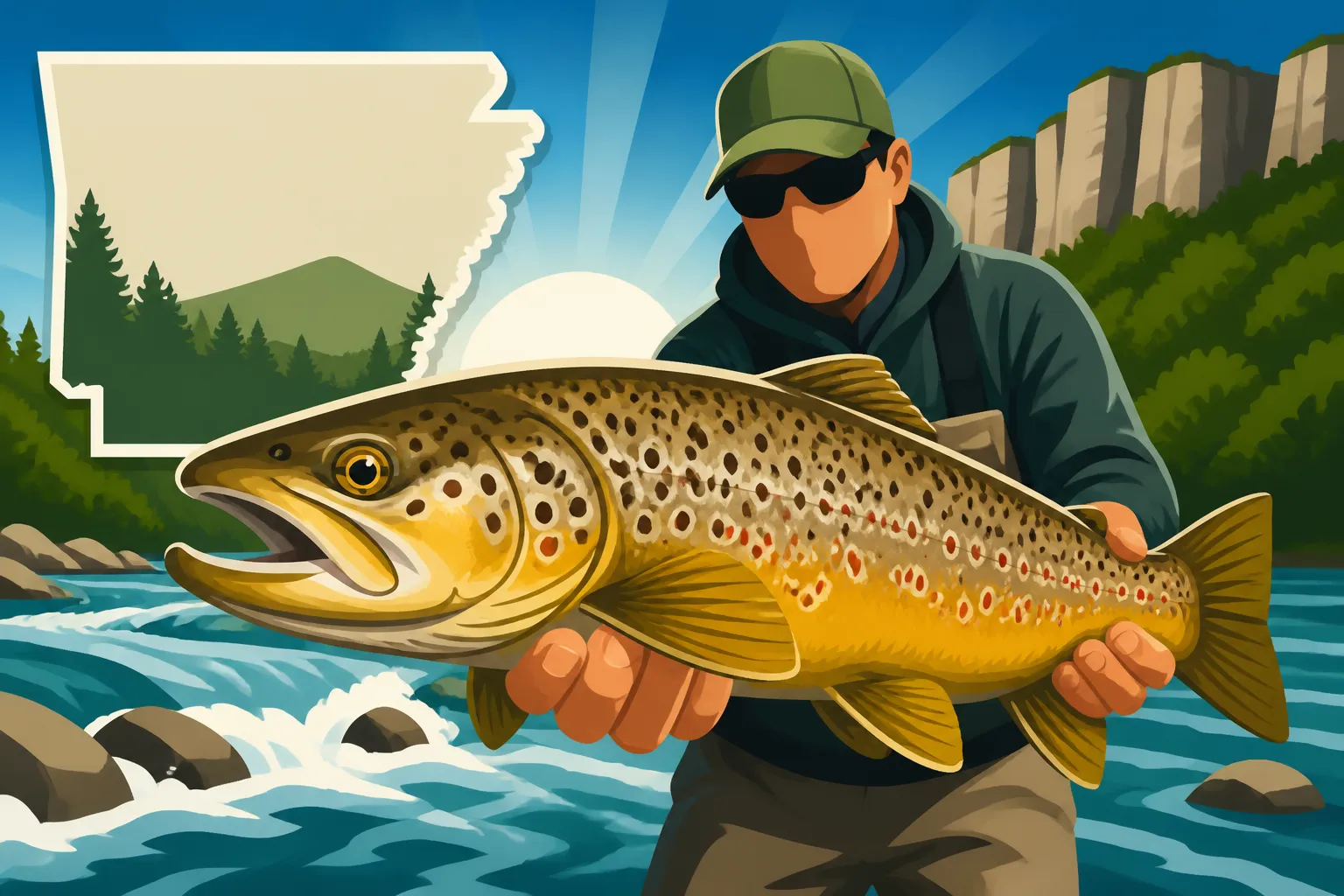
When we talk about "trophy" brown trout on the White River, we're not just talking about any big fish. We're talking about a brown that commands respect, a fish that has beaten the odds for years, grown to an immense size, and provides a fight that leaves you breathless. It’s a fish that embodies the wild spirit of the river itself, a true apex predator.
Beyond the Inches: Size and Weight Expectations
While length is certainly a factor, with most anglers considering anything over 20-24 inches a solid trophy, it's often the weight that truly differentiates a monster brown. A long, skinny fish is impressive, but a thick, healthy brown pushing 8, 10, or even 15 pounds is a different beast entirely. These fish have robust shoulders, deep bodies, and bellies that speak to years of successfully gorging on baitfish, crawfish, and anything else unlucky enough to cross their path. The White River, particularly its tailwater sections, provides a perfect buffet for these trout, allowing them to grow at an astonishing rate.
Think about it: for a brown trout to reach these sizes, it has to survive floods, low water, countless fishing pressure, and natural predation for many years. Each pound added represents a significant achievement in its life, making the encounter with such a fish all the more special. It's not just a number on a scale; it's a testament to the health of the fishery and the resilience of the species.
The Elusiveness of the Giants
One of the most frustrating, yet exhilarating, aspects of chasing trophy brown trout is their sheer elusiveness. These aren't the schooling rainbows that readily hit a PowerBait. Giant browns are solitary, cunning, and often nocturnal. They hold in specific, hard-to-reach lies, like deep undercut banks, dense log jams, or submerged rock piles, only moving out to feed under the cloak of darkness or during periods of high, off-color water. This makes consistent success a real challenge, even for seasoned anglers.
Many days on the water targeting these behemoths can result in nothing more than a few bumps or short strikes. It takes incredible patience, meticulous preparation, and a deep understanding of the river's moods and the trout's behavior to even get a chance at one. But it's this very difficulty, this mystery, that fuels the passion for the chase. Knowing that you're pursuing a creature that few ever encounter adds a layer of excitement that smaller, more numerous catches simply can't provide.
Arkansas State Record Brown Trout and the White River's Legacy
The White River's reputation as a trophy brown trout fishery is not built on myth; it's cemented by a long history of truly enormous fish, including some that have held or challenged state records. When anglers talk about trophy waters in Arkansas, the White River is almost always at the top of the list, particularly the stretches below the major dams like Bull Shoals and Norfork.
The Historic Catches that Built a Legend
For decades, the White River has been synonymous with giant brown trout. While specific records can shift and be updated, the legacy of monumental catches remains. Anglers from across the country travel to Arkansas specifically to test their mettle against these legendary fish. The cold, oxygen-rich waters released from the deep impoundments, combined with an abundant forage base, create an almost perfect ecosystem for brown trout to not only survive but thrive and reach incredible sizes.
These fish don't just grow large; they grow old. Their long lifespans mean they learn to evade capture, becoming smarter and more cautious with each passing year. This creates a challenging but incredibly rewarding experience when you finally connect with one. The stories of these monumental catches – of line-stripping runs, stubborn headshakes, and epic battles lasting minutes or even longer – are the lifeblood of the White River angling community. These aren't just fish; they're legends in their own right.
Why the White River is a Prime Location for Big Browns
The White River below Bull Shoals Dam, and its sister river, the Norfork Tailwater, are internationally renowned for their trout fisheries, particularly for their brown trout. The consistent cold water (usually in the 40s and 50s Fahrenheit year-round) creates ideal conditions for trout. More importantly, the abundant presence of rainbow trout, sculpins, and various minnows provides a protein-rich diet that allows brown trout to pack on weight at an impressive rate.
These tailwaters are characterized by deep pools, swift runs, and intricate structures like submerged timber and rock gardens, all of which offer excellent ambush points and protective cover for large brown trout. The complex currents and varying depths challenge anglers but also create a dynamic environment where the big browns can easily find food and remain hidden. Understanding these unique characteristics is key to unlocking the river's trophy potential. You'll find guides who have spent their entire lives deciphering these waters, and they are invaluable resources for locating these elusive giants. White River Fishing Guides: Arkansas's Trout Fishing Capital offer unparalleled local knowledge.
Strategies for Catching Your Own Trophy Brown Trout
Chasing trophy brown trout on the White River requires a different mindset and a specialized approach than your typical trout fishing. You're not looking for numbers; you're looking for that one exceptional fish, and that often means employing tactics that might seem extreme to casual anglers.
Specialized Gear and Tackle
To land a truly massive brown trout, you need gear that can handle the raw power these fish possess. Forget your ultralight spinning outfits; we're talking about robust setups.
- Rods and Reels: A medium-heavy spinning rod, 7 to 8 feet long, paired with a high-quality spinning reel capable of holding at least 150 yards of 10-15 lb test line is a good starting point. For baitcasting, a similar heavy setup with a strong drag is essential. Many trophy hunters also employ stout fly rods, typically 7-9 weights, designed for casting large streamers.
- Line: Fluorocarbon line is a popular choice for its low visibility and abrasion resistance. A 10-15 lb test main line is often used, sometimes with a heavier fluorocarbon leader of 15-20 lbs, especially when fishing around heavy cover. Braided line can also be effective as a main line due to its strength and sensitivity, but a fluorocarbon leader is still crucial for stealth.
- Lures: Large crankbaits, jerkbaits, and swimbaits designed to imitate rainbow trout or shad are incredibly effective. Think about baits in the 4-8 inch range. Colors that mimic natural baitfish, or those with bright, aggressive patterns for stained water, are good to have. For fly anglers, articulated streamers, often 4-6 inches long, that mimic sculpins, baitfish, or even small mice are popular. You can find a fantastic selection of these specialized lures and flies on platforms like Amazon, often from smaller, dedicated lure makers who understand trophy trout behavior. When considering Best Lures for Brown Trout Fishing, remember to size up for the biggest fish.
Here's a quick comparison of general vs. trophy brown trout gear:
| Gear Category | General Trout Fishing (White River) | Trophy Brown Trout Fishing (White River) |
|---|---|---|
| Rod | Light to Medium-Light Spin, 6-7 ft | Medium-Heavy Spin/Cast, 7-8 ft (or 7-9 wt Fly) |
| Reel | 1000-2500 Series Spin | 3000-4000 Series Spin/Cast (robust drag) |
| Main Line | 4-8 lb Monofilament/Fluorocarbon | 10-15 lb Fluorocarbon/Braid |
| Leader | 4-6 lb Fluorocarbon | 15-20 lb Fluorocarbon |
| Lures/Baits | Small jigs, spinners, worms, PowerBait | Large crankbaits, swimbaits, jerkbaits, large streamers, live bait (shad) |
| Target Depths | Runs, riffles, 3-10 ft deep | Deep pools, eddies, 10-30+ ft deep |
Prime Locations and Techniques
The biggest brown trout are notoriously structure-oriented. They don't just hang out anywhere; they have specific territories that offer protection and easy access to food.
- Deep Pools and Runs: Focus on the deepest sections of the river, especially those with current breaks. These areas often hold large fish that prefer the security of depth. Look for pools with submerged timber, rock ledges, or sudden depth changes.
- Undercut Banks and Log Jams: These are classic hiding spots for brown trout. The fish can tuck away under the bank or within a tangle of logs, waiting to ambush prey. Present your bait or lure as close to these structures as possible.
- Night Fishing: This is perhaps the most effective, yet often overlooked, tactic for giant browns. These fish become much more active and less wary after dark. Large, dark-colored swimbaits or crankbaits that create a strong vibration can be deadly. Always prioritize safety when night fishing, ensuring you have reliable headlamps (you can find excellent waterproof options on Amazon) and are familiar with the area.
- High Water/Stained Conditions: During periods of higher flows or slightly stained water, the big browns often feel more comfortable moving out of their deep lies to feed. This can be a prime time to target them, as the reduced visibility gives them an advantage and makes them less skittish. Best Time to Fish the White River in Arkansas for Trout will highlight how conditions dictate success.
For specific locations, consider the stretches below Bull Shoals Dam, which are legendary. Exploring Best Trout Fishing Spots on the White River Below Bull Shoals Dam will give you a head start. Patience is key, as is a willingness to experiment with different presentations and retrieve speeds until you find what triggers a bite from these often-finicky giants.
Timing Your Trophy Hunt
Timing is everything when it comes to trophy brown trout. While these fish are present year-round, certain seasons and conditions drastically increase your odds.
- Fall Spawn: Brown trout typically spawn in the fall, usually from October through December, depending on water temperatures. During this time, larger brown trout become more active and aggressive, feeding heavily before and during the spawn. This is a crucial window for targeting them. They are more visible and prone to striking larger offerings.
- Winter and Early Spring: Don't discount the colder months. While activity might slow, big browns are still feeding. During winter, look for periods of stable weather and slightly warmer water temperatures (often after a few sunny days). Early spring, as water temperatures begin to rise, can also trigger increased feeding activity before the summer heat settles in.
- High Water Events: As mentioned, periods of high water release from the dams can dislodge baitfish and bring big browns out to feed. Always check generation schedules for the dams before your trip; these are vital for understanding current flow patterns.
Ultimately, consistent effort and being on the water when conditions are right are your best allies. Many anglers will hire a local guide specifically for Trophy Trout Guide Trips on Arkansas's White River to maximize their chances, especially if they are visiting from out of state.
Preserving the Legacy: Catch and Release for Future Trophies
Landing a trophy brown trout is a monumental achievement, and for the White River to continue producing such incredible fish, responsible angling practices, particularly catch and release, are paramount. These large, older fish are the backbone of the trophy fishery, contributing significantly to future generations.
The Importance of Catch and Release
A large brown trout represents years, sometimes over a decade, of growth and survival. These fish are often the best spawners, passing on their genetics for size and resilience to their offspring. Removing them from the ecosystem not only diminishes the population of truly big fish but also removes valuable spawning stock. The White River is managed for trophy potential, and anglers play a crucial role in maintaining this. Choosing to release these magnificent fish ensures that other anglers can also experience the thrill of a lifetime and that the fishery remains healthy for years to come.
It's a testament to your respect for the river and its inhabitants when you choose to photograph and then carefully release a giant brown. It’s about more than just your personal catch; it's about contributing to the long-term health and reputation of a world-class fishery.
Proper Handling Techniques
To ensure a successful release, proper handling of a trophy brown trout is critical. These big fish are powerful, and they can easily injure themselves or be injured by improper handling, especially if the fight has exhausted them.
- Minimize Fight Time: Use appropriate tackle to bring the fish in as quickly as possible without over-stressing it. A prolonged fight can deplete the fish's energy reserves, making it harder for it to recover.
- Keep the Fish in the Water: Whenever possible, unhook and photograph the fish while it's still in the water. If you must lift it for a quick photo, support its entire body weight horizontally with two hands – one under the belly and one near the tail. Never hold a large fish vertically by its jaw, as this can severely damage its internal organs and spine.
- Wet Hands/Gloves: Always wet your hands before touching the fish to avoid removing its protective slime coat, which is vital for disease resistance. Some anglers use specialized rubberized gloves for better grip and fish protection, easily found on Amazon.
- Quick Release: Have your camera ready, snap a few quick pictures, and then gently return the fish to the water. Hold it upright in the current, facing upstream, until it regains its strength and swims away on its own. If it struggles, let it rest in your hands until it kicks strongly.
- Barbless Hooks: Consider using barbless hooks or pinching down barbs on your lures. This makes unhooking much easier and causes less damage to the fish's mouth, especially when dealing with deeply hooked fish.
By following these guidelines, you not only increase the survival rate of these incredible fish but also solidify your own legacy as a responsible angler who values conservation. It's how we ensure that the White River remains a destination for trophy brown trout for generations to come. Brown Trout Fishing on Arkansas's White River delves further into these practices.
Disclaimer
This article is for general informational purposes only and does not constitute professional advice. Laws, prices and regulations vary by location and change over time. Consult a qualified professional for guidance on your specific situation.