Smallmouth vs Largemouth Bass: Which Fights Harder?
One of the most passionate debates among Arkansas anglers isn't about the best bait or secret spot, but about a far more fundamental question: which bass species puts up the best fight? If you've ever found yourself landing a plump largemouth only to argue with a buddy who swears by the smallmouth's tenacity, you know exactly how this goes. This guide dives deep into the distinct fighting styles of both largemouth and smallmouth bass, examining their unique characteristics to help you understand why each offers a thrilling, yet different, challenge on the other end of your line.
Understanding the Largemouth Bass Fighting Style
Ah, the largemouth! The quintessential bass, found in so many of Arkansas's lakes and slow-moving rivers, from the timber-filled coves of Lake Ouachita to the lily pads of Lake Conway. When you hook a largemouth, you're often in for a dramatic, heart-pounding show, especially in those initial moments.
The Initial Explosion and Aerial Acrobatics
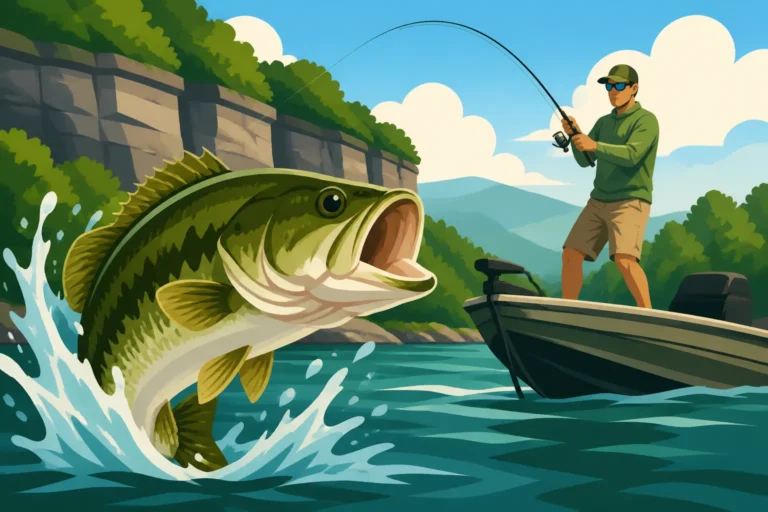
Picture this: you're working a topwater frog across a thick mat of vegetation on a quiet Arkansas morning. Suddenly, the water explodes! That's often a largemouth. Their initial strike is aggressive and powerful, designed to stun prey. Once hooked, their first instinct is often to launch themselves out of the water, shaking their head violently in an attempt to throw the hook. This aerial display is what many anglers live for – that moment of pure adrenaline as a green giant leaps and twists.
This dramatic jump isn't just for show; it's a highly effective evasive maneuver. Their wide, powerful tails are perfect for propelling their chunky bodies skyward. If you're not ready to drop your rod tip and maintain slack during the jump, you'll often find your lure sailing through the air as the bass makes its escape. It's a dance between angler and fish, a test of reflexes and quick thinking.
I've had countless largemouths put on a show like this, especially when they're healthy and feeding aggressively. There's nothing quite like it to get your heart racing. The sheer force of their initial outburst is remarkable, and it’s a big part of their appeal. Many anglers find this spectacle exhilarating, even if the fight doesn't always last as long as they might hope.
Raw Power and Short, Bursting Runs
While largemouth bass are known for their jumps, their underwater fight is characterized by raw, brute strength. They don't typically make long, sustained runs like some other species. Instead, they power down into cover, trying to bury themselves in weeds, logs, or brush. They'll pull hard, trying to use the structure to break your line or dislodge the hook.
These are often short, explosive bursts, not marathon sprints. They'll dive, turn, and pull with incredible force, especially if they're close to submerged timber or a thick weed bed. You need to apply constant pressure and often try to "muscle" them out of their sanctuary before they can foul your line. This is where a sturdy rod and strong line, perhaps something you picked up from Amazon, really come into play.
Think of it like a heavyweight boxer – powerful punches, but sometimes a shorter fight. Their body shape, with that deep, laterally compressed profile, allows them to leverage a lot of water resistance when they turn broadside. This makes them feel incredibly heavy and strong, even if they aren't covering a lot of distance on a run. You really feel every head shake and surge.
Their Habitat and How it Influences the Fight
A largemouth's fighting style is intrinsically linked to its preferred habitat. They love relatively warmer, often murkier waters with an abundance of cover. Think lily pads, dense hydrilla beds, fallen trees, and docks. When you hook a largemouth in these environments, their primary goal is to get back into that protective cover.
This means the fight is often an immediate tug-of-war, with the angler trying to steer the fish away from snags and the bass doing everything it can to reach them. A bass caught in open water might jump more, but one near a thick brush pile will often just dig in and pull with everything it has. This can make for some incredibly tough battles, especially if you're using lighter tackle.
The challenge of extracting a largemouth from heavy cover adds another layer of excitement to the fight. It's not just about reeling them in; it's about outsmarting them and preventing them from using their environment to their advantage. This makes each largemouth encounter unique, depending on where and how you hook them. If you want to know more about where these fish hide, check out Best Bass Fishing Spots on Lake Ouachita, Arkansas.
Deciphering the Smallmouth Bass Fighting Style
Now, let's talk about the smallmouth, often called "bronzebacks" for their distinctive coloration. These incredible fish are common in Arkansas's cooler, clearer waters, particularly in the Ozark streams and the deep, rocky reservoirs like Bull Shoals Lake. While they might not offer the same dramatic jumps as a largemouth, their fight is undeniably spirited and relentless.
Long, Sustained Runs and Deep Dives
Unlike their largemouth cousins, smallmouth bass are champions of the long-distance fight. Once hooked, they tend to make powerful, screaming runs, peeling line off your reel with impressive speed. They'll often dive deep, trying to escape into the rocky depths or use strong currents to their advantage.
These aren't short bursts; these are often sustained, powerful surges that test the drag on your reel and the strength of your line. You might find a smallmouth running twenty or thirty yards before you can even begin to turn its head. This relentless, bulldog-like pulling can be incredibly exhilarating, especially on lighter gear, as the fish refuses to give up.
I've had smallmouths strip line from my reel so fast it sings, making my heart thump with excitement. They just don't quit, and their ability to stay submerged and keep pulling often makes them feel much heavier than they actually are. It’s a true test of your equipment and your patience, ensuring you get the most out of every single catch. For a deep dive into where these fighters live, check out Smallmouth Bass Fishing in Arkansas's Ozark Streams.
Relentless Head Shakes and Endurance
Beyond their powerful runs, smallmouth bass are famous for their constant, violent head shakes. Even when they're not making a full-on run, they're shaking their heads, trying to dislodge the hook. It's a constant, vibrating pressure on your rod, making it feel like they're never truly tiring out.
This endurance is a hallmark of the smallmouth fight. They don't typically wear themselves out with one big jump; instead, they maintain a high level of energy throughout the entire battle. It's a steady, grueling pull that makes you work for every inch of line gained. They are truly tenacious, rarely giving up until they are right beside the boat or on the bank.
This relentless nature can be more tiring for the angler than the explosive show of a largemouth. You're constantly fighting against that steady, vibrating resistance and those sudden, powerful surges. It's a true test of stamina for both fish and angler, and it's why many consider the smallmouth to be the pound-for-pound champion of the bass world.
Their Environment and Its Impact on the Battle
Smallmouth bass thrive in cooler, clearer water with rocky bottoms, gravel beds, and moderate currents. Think of the pristine rivers of the Ozarks or the deep, rocky structure of lakes like Beaver Lake. In these environments, there isn't typically the same dense cover that largemouths use.
Because they can't often bury themselves in weeds or timber, smallmouths rely on their speed, strength, and the open water itself to escape. They use the current to their advantage, turning into it and letting it aid their powerful runs. Their sleek, torpedo-shaped bodies are perfectly adapted for these conditions, allowing them to slice through the water with incredible efficiency.
The lack of heavy cover means the angler often has a clearer fight, but also one where the fish has more room to run and use its strength. You're less likely to get snagged, but more likely to have your drag tested to its limits. This open-water battle is a completely different experience than the close-quarters combat you often find with largemouths. To learn more about identifying them, check out How to Identify a Smallmouth Bass.
The Head-to-Head Showdown: Largemouth vs. Smallmouth
So, when we put these two incredible fish head-to-head, which one comes out on top in terms of fighting prowess? The truth is, it's not always a clear-cut answer, as both offer a truly memorable fight, but their styles are distinct.
Comparing the Initial Strike and Hookset
When it comes to the initial strike, both species hit with authority, but their reactions once hooked can differ. A largemouth, especially on topwater, often creates a spectacular splash and then leaps, immediately testing your ability to react. It's a shock and awe approach.
A smallmouth, on the other hand, might not always give you that explosive visual strike. Often, especially in deeper water, you'll just feel a solid thump, and then your line will start screaming off the reel as it makes its first powerful run. It’s more of a sudden, deep surge than an aerial show. The sensation is different – one is an immediate visual spectacle, the other is an instant, unyielding power play.
This initial difference sets the tone for the rest of the fight. The largemouth wants to get airborne and shake you off, while the smallmouth wants to get deep and run, relying on sheer pulling power. Both are exciting, but in very different ways that appeal to different angler preferences.
Sustained Pressure vs. Explosive Bursts
This is where the core difference in their fighting styles really shines. The largemouth is the sprinter of the bass world. It gives you incredible, explosive bursts of power – powerful head shakes, strong pulls, and those iconic jumps. These moments are intense and thrilling, but they can sometimes be relatively short-lived if the angler can keep the fish away from cover.
The smallmouth, conversely, is the marathon runner. It might not jump as often, but it delivers sustained, relentless pressure. Its runs are longer, its head shakes are constant, and it seems to have an endless well of energy. It truly fights from the moment it's hooked until it's in the net. This prolonged battle often leaves anglers feeling like they've fought a much larger fish.
| Characteristic | Largemouth Bass | Smallmouth Bass |
|---|---|---|
| Initial Reaction | Explosive splash, immediate jumps | Powerful, line-peeling runs |
| Primary Fight Style | Short, strong bursts, seeking heavy cover | Long, sustained runs, deep dives |
| Head Movement | Violent head shakes, especially during jumps | Constant, relentless head shakes |
| Endurance | Good, but can tire quicker after initial bursts | Exceptional, fights until the very end |
| Aerial Acrobatics | Highly prone to jumping and thrashing | Less prone to jumping, more underwater fight |
| Pound-for-Pound Feel | Feels heavy and powerful in short bursts | Feels incredibly strong and tireless, often "punches above its weight" |
| Habitat Influence | Uses weeds/timber for cover, close combat | Uses open water, current, and rocks, long runs |
Ultimately, which is "harder" is subjective. If you prefer short, intense, visually spectacular fights, the largemouth might be your champion. If you love a prolonged, drag-screaming battle that tests your stamina and tackle, the smallmouth will likely win your vote.
Factors That Can Tip the Scales
It's important to remember that not every bass fight is the same. Several factors can influence how "hard" a fish fights, regardless of species. Water temperature, for instance, plays a huge role. A largemouth caught in cool spring water during the Bass Fishing in Arkansas: Largemouth, Smallmouth, and Kentucky Bass Explained period or a smallmouth from icy winter currents will often fight much harder than a sluggish fish caught in sweltering summer heat.
The size of the fish is also critical. A trophy-sized largemouth weighing 8 pounds will almost certainly out-fight a 2-pound smallmouth, just by virtue of its mass. Conversely, a chunky 4-pound smallmouth from a fast-flowing river can feel like a freight train compared to an equally sized largemouth from a quiet pond. The fish's overall health and condition, as well as the tackle you're using (e.g., ultralight vs. heavy action rods), will also significantly affect your perception of the fight.
Even the type of lure can influence the initial impact. A topwater bite is often more explosive for a largemouth, while a deep crankbait might elicit a solid, powerful pull from a smallmouth. Understanding these variables means every encounter is a unique experience, keeping us all coming back for more.
Angler Experience and Perception of the Fight
The perceived "hardness" of a fight often boils down to an angler's personal experience and what they prioritize in a fish battle. What one person finds thrilling, another might find frustrating, and vice versa.
The "Wow" Factor of a Largemouth Jump
For many anglers, that heart-stopping moment when a largemouth breaches the water, shaking its head with spray flying everywhere, is the ultimate thrill. It’s a visual spectacle, a dramatic performance that leaves a lasting impression. This "wow" factor often leads people to feel like the largemouth offers a more exciting, albeit sometimes shorter, fight.
That initial surge of adrenaline is powerful. You see the fish, you see its power, and you feel the raw energy. It’s immediate and unforgettable. This visual engagement contributes significantly to the feeling of a "hard fight," even if the underwater tug-of-war is less prolonged than with a smallmouth.
It’s like comparing a high-flying dunk in basketball to a relentless defensive grind. Both are impressive, but one might be more immediately awe-inspiring. If you're looking for that Instagram-worthy moment or just a quick rush of adrenaline, the largemouth rarely disappoints.
The Relentless Grind of a Smallmouth
On the flip side, the smallmouth offers a more sustained, relentless challenge. There's less "show," but a continuous, powerful pull that seems to wear you out more than it wears the fish out. This constant battle, where the fish never seems to give up, is what endears the smallmouth to so many.
You feel the power through the rod, constantly battling against those deep dives and long runs. It's a grind, a true test of your technique and endurance. You know you've earned every inch of line you gain, and by the time you land a feisty smallmouth, you often feel physically tired, but incredibly satisfied.
I've been on river trips where every smallmouth felt like a triumph of wills. You retrieve your lure, perhaps a new one you just ordered from Amazon, feeling the battle in your arms and shoulders. This relentless nature often makes anglers feel like the smallmouth fights "harder" because it simply refuses to quit, prolonging the excitement. If you're curious about other species, dive into Arkansas Fish Species: A Complete Guide to What's Swimming in Your Waters.
Why the Debate Continues
Ultimately, the debate over which bass fights harder is a friendly one that likely won't ever be settled, and that's perfectly okay! Both largemouth and smallmouth bass offer incredible angling experiences, each with its unique flavor of excitement and challenge. Your preference often comes down to the kind of fight you enjoy most, the waters you typically fish, and even the tackle you prefer.
Some anglers swear by the largemouth's explosive power and jumps, while others are captivated by the smallmouth's enduring strength and relentless runs. There's no right or wrong answer, only different perspectives based on countless hours spent on the water. What matters most is enjoying the chase, respecting these magnificent fish, and making memories on Arkansas's beautiful lakes and rivers.
Maybe next time you're out, try targeting both species and compare for yourself. You might even find a new appreciation for the nuances of each fish's fighting style. And remember, a good fight is a good fight, no matter the species! If you're looking for Best Bait for Bass by Season, that can also influence the intensity of the strike and fight.
Disclaimer
This article is for general informational purposes only and does not constitute professional advice. Laws, prices and regulations vary by location and change over time. Consult a qualified professional for guidance on your specific situation.