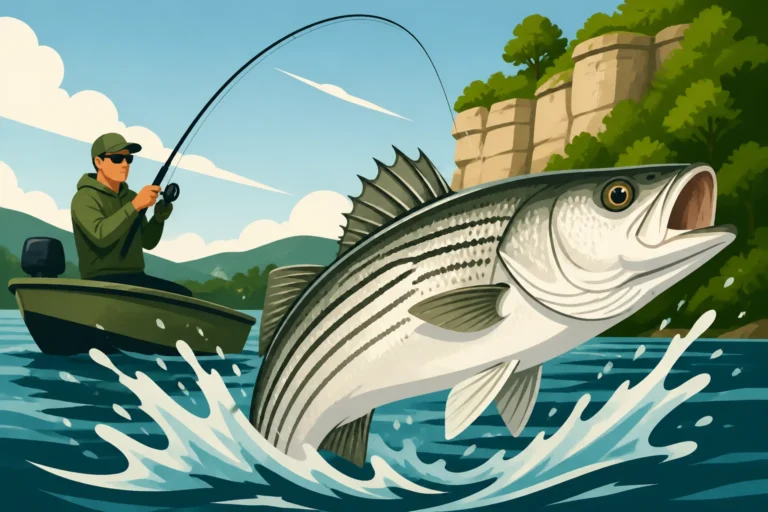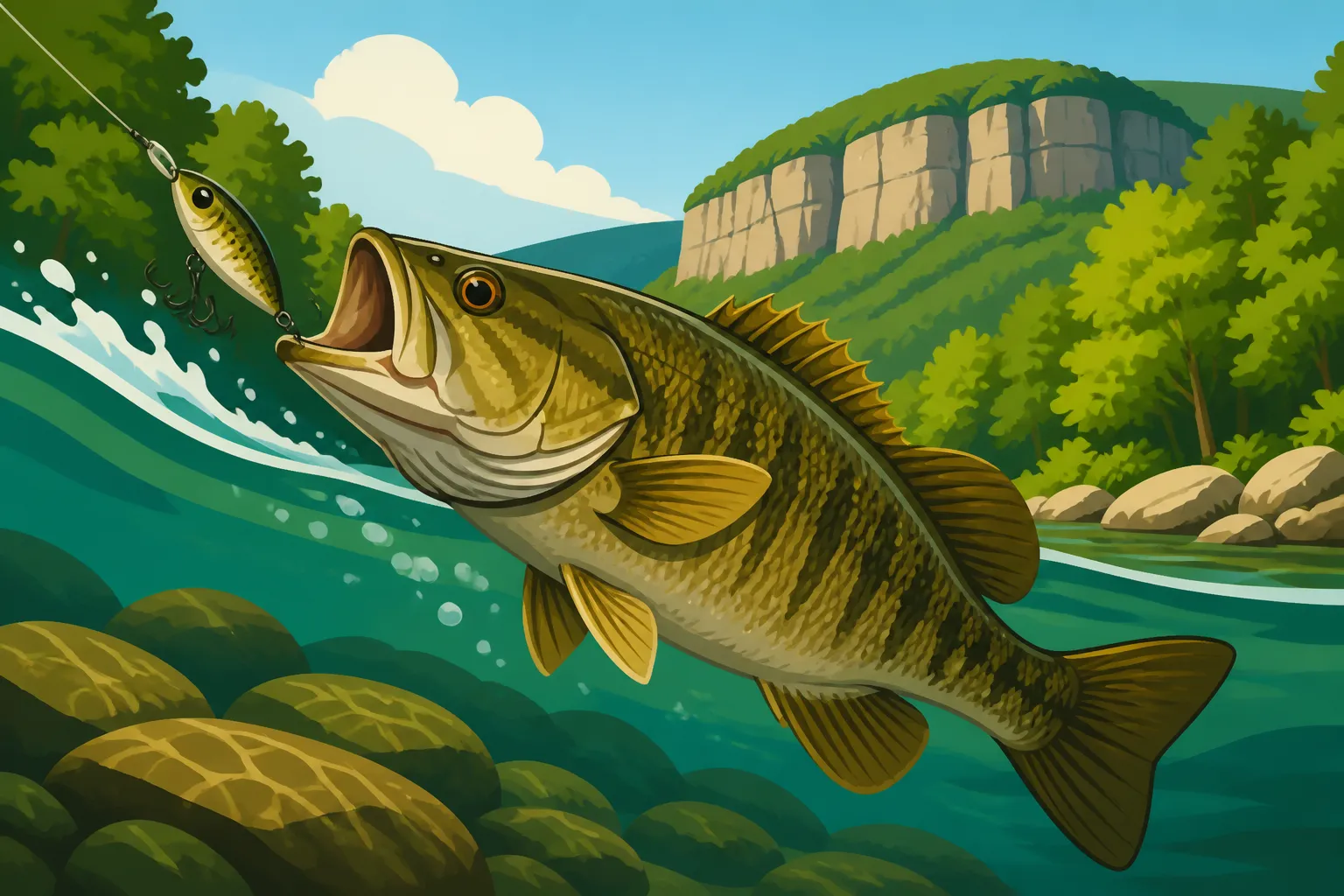
Smallmouth Bass Fishing in Arkansas’s Ozark Rivers
The thrill of chasing smallmouth bass in Arkansas’s Ozark rivers is truly something special, but it also comes with its own unique set of challenges. These bronzebacks are cunning, powerful, and live in some of the most beautiful, yet demanding, environments the state has to offer. If you've ever felt the frustration of sight-fishing a wary smallie or the exhaustion of navigating rocky riverbeds, you're not alone. This guide is here to unravel the mysteries of smallmouth bass fishing in these iconic Ozark streams, helping you understand their haunts, habits, and how to successfully put one in your net.
Understanding the Ozark Smallmouth Habitat
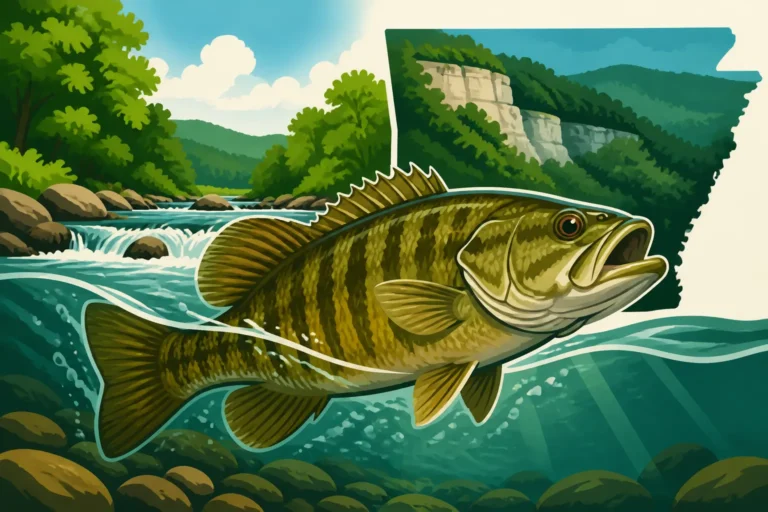
Arkansas's Ozark region is a stunning tapestry of clear, cool, free-flowing rivers and streams that are a perfect stronghold for smallmouth bass. Unlike their largemouth cousins who prefer still, warmer, and often weedier waters, smallmouth thrive in currents, around rocky structures, and in areas with good oxygenation. Knowing where they live is the first step to catching them.
Characteristics of Smallmouth Rivers
When you think of an Ozark smallmouth river, picture crystal-clear water, gravel bottoms, and plenty of rock. We're talking about places like the upper portions of the White River, the Buffalo River, Crooked Creek, the Little Red River, and even the Little Missouri River – though the Little Missouri has its own special shoal bass population as well. These rivers are characterized by a mix of riffles (shallow, fast-moving water), runs (deeper, smoother flows), and pools (still, deeper areas). Each of these distinct sections can hold smallmouth, but they’ll be looking for specific features within them.
Smallmouth are ambush predators, and they use the current to their advantage. They'll often position themselves just out of the main current, behind a large boulder, a log, or even a subtle current break, waiting for food to drift by. The water temperature is also critical; while they tolerate warmer temps than trout, they prefer cooler conditions than largemouth, typically thriving in water between 60 and 70 degrees Fahrenheit. This clear water also means they have excellent eyesight, so presentation and stealth become paramount. If you're wondering about specific locations, you might want to read up on Little Missouri River Fishing Spots in Arkansas or Caddo River Fishing Access Points in Arkansas for more ideas.
Key Structures and Holding Spots
Within these river characteristics, certain structures are absolute magnets for smallmouth. Large boulders, rocky ledges, submerged timber, and undercut banks are prime real estate. Think about how the current flows around these features. A smallmouth will often be positioned on the downstream side of a boulder, in the slack water or eddy, where they can conserve energy and dart out quickly to grab a passing crawfish or baitfish. Deeper pools, especially those with rock piles or submerged logs, are excellent spots during brighter conditions or when the fish are less active.
During periods of heavy generation or higher flows, smallmouth will often move closer to the banks, seeking refuge from the strong current in calmer pockets. Conversely, during low water periods, they might concentrate in the deeper holes. Don't overlook gravel bars that transition into deeper water, as these can be feeding grounds, especially at dawn and dusk. Understanding Smallmouth Bass Fishing in Arkansas's Ozark Rivers fully means understanding these subtle nuances of their riverine homes.
Essential Gear and Tackle for Ozark Smallmouth
Equipping yourself properly for Ozark smallmouth fishing can make all the difference between a frustrating day and a fantastic one. This isn't your pond fishing setup; river smallmouth demand gear that can handle current, precise casting, and powerful fights.
Rods, Reels, and Line
For river smallmouth, I highly recommend a medium-light to medium power spinning rod, typically in the 6'6" to 7'0" range. This length gives you good casting distance and accuracy, which is crucial for hitting those small pockets behind boulders. The medium-light action allows you to cast lighter lures and provides sensitivity to feel subtle bites, while still having enough backbone to handle a strong, current-fueled fight. For example, a 6'8" medium-light rod with a fast tip can be a versatile choice. You can find excellent options for these types of rods on Amazon, often with comprehensive reviews to guide your choice.
Pair your rod with a quality spinning reel in a 1000 to 2500 series. Smooth drag is non-negotiable for these fish, as they will peel line when hooked in current. For line, 6-8 pound test fluorocarbon or monofilament is generally ideal. Fluorocarbon offers lower visibility, which is a huge advantage in clear Ozark waters, and good abrasion resistance for fishing around rocks. Some anglers prefer a braided main line (10-15 lb) with a 6-8 lb fluorocarbon leader for added sensitivity and casting distance, especially when using lighter lures. This setup provides excellent sensitivity and strength.
Lures and Baits of Choice
Smallmouth bass are opportunistic feeders, and their diet in Ozark rivers often consists of crawfish, baitfish (like minnows and sculpins), and insects. Your lure selection should reflect this natural forage.
- Jigs: Small marabou jigs (1/16 to 1/8 ounce) in natural colors like brown, olive, or black are deadly, especially when fished slowly along the bottom to mimic crawfish. Small bucktail jigs can also be very effective. Try bouncing them off rocks and letting the current work them.
- Soft Plastics: Grubs (2-3 inches) on a small jig head, tube baits, and small creature baits (mimicking crawfish) are fantastic. Colors like pumpkin seed, green pumpkin, and watermelon red are perennial favorites. Rigged on a lightweight jig head, these can be drifted downstream or worked with short hops.
- Crankbaits: Small, shallow-diving crankbaits that imitate baitfish or crawfish can be excellent, especially in runs and pools. Look for lures that dive 3-6 feet. Natural patterns are best in clear water.
- Topwater Lures: During low light conditions (early morning, late evening) or on cloudy days, small poppers, walking baits, and prop baits can provide explosive strikes. Target calmer pools and eddies for topwater action.
- Spinnerbaits/Buzzbaits: Small inline spinners or compact spinnerbaits can work well in slightly stained water or when the fish are aggressive, especially near current breaks.
- Live Bait: If artificials aren't cutting it, small live crawfish, minnows, or worms can be irresistible. Rig them simply with a small hook and a split shot, allowing them to drift naturally with the current. This can be especially effective for beginners or on tougher days.
A good selection of these lures, perhaps organized in a tackle box easily accessible in your kayak or while wading, will serve you well. Many anglers stock up on these versatile lures through retailers on Amazon.
Effective Techniques for Catching Ozark Smallmouth
Catching smallmouth in rivers isn't just about having the right gear; it's about mastering the techniques that put your lure in front of these finicky fish. River fishing is dynamic, and you need to adapt to changing conditions and currents.
Wade Fishing Strategies
Wade fishing is a quintessential Ozark smallmouth experience. It allows you to move silently and precisely, getting into spots a boat might miss. The key is to move slowly and deliberately, reading the water as you go. Look for those current seams, boulders, and changes in depth. When you approach a promising spot, cast upstream or upstream-and-across, allowing your lure to drift naturally downstream through the strike zone. This downstream presentation mimics how natural food would flow. Maintain a tight line to feel bites and control your lure.
Polarized sunglasses are absolutely essential for wade fishing. They cut the glare off the water, allowing you to spot submerged structure and even the fish themselves. This is particularly important in clear Ozark waters. When wading, safety is paramount. Wear sturdy wading boots with good grip, and consider a wading staff for stability, especially if you're exploring unfamiliar stretches. Remember, these rivers can have slippery rocks and sudden drop-offs. For more on wading, check out Wade Fishing Spots on the White River Below the Dam, which has applicable advice for other Ozark streams too.
Floating and Drifting Techniques
For covering more water and accessing less-pressured areas, floating a river in a kayak, canoe, or raft is an incredible way to target smallmouth. This approach allows you to leisurely drift through miles of prime habitat. The same principles of reading the water apply, but now you're doing it from a moving platform. Focus your casts on the outside bends, around fallen trees, and in front of significant rock formations.
When floating, consider anchor systems (like a small drag anchor or stick anchor) that allow you to hold your position temporarily in good spots to thoroughly work them. This is especially helpful if you hook a fish and need to slow down to fight it without getting dragged further downstream. Float Fishing Techniques for Tailwaters offers fantastic insights into managing your drift and presentation, which are highly relevant for smallmouth rivers. Remember to minimize noise and sudden movements; smallmouth are easily spooked in clear water.
Best Times and Conditions for Smallmouth Fishing
Timing and environmental conditions play a huge role in smallmouth bass activity. Being in the right place at the right time with the right approach will significantly increase your success.
Seasonal Patterns
Smallmouth fishing in Ozark rivers can be productive year-round, but certain seasons offer peak opportunities.
- Spring: As water temperatures rise into the 50s and 60s, smallmouth become very active, feeding heavily after winter and preparing for the spawn. This is an excellent time for aggressive retrieves with crankbaits and spinnerbaits, as well as working jigs slowly near spawning areas (gravelly flats adjacent to deeper water).
- Summer: Peak summer can be challenging, especially during bright, hot days when smallmouth often retreat to deeper, cooler pools or seek shade under undercut banks and submerged logs. Early morning and late evening bites are often the best. Night fishing can also be productive. Topwater lures shine during these low-light periods.
- Fall: This is arguably the best time for trophy smallmouth. As water temperatures cool and the fish sense winter approaching, they go on a feeding frenzy to bulk up. They can be found in a variety of depths, actively chasing baitfish and crawfish. Jigs, crankbaits, and swimbaits are all excellent choices.
- Winter: While slower, winter fishing can still yield good results, especially on milder days. Smallmouth will typically congregate in deeper, slower pools. Finesse techniques, such as slowly working small jigs or soft plastics along the bottom, are most effective.
Understanding these seasonal shifts helps you adjust your tactics and increase your chances. For broader context on seasonality, consider exploring Arkansas Fishing Seasons Guide.
Weather and Water Conditions
Smallmouth are very sensitive to changes in weather and water conditions, especially in clear rivers.
- Cloudy Days: Overcast skies often mean more consistent fishing throughout the day. The reduced light makes fish less wary and more likely to feed in shallower water or exposed areas.
- Sunny Days: Bright sunshine can push fish into deeper water, dense cover, or shaded areas. Focus your efforts on these spots, and consider using more subtle presentations or smaller baits.
- Rising Water/Post-Rain: A slight rise in water level or a bit of stain after a rain can be fantastic. The increased flow dislodges food, and the slightly reduced visibility makes fish less cautious. Fish the edges of the main current where new food is washing in. However, rapidly rising or muddy water can shut them down.
- Falling Water/Low Water: When water levels drop significantly, fish will concentrate in deeper holes and runs. They can become very spooky in these conditions, so long casts and stealth are vital.
- Water Temperature: Keep an eye on water temperature. A thermometer is a valuable tool. Smallmouth are most active when the water is in their preferred temperature range (typically 55-70°F). Extremes in either direction can make them sluggish or push them to seek thermal refuge.
| Condition | Smallmouth Behavior | Recommended Approach |
|---|---|---|
| Clear, Sunny Days | Seek deeper water, shade, very wary. | Finesse jigs, small tubes, long casts, stealth. |
| Cloudy/Overcast | More active, less wary, may move shallower. | Crankbaits, spinnerbaits, topwater, jigs in various depths. |
| Slightly Stained Water | Excellent feeding, reduced visibility for fish. | Jigs, spinnerbaits, brighter colors may work, focus on current seams. |
| High/Muddy Water | Retreat to calm eddies, banks, often shut down. | Wait for water to drop/clear, target extreme slack water. |
| Low, Clear Water | Concentrated in deep pools, very spooky. | Ultra-finesse, light line, long casts, extreme stealth. |
| Cold Water (Below 50°F) | Sluggish, deep holding, conserve energy. | Slow jigging, dead-sticking, suspending jerkbaits. |
| Warm Water (Above 75°F) | Seek oxygenated areas, deeper runs, early/late bite. | Deep jigs, night fishing, topwater at dawn/dusk. |
Smallmouth bass fishing in Arkansas's Ozark rivers is a truly rewarding endeavor. It requires patience, observation, and a willingness to adapt, but the reward of a hard-fighting bronzeback in one of the most scenic settings is worth every effort. Whether you're a seasoned angler or just getting started, these strategies and insights should help you unlock the potential of these incredible waters.
Disclaimer
This article is for general informational purposes only and does not constitute professional advice. Laws, prices and regulations vary by location and change over time. Consult a qualified professional for guidance on your specific situation.