Which Arkansas waters require the extra trout permit
It's a familiar scenario for many anglers, whether you're a seasoned Arkansan or just visiting our beautiful state: you've got your fishing license, your gear is packed, and you're ready to hit the water, but then that nagging question pops up – "Do I need an extra trout permit?" The confusion is real, and it's frustrating to feel unsure about the rules when all you want to do is enjoy a peaceful day by the stream. This comprehensive guide is here to untangle that uncertainty, clearly outlining exactly which Arkansas waters require that additional trout permit so you can fish confidently and legally.
Navigating Arkansas's Designated Trout Waters
The short answer is yes, in specific areas of Arkansas, you absolutely need a separate trout permit in addition to your regular fishing license if you intend to keep any trout. These aren't just random spots; they are meticulously managed cold-water fisheries, often tailwaters below large dams, that support healthy trout populations. It's easy to assume your general fishing license covers everything, but when it comes to trout, Arkansas has special provisions that ensure these unique fisheries thrive.
Understanding the "Put-and-Take" and Wild Trout Fisheries
Arkansas boasts some truly world-class trout fishing, but it's important to understand why these fisheries exist and how they're maintained. Many of our trout waters are what we call "put-and-take" fisheries, meaning the Arkansas Game and Fish Commission (AGFC) regularly stocks them with trout raised in hatcheries. Rainbow trout are often the stars of these programs, providing consistent opportunities for anglers. However, some sections of our rivers also sustain wild, naturally reproducing populations of brown trout, which are highly prized by anglers for their elusiveness and fighting spirit. The rules around the trout permit are designed to help fund these vital stocking and management efforts for both types of fisheries.
Without these dedicated efforts, many of these trout populations simply wouldn't exist or thrive in our naturally warmer southern waters. The permit system is a direct investment in keeping these cold-water havens vibrant. For instance, the tailwaters below dams like Bull Shoals and Greers Ferry create artificial cold-water environments that mimic mountain streams, allowing trout to flourish where they otherwise couldn't. This unique situation necessitates unique regulations to protect and enhance these invaluable resources.
Specific Rivers and Tailwaters Requiring a Trout Permit
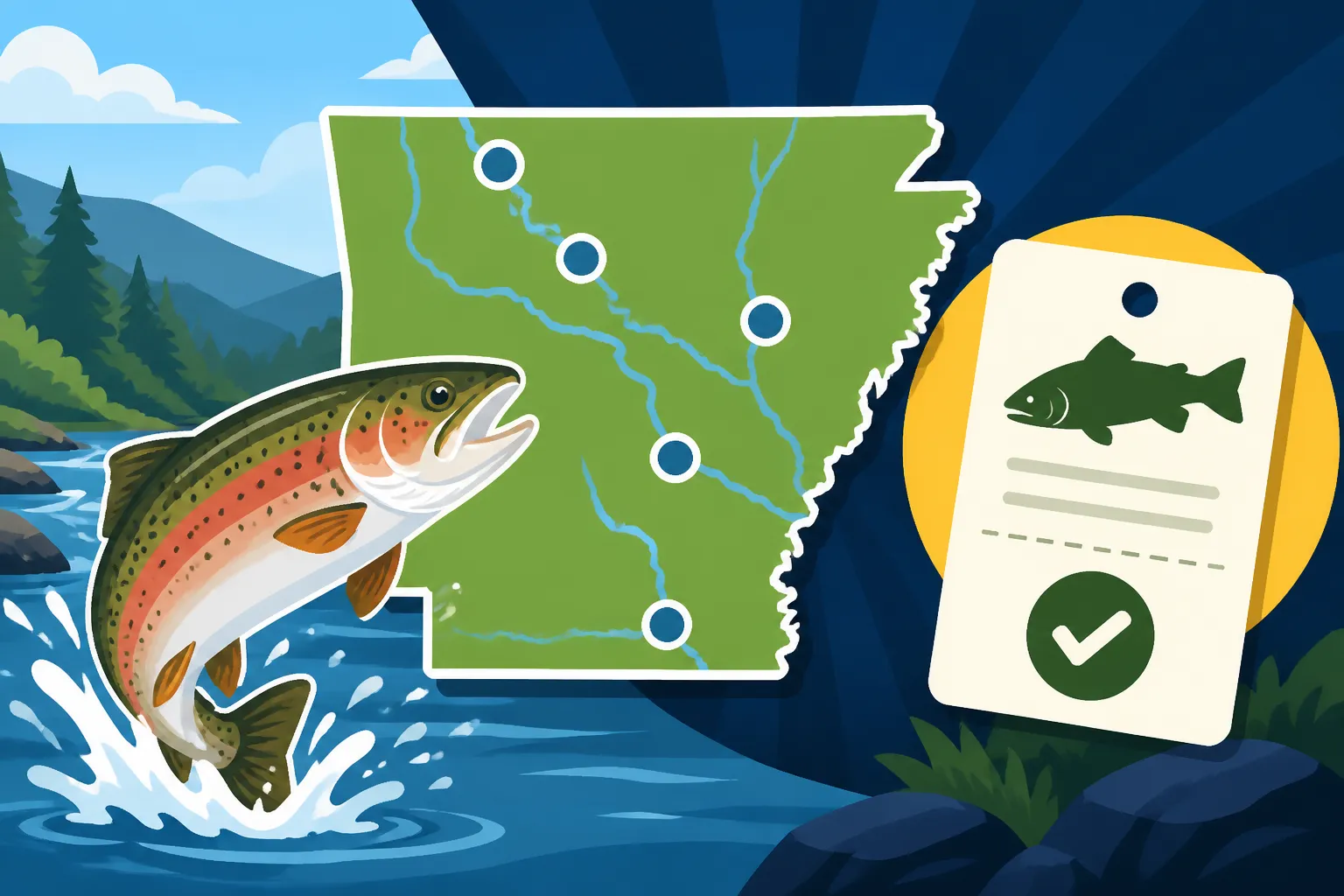
When it comes to where the trout permit is required, the focus is squarely on our state's premier trout streams and their specific sections. These are generally cold-water releases from large dams that maintain the consistent, chilly temperatures trout need year-round. If you're planning to fish for trout in any of these locations and wish to keep your catch, that trout permit is non-negotiable.
Here are the primary waters where you'll need that extra permit:
- White River: This is perhaps the most famous trout fishery in Arkansas, stretching for miles below the Bull Shoals Dam. From the dam down to the Highway 5 bridge near Norfork, and further downstream through areas like Cotter and Calico Rock, the White River is prime trout territory. It's renowned for its incredible brown trout, some reaching trophy sizes, alongside abundant rainbow trout. This river is a major draw for anglers from across the country, and its productivity is directly supported by the permit system.
- Little Red River: Flowing below Greers Ferry Dam, the Little Red River is another jewel in Arkansas's trout crown. It offers fantastic opportunities for rainbow trout and has a strong reputation for impressive brown trout, particularly in its upper sections. Popular access points include areas around Swinging Bridge and Barnett. Just like the White River, the consistent cold water released from the dam makes this an ideal trout habitat.
- Spring River: Fed by Mammoth Spring, one of the largest springs in the Ozarks, the Spring River is a unique natural cold-water fishery. It's known for its beautiful scenery and consistent fishing for rainbow trout, with some wild brown trout also present. The Spring River offers a slightly different experience than the dam-fed tailwaters, maintaining its cool temperatures naturally.
- Spavinaw Creek: While smaller and less widely known than the major rivers, Spavinaw Creek in Northwest Arkansas is another designated trout stream. It provides a more intimate fishing experience, though it's still subject to the same permit requirements if you plan to keep trout.
It's crucial to remember that these regulations often cover specific sections of these rivers. While a river might run for hundreds of miles, only the designated cold-water trout zones require the permit. Always double-check the latest Arkansas Fishing Regulations Guide to confirm the exact boundaries for each stream before you cast your line.
Why Certain Lakes Don't Always Require a Permit
Now, you might be thinking, "What about lakes that have trout in them?" That's a great question, and it highlights a common point of confusion. Generally speaking, if you're fishing a lake where trout might occasionally be found but it's not part of a designated cold-water trout stream system, you typically won't need the extra trout permit. For instance, if a lake is stocked with rainbow trout for a special event or if trout migrate into it from a connected river but the lake itself isn't managed as a primary trout fishery, your general fishing license is usually sufficient.
However, there's a nuance. If a lake is directly connected to, or is essentially an impoundment of, one of the designated trout rivers mentioned above (like a small pool on the White River that's still considered part of the trout fishery), then the permit rules still apply. The key is whether the water body is officially designated and managed by the AGFC as a "trout water." If you're ever in doubt, it's always best to err on the side of caution and check the AGFC regulations or purchase the permit. It’s far better to be safe than sorry when a game warden checks your credentials.
The Purpose Behind the Arkansas Trout Permit
It can sometimes feel like an added hassle, another fee to pay before you can enjoy your time on the water. But understanding why the Arkansas trout permit exists can shift that perspective. It's not just about collecting money; it's about sustaining and enhancing the incredible trout fishing opportunities that Arkansas offers. These permits are directly tied to the health and abundance of our cold-water fisheries, making them an essential part of the conservation puzzle.
Funding Arkansas's Trout Stocking Programs
The most direct impact of your trout permit purchase is the funding it provides for the Arkansas Game and Fish Commission's extensive trout stocking programs. These programs are massive undertakings, involving the careful raising of millions of trout in state-of-the-art hatcheries. Without these dedicated efforts, the sheer volume of trout needed to support recreational fishing in our tailwaters simply wouldn't exist.
Your permit dollars directly support facilities like the Jim Hinkle Spring River State Fish Hatchery and the Greers Ferry National Fish Hatchery. These hatcheries are responsible for producing the vibrant rainbow trout that populate our rivers, ensuring that anglers have consistent success. Imagine the cost of feeding, maintaining, and transporting millions of fish each year! That's where your permit fees go. This investment means that whether you're fly fishing the White River or spin fishing the Little Red, there's a strong chance of hooking into some feisty trout, thanks to these vital stocking programs. The Resident Trout Permit Cost in Arkansas might seem small, but collectively, it makes a huge difference.
Supporting Conservation and Habitat Management
Beyond just stocking, the funds generated from Arkansas trout permits are crucial for broader conservation and habitat management initiatives. It's not enough to just put fish in the water; those fish need healthy environments to survive and thrive, even if they're hatchery-raised. This means actively working to protect and improve the delicate cold-water habitats that trout require.
These efforts include monitoring water quality, managing riparian zones (the areas along the riverbanks), conducting scientific research on trout populations, and enforcing regulations to prevent overfishing. The AGFC uses these funds to employ biologists and conservation officers who are on the front lines of protecting these resources. For example, maintaining stable water flows from dams is critical, and permit funds help support the studies and negotiations necessary to ensure proper water release schedules. Essentially, every trout permit purchased helps safeguard the entire ecosystem that makes our trout fisheries so special, contributing to the long-term sustainability of this precious natural resource.
Who Needs an Arkansas Trout Permit and How to Get One
Navigating fishing regulations can sometimes feel like deciphering a foreign language, especially when it comes to permits on top of licenses. It's a common point of frustration for anglers, but the requirements for the Arkansas trout permit are actually quite straightforward once you know the basics. Nobody wants to face a game warden with an incomplete set of paperwork, so let's clarify who needs one and how easily you can get yours.
License Requirements Beyond the Basic Fishing License
The fundamental rule is this: anyone aged 16 or older who intends to fish for trout in designated trout waters and wishes to keep their catch must possess a valid Arkansas fishing license AND an Arkansas trout permit. This applies to both residents and nonresidents alike. While children under 16 don't need a basic fishing license, if they are fishing in a designated trout water and want to keep trout, they (or the adult supervising them) are still expected to adhere to the daily creel limits for trout. The permit, however, is specifically for those 16 and older who keep trout.
There are some common questions about exemptions. For instance, many people ask about Arkansas Senior Fishing License Rules (65+). While Arkansas residents 65 and older are indeed exempt from needing a general fishing license, they are not exempt from the trout permit requirement if they plan to keep trout. However, there's a silver lining: qualifying seniors can often purchase a discounted Senior Trout Permit or opt for a Lifetime Combination Hunting and Fishing License, which typically includes the trout permit. So, while an extra step is still needed, the cost is often minimal for our seasoned anglers. The core message remains: if you're 16+, fishing designated trout water, and keeping trout, you need that permit. This makes sense when you consider that the revenue supports the very trout these anglers enjoy catching.
Purchasing Your Trout Permit
Getting your Arkansas trout permit is thankfully a very simple process, designed to be as convenient as possible for anglers. You have several easy options, meaning you can often secure your permit even last-minute.
- Online via the AGFC Website: This is by far the most convenient method for many people. You can visit the official Arkansas Game and Fish Commission website, navigate to the licensing section, and purchase your permit directly. It's a seamless process where you can add the trout permit to your existing fishing license or buy it concurrently with a new license. You'll receive an instant confirmation, and you can often print a temporary copy or simply save the digital version on your phone. This method is available 24/7, which is a huge bonus if you remember you need it the night before an early morning trip. For a full rundown, check out How to Buy an Arkansas Fishing License Online.
- Licensed Vendors: Many sporting goods stores across Arkansas, including national retailers like Walmart and Academy Sports + Outdoors, as well as smaller local bait shops and marinas, are licensed AGFC vendors. You can walk in, provide your information, and purchase your trout permit over the counter. This is a great option if you prefer a physical license card or need to pick up some last-minute bait or tackle. You might even find a helpful local behind the counter who can offer some tips on current fishing conditions!
- By Phone: You can also call the AGFC licensing office during business hours to purchase your permit. This can be a good option if you have specific questions or prefer to speak with a representative.
Once purchased, the trout permit usually lasts for a full year from the date of purchase (or aligns with your annual fishing license cycle). It's a small investment that goes a long way in preserving Arkansas's reputation as a premier trout fishing destination. If you're looking to explore more about trout fishing before your trip, you might even find excellent regional fishing guides or maps available on Amazon that can enhance your planning.
Consequences of Not Having a Permit
Nobody wants to face the unpleasant experience of getting caught without the proper license or permit. It’s a frustrating situation that can quickly ruin a perfectly good day on the water. In Arkansas, failing to possess the required trout permit in designated trout waters, especially if you have trout in your possession, can lead to some significant and unwelcome consequences.
Game wardens are out on the rivers and lakes specifically to ensure compliance with fishing regulations, including checking for valid licenses and permits. If you are found fishing for or possessing trout in a designated trout water without the necessary permit, you could be subject to fines. These fines can vary depending on the specific violation and whether it's a first offense, but they are certainly more expensive than the permit itself. Beyond monetary penalties, a game warden may confiscate your catch, and in some cases, more serious infractions could even lead to a court appearance. The hassle, expense, and potential embarrassment are simply not worth the risk. It’s far cheaper and less stressful to simply buy the permit upfront. If you're curious about the broader implications, you can read more about Penalties for Fishing Without a License in Arkansas, which also applies to permits.
Maximizing Your Trout Fishing Experience in Arkansas
Now that we've cleared up the permit requirements, let's talk about making your trout fishing trip truly memorable. Arkansas offers incredible opportunities, and with the right approach, you can have a fantastic time whether you're chasing trophy browns or simply enjoying the tug of a rainbow trout on your line.
Essential Gear and Best Practices for Trout Waters
To truly enjoy trout fishing in Arkansas, having the right gear can make a world of difference. While you don't need to break the bank, some basic equipment will significantly enhance your experience. A light-action rod with a sensitive tip, paired with a small spinning reel spooled with 4-6 lb test line, is ideal for most situations. For lures, small inline spinners like a Rooster Tail or Panther Martin, spoons, or soft plastics can be highly effective. If fly fishing is your passion, a 4- or 5-weight fly rod with appropriate flies (think nymphs, streamers, and dry flies matching local hatches) will serve you well. Many of these specific items, from specialized lines to fly-tying materials, can be found readily on Amazon if your local shop doesn't carry them.
Beyond gear, adopting best practices is key, especially if you plan on catch-and-release, which many anglers do for larger brown trout. Handle fish minimally, use barbless hooks, and release them quickly to ensure their survival. Always be mindful of other anglers, especially if you're wading or drifting. And never forget to check the Arkansas Fish Size and Daily Limits for the specific body of water you're fishing. Regulations can vary from one section of a river to another, and staying informed is crucial for responsible angling.
Prime Trout Fishing Destinations in Arkansas
Arkansas truly shines when it comes to trout fishing, boasting several world-renowned destinations. Each river offers a slightly different character and fishing experience, catering to various preferences and skill levels.
- The White River: Without a doubt, the White River is Arkansas's trout fishing crown jewel. Particularly the sections below Bull Shoals Dam, it's famous globally for its trophy brown trout. Anglers come here specifically hoping to land a "hog" brown that can weigh well over ten pounds. Beyond browns, it's teeming with rainbow trout, making it a productive fishery year-round. Whether you prefer fly fishing or spin fishing, the White offers something for everyone. If you're planning a trip, consider exploring Trout Fishing Below Bull Shoals Dam on the White River for detailed insights.
- The Little Red River: Below Greers Ferry Dam, the Little Red River is another fantastic option. It's known for consistent rainbow trout action and healthy populations of brown trout. It’s a slightly smaller river than the White in many sections, which can offer a more intimate feel. Access is good, and it’s a popular spot for both guided trips and independent anglers.
- The Spring River: This natural spring-fed river is a beautiful place to fish. Its clear, cold waters are home to a healthy population of rainbow trout and some brown trout. The upper sections, particularly around Mammoth Spring State Park, offer scenic wade-fishing opportunities. It's a great option for those looking for a different kind of trout fishing experience away from the dam tailwaters.
For a comprehensive look at all the incredible spots, dive into The Best Trout Fishing Spots in Arkansas. You'll find a wealth of information to help plan your next adventure. Many anglers also find that bringing along a waterproof fishing journal, perhaps one purchased from Amazon, helps track their catches, conditions, and successful lures at these various spots.
Staying Informed with Current Regulations
The world of fishing regulations isn't static; it evolves to protect fish populations and adapt to environmental changes. What was true last year might have minor updates this year. This is why it's incredibly important to always consult the most current regulations published by the Arkansas Game and Fish Commission. Don't rely solely on what you remember from a few seasons ago or hearsay from other anglers.
The AGFC publishes a new annual fishing guide, typically available online as a PDF, through their website, and in print at licensed vendors. This guide covers everything from statewide limits to specific regulations for individual rivers, lakes, and special trout zones. Take the time to review it before each fishing season or before heading to a new body of water. Ignorance of the law is never an excuse, and a few minutes of reading can save you a lot of grief. Additionally, for those interested in specific techniques for these waters, like fly fishing, resources such as White River Fly Fishing Season Guide for Arkansas Anglers can offer seasonal insights that complement the regulatory information. Remember, staying informed is just as important as having the right gear for a successful and legal fishing trip.
Here's a handy table summarizing the primary trout waters and their permit requirements:
| Waterway Name | Location/Reference Point | Primary Trout Species | Trout Permit Required (16+ and keeping trout) | Notes |
|---|---|---|---|---|
| White River | Below Bull Shoals Dam | Rainbow, Brown | Yes | Famous for trophy brown trout. Covers extensive miles downstream, including popular areas near Cotter and Calico Rock. Consult AGFC map for specific boundaries. |
| Little Red River | Below Greers Ferry Dam | Rainbow, Brown | Yes | Excellent fishing for rainbow and brown trout. Key access points include Swinging Bridge and Barnett. |
| Spring River | Fed by Mammoth Spring | Rainbow, Brown | Yes | Natural spring-fed river with consistently cold water. Offers a different fishing experience than the dam tailwaters. Brown trout minimum length is Spring River Brown Trout Minimum Length in Arkansas. |
| Spavinaw Creek | Northwest Arkansas | Rainbow | Yes | Smaller trout stream, provides a more intimate fishing experience. |
| Other Lakes/Rivers | Not designated as "trout waters" | Varies | No (for trout) | If trout are present but the water is not officially managed as a primary trout fishery, a general fishing license is sufficient for catching and keeping other species. Always confirm with current AGFC regulations if unsure. |
Disclaimer
Please remember that fishing regulations, including those concerning licenses and permits, can change. While every effort has been made to provide accurate and up-to-date information, it is your responsibility to consult the most current Arkansas Game and Fish Commission (AGFC) regulations before engaging in any fishing activities. This guide is for informational purposes only and should not be considered a substitute for the official AGFC regulations.