Size limit for keeping crappie in Arkansas
There’s nothing quite like the thrill of a crappie bite, the anticipation as you reel it in, and the satisfaction of a healthy fish flopping in your boat. But let’s be honest, that joy can quickly turn into a headache when you start second-guessing yourself about whether your catch is actually legal to keep. The rules around fish size limits in Arkansas can feel like a moving target, especially when different lakes have different regulations. This guide is designed to cut through the confusion and give you a crystal-clear understanding of the minimum size limits for crappie across Arkansas, so you can enjoy your time on the water without the worry.
Understanding the Statewide Crappie Size Limit in Arkansas
When you're out on most of Arkansas's beautiful lakes and rivers, enjoying a day of crappie fishing, there's one golden rule for size that you absolutely need to etch into your memory: the 9-inch minimum. This isn't just some arbitrary number; it's a carefully considered regulation designed to protect our crappie populations and ensure that future generations of anglers can enjoy the same fantastic fishing opportunities we do today.
The 9-Inch Minimum: A Fundamental Rule
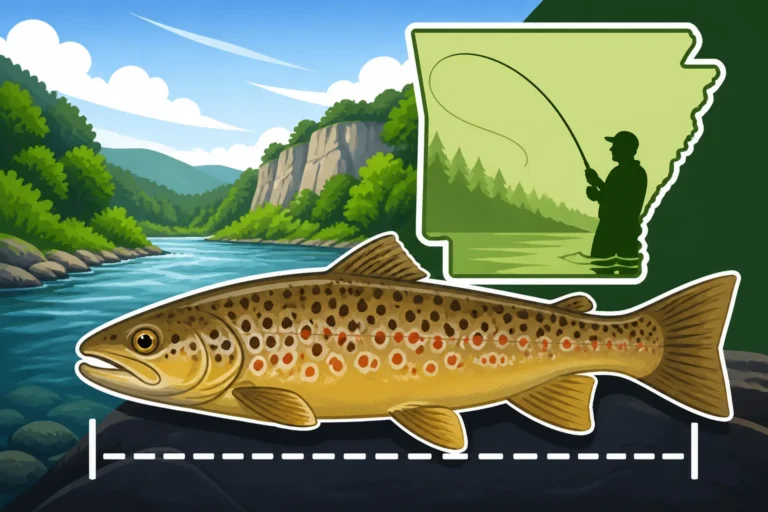
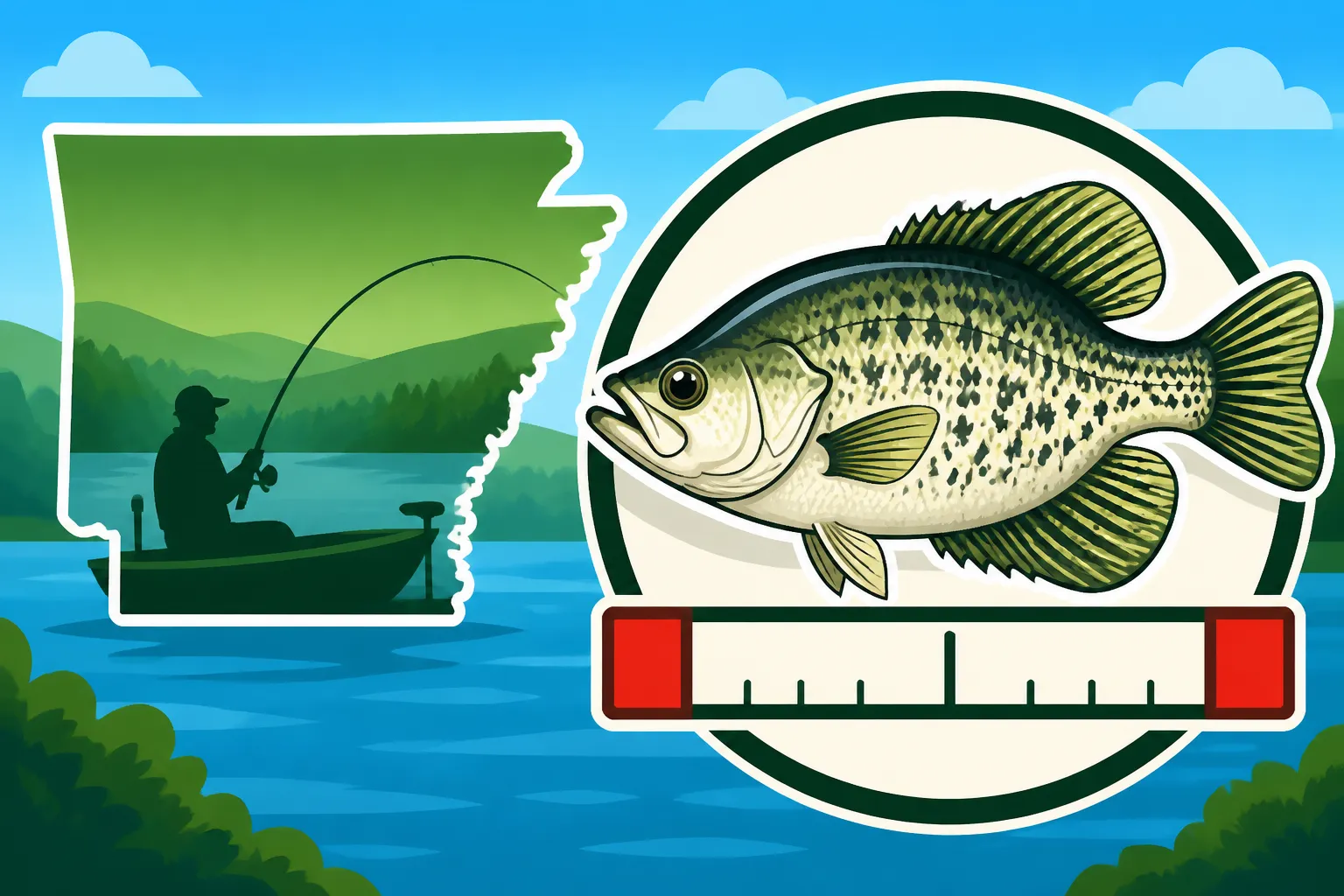
Across the vast majority of public waters in Arkansas, any crappie you intend to keep for your dinner table or cooler must measure at least 9 inches from the tip of its snout to the end of its tail, with the tail compressed. This statewide standard for crappie applies to both black crappie and white crappie, so you don't have to worry about differentiating between the two when it comes to length. It’s a pretty straightforward rule, and it’s arguably the most important one to remember. You can find more details on this general requirement in our guide on Crappie must be 9 inches or longer to keep in Arkansas.
I know, it can feel a bit restrictive sometimes when you're catching a lot of 8-inchers, but trust me, this rule is there for a good reason. Imagine if everyone kept every crappie they caught, regardless of size. Our lakes would be depleted of the smaller, younger fish that are crucial for the species' long-term survival. This minimum length allows crappie to reach sexual maturity and spawn at least once, contributing to the next generation of fish before they can be harvested. This makes a huge difference in maintaining a healthy, thriving fishery for everyone. This rule, alongside the Statewide crappie daily limit is 20 fish in most Arkansas waters, works in tandem to ensure sustainable fishing.
Why Size Limits Matter for Crappie Populations
You might wonder why fisheries biologists spend so much time figuring out these specific size limits. It all boils down to what we call "sustainable management." Crappie, like all fish, have a life cycle, and they need time to grow and reproduce. A 9-inch minimum isn't just about giving the fish a chance to get bigger; it’s about giving them a chance to spawn. Allowing crappie to reproduce at least once before they are harvested helps maintain a robust population, preventing overfishing and ensuring a continuous supply of crappie for anglers.
Without these regulations, we’d quickly see a decline in the average size of crappie, and eventually, a decline in the overall number of fish. This isn't just theoretical; it's been observed in countless fisheries over the years where unchecked harvesting led to ecological problems. So, while it might feel like a minor inconvenience to measure every fish, you're actually participating in a vital conservation effort. It helps protect the long-term health of these fish, which, in turn, guarantees better fishing for all of us down the road. It's a testament to the fact that responsible angling benefits everyone, including the fish themselves. For a broader overview, check out our general Arkansas Fishing Regulations Guide.
Navigating Lake-Specific Crappie Size Exceptions
While the 9-inch minimum is the standard across much of Arkansas, the waters we love to fish aren't all the same. Different lake ecosystems, fishing pressures, and management goals sometimes necessitate unique rules. This means that if you're planning a trip to certain popular crappie destinations, you need to be extra vigilant, as their crappie size limits might differ from the statewide rule. It's easy to get caught off guard, so knowing these specific exceptions beforehand is crucial.
Lake Monticello's Unique Crappie Regulations
Lake Monticello, a beloved spot for many crappie enthusiasts in southeast Arkansas, is one of those places with its own set of rules. You might be accustomed to keeping every crappie over 9 inches, but at Monticello, the daily limit for crappie actually drops to 15 fish per day, and the 9-inch minimum still applies. This particular regulation is in place to manage the crappie population effectively in this specific body of water, balancing fishing pressure with the lake's capacity to produce healthy crappie. You can find more details about this in our specific guide on Lake Monticello crappie limit drops to 15 fish per day.
It's a common scenario: you pack up your gear, head to a new lake, and assume the statewide rules apply. Then, you see the signs at the boat ramp or hear from a local that things are a bit different here. This is exactly why it pays to do your homework! These localized regulations are often the result of extensive research by the Arkansas Game and Fish Commission (AGFC) biologists who are looking at the health of that particular fishery. They might be trying to improve the average size of crappie, or manage for a specific population density. So, while it adds an extra layer of complexity, these rules are ultimately designed to make Lake Monticello an even better crappie fishery in the long run. Don't forget to check out Lake Monticello Bass and Crappie Exceptions for a full picture of the lake's specific rules.
Lake Cargile's Specific Crappie Slot Limit
Now, let's talk about Lake Cargile. This lake has an even more distinct regulation known as a "slot limit," which can be a bit trickier to understand if you're not used to it. Instead of just a minimum size, a slot limit specifies a range of sizes that you cannot keep, or limits the number of fish within a certain size range. At Lake Cargile, while you can keep crappie that are 9 inches or longer (up to the daily limit of 15 fish), there’s a critical caveat: Only 7 of your 15 Lake Cargile crappie can be 12 inches or longer.
This means you could, for instance, keep seven crappie that are 12 inches or more, and then eight more crappie that are between 9 and 11.99 inches. You cannot, however, keep eight crappie that are all over 12 inches. This kind of slot limit is often implemented to protect a specific segment of the fish population – usually the larger, more prolific breeders – while still allowing anglers to harvest smaller, keeper-sized fish. It's a way of promoting the growth of trophy-sized crappie in the lake by ensuring the bigger, genetically superior fish have a chance to reproduce multiple times. It's a nuanced rule, and definitely one to pay close attention to if you're fishing at Cargile. Our article on Lake Cargile Crappie Limit Rules explains this in even more detail.
It's situations like these that make having a reliable measuring device on hand absolutely non-negotiable. Don't rely on guesswork! Whether it's a simple tape measure or a designated fish ruler, having one easily accessible in your boat or tackle box, perhaps one you picked up from Amazon, will save you a lot of headache and potential trouble.
Here's a quick comparison of the statewide limits versus these specific lake exceptions:
| Location | Minimum Length | Daily Limit | Special Conditions |
|---|---|---|---|
| Statewide (Most Waters) | 9 inches | 20 fish | None |
| Lake Monticello | 9 inches | 15 fish | None beyond the reduced daily limit |
| Lake Cargile | 9 inches | 15 fish | Only 7 fish in the daily limit can be 12 inches or longer |
This table should give you a clear, at-a-glance reference when planning your crappie trips in Arkansas. Always double-check the latest regulations before you hit the water, as rules can occasionally be updated.
Tools and Tips for Staying Compliant on the Water
Even with all the regulations memorized, real-world fishing scenarios can still throw you curveballs. How do you accurately measure a wiggling crappie? What’s the best way to handle a fish you need to release? These practical tips and the right gear can make all the difference in ensuring you stay compliant and, just as importantly, keep the fish healthy.
Essential Measuring Tools and Practices
Let's face it, no one wants to argue with a game warden over a quarter of an inch. That’s why having the right measuring tool is critical. A simple tape measure works, but a dedicated fish ruler or bump board is even better because it provides a solid surface to lay the fish against, ensuring an accurate measurement. Many fishing tool kits available on Amazon include a handy, portable ruler that's perfect for this. When measuring, always place the fish on its side against the ruler, with its snout touching the zero mark. Gently compress the tail fin to get the maximum length. The measurement is taken to the longest point of the tail.
One common mistake I see anglers make is trying to measure a fish while it's still flopping in the net or in their hands. Not only is this inaccurate, but it's also stressful for the fish. Get a dedicated measuring device, lay the fish down carefully, get your measurement, and then proceed with either keeping or releasing it. It might sound simple, but a few seconds of careful measurement can save you from a potential citation. Always keep your measuring device easily accessible, not buried at the bottom of your tackle box. For general crappie advice, consider our guide on Crappie Fishing Season Guide.
Handling and Releasing Undersized Crappie
So, you’ve measured a crappie, and it’s just shy of that 9-inch mark (or whatever the lake-specific minimum is). What now? Releasing it quickly and safely is paramount. Here are a few tips to maximize its chances of survival:
- Minimize Air Exposure: Fish can't breathe air. The less time they spend out of water, the better. Have your measuring device ready before you even bring the fish into the boat.
- Wet Hands: If you need to handle the fish directly, always wet your hands first. Dry hands can remove the crappie’s protective slime coat, making it vulnerable to infection.
- Support Its Body: Crappie are delicate. When holding them, support their entire body, especially if they’re larger. Avoid squeezing their midsection.
- Use Dehooking Tools: If the hook is deeply set, consider using a dehooking tool or needle-nose pliers. These can often remove hooks with less damage than trying to pry them out with your fingers, especially if you’re using single hooks.
- Gentle Release: Gently place the fish back into the water headfirst. Don't just toss it in. If it seems stunned, hold it upright in the water and gently move it back and forth to force water over its gills until it swims away on its own.
Responsible catch-and-release practices are just as important as knowing the size limits. We want those small crappie to grow up and become legal keepers, right? Making sure they swim away healthy is part of our job as ethical anglers.
The Bigger Picture: How Crappie Regulations Protect Our Fisheries
It’s easy to focus on the immediate impact of a regulation – "I can't keep this fish" or "I have to stop fishing after 15 crappie." But these rules, especially those concerning size and daily limits, are part of a much larger, more critical strategy. They are the backbone of sustainable fishing in Arkansas, ensuring that our prized crappie populations remain healthy and abundant for years to come.
Balancing Angler Opportunity and Conservation
The Arkansas Game and Fish Commission (AGFC) constantly walks a tightrope, trying to balance what anglers want – to catch and keep plenty of fish – with what the fish populations need to thrive. Crappie size limits are a prime example of this delicate balance. They allow us to enjoy the thrill of fishing and the reward of taking home a meal, while simultaneously protecting the crappie from overharvesting.
Consider the dynamic interplay: if crappie are harvested before they can reproduce, the population dwindles. If too many large crappie are taken, the gene pool for robust fish can weaken. Biologists use scientific data from creel surveys, netting, and electrofishing studies to determine the ideal size and daily limits for specific bodies of water. These limits aren't arbitrary; they’re informed decisions designed to maintain a healthy ecosystem, which ultimately benefits everyone who casts a line in Arkansas. It's a testament to good stewardship, ensuring we can enjoy Arkansas Fish Species: A Complete Guide to What's Swimming in Your Waters responsibly.
Staying Up-to-Date with Arkansas Fishing Regulations
The natural world is always changing, and so are the strategies for managing our fisheries. That means fishing regulations can and do change. The AGFC regularly reviews and updates its fishing guidebooks, typically annually or biennially. What was true last year might have a slight tweak this year, especially with species-specific or lake-specific rules.
My best advice? Always get the most current official Arkansas Game and Fish Commission fishing guide before you head out for the season, or at least consult their website. They usually have physical copies available at most sporting goods stores like Bass Pro Shops or even smaller local bait shops, and definitely online as a downloadable PDF. Don’t rely solely on what you heard from a buddy last year, or a quick internet search that might pull up outdated info. You can also often find the latest regulations summarized on handy, waterproof cards that clip to your tackle box, sometimes even sold on Amazon. Investing a few minutes to confirm the current rules is the easiest way to avoid fines and ensure you're fishing legally and ethically. Keeping up with changes, like the New Possession Limit Rule for Arkansas Anglers or even the Crappie Size and Daily Limit in Arkansas as a whole, is vital.
Disclaimer
Please remember that fishing regulations are subject to change. While every effort has been made to provide accurate and up-to-date information in this guide, it is ultimately the angler's responsibility to consult the most current official Arkansas Game and Fish Commission (AGFC) regulations before fishing. Always refer to the latest AGFC fishing guidebook or website for the definitive and most current rules and regulations.