Cancelling a Guided Fishing Trip in Arkansas: What to Know
You've been dreaming of that perfect fishing getaway in Arkansas – perhaps a serene float trip down the White River for monster trout, or a lively bass hunt on one of our fantastic reservoirs. You’ve booked your guide, marked your calendar, and then, out of nowhere, life throws you a curveball. A sudden family commitment, a last-minute work obligation, or even an unexpected illness means you might have to cancel your long-anticipated trip. It's incredibly frustrating, and the immediate worry usually turns to: what about my deposit? Will I lose everything? Understanding the nuances of cancelling a guided fishing trip in Arkansas can save you a lot of stress, and this guide is here to help you navigate those tricky waters.
Life Happens: Common Reasons for Cancellation and Why Preparation is Key
Nobody ever wants to cancel a fishing trip. We plan, we dream, we get excited. But the reality is, unexpected events are a part of life. Whether you're an out-of-state angler making a pilgrimage or a local looking for a weekend escape, circumstances can change. Knowing what to expect and how to handle it before you even book can make all the difference.
The Unforeseen Circumstances That Force Your Hand
It’s easy to think, "That won't happen to me!" but trust me, it happens to the best of us. A fishing guide's livelihood depends on booked trips, but they also understand that humans aren't perfectly predictable. Some of the most common reasons anglers find themselves needing to cancel include:
- Personal or Family Emergencies: This is probably the most frequent reason. A sudden illness in the family, an unexpected medical appointment, or even a last-minute funeral can derail plans instantly. These are tough situations, and most guides will be empathetic, though their policies still need to be upheld.
- Work Conflicts: For many of us, work dictates our free time. An urgent project, an unexpected business trip, or even a sudden change in shift can make it impossible to keep your fishing appointment.
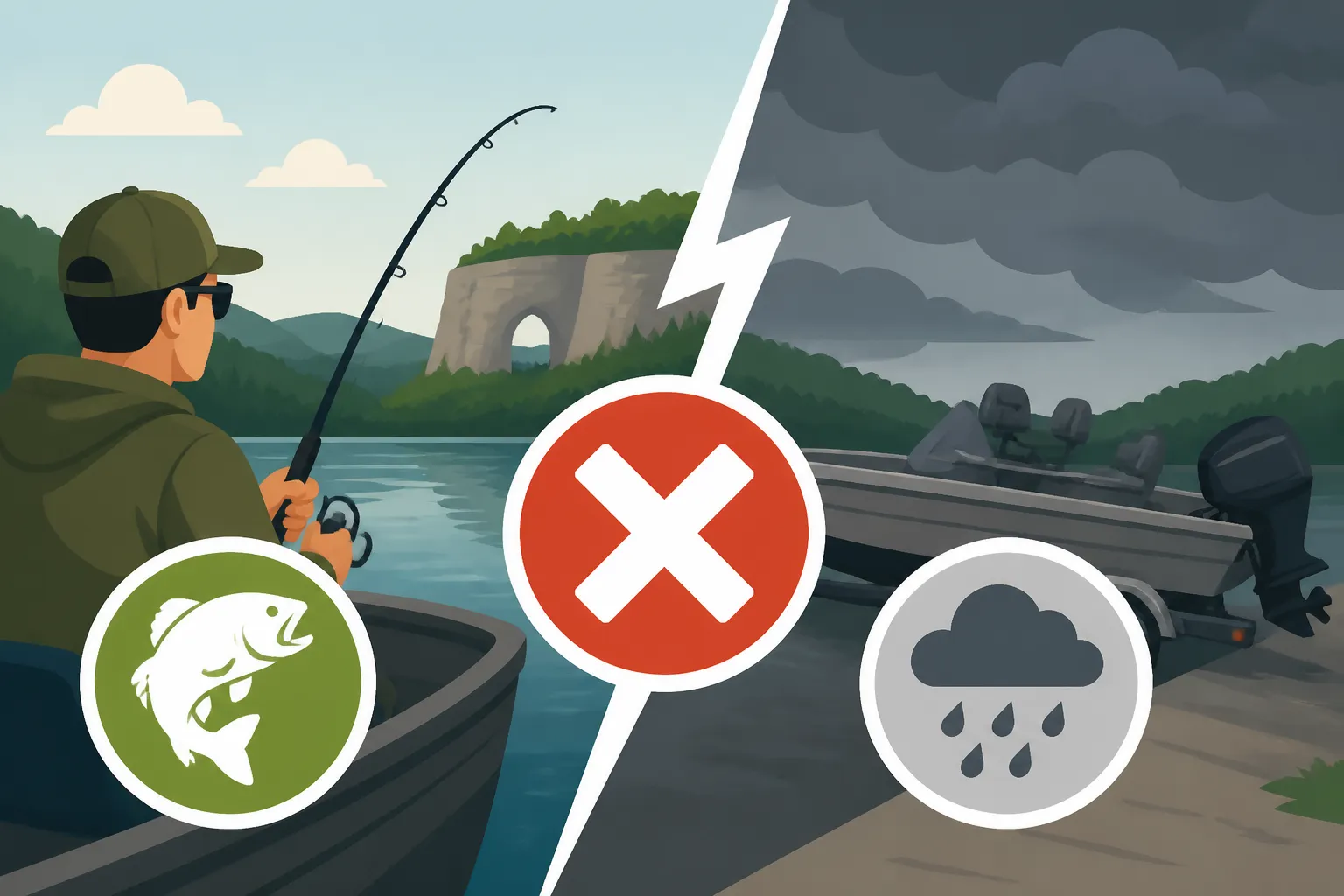
- Weather-Related Decisions: While guides typically have a separate Weather Policies for White River Guide Trips that dictate if they cancel due to unsafe conditions, sometimes you might decide the forecast isn't what you signed up for. Maybe you booked a fly-fishing trip on a beautiful tailwater, but a sudden cold front or high winds make the idea of standing in the river less appealing. It's important to differentiate between a guide-initiated weather cancellation and your personal decision.
- Scheduling Snafus: Sometimes, it’s a simple mistake. A double-booked weekend, a misunderstanding about dates, or a forgotten family event can lead to a scramble to cancel.
Being prepared for these possibilities, even if you hope they never arise, is crucial. It starts with how you approach booking your trip in the first place.
The Power of Proactive Research and Asking the Right Questions
Before you even commit to a date or send over a deposit, you have an opportunity to understand what you're getting into. Many anglers, myself included, get swept up in the excitement of securing a guide and sometimes skim over the less-than-thrilling details. Don't make that mistake!
Always, always, always read the guide's cancellation policy. It might be on their website, in the booking confirmation email, or clearly stated by booking platforms like FishingBooker. If you can't find it, or if it seems vague, pick up the phone and ask. Seriously, do not hesitate to ask direct questions like:
- "What happens if I need to cancel the trip?"
- "Is my deposit refundable under any circumstances?"
- "What's the deadline for cancelling to avoid a penalty?"
- "What if the weather is bad, but not dangerous enough for you to cancel – can I reschedule?"
Understanding these details upfront is part of being an informed angler. It's also a great way to gauge the professionalism of a guide. A good guide will have a clear policy and be happy to explain it to you. For more guidance on choosing a reliable professional, check out How to Find a Reputable Fishing Guide in Arkansas.
Deciphering Cancellation Policies: Deposits, Refunds, and Rebooking Options
Once you've booked your trip, you've essentially entered into an agreement with your guide. This agreement typically includes a cancellation policy that outlines what happens financially if the trip doesn't go ahead as planned. These policies are designed to protect both the angler and the guide.
Understanding the Role of Deposits
Deposits are the bedrock of the guide service business. When a guide accepts your deposit, they are essentially taking that date off their calendar, turning away other potential clients who might have booked that slot. This "lost opportunity" is why deposits are often non-refundable or only partially refundable, especially within a certain timeframe.
- Non-Refundable Deposits: This is very common. A guide may require a percentage of the total trip cost as a non-refundable deposit. If you cancel, regardless of the reason or how far in advance, you forfeit this amount. The guide keeps it to compensate for the lost day of work.
- Partially Refundable Deposits: Less common but sometimes seen. A guide might offer a partial refund of the deposit if you cancel far enough in advance (e.g., 60 days or more). This offers a little more flexibility but still acknowledges the guide's time and effort.
- Fully Refundable Deposits: Extremely rare for angler-initiated cancellations, unless you cancel almost immediately after booking (within 24-48 hours) or if the guide explicitly states a very generous policy. Usually, a full refund of your deposit only occurs if the guide has to cancel the trip due to unforeseen circumstances (like mechanical failure, illness, or unsafe weather).
For many guided trips, like a White River 8-Hour Guided Trout Trip Cost in Arkansas, the deposit can be a significant portion of the total, so knowing its status is vital.
The Critical Role of Timelines and Penalties
Cancellation policies almost always revolve around a timeline. The closer you are to your trip date, the less flexibility you'll generally have, and the higher the financial penalty might be. This is because it becomes increasingly difficult for a guide to fill that slot with another client on short notice.
Here’s a general breakdown of how timelines often work, though individual policies vary widely:
- 30 Days or More in Advance: Many guides will offer a full refund of any payment made beyond the initial non-refundable deposit if you cancel with this much notice. Some might even refund a portion of the deposit or offer a full credit. This is your best-case scenario.
- 7 to 30 Days in Advance: This is often the tricky zone. You'll almost certainly forfeit your deposit. Some guides might charge an additional cancellation fee or a percentage of the remaining balance, especially if they have a hard time rebooking the date.
- Less Than 7 Days (or 48 Hours) in Advance: At this point, you're likely to lose your entire deposit, and you could potentially be charged the full amount of the trip. The guide has likely already prepared gear, checked conditions, and definitively blocked out that time. A last-minute cancellation is a significant financial hit for them.
- No-Show: If you simply don't show up for your trip, expect to be charged the full amount. There's almost never any wiggle room for a no-show.
It's also worth noting that specific trip types might have different windows. For example, a multi-day package for a Full-Day vs Half-Day White River Trout Trips: Which to Book in Arkansas or a specialized trophy hunt might have a longer cancellation window than a standard half-day excursion. You can see a general overview of typical scenarios below, but remember, every guide is different.
| Scenario | Common Policy Expectation | What You Might Expect |
|---|---|---|
| Guide Cancels (Weather/Emergency) | Full refund or reschedule | You typically get a choice: full refund of all payments made, or an immediate opportunity to reschedule without penalty. |
| Angler Cancels >30 Days Out | Forfeit deposit, refund remaining | You'll likely lose your initial deposit. Any additional payments beyond that deposit are usually refunded. |
| Angler Cancels 7-30 Days Out | Forfeit deposit, potential partial charge | Your deposit is almost certainly gone. Some guides may charge an additional percentage of the trip cost if they can't rebook. |
| Angler Cancels <7 Days Out | Forfeit deposit, likely full trip charge | It's common to lose your deposit and be responsible for the full trip cost. |
| No-Show for Trip | Full trip charge | You will almost always be charged for the entire trip, as the guide completely lost that day of income. |
Exploring Rebooking and Rescheduling Options
Sometimes, cancellation isn't the only answer. Many guides would prefer to keep you as a client and will offer rebooking or rescheduling options, especially if you give them ample notice. This is a win-win: the guide doesn't lose a client, and you don't lose all your money.
- Flexibility with Notice: The more notice you provide, the higher the chance of successfully rescheduling your trip without penalty. If you call two months out, there’s a much better chance they can move your booking. If you call two days out, it's far less likely they'll have an open slot or be willing to move you without a fee.
- Credit for Future Trips: Some guides might offer you a credit for the deposit paid, to be used towards a future trip within a certain timeframe (e.g., 12 months). This is a great compromise, especially if you know you want to fish with them eventually.
- Impact of Seasonality: Trying to reschedule a prime spring Arkansas Bass Spawn Timing by Water Temperature trip or a fall Best Time of Year for Rainbow Trout Fishing in Arkansas weekend on the White River might be harder than finding an open slot in the middle of winter. Peak seasons mean guides are often fully booked. Consider if your new availability aligns with their off-peak times.
When discussing rescheduling, be polite and open to their suggestions. Remember that they are running a business, and while they want to accommodate you, they also need to protect their income. You might find a guide through a platform like FishingBooker that has a flexible rebooking policy baked into their terms. Don't forget to ask about options for Booking a Guide Trip as a Holiday Gift in Arkansas if you're looking for an alternative way to utilize a credit or rebooked trip for someone else.
Navigating Communication and Potential Disputes
When the inevitable happens and you need to cancel, how you communicate and handle the situation can significantly impact the outcome. Clear, timely, and polite communication is always your best strategy.
The Golden Rule: Communicate Early and Clearly
As soon as you even suspect you might need to cancel, reach out to your guide. Seriously, don't put it off. Every extra day of notice you can provide increases your chances of a more favorable outcome, whether that's a partial refund, a credit, or a smooth reschedule.
- Phone Call First, Follow Up with Email: A phone call is often the most direct and personal way to communicate, allowing for a real conversation. However, always follow up with an email summarizing your conversation. This creates a written record, which can be invaluable if there's any misunderstanding later.
- Be Honest and Polite: Explain your situation clearly and concisely. You don't need to overshare personal details, but a brief, honest explanation often fosters empathy. Politeness goes a long way, even if you're feeling frustrated. Remember, the guide didn't cause your emergency, and they're also facing a loss of income.
- Reference Your Agreement: When communicating, you might politely reference the cancellation policy you discussed or read. This shows you're informed and serious about resolving the issue according to the agreed-upon terms.
What to Do If You Disagree with a Policy or Outcome
Sometimes, despite your best efforts, you might feel a guide's application of their policy is unfair, or there's a misunderstanding. This can be tough, as emotions often run high.
- Review All Documentation: First, go back and read every piece of information you have: the guide's website, your booking confirmation, any emails exchanged, and the specific Arkansas Fishing Guide Deposits and Cancellation Policies you agreed to. Was the policy clearly stated? Did you miss something?
- Re-Engage Politely: If you still believe there's an error or room for discussion, reach out to the guide again, calmly and politely. State your case, referencing the policy and your understanding. Avoid accusatory language; instead, focus on finding a mutually agreeable solution. For example, if your guide cancelled due to borderline weather, you might revisit What Happens If It Rains on Your Guided Trip in Arkansas? to understand how their specific policy applies.
- Involve the Booking Platform (If Applicable): If you booked through a third-party service like FishingBooker, they often have customer service teams that can mediate disputes. These platforms have a vested interest in customer satisfaction and maintaining a good reputation for their guides, so they might be able to help find a resolution. They'll typically review both sides of the story and the agreed-upon terms.
- Consider Trip Insurance: For larger, more expensive trips, especially those involving significant travel, trip insurance can be a lifesaver. This insurance, purchased separately from your guide booking, can cover your losses (including non-refundable deposits and travel costs) if you have to cancel for a covered reason (e.g., illness, family emergency, certain weather events). It’s an extra cost, but it provides peace of mind, particularly if you're flying in for a specific adventure or if the Average Cost of a Fishing Guide in Arkansas for your chosen trip is substantial.
Understanding Your License Requirements During Rescheduling
While not directly related to cancellation fees, it's good to remember your Do You Need an Arkansas Fishing License for a Guided Trip?. If you reschedule your trip for a much later date, make sure your license will still be valid. Arkansas fishing licenses are typically valid for a calendar year from the date of purchase, but it's always wise to double-check, especially if your rescheduled trip falls into a new licensing year.
Cancelling a guided fishing trip is never ideal, but by understanding the policies, communicating effectively, and exploring all your options, you can navigate the situation with minimal stress and hopefully, preserve your plans for a future Arkansas angling adventure.
Disclaimer
This article is for general informational purposes only and does not constitute professional advice. Laws, prices and regulations vary by location and change over time. Consult a qualified professional for guidance on your specific situation.