Striped Bass Fishing at Arkansas’s Norfork Lake
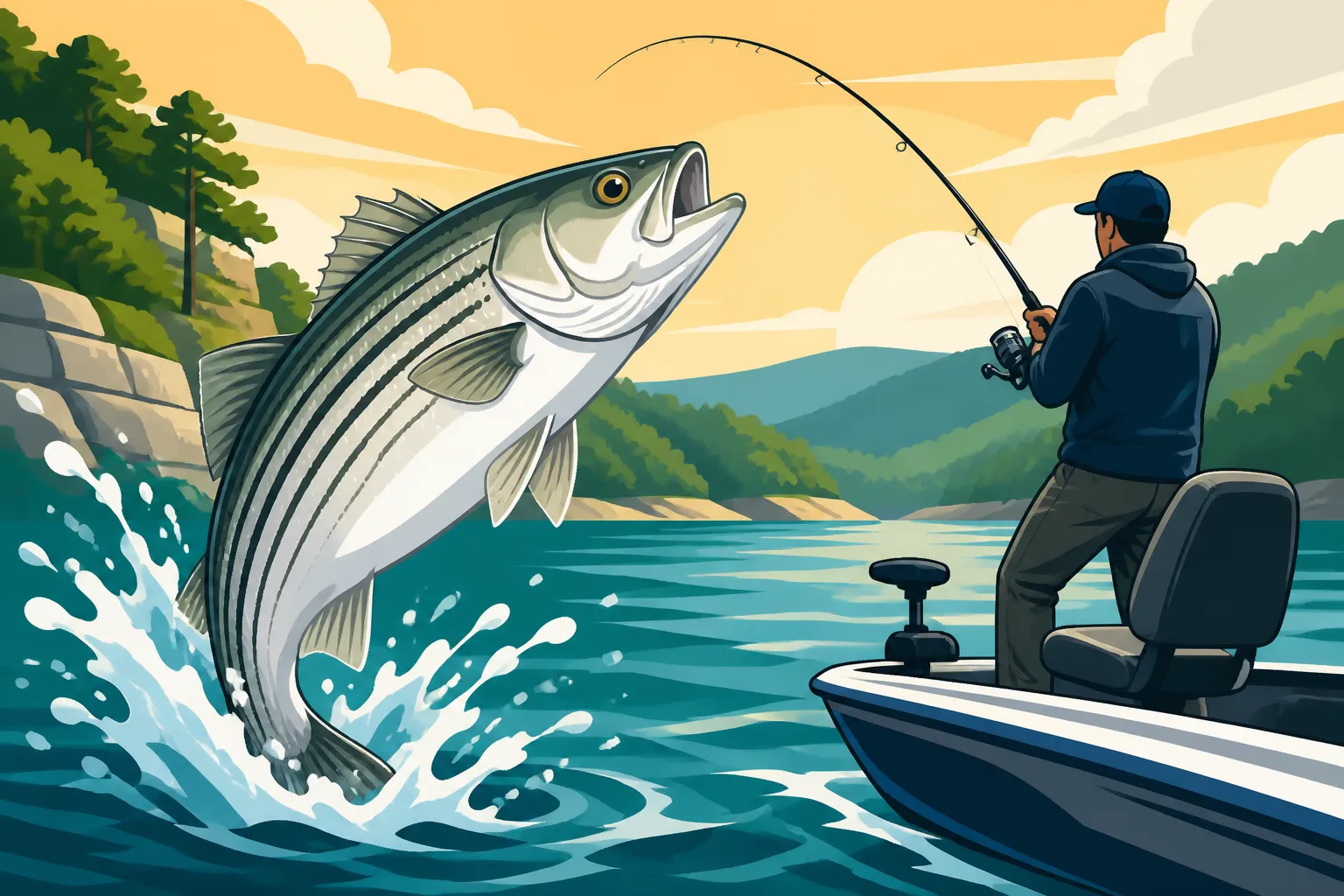
There's nothing quite like the rush of a big striped bass ripping line from your reel, especially when you're on a magnificent lake like Norfork. For many anglers, the thought of tackling these powerful freshwater giants can feel a bit overwhelming, wondering how to even begin deciphering such a vast, deep fishery. This comprehensive guide is here to demystify striped bass fishing at Arkansas's Norfork Lake, offering you the insights and strategies you need to turn those dreams of trophy stripers into a thrilling reality.
Norfork Lake: A Trophy Striped Bass Haven
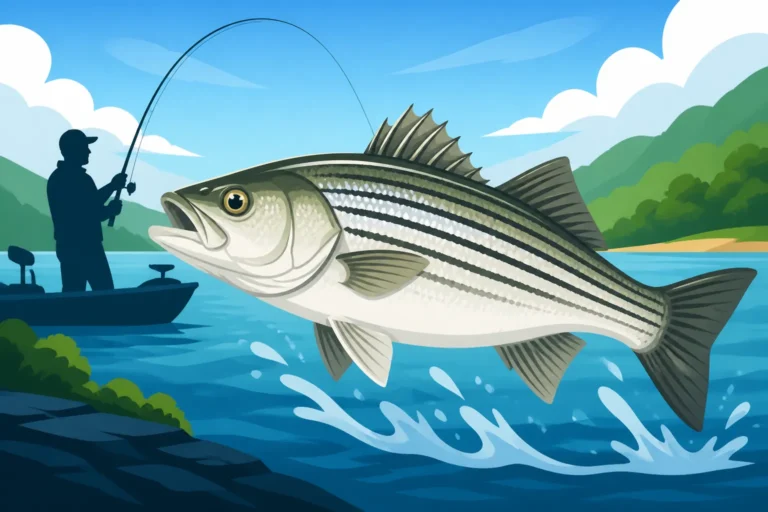
Norfork Lake, nestled in the scenic Ozark Mountains, isn't just another pretty body of water; it's a legendary destination for anglers seeking trophy-sized striped bass. This massive reservoir, with its impressive depth and crystal-clear waters, creates an ideal environment for stripers to grow to incredible sizes, offering a challenge and a reward unlike many other fisheries in the state. Understanding the unique characteristics of Norfork Lake is the first step in successfully targeting these formidable fish.
The Deep, Clear Waters of Norfork
One of the most striking features of Norfork Lake is its sheer depth and clarity. Unlike some of the shallower, murkier lakes you might encounter, Norfork boasts deep channels, dramatic bluffs, and extensive underwater structure. This deep, clear water contributes significantly to the health and size of its striped bass population. Stripers, being powerful predators, thrive in environments where they can roam vast stretches of water, chasing baitfish in open expanses or ambushing them around submerged timber and rock formations. The clarity of the water often means you'll need to adjust your approach, perhaps using lighter lines or more subtle presentations, as the fish can be more wary in such transparent conditions. However, this also means spectacular views if you're lucky enough to spot a school of baitfish or stripers on your sonar.
Why Stripers Thrive Here
The reason Norfork Lake has earned its reputation as one of Arkansas's premier striped bass fisheries boils down to a perfect storm of environmental factors. Firstly, the lake's extensive forage base, primarily threadfin and gizzard shad, provides an abundant and consistent food supply for growing stripers. These baitfish schools move throughout the lake, and the stripers follow them, creating dynamic and ever-changing fishing opportunities. Secondly, the cold, oxygen-rich waters of Norfork's deeper sections offer the ideal habitat for stripers, especially during the warmer months when other species might become lethargic. This thermal refuge allows them to remain active and feed aggressively year-round. Lastly, careful management by the Arkansas Game and Fish Commission ensures that the striper population remains healthy and sustainable, with stocking programs complementing natural reproduction to maintain a robust fishery. It’s this combination of ample food, perfect habitat, and diligent management that allows Norfork Lake to consistently produce the Trophy Striped Bass Fishing in Arkansas anglers dream about.
Understanding Norfork's Unique Ecosystem
Norfork Lake's ecosystem is a complex web, and appreciating its intricacies can greatly improve your fishing success. Beyond the stripers and their primary forage, the lake is also home to other game fish like black bass, crappie, and walleye, creating a diverse fishing experience. The lake's irregular shoreline, punctuated by countless coves, points, and humps, offers an array of structures that fish utilize at different times of the year. The presence of submerged timber, particularly in the upper reaches of the lake and in deeper channels, provides critical ambush points and cover for both baitfish and predators. Understanding how water temperature, oxygen levels, and baitfish movements interact within this ecosystem is crucial. Stripers are constantly on the move, chasing those schools of shad, and being able to "read the water" – whether through sonar or by observing surface activity – will be your biggest asset. Keep an eye out for diving birds or surface boils; these are often tell-tale signs of feeding stripers below.
Unlocking Norfork's Seasonal Striper Secrets
Just like any other fish, striped bass on Norfork Lake follow distinct seasonal patterns. Their behavior, feeding habits, and location shift dramatically from spring to winter, dictated by water temperature, baitfish movements, and spawning instincts. Knowing these seasonal secrets is key to being in the right place at the right time.
Spring Migration and Pre-Spawn Frenzy
As the cold grip of winter loosens and water temperatures begin to climb into the 50s and 60s, Norfork's striped bass kick into high gear. This is the pre-spawn period, characterized by a major migration into the shallower, warmer creek arms and tributary rivers, particularly the North Fork River arm, seeking warmer water and the abundant baitfish that also move into these areas. During this time, stripers are incredibly aggressive, feeding heavily to build energy for the upcoming spawn. You'll often find them cruising points, flats, and channel swings near these creek mouths. This is an exciting time for anglers, as the fish are active and can be caught using a variety of methods, from casting large swimbaits and topwater plugs to trolling umbrella rigs or live bait. The fish might be scattered but they are looking for a meal, and if you can find the bait, you're likely to find the stripers.
Summer's Deepwater Hideouts
When the scorching Arkansas summer arrives, and surface water temperatures soar, Norfork's striped bass undergo a significant shift. They retreat from the shallow, warm waters and seek refuge in the lake's deeper, cooler, and more oxygenated zones. This often means they'll be found in the main lake basin, congregating around thermoclines, deep points, ledges, and submerged humps. Finding the right depth is paramount during summer; sometimes they'll be suspended over deep water, other times they'll be tight to structure. This is when your electronics become absolutely essential for locating schools of stripers and the baitfish they are chasing. Techniques shift towards deep-water presentations like downrigging with large baits, vertical jigging, or slow-trolling live bait such as gizzard shad. Early morning and late evening bites can still occur closer to the surface, especially near points or brush piles where stripers might push bait up. Anglers who master these deep-water tactics during the hot months are consistently rewarded with some of the biggest fish of the year. For more insights on seasonal patterns, check out Best Time of Year for Striped Bass Fishing at Norfork Lake.
Fall Feasting and Winter Holds
As autumn's cool air sweeps across the Ozarks and water temperatures begin their gradual descent, Norfork's striped bass enter another period of intense feeding. This fall frenzy is legendary, as stripers gorge themselves in preparation for winter. They become more active across a wider range of depths, often chasing baitfish to the surface in spectacular feeding boils. You'll find them moving into creek arms and main lake coves, particularly where baitfish are abundant. Trolling shallow-running crankbaits, casting topwater lures, or using live bait are all highly effective methods. This is often considered one of the most exciting times to fish for stripers on Norfork, with aggressive surface action and powerful fights. As winter progresses and water temperatures drop further, the stripers will generally move back to deeper, more stable environments, often congregating in large schools in the main lake's deeper channels, near the dam, or around major creek junctions. They become more lethargic, but they still need to feed. Vertical jigging or slow-trolling large live baits in these deeper areas can still be very productive.
Mastering Striped Bass Fishing Techniques on Norfork
Striped bass are powerful, intelligent fish, and catching them consistently on a lake as large and complex as Norfork requires a diverse set of techniques. From covering vast expanses of water to making precise presentations, having a few tricks up your sleeve will significantly increase your odds of success.
Trolling for Titans
Trolling is perhaps the most popular and often the most effective method for consistently catching striped bass on Norfork Lake, especially when trying to locate scattered schools or cover a lot of water. It involves dragging lures or bait behind a slow-moving boat, allowing you to present your offering at specific depths and speeds. For big Norfork stripers, anglers often use large, deep-diving crankbaits that imitate shad, umbrella rigs with multiple lures, or specialized trolling spoons. During the summer, downriggers are almost essential for getting baits down to the depths where stripers are holding, often 30 to 60 feet or even deeper. In cooler months, you might troll shallower, along points and creek channels. The key is to match your lure size and color to the prevailing baitfish and adjust your depth and speed until you find what triggers a strike. Experimentation is crucial, as what worked yesterday might not work today. This method can be incredibly rewarding, especially when that rod bends over and you realize you’ve hooked into a true Norfork giant.
Live Bait Tactics for Aggressive Strikes
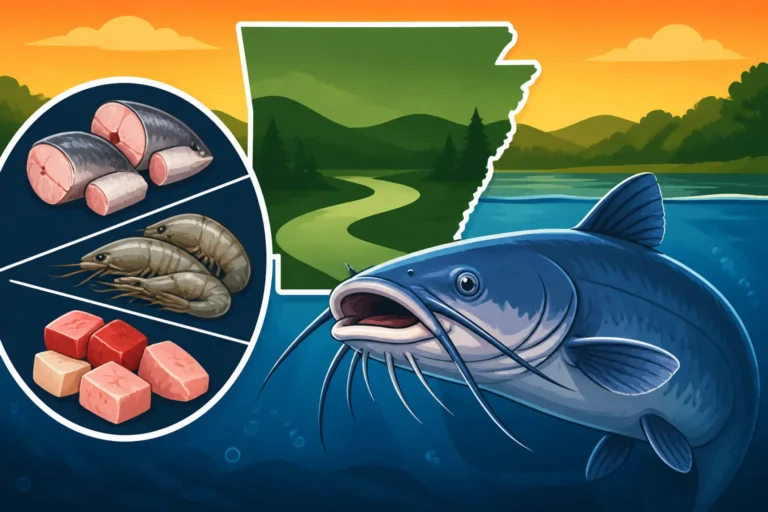
There's something undeniable about the effectiveness of live bait when it comes to tempting big striped bass. Nothing quite mimics the natural movement and scent of a struggling shad. On Norfork, live gizzard shad are the undisputed kings of bait. Anglers will often spend time before a fishing trip catching their own shad with a cast net, keeping them alive in a well-aerated bait tank. Once you've located stripers, either by observation or with your sonar, you can present live shad in a variety of ways. Free-lining them behind the boat with little to no weight allows them to swim naturally, covering a good column of water. Using a balloon or bobber can keep them at a specific depth or allow them to drift over structure. When stripers are holding deeper, using an egg sinker or a three-way swivel rig to get your live bait down to their level can be incredibly effective. Always ensure your hooks are sharp and strong enough to handle the power of a striper. Remember, for more on bait specifics, check out Best Bait for Striped Bass in Arkansas.
Jigging and Downrigging for Deepwater Success
When stripers move into their deep-water haunts, especially in summer or winter, vertical jigging and downrigging become indispensable techniques. Vertical jigging involves dropping heavy jigs or spoons directly over schools of fish you've located on your electronics and then working them up and down to entice a strike. This can be a very active and engaging way to fish, requiring a good feel for your lure and the ability to detect subtle bites. Large spoons, bucktail jigs, or soft plastics with heavy lead heads are popular choices. Downrigging, as mentioned before, allows you to precisely control the depth of your lure or live bait. It's a method that takes some specialized equipment but opens up a whole new dimension of deep-water fishing. You attach your fishing line to a clip on a weighted cannonball, which is then lowered to your desired depth. When a fish strikes, the line pops free from the clip, allowing you to fight the fish directly without the weight. This is particularly effective when stripers are suspended over vast open water or holding tight to a specific contour.
Essential Gear and Tackle for Norfork Stripers
Tackling Norfork's striped bass isn't for the faint of heart, or for flimsy gear. These fish are renowned for their incredible power and stamina, and they will test every piece of equipment you own. Investing in the right rods, reels, lines, and lures is crucial for not only landing these giants but also for having an enjoyable and frustration-free experience. Don't let a snapped line or a bent hook be the reason you lose that fish of a lifetime!
Rods, Reels, and Line Built for Battle
For Norfork stripers, you need serious horsepower in your setup. Look for heavy to medium-heavy action rods, typically in the 7 to 8-foot range, capable of handling large lures and powerful fish. Graphite composites or fiberglass rods with a good backbone and a moderate taper are excellent choices, providing both strength and the necessary give to absorb powerful runs. Spinning reels or baitcasting reels with high line capacity and a smooth, strong drag system are essential. Don't skimp on the drag, as a jerky or weak drag is a recipe for disaster with a big striper. Reels in the 4000-6000 size for spinning or comparable baitcasting models are a good starting point.
When it comes to line, braided line is a popular choice for its incredible strength-to-diameter ratio, sensitivity, and lack of stretch, which aids in solid hooksets. A 30 to 50-pound test braid is common. Many anglers will then tie a 20 to 30-pound fluorocarbon leader to the braid, offering better abrasion resistance and a nearly invisible presentation in Norfork's clear waters. Monofilament in heavier tests (20-30lb) can also be effective, offering more stretch which can sometimes prevent hooks from pulling out. You can find robust options for all these components on Amazon.
| Gear Type | Key Features for Stripers | Common Sizes/Strengths | Why It Matters |
|---|---|---|---|
| Rod | Heavy to Medium-Heavy Action, Strong Backbone | 7-8 feet | Handles large lures, powerful fights, solid hooksets. |
| Reel | High Line Capacity, Smooth/Strong Drag | Spinning 4000-6000, Baitcasting comparable | Prevents line breaks, allows long runs, reduces fatigue. |
| Main Line | High Strength, Low Stretch (Braid), or Moderate Stretch (Mono) | Braid 30-50 lb, Mono 20-30 lb | Critical for fight control and sensitivity. |
| Leader | Abrasion Resistant, Low Visibility | Fluorocarbon 20-30 lb | Protects main line, less visible to wary fish. |
Lure and Bait Selection that Gets Bites
Your tackle box for Norfork stripers should be well-stocked with a variety of offerings. For trolling, large deep-diving crankbaits from brands like Rapala or Bomber are often productive. Look for patterns that mimic shad or other baitfish in the lake. Umbrella rigs, which present multiple baits at once, can be incredibly effective, especially when stripers are feeding aggressively. For jigging, heavy spoons (like a ¾ oz to 2 oz Spoon) and bucktail jigs with soft plastic trailers are staples. When casting, consider big topwater plugs, swimbaits, and even large jerkbaits, particularly during the spring and fall when stripers are feeding closer to the surface. And, of course, live bait—gizzard shad are king, but large shiners can also work in a pinch. Having a variety allows you to adapt to changing conditions and fish preferences. Don't be afraid to experiment with different colors and retrieve speeds until you find what the fish are keying in on that day. You can often find a good selection of these on Amazon to stock up before your trip.
Navigational Electronics: Your Secret Weapon
On a lake as vast and deep as Norfork, navigational electronics aren't just a luxury; they're almost a necessity for consistently finding striped bass. A good fishfinder with high-resolution sonar, down imaging, and side imaging capabilities will be your most valuable tool. These systems allow you to clearly see baitfish schools, individual stripers, and underwater structure that might hold them. Learning to interpret these readings is a skill in itself, but it's a game-changer. GPS is equally important for marking productive spots, tracking your trolling paths, and safely navigating the lake, especially in low light or foggy conditions. Many anglers also utilize mapping chips that provide detailed contours and underwater features, helping them pinpoint prime striper habitat. Don't underestimate the power of these tools; they can significantly cut down the time you spend searching and increase the time you spend fishing.
Planning Your Ultimate Norfork Striper Adventure
Embarking on a striped bass fishing trip to Norfork Lake is an adventure in itself. Proper planning, from considering a guide to understanding access and regulations, will ensure your trip is not only successful but also safe and enjoyable. There are many variables to consider, and a little foresight goes a long way.
Hiring a Local Guide: An Invaluable Investment
For many anglers, especially those new to Norfork Lake or to striper fishing, hiring a local fishing guide is one of the smartest investments you can make. Norfork is a massive, complex body of water, and its striped bass can be notoriously challenging to locate. A seasoned guide brings years of experience, intimate knowledge of the lake's ever-changing patterns, and specialized equipment that you might not have. They know where the fish are holding, what bait they're biting, and the techniques that are working right now. A guide will not only put you on fish but also teach you invaluable skills and insights that you can apply to future trips. Consider it a fast-track education in Norfork striper fishing. While there's a cost involved, the value of the knowledge gained and the increased chance of catching trophy fish often far outweighs it. You can often find reputable guides by searching for Norfork Lake Striper Guide Trips in Arkansas.
Best Times and Access Points
The "best" time to fish Norfork for stripers really depends on what kind of experience you're seeking. As we discussed, spring and fall offer aggressive surface action and powerful fights. Summer transitions to a deep-water game, requiring more specialized techniques but often yielding some of the largest fish. Winter can be tough, but large schools of lethargic fish can be found with patience and the right electronics. Generally, early mornings and late evenings are prime times, regardless of the season, as stripers are often most active during these low-light periods.
Norfork Lake offers numerous public access points, boat ramps, and marinas around its extensive shoreline. Popular access areas include Quarry Marina, Cranfield, Jordan Marina, and many others, providing good launching facilities and proximity to excellent fishing grounds. Familiarize yourself with the lake map before your trip to identify the best launch points for the areas you plan to fish. Always check local conditions and ramp availability, especially during peak seasons or after heavy rains.
Safety on the Water and Regulations to Know
Safety should always be your top priority when fishing on a large lake like Norfork. The weather in the Ozarks can change rapidly, with sudden thunderstorms and high winds appearing quickly. Always check the forecast before heading out and be prepared to seek shelter if conditions deteriorate. Ensure your boat has all required safety equipment, including life jackets for everyone on board, a throwable flotation device, a fire extinguisher, and a sounding device. Inform someone of your float plan, including where you're going and when you expect to return.
Beyond safety, it's crucial to be aware of and abide by all Arkansas fishing regulations. This includes having the correct Arkansas Fishing License Rules and Costs and any necessary permits. Pay close attention to daily limits, length limits, and any specific regulations for striped bass on Norfork Lake, as these can vary. Always measure your fish carefully and release any that don't meet the legal requirements. Understanding these rules ensures you're fishing legally and contributing to the conservation of this incredible fishery for future generations. For information on specific regulations like the New Possession Limit Rule for Arkansas Anglers, ensure you check the latest guide from the Arkansas Game and Fish Commission.
Disclaimer
This article is for general informational purposes only and does not constitute professional advice. Laws, prices and regulations vary by location and change over time. Consult a qualified professional for guidance on your specific situation.