How to Cast a Fly Rod for Beginners
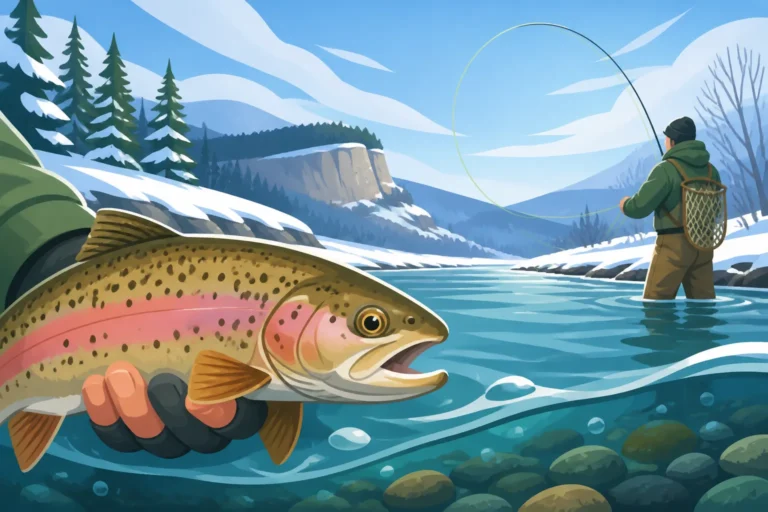
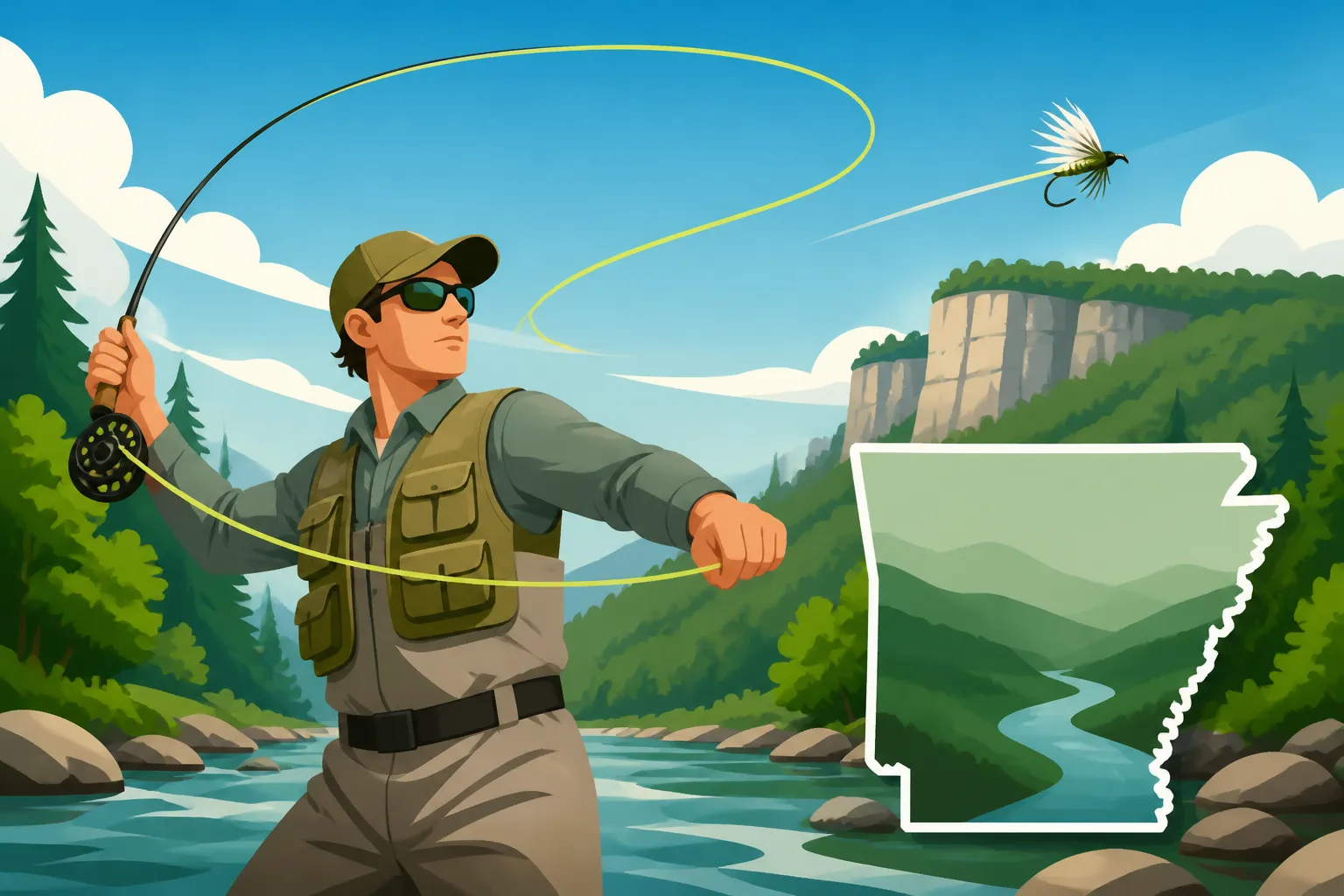
Oh, the fly rod. It looks so graceful when you watch someone effortlessly lay out a perfect loop on the water, doesn't it? But then you pick one up, and suddenly you feel like you’re trying to lasso a wild mustang with a wet noodle. Don't worry, you're not alone! Many aspiring anglers feel intimidated by the unique rhythm and technique required for fly casting, but it's a skill absolutely anyone can learn with a bit of patience and understanding. This guide is here to break down the fundamentals of how to cast a fly rod for beginners, stripping away the mystery and helping you build a solid foundation for countless hours of enjoyment on the water, perhaps even on the famous White River.
Understanding the Basics of Fly Casting
Before we even talk about specific movements, it’s crucial to wrap your head around what makes fly fishing fundamentally different from other types of angling you might be familiar with. This isn't just a fancy way to catch fish; it's an entirely different approach that demands a unique casting motion.
The Difference Between Fly Fishing and Spin Fishing
If you've spent any time with a spinning rod or baitcaster, you're used to throwing a lure or bait that has weight. You whip that lure out there, and its weight carries your thin fishing line with it. The rod acts like a spring, launching the heavy object. Fly fishing turns this concept on its head. In fly fishing, the "lure" – the fly itself – is virtually weightless. Think about it: a tiny artificial insect made of feathers and thread weighs next to nothing. So, how do you get it out to where the fish are?
The answer lies in the line itself. With fly casting, you're not casting the fly; you're casting the weight of the fly line. Fly lines are much thicker and heavier than monofilament or braided lines used in spin fishing. It's this heavy line that you load the rod with, creating momentum to propel your fly forward. The rod, in turn, acts more like a lever, bending and straightening to efficiently transfer that energy into the fly line. This distinction is paramount, as understanding it will help you grasp why the casting motion feels so different and why timing is everything. You're painting with the line, not slinging a pebble.
Essential Gear for Your First Cast
You don't need the most expensive gear to learn, but having the right basic setup can make a world of difference in your learning curve. A balanced outfit will feel much more natural and forgiving as you develop your technique. Starting with a rod and reel combo that matches well is a smart move.
First, you'll need a fly rod. For beginners, a medium-action rod in a 5-weight or 6-weight is often recommended. These weights are versatile enough for many common Arkansas species like bass, bluegill, and even smaller trout, and the medium action is more forgiving than a fast-action rod, which demands more precise timing. A 9-foot length is standard and a good all-around choice. Next, you’ll need a fly reel. For most freshwater fishing, the reel primarily serves to hold your line and retrieve fish; it’s not heavily involved in the casting process itself. A simple, single-action click-and-pawl reel is often sufficient. Ensure it's balanced with your rod – when assembled, the setup should feel comfortable in your hand without feeling tip-heavy or butt-heavy.
The fly line is perhaps the most critical component for casting. It needs to match your rod's weight designation (e.g., a 5-weight line for a 5-weight rod). A weight-forward (WF) floating line is the standard choice for most freshwater applications and is ideal for learning. It has a heavier front section that helps load the rod easily. After the fly line, you'll attach a leader, which is a tapered piece of monofilament or fluorocarbon that connects the thick fly line to your tiny fly. The taper helps transfer energy smoothly from the heavy line to the almost invisible tippet. Finally, the tippet is a fine section of line tied to the end of your leader, to which you'll tie your fly. Many beginner fly fishing setups, available conveniently on platforms like Amazon, come as complete kits, taking the guesswork out of matching components. Having your gear properly assembled and balanced is the first step toward a successful cast. If you're looking to gear up, checking out a guide on the Best Beginner Fly Fishing Setup for Trout might offer some great insights.
Breaking Down the Overhead Cast (The Foundation)
The overhead cast is the bread and butter of fly fishing. Master this, and you’ll have the foundation for almost every other cast in the book. It’s all about creating smooth, controlled acceleration and deceleration to make the line dance in the air.
The "10 to 2" Principle and Grip
Let's start with your grip and arm movement. Imagine your rod tip as the hour hand on a clock face. For most of your casting motion, you want to keep your rod tip within the "10 o'clock to 2 o'clock" range. This short, controlled stroke is often the hardest part for beginners to internalize because it feels counterintuitive to the big, sweeping motions of spin casting. The power doesn't come from a huge arm swing; it comes from a quick, crisp flick of the wrist and forearm, leveraging the rod's flex. Too wide a stroke, and your line will form wide, inefficient loops or even tangle into a mess behind you.
Your grip on the rod should be firm but relaxed, typically with your thumb on top of the cork handle, pointed straight up the rod. This "thumb-on-top" grip gives you more control and helps you apply precise pressure to the rod. Some prefer a "V-grip" where the thumb and forefinger form a V, but the thumb-on-top is a great starting point. Your elbow should remain close to your body, acting as a pivot point, minimizing extraneous arm movement. Think of your forearm and wrist as the primary movers within that 10 to 2 arc. The aim is to make the rod do the work, bending and unbending with minimal effort from you.
The Pickup and Back Cast
Every cast begins with the line already out on the water, or at least extended in front of you. The "pickup" is your first move, lifting the line off the water with a smooth, slow upward sweep. You want to generate enough momentum to get the line moving without splashing too much. As the line comes off the water, it transitions directly into your back cast. This is where the magic really starts to happen.
From your starting position (rod low, near the water), initiate the back cast by smoothly accelerating the rod tip backward. Remember the "10 to 2" principle. You're not swinging your arm all the way behind you like a baseball pitcher. Instead, it’s a controlled, accelerating movement that stops abruptly when your rod tip reaches approximately the 1 o'clock or 2 o'clock position, sometimes even a little further back depending on how much line you have out and your desired power. The sudden stop is crucial; it "loads" the rod, causing it to bend back and flick the line rearward. Think of it like cracking a whip. The line shoots behind you, forming a beautiful, tight loop. During this entire motion, your eyes should follow the line, observing its flight. You should feel the weight of the line as the rod loads. This "feel" is what many experienced anglers talk about; it's how you know you're getting the timing right. You need to allow the line enough time to unroll fully behind you before you initiate your forward cast. This pause, often called the "waiting game," is one of the most common stumbling blocks for beginners.
The Forward Cast and Presentation
Once your line has unfurled completely behind you, forming that tight back loop, it's time for the forward cast. This is where that crucial "waiting game" comes in – don't rush it! Wait until you feel the line straighten out behind you, almost pulling on your rod. Then, with a smooth, accelerating motion, drive the rod forward. Again, the "10 to 2" principle applies, or slightly beyond, aiming for roughly the 10 o'clock or 11 o'clock position. It’s an acceleration to an abrupt stop, just like the back cast. This sudden stop unloads the rod, propelling the line forward over the water.
The goal of the forward cast is to create a tight, narrow loop that unrolls gracefully, carrying your fly to its target. A "wide loop" often means you stopped your rod too slowly or too high, while a "tailing loop" (where the fly tangles in the line) typically means you rushed your forward cast or applied too much power too early. As the line extends in front of you, follow through with your rod tip, guiding the fly to your desired spot on the water. Just before the fly hits the water, gently lower your rod tip, allowing the fly to settle softly, minimizing splash and creating a natural presentation. This gentle presentation is especially important when targeting wary fish like trout on the White River. If you're curious about different techniques for these fish, consider reading up on How to Nymph Fish for Trout or How to Dry Fly Fish for Trout.
Common Beginner Mistakes and How to Fix Them
Learning to fly cast is a journey, and like any journey, you'll hit some bumps in the road. Knowing what those bumps are ahead of time can help you correct them faster and prevent frustration.
Rushing Your Cast
This is, hands down, the number one mistake I see beginners make. We're often so eager to get that fly out on the water that we forget the line needs time to do its thing. Think about it: when you stop the rod on your back cast, the line flies backward, right? It needs a moment to fully extend and straighten out behind you before you can bring it forward again. If you rush the forward cast before the back cast has fully unrolled, your line will crash into itself, creating a tangled mess (often called a "wind knot" or "tangle"). It's like trying to pull a rope that's still coiled up behind you – it just won't work efficiently.
The fix for this is simple, yet takes conscious effort: pause. After you stop your rod on the back cast, count "one Mississippi, two Mississippi" in your head. Feel the line pull taut behind you. You might even turn your head slightly to glance at the line's unrolling motion. That moment when the line straightens out behind you, that's your cue to initiate the forward cast. This deliberate pause will feel awkward at first, especially if you're used to the quick motion of spin casting, but it will dramatically improve your loops and reduce tangles. Patience truly is a virtue in fly casting.
"Throwing" the Rod vs. Letting the Rod Do the Work
Another huge pitfall for new casters is trying to "throw" the line with their arm, muscling the cast, rather than letting the rod's flex and recoil do the work. Remember, the power comes from the rod bending and springing back, not from your shoulder. When you over-muscle the cast, you often end up with a wide, uncontrolled loop, or worse, you "break your wrist" on the forward cast, sending your fly line crashing into the ground in front of you. This is frustrating because it feels like you're putting in a lot of effort for very little reward.
To correct this, focus on a more compact, wrist-and-forearm-driven stroke. Keep your elbow relatively close to your side and think of it as a hinge. The majority of the movement should come from your forearm, with a crisp snap of the wrist at the end of both the back and forward strokes. Imagine you're trying to hammer a nail into a wall in front of you – it's a quick, precise flick. Practice without a fly attached at first, just focusing on feeling the rod load and unload. You should feel the weight of the line. The rod's job is to store and release energy, and your job is to create that flex. If you find yourself struggling, watching videos of experienced casters can help visualize the subtle movements. Or, if you’re fishing in Arkansas, consider booking a guided trip to get some in-person tips, especially for the nuanced techniques on rivers like the White River. Guides who offer White River Fishing Guides: Arkansas's Trout Fishing Capital often provide casting instruction as part of their service.
Timing Your Cast
The rhythm of fly casting is perhaps the most elusive aspect for beginners. It’s not just about stopping the rod; it’s about when you stop it, how quickly you accelerate, and how long you pause. Each cast has its own tempo, which can change based on the amount of line you're casting, the wind conditions, and even the type of fly you're using. If your timing is off, you'll notice it immediately: weak casts, tangled lines, or a fly that just plops onto the water.
The key to developing good timing is to feel the line. As you accelerate the rod backward, you'll feel the line "pull" as it stretches out behind you. This is the weight of the line loading the rod. That feeling is your signal to stop the back cast sharply. Similarly, on the forward cast, you'll wait until the line has fully unrolled behind you before accelerating forward. It's a continuous loop of energy transfer, with crisp stops at the beginning and end of each stroke. One helpful drill is to close your eyes (carefully, in an open space without hazards!) and just focus on the sensation of the line pulling on the rod. Listen to the "whoosh" of the line. Practice this rhythm repeatedly, even on dry land, until it becomes second nature. It's like learning to dance; you have to feel the music.
Practice Makes Perfect: Drills and Tips
You won't become a master caster overnight, and that's perfectly okay. Consistency and deliberate practice are far more valuable than trying to rush perfection. Break down your practice into manageable steps, and celebrate every small improvement.
Dry Land Practice
You don't even need to be near water to get started! In fact, dry land practice is an excellent way to build muscle memory and understand the mechanics without the distractions of water or the fear of snagging a fly. All you really need is your fly rod, reel, and line, and a decent-sized open space like a backyard or a local park.
Instead of a fly, tie a piece of yarn or brightly colored string to the end of your leader. This acts as a visual substitute for the fly and is much safer to cast around people or objects. Focus solely on your casting stroke: the 10 to 2 principle, the crisp stops, and the pause between the back and forward casts. Watch how your loop forms. A good cast will produce a tight, narrow loop that unrolls smoothly. If your loop is wide and floppy, chances are you're not stopping crisply enough or you're using too much arm. If the yarn is smacking the ground behind you, you're probably rushing your forward cast. Practice extending and retrieving a specific amount of line. Try to make the yarn land in the same spot repeatedly. This repetition, without the added complexity of managing a fishing scenario, will engrain the fundamental movements into your muscle memory. This is a foundational step, much like the advice you'd find in Fly Fishing Techniques for Beginners.
Adding the Leader and Fly (Safely)
Once you're comfortable with the dry land practice and consistently forming good loops with your yarn, it's time to graduate to a real leader and fly. However, safety first! Flies have sharp hooks, so always be mindful of your surroundings and any bystanders. If you're practicing near water, ensure you have plenty of clear space.
Start with a larger, more visible fly, like a foam popper or a weighted streamer. These are easier to see and feel in the air. Focus on replicating the same smooth, controlled casts you achieved with the yarn. Observe how the fly lands on the water. Does it plop loudly, or does it settle gently? A gentle presentation is crucial, especially when fishing for sensitive trout species in clear waters. Try to aim for specific targets, like a lily pad or a ripple on the water, to improve your accuracy. Don't worry about catching fish at this stage; just concentrate on consistent, accurate casting. Practice casting at different distances, from short five-foot casts to longer twenty-foot casts. This will help you understand how to adjust your power and timing for various situations. Eventually, you’ll be ready to apply these skills to places like the famed Norfork Tailwater in Arkansas, known for its challenging yet rewarding trout fishing.
Seek Professional Guidance
While this guide offers a solid starting point, nothing beats personalized instruction from an experienced fly casting instructor or guide. They can observe your specific casting quirks and offer immediate, tailored feedback that a book or video simply can't provide. Even a single hour with a good instructor can iron out months of self-taught bad habits.
Local fly shops are fantastic resources for finding instructors or signing up for beginner casting clinics. Many fly shops in areas known for fly fishing, like those near the White River in Arkansas, offer these services. You might also consider booking a half-day or full-day guided trip with a focus on instruction rather than just fishing. Many Arkansas Fishing Guides and Charters: The Complete Booking Guide are happy to spend time teaching beginners the ropes. They can teach you not only the mechanics of casting but also essential skills like reading the water, choosing the right flies (like those discussed in Best Fly Patterns for Tailwater Trout), and understanding fish behavior. Investing in a little professional guidance can accelerate your learning curve exponentially and save you a lot of frustration in the long run. Plus, it's a great way to learn about the specific fishing spots in Arkansas!
Here’s a quick summary of common casting problems and how to troubleshoot them:
| Problem | Symptom | Common Cause | Solution |
|---|---|---|---|
| Wide/Open Loop | Line forms a large "U" shape in the air | Stopping the rod too softly or too high on the back/forward cast | Quicker, more crisp stop; keep rod in "10 to 2" arc; use more wrist |
| Tailing Loop / Wind Knot | Fly/leader catches on the fly line; line tangles | Rushing the forward cast; pushing power too early on forward stroke | Pause longer on the back cast; smooth acceleration, then crisp stop |
| Line Splashes on Water (Pickup) | Loud "plop" when lifting line | Too fast/jerky pickup from the water | Smooth, slow, consistent acceleration on the pickup |
| Weak/Short Cast | Line doesn't go far, lacks power | Not loading the rod enough; lack of acceleration/crisp stop | Accelerate smoothly through the stroke; sharper stop to load rod effectively |
| Rod Tip "Dips" on Back Cast | Line falls behind you before forward cast | Not stopping rod high enough on the back cast | Stop rod firmly at 1-2 o'clock position; maintain high rod tip |
Fly casting is an art form, a dance, and a practical skill all rolled into one. It takes time, patience, and a willingness to learn from your mistakes. But with these fundamental techniques and a bit of practice, you’ll be well on your way to gracefully presenting flies and enjoying the unique challenges and rewards of fly fishing in Arkansas.
Disclaimer
This article is for general informational purposes only and does not constitute professional advice. Laws, prices and regulations vary by location and change over time. Consult a qualified professional for guidance on your specific situation.