How to Fish at Dusk for Crappie
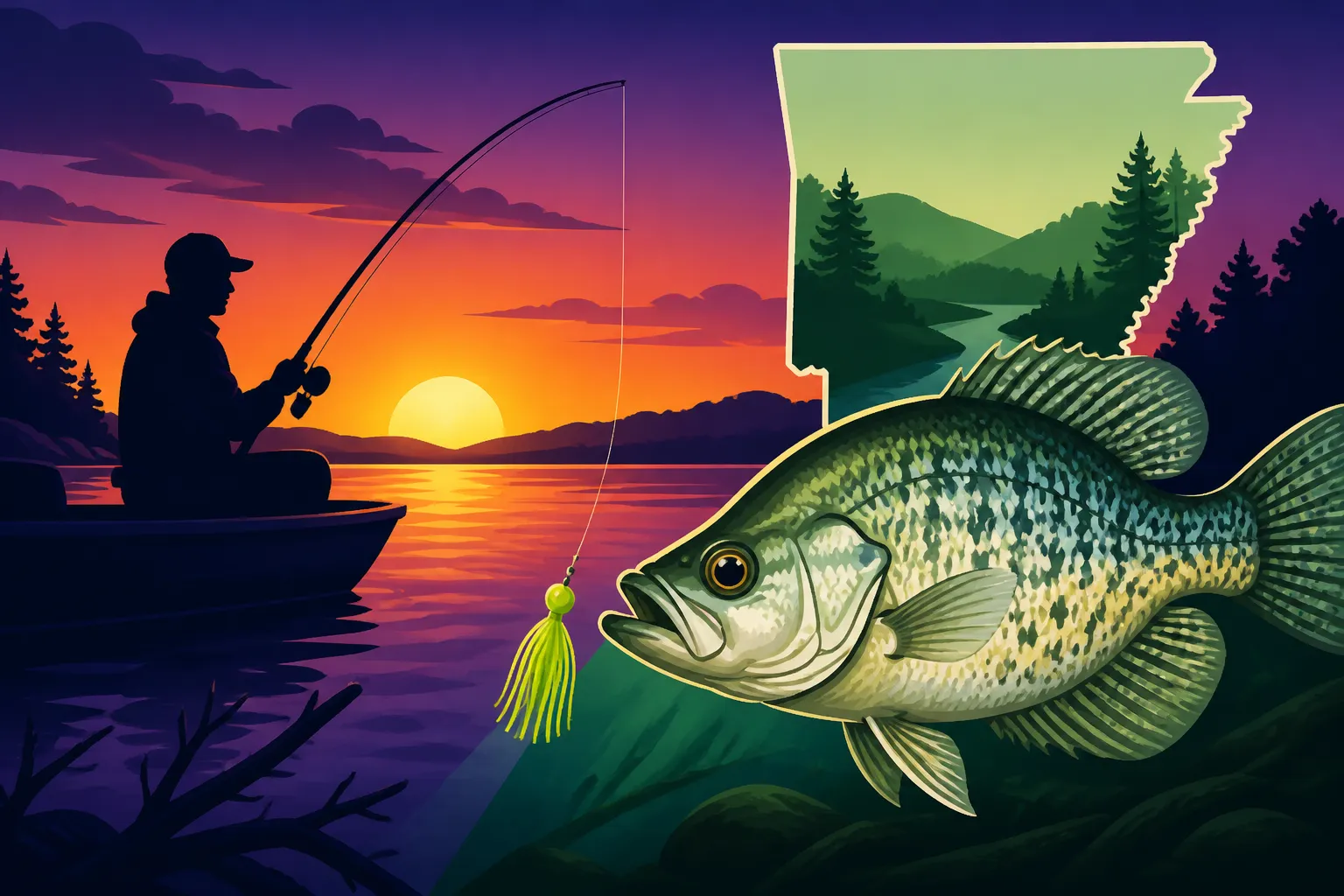
You've probably been out on the water during the bright, scorching Arkansas sun, casting for crappie, only to find them spooky and deep, refusing to bite. It's a common frustration, making you wonder if you're doing something wrong. But often, it's not you; it's the time of day. This comprehensive guide will show you exactly how to pivot your strategy and effectively fish for crappie at dusk, unlocking a whole new world of angling success as the sun dips below the horizon in our beautiful Natural State.
Why Dusk is Prime Time for Crappie in Arkansas
Crappie, those speckled beauties we all love to catch, are notoriously finicky during the brightest parts of the day. They often retreat to the deepest, darkest cover, making them a challenge to locate and tempt. But as the sun begins its descent, a magical transformation happens on Arkansas lakes and rivers, creating a prime window of opportunity for the savvy angler. It's a shift in their behavior that you can absolutely capitalize on.
The Crappie's Daily Rhythm and Low Light Advantage
Crappie are masters of adaptation, and their daily routine is heavily influenced by light conditions. During the intense midday sun, their large, sensitive eyes make them seek refuge in deeper waters or dense cover. Think about it: they're like us trying to read a book in blinding sunlight; it's just not comfortable. This is why you often find them tucked away in brush piles, under docks, or suspended over submerged creek channels during the brightest hours. Many anglers spend frustrating hours trying to coax them out of these deep-water retreats, often with limited success. It feels like you're playing hide-and-seek, and the crappie are always winning.
However, as dusk approaches, the intensity of the light dramatically decreases, and crappie feel much more comfortable moving out of their daytime sanctuaries. This is their cue to begin their active feeding period. They'll start migrating from those deeper, darker haunts towards shallower structures where baitfish and insects become more active. This movement makes them far more accessible and willing to strike. It's like the crappie equivalent of heading to the dinner table after a long nap. The low light gives them a distinct advantage over their prey, allowing them to ambush minnows and other small creatures more effectively without the risk of being easily spotted by larger predators like bass or catfish. Understanding this fundamental behavioral shift is the first step to becoming a successful dusk crappie angler.
Water Temperature and Insect Activity Shifts
Beyond just light, the cooling temperatures and increased insect activity that come with dusk also play a crucial role in bringing crappie to the bite. As the sun dips, the surface water, especially in the shallower areas, begins to cool down. While the change might seem subtle to us, it can be a significant trigger for crappie. Warmer, stagnant water can make fish lethargic, but that evening cool-down invigorates them, making them more inclined to move and feed. This is especially true after a hot summer day in places like Lake Conway or Lake Ouachita, where the water warms significantly throughout the day. The slight drop in temperature in the evening can be just what they need to get active.
Additionally, dusk brings with it a surge in insect activity. If you've ever fished an Arkansas evening, you know the mosquitos and gnats come out in full force. While annoying to us, these tiny insects attract smaller baitfish to the surface, creating a buzzing buffet. Crappie, being opportunistic feeders, quickly take notice. They'll move into shallower coves, around lighted docks, or near weed lines to capitalize on these feeding opportunities. You might even see them dimpling the surface as they feed. This insect-driven food chain creates a fantastic opportunity for anglers, as the crappie are actively pursuing prey in more accessible areas. So, while you're swatting away a mosquito, remember that those little pests are actually helping you catch fish! It's a nuanced interplay of nature that makes Crappie Fishing Season Guide so exciting and productive, particularly during those twilight hours.
Essential Gear and Setup for Dusk Crappie Fishing
Fishing at dusk, while incredibly rewarding, does require a slight adjustment to your gear and setup compared to daytime fishing. Because visibility is reduced and crappie can be more tentative, having the right tools can make all the difference between a few missed bites and a cooler full of fish. You want gear that enhances your sensitivity and gives you an edge in the dimming light.
Rods, Reels, and Line Choices
When you're fishing for crappie at dusk, sensitivity is king. Those subtle taps and delicate bites are much harder to detect when you can't see your line or a bobber as clearly. That's why ultralight or light action spinning rods, typically between 6 to 9 feet in length, are your best friends. A longer rod, like a 7 or 8-footer, gives you a bit more casting distance, which can be crucial for reaching those crappie that might be just beyond the cover without spooking them with your boat or casting too close. It also helps with line control and hooksets. Look for a rod with a fast or extra-fast tip that allows you to feel even the slightest nibble. For reels, a small spinning reel in the 500 to 1000 size range is perfect. These reels are lightweight, balance well with ultralight rods, and allow for smooth, controlled retrieves. You can find excellent options for these setups on platforms like Amazon, offering a wide variety to suit any budget or preference.
As for line, keep it light and subtle. Four to six-pound test monofilament or fluorocarbon is ideal. Monofilament has a bit more stretch, which can be forgiving on delicate crappie mouths, and it's generally more visible in low light. Fluorocarbon, on the other hand, is nearly invisible underwater, offers less stretch for increased sensitivity, and sinks quickly. The choice often comes down to personal preference, but many anglers prefer a clear or low-visibility green monofilament for evening crappie. The key is to use a line that's strong enough to handle a decent crappie but light enough to not spook them and to allow for maximum lure action. Remember, crappie have excellent vision, even in low light, so a heavy, thick line can be a real deterrent. This is also where knowing your knots really pays off; you don't want a trophy crappie breaking off because of a weak connection. For more specific guidance on different fishing lines, you might want to read up on various Crappie Jigging Basics for Beginners as they often highlight optimal line choices.
Lure Selection for Low Light Conditions
Choosing the right lure for dusk crappie fishing isn't just about color; it's about action, profile, and sometimes, even scent. As the light fades, crappie often rely more on vibrations and silhouettes, but certain colors can still make a huge difference, especially in stained water. Small jigs, typically 1/32 to 1/16 ounce, are universally popular. Colors like chartreuse, white, black, or combinations thereof (like black and chartreuse) are incredibly effective in low light. Black creates a strong silhouette against the dim sky, while chartreuse and white offer high contrast and visibility. Don't overlook glow-in-the-dark jigs, especially if you're fishing into true darkness. A quick charge with a flashlight can make these irresistible.
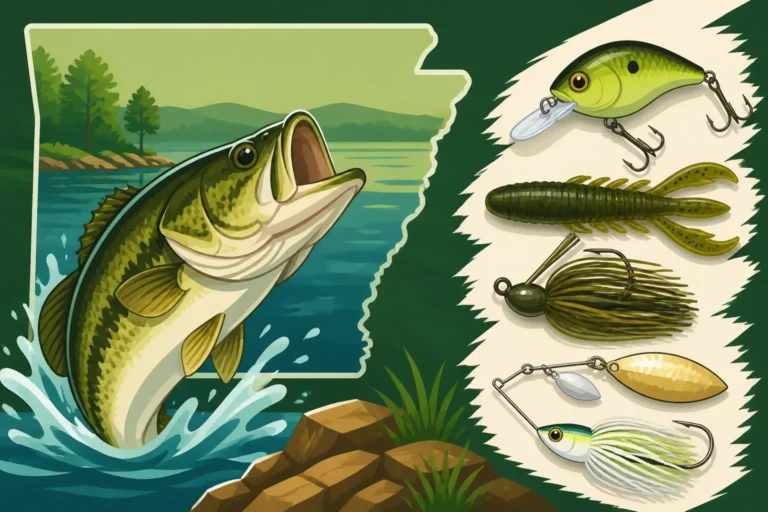
Live bait, especially minnows, remains a top choice for crappie, day or night. A small minnow hooked through the lip or back and suspended under a slip bobber is deadly. Crickets can also work, especially for panfish that might be mixed in with the crappie. The advantage of live bait is its natural movement and scent, which can be irresistible to crappie that might be hesitant to strike an artificial lure. However, dealing with live bait in the dark can be a bit challenging, so many anglers prefer the convenience of jigs. Small crankbaits or spinnerbaits, fished slowly, can also trigger aggressive crappie strikes, particularly if you're on a lake known for active fish like Lake Ouachita. The flash and vibration can be excellent attractors in the dim light. It's often a good idea to experiment with different options until you find what the crappie prefer on any given evening. For a deep dive into specific colors that work best, check out What Colors Work Best for Crappie Jigs in Arkansas.
Here's a quick comparison of common crappie lures for dusk fishing:
| Lure Type | Best Use Case | Pros | Cons |
|---|---|---|---|
| Small Jigs | Versatile for casting, vertical jigging, or under a bobber | Wide range of colors/sizes, scent compatible, great action for profile | Can be snagged easily in heavy cover, sometimes require frequent re-tying |
| Live Minnows | Under a slip bobber or tightlined | Natural movement/scent, highly effective for finicky crappie | Require special storage, can be messy, harder to manage in the dark |
| Small Crankbaits | Covering water quickly, targeting active fish | Good vibration and flash, can attract aggressive crappie | Less subtle, might spook finicky fish, more prone to snagging |
| Small Spinnerbaits | Fishing around light cover or open water | Good flash and vibration, can be retrieved slowly | Limited depth control compared to jigs, less effective for vertical fishing |
| Glow Jigs | True night fishing, very low light | Highly visible to crappie, unique attraction | Requires "charging" with light, limited color options |
Lighting and Safety Gear
Fishing into dusk and beyond naturally means you'll be operating in low light or complete darkness. This isn't just about being able to see what you're doing, but also about safety, especially if you're on the water in a boat. A reliable headlamp is absolutely non-negotiable. Look for one with a red light option. Red light preserves your night vision much better than white light, which can temporarily blind you to the dark surroundings when you switch it off. This is crucial for tying knots, unhooking fish, and navigating your boat or shoreline. You can find excellent, durable headlamps on Amazon, often with multiple light settings.
If you're fishing from a boat, ensure all your navigational lights are in perfect working order. This is not just a recommendation; it's a legal requirement and vital for preventing accidents. Consider adding a portable spotlight for identifying markers or distant shorelines. Beyond lighting, bug spray is a lifesaver in Arkansas. The evenings, especially during warmer months, can bring out a relentless swarm of mosquitos, gnats, and other flying pests. A good insect repellent can turn a miserable trip into an enjoyable one. Also, remember your PFDs (personal flotation devices). Even experienced anglers can get disoriented in the dark, and accidents can happen quickly. It's a simple, proactive step that ensures you'll make it home safely. Finally, bring a small first-aid kit, a fully charged cell phone, and let someone know your fishing plans and expected return time. There's nothing worse than getting a hook stuck in your finger in the dark without a way to deal with it, or worse, facing an emergency without communication.
Mastering Dusk Crappie Techniques in Arkansas Waters
Once you have your gear ready, it's time to talk strategy. Dusk crappie fishing isn't just about waiting for the light to fade; it's about understanding where crappie will be and how to present your lure to entice a strike in these specific conditions. It requires a blend of knowledge, patience, and adaptability.
Locating Prime Crappie Hangouts at Dusk
Finding crappie at dusk is often about targeting transition areas – places where they can easily move from their deep daytime cover to shallower feeding grounds. Think of it like a highway interchange for fish. Look for submerged timber, brush piles, bridge pilings, and docks. These structures offer cover and attract baitfish, making them natural crappie magnets. In lakes like Beaver Lake or Bull Shoals Lake, which are known for their abundant standing timber, fishing the edges of these submerged forests as the light fades can be incredibly productive. Crappie will often position themselves on the deeper side of these structures, waiting for the perfect moment to ambush unsuspecting baitfish moving into the shallows.
Another excellent target area is creek channels that lead to shallow flats or coves. Crappie will use these channels as highways to move from deeper water to their evening feeding zones. Pay close attention to any irregularities along these channels, such as bends, humps, or scattered brush. Docks, especially those with lights that illuminate the water, are fantastic evening spots. The lights attract insects, which in turn attract baitfish, and the crappie are usually not far behind. Imagine a school of minnows swarming under a dock light; it's a perfect meal for a hungry crappie. Knowing your chosen fishing spot during the day, identifying these structures, and marking them with your fish finder or a GPS unit will give you a significant advantage when the sun goes down. If you're struggling to locate them, remember that learning How to Find Crappie in Deep Water during the day can help you predict their evening movements.
Presentation Strategies for Spooky Fish
Crappie at dusk, while more active, can still be surprisingly spooky, especially if you're making too much noise or commotion. Stealth is paramount. When you're approaching a promising spot, do so quietly. If you're in a boat, use your trolling motor sparingly and gently, or better yet, drift into position. For bank anglers, approach the water's edge slowly and avoid heavy footsteps.
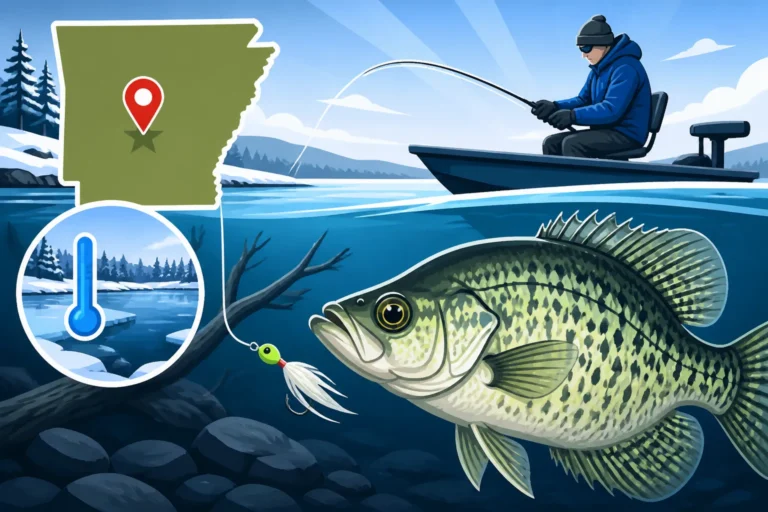
Once you're in position, your presentation needs to be subtle and enticing. Vertical jigging is incredibly effective, especially around brush piles or under docks. Drop your jig straight down to the desired depth and use a slow, subtle jigging motion. Think gentle lifts and drops, mimicking an injured minnow. Often, the bite will come on the fall, so pay close attention to your line. Slip bobber fishing is another fantastic technique, particularly if you're fishing live minnows or small jigs. Set your bobber stop to the depth where you anticipate crappie will be (often shallower than during the day) and cast it out. The bobber allows your bait to stay at a consistent depth, and crappie can simply swim up and grab it without feeling any resistance from your line. A very slow, steady retrieve with a small jig can also be deadly. Cast it out, let it sink, and then reel it in just fast enough to give the jig some action, pausing occasionally. The key is to be patient and observant. Those bites might be very light, feeling like a slight tick or just added weight on your line. Your highly sensitive ultralight rod will be critical here for detecting those faint strikes. To master the art of this, consider reviewing Crappie Jigging Basics for Beginners.
Adapting to Changing Light and Crappie Depth
One of the biggest challenges and opportunities with dusk crappie fishing is the constantly changing conditions as the light transitions from late afternoon to full darkness. Crappie depth and behavior will often shift during this period, and successful anglers are those who can adapt quickly. When the sun is still relatively high but fading, crappie might still be a bit deeper, perhaps 8-12 feet down, near the edges of cover. As the light continues to dim, and especially as it starts to get truly dark, they often move shallower, sometimes even to just a few feet below the surface, particularly if there's any artificial light present.
This means you need to be willing to experiment with your depth. Start by fishing shallower, perhaps 3-6 feet, and if you don't get bites, gradually work your way deeper. Conversely, if you're starting deeper and not finding them, try shallower presentations. Don't be afraid to change lure colors or sizes if one isn't working. Sometimes a switch from a white jig to a black one, or adding a bit of scent, can make all the difference. Maintaining a consistent retrieve speed, once you find what works, is crucial. Crappie often respond to a predictable, easy meal. The frustration of not knowing where the fish are hiding is real, but a systematic approach to depth and lure changes will often lead to success. Remember, even if you found them at a certain depth an hour ago, their behavior could have shifted. The art of crappie fishing at dusk is truly about being present, paying attention, and constantly fine-tuning your approach, especially when considering Best Time of Day to Catch Crappie versus other times.
Common Challenges and Troubleshooting for Dusk Fishing
While dusk crappie fishing offers incredible opportunities, it also comes with its own set of challenges. From battling relentless insects to navigating in low visibility, knowing how to anticipate and overcome these hurdles will make your evening trips far more enjoyable and productive.
Dealing with Mosquitos and Other Pests
Let's be honest, fishing in Arkansas during the warmer months, especially at dusk, often means sharing the bank or boat with a rather enthusiastic swarm of mosquitos, gnats, and other biting insects. This is arguably one of the biggest frustrations of evening fishing, turning what should be a peaceful outing into an itchy battle. While a good quality bug spray, like something from Cutter or OFF!, is your first line of defense, don't stop there. Consider wearing long-sleeved shirts and pants, even if it's warm. Lightweight, breathable fabrics can protect your skin without making you overheat. Many outdoor clothing brands offer insect-repellent treated apparel, which can be a game-changer.
For those serious about comfort, a portable mosquito repeller, such as a Thermacell device, can create a "bug-free zone" around your immediate area. These devices use a small mat that releases an insect repellent, effectively driving away mosquitos. If you're fishing from a boat, a small, battery-operated fan can also help keep flying insects at bay. The key is to be proactive. Slapping at bugs constantly distracts you from fishing and can spook crappie. Prepare for the bugs as much as you prepare for the fish, and your evening will be much more pleasant. It's a small investment in comfort that pays off big time when you're out there enjoying the quiet beauty of an Arkansas evening.
Navigating Low Light and Visibility Issues
Fishing in low light or darkness can be disorienting, and safety should always be your top priority. Even on familiar waters, features that are obvious in daylight can disappear into the shadows. If you're on a boat, a reliable fish finder with a bright, clear screen can be invaluable for identifying submerged structure, marking fish, and even helping with navigation back to the ramp. Many modern fish finders, like those from Humminbird or Garmin, have excellent low-light performance. If you're targeting specific spots like brush piles, consider dropping a marker buoy with a small light on it before it gets completely dark. This gives you a visual reference point that can make casting and positioning much easier.
Before you even launch, take a moment during daylight to thoroughly familiarize yourself with your chosen fishing spot and the route to and from the boat ramp or access point. Look for potential hazards like submerged stumps, shallow bars, or tricky turns. If you're fishing from the bank, make sure your path back to your vehicle is clear and well-lit. Nothing ruins a great fishing trip faster than a twisted ankle or getting lost in the dark. Always have your headlamp ready, and perhaps a backup flashlight. Having a fully charged phone with GPS capabilities can also be a lifesaver if you find yourself disoriented. The goal is to maximize your fishing time while minimizing any safety risks, making sure you can enjoy the peace of the evening without unnecessary stress.
Adjusting for Unpredictable Crappie Behavior
Even with the best gear and knowledge, crappie can sometimes be, well, crappie. They have a knack for being unpredictable, and there will be evenings when they just don't seem to bite. This is where patience, persistence, and a willingness to adapt become crucial. If you've tried your go-to lures and techniques at your favorite spots and still aren't getting any action, don't get discouraged. It's time to troubleshoot.
First, consider changing your lure. If you've been using a chartreuse jig, try a white one, or a black one, or even switch to a live minnow. Sometimes a change in profile or color is all it takes. Next, adjust your depth. If they're not hitting shallow, try deeper. If they're not hitting deep, go shallower. Crappie can suspend at various depths, and finding that "strike zone" is key. Also, experiment with your retrieve speed. Sometimes a super slow, almost imperceptible retrieve is best; other times, a slightly faster jigging motion might trigger a reaction strike. If all else fails, don't be afraid to move to a new spot. Sometimes, just a short distance away, the crappie might be more active. Remember, Arkansas offers a plethora of amazing crappie fishing opportunities, and knowing How many crappie can you keep per day on most Arkansas lakes means you want to maximize your chances! While the statewide crappie minimum length is Crappie Must Be 9 Inches or Longer to Keep in Arkansas, and some lakes have different limits, the underlying challenge is often just getting them to bite in the first place. The most successful anglers are those who are willing to continually experiment and adapt until they crack the code for that particular evening.
Disclaimer
The information provided in this guide is for general informational purposes only. Fishing regulations, license requirements, and local conditions in Arkansas can change. Always check the latest regulations from the Arkansas Game and Fish Commission before heading out. Exercise caution and prioritize safety when fishing, especially in low light conditions.