How to Fish at Dawn for Bass
There's nothing quite like the feeling of the pre-dawn chill, the faint chirping of crickets fading as the first hint of light paints the eastern sky, and the promise of big bass stirring in the waters of an Arkansas lake or river. Too many anglers sleep through this magical window, missing out on some of the most productive and exhilarating bass fishing experiences. This guide will help you understand why dawn is a secret weapon for bass anglers and how to effectively capitalize on those prime early morning hours.
Why Dawn is Prime Time for Arkansas Bass Fishing
Anglers often lament slow fishing days, especially when the sun climbs high and the heat settles in. What many don't realize is that the conditions just before and after sunrise are fundamentally different and often far more favorable for bass activity. It’s not just about getting up early; it’s about understanding the biological and environmental factors at play.
Understanding the Early Morning Advantage
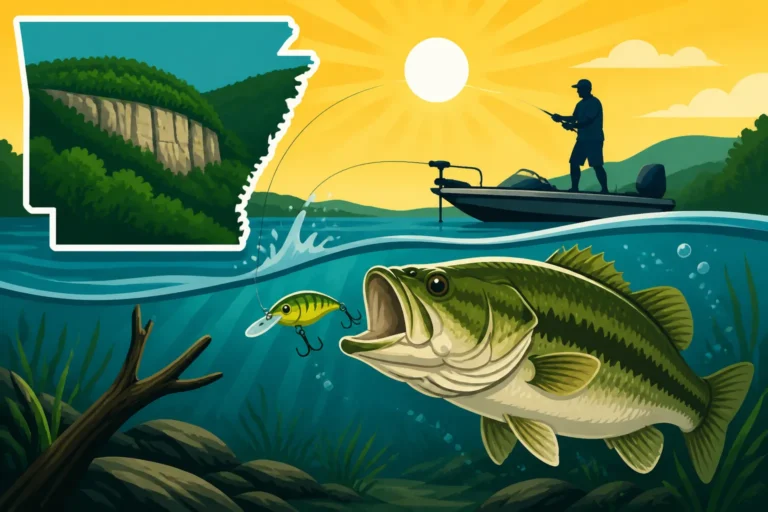
Bass, like many predatory fish, are ambush hunters. Their feeding habits are heavily influenced by light conditions, baitfish activity, and their natural instincts to conserve energy. As night transitions to day, a critical shift occurs. The low light offers bass a significant advantage over their prey, making them feel more secure to venture into shallower, more vulnerable areas where baitfish often gather. Imagine a trophy largemouth bass lurking just beneath the surface, its dark back camouflaged against the still-dark water, waiting for a unsuspecting shiner to dart by.
This early morning period is when bass are often at their most aggressive, having spent the night potentially resting or casually feeding in deeper, safer waters. They push shallow, seeking out breakfast and taking advantage of the fleeting moment of low light and cooler temperatures before the sun dictates a move to deeper, shadier cover. This is particularly true for larger, more experienced bass that have learned to avoid the midday pressures of bright sun and boat traffic. The quiet calm of dawn is their preferred hunting ground.
Water Temperature and Oxygen Levels
Beyond light conditions, water temperature and dissolved oxygen (DO) levels play a crucial role in bass behavior, especially in the early morning. Throughout the night, surface water temperatures tend to cool, often becoming more uniform throughout the water column, especially in shallower areas. As the sun begins to rise, it gradually starts warming the surface, but there’s a lag. This brief period of cooler water can increase the metabolic rate of baitfish, making them more active, which in turn signals to bass that it’s time to feed.
Furthermore, dissolved oxygen levels can be more stable or even slightly elevated in cooler morning waters, especially in areas with aquatic vegetation that has been "breathing" all night, releasing oxygen. While major fluctuations usually occur later in the day or after significant weather changes, the general trend is for more favorable oxygen levels at dawn, which keeps bass energetic and on the prowl. This is why you often hear experienced anglers talk about the "topwater bite" at dawn – cooler, stable water and low light create perfect conditions for bass to attack the surface. If you're looking to understand more about the best times to hit the water, you might find our guide on the Best Time of Day to Catch Bass particularly insightful.
Essential Gear for Dawn Bass Anglers
Approaching dawn bass fishing successfully isn't just about technique; it's also about having the right tools for the job. The low light and potentially aggressive strikes require specific gear considerations to maximize your chances and enjoyment.
Rods, Reels, and Line Choices
For early morning bass, versatility is often key, but so is power. You'll likely be throwing a mix of lures, from light topwaters to heavier spinnerbaits.
- Rods: A good 6'6" to 7' medium-heavy action casting rod is a fantastic all-around choice. This rod length provides excellent casting distance for covering water while maintaining the backbone to handle powerful bass in cover. For strictly topwater applications, a medium action rod with a slightly softer tip can enhance lure action and prevent tearing hooks out of a fish's mouth on a strike. Brands like St. Croix or Lew's offer excellent options for these conditions.
- Reels: Pair your casting rod with a high-quality baitcasting reel featuring a gear ratio around 7.1:1 or higher. This faster retrieve allows you to quickly pick up slack, especially crucial when a bass blows up on a topwater lure and charges toward you, or when you need to keep a spinnerbait moving at a brisk pace. For those who prefer spinning gear, a 3000-series reel with a smooth drag is ideal, especially if you're leaning more towards finesse techniques or lighter lures.
- Line: For most dawn bass fishing, braided line is a strong contender. Its lack of stretch provides excellent sensitivity for detecting subtle bites and superior hook-setting power. A 30-50 lb braid is standard. If you're concerned about visibility, especially with clear topwater lures, tie a 12-20 lb fluorocarbon leader. For anglers who prefer mono, a high-quality 14-20 lb monofilament line can be a good choice for topwaters as its buoyancy helps the lure stay on the surface. You can find a wide array of options, including leader materials, on platforms like Amazon, making it easy to prepare for your trip.
Lures and Baits That Shine at First Light
The low light of dawn is a topwater angler's paradise, but it's not the only game in town. Having a varied tackle box is crucial.
- Topwater Lures: These are your absolute must-haves. Walking baits (like a Heddon Super Spook or a Lucky Craft Sammy) create an enticing side-to-side walk-the-dog action that drives bass wild. Poppers (such as a Rebel Pop-R or a Rapala Skitter Pop) create splash and commotion, mimicking a struggling baitfish. Prop baits (like a Devil's Horse or a Torpedo) churn the surface, leaving a tempting trail. These lures capitalize on the bass's upward vision and aggressive feeding mood in low light. For more in-depth strategies, check out our guide on the Best Lures for Topwater Bass Fishing.
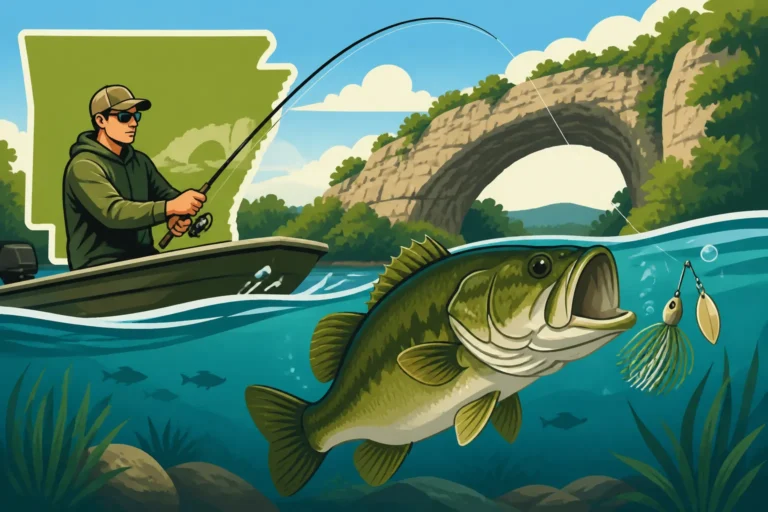
- Spinnerbaits and Chatterbaits: When bass aren't fully committing to topwater or when there's a slight chop on the water, spinnerbaits (with tandem willow leaf or Colorado blades) and chatterbaits (bladed jigs like a Z-Man ChatterBait) are phenomenal search baits. They create flash and vibration, calling bass from cover. White, chartreuse, or combinations of both are excellent color choices for dawn. These are especially effective around grass lines, submerged timber, or rocky points.
- Soft Plastics: Sometimes, bass will follow a topwater lure but refuse to strike, or the bite might be more subtle. This is when soft plastics shine. A weightless Texas-rigged Senko or a wacky-rigged worm provides a slower, more natural fall that can tempt finicky bass. Darker colors like black and blue, or natural shad patterns, tend to work well in low light. These can be fished in slightly deeper water adjacent to shallow cover or pitched directly into dense brush. Our article on How to Fish a Texas Rig for Bass offers excellent pointers for this versatile technique.
Must-Have Accessories for Low Light Conditions
Don't let the darkness catch you unprepared. A few key accessories will make your dawn fishing experience much smoother and safer.
- Headlamp: Absolutely essential for rigging tackle, tying knots, navigating to your spot, and even unhooking fish before the sun fully rises. Choose one with a red light option to preserve your night vision and avoid spooking fish.
- Polarized Sunglasses: Even at dawn, polarized lenses can cut through surface glare, helping you spot subtle underwater structure, dark spots that indicate cover, or even cruising fish as the light increases. Amber or yellow lenses are often preferred for low light conditions.
- Small Tackle Box or Bag: Keep your "dawn essentials" separate and easily accessible. Fumbling for lures in the dark can be frustrating and wastes precious fishing time.
- Warm Layers: Even on a summer day, pre-dawn can be quite cool, especially near the water. Dress in layers that you can easily shed as the day warms up. A good windbreaker is also a smart choice.
Mastering Dawn Bass Fishing Techniques
Once you're geared up and at your chosen spot on an Arkansas lake, it's time to put those early morning hours to work. The approach differs slightly from midday fishing, focusing on capitalizing on the bass's natural inclination to feed aggressively in low light.
Topwater Tactics for Explosive Strikes
There's truly nothing more exciting than a bass exploding on a topwater lure at dawn. It's a visual and auditory thrill that gets the adrenaline pumping.
- Walk-the-Dog: This is a classic topwater presentation. Cast your walking bait near cover (lily pads, submerged logs, boat docks, or even just open water where baitfish are popping). Let it sit for a few seconds to let the ripples disappear. Then, with a semi-slack line, twitch your rod tip downwards and slightly to the side, reeling in the slack as you do. This should make the lure dart side-to-side. Vary your retrieve speed and pause length. Sometimes fast and erratic works, other times long pauses are key. Remember, don't set the hook until you feel the fish, not just see the splash! Often, bass will miss the lure on the first try.
- Popping and Chugging: For poppers, cast them close to cover and let them sit. Then, give a sharp downward twitch of the rod tip, making the lure "pop" or "chug" water. Follow this with a pause, often longer than you think is necessary. Bass frequently hit poppers during the pause. Experiment with single pops, double pops, and varying pause durations until you find what triggers a strike. This technique is fantastic for targeting specific pieces of cover.
- Prop Bait Action: Prop baits are simpler to work. Cast and retrieve them steadily, allowing the props to churn the water surface. You can also incorporate short twitches and pauses. They are excellent for drawing attention in slightly choppier water or when bass seem to prefer a consistent, noisy presentation.
Covering Water with Spinnerbaits and Chatterbaits
When bass are scattered or you're unsure where they're holding, spinnerbaits and chatterbaits are your best friends. They allow you to cover a lot of water efficiently while still enticing strikes.
- Fan Casting: Start by fan casting around your boat or from the bank, covering a wide area. Vary your retrieve speed. Sometimes a fast retrieve with the spinnerbait bulging just under the surface will trigger reaction strikes. Other times, a slower roll, allowing the blades to thump, is more effective. The key is to experiment until you find the retrieve that the bass are responding to.
- Targeting Irregularities: Pay attention to any changes in depth, weed lines, rock piles, or submerged timber. These are prime ambush points. Cast your spinnerbait or chatterbait past these areas and retrieve it through them. The flash and vibration can draw bass out of thick cover that might ignore a topwater.
- Color Choices: While white and chartreuse are staples, don't be afraid to experiment with other colors, especially if the water is a bit stained. Black and blue can be surprisingly effective in low light or murky conditions. If you're looking for more general techniques for these lures, our guide on How to Fish a Spinnerbait for Bass provides deeper insights.
Finesse Approaches When Bass are Finicky
Even at dawn, bass can sometimes be surprisingly stubborn. If the aggressive topwater or reaction bite isn't happening, don't be afraid to slow down and go subtle.
- Wacky Rigged Worms: A weightless, wacky-rigged soft plastic worm (like a Yamamoto Senko or a Strike King Ocho) has an irresistible shimmy on the fall. Cast it near visible cover or deeper edges of shallow flats. Let it sink slowly on a slack line, watching for any twitch in your line – that's often a bite. Once it hits bottom, give it a subtle twitch or two, then let it fall again. This silent, natural presentation can tempt bass that are wary of faster-moving lures.
- Texas Rigged Soft Plastics: For fishing in heavier cover like dense lily pads, brush piles, or flooded timber, a Texas-rigged creature bait or worm is weedless and efficient. Use a small bullet weight (1/8 oz to 1/4 oz) to help it penetrate cover. Pitch or flip your Texas rig into openings in the cover, let it sink, then gently hop or drag it along the bottom. Many strikes will occur on the fall or as you lift the bait. This is a crucial technique for getting to bass hiding deep within structure.
- Small Swimbaits: Sometimes, a small paddle-tail swimbait on a light jig head can mimic a lone baitfish perfectly. Cast it and retrieve it slowly, just above the bottom or through the middle of the water column. This subtle presentation is great when bass are feeding on smaller forage or are not chasing larger, more aggressive lures.
Locating Bass in Arkansas Waters at Dawn
Finding bass at dawn in Arkansas requires an understanding of their typical movements and preferred habitats during this transitional period. Whether you're on a vast reservoir like Lake Ouachita or a smaller river, certain patterns tend to hold true.
Targeting Shallow Water and Cover
As mentioned, bass often move shallow under the cover of darkness and low light to feed. This makes shallow water the primary target zone at dawn.
- Woody Cover: Look for fallen trees, log jams, and standing timber, especially on lakes like Lake Conway near Little Rock or Lake Ouachita. Bass will use these structures for ambush points, waiting for baitfish to swim by. Cast your topwaters or spinnerbaits right into these snags, or pitch a Texas rig into the thickest parts.
- Aquatic Vegetation: Lily pads, hydrilla, and milfoil beds are bass magnets at dawn. These provide excellent cover for bass and are also havens for baitfish. Work the edges of these beds with topwaters, or punch through the thick stuff with heavy Texas rigs or jigs. Areas with lush green vegetation often hold higher oxygen levels and baitfish.
- Boat Docks and Piers: Don't overlook man-made structures. Docks provide overhead cover and shade (even in low light, they offer concealment) for bass. Skip a jig or a soft plastic under the docks, or run a topwater parallel to the edges. Some of the biggest bass in an area can often be found lurking under the darkest corners of these structures. Our comprehensive Best Fishing Spots in Arkansas guide can give you a starting point for exploring these kinds of areas.
Focusing on Transition Areas and Points
Bass are creatures of comfort, and they often use transition areas to move between deeper safety and shallower feeding grounds. Dawn is prime time to intercept them in these zones.
- Points: Submerged points that extend from the bank into deeper water are classic bass holding areas. Bass will often stage on the deeper end of the point and then move up onto the shallower portions to feed. Work your topwaters or spinnerbaits across the top and down the sides of these points.
- Drop-offs and Ledges: Look for areas where shallow flats abruptly drop off into deeper water. Bass will patrol these edges, darting up into the shallows to grab a meal. Cast parallel to these drop-offs with spinnerbaits or jigs, allowing your lure to fall down the ledge.
- Channel Swings: In rivers or reservoir arms, where the main channel swings close to the bank, these are excellent spots. The current creates natural scour lines and deeper pockets where bass can hold, moving up to the shallows as the sun rises. Consider checking out Greers Ferry Lake Bass Fishing Guide, Arkansas for examples of lakes with excellent channel swings and points.
Reading the Water for Signs of Activity
Beyond just looking for cover, actively observing the water can give you crucial clues about where bass are feeding.
- Baitfish Activity: Look for schools of baitfish (shad, shiners) flickering at the surface, especially near cover. If you see them jumping or scattering, it's a strong indicator that predators are nearby. Cast your lures into or around these distressed baitfish.
- Surface Commotion: Any splashes, swirls, or "blow-ups" on the surface are obvious signs of feeding bass. If you see a bass miss a baitfish or another topwater lure, cast your lure immediately to that spot.
- Bird Activity: Keep an eye out for herons, egrets, or kingfishers actively feeding in shallow water. They often indicate the presence of baitfish, which means bass are likely not far behind.
The combination of low light, cooler water, and increased baitfish activity makes dawn fishing an unparalleled experience for bass anglers in Arkansas. By understanding bass behavior and arming yourself with the right gear and techniques, you can turn those early mornings into memorable catches.
Here’s a quick overview of some excellent dawn fishing lures:
| Lure Type | Best Conditions | Retrieval Tips | Target Bass Behavior |
|---|---|---|---|
| Walking Bait | Calm to light chop, clear to slightly stained water | "Walk-the-dog" with varied pauses, near cover or open water | Aggressive, surface-oriented, mimicking fleeing baitfish |
| Popper | Calm water, close to heavy cover | Pop-pop-pause, long pauses near thick cover or structure | Ambush-oriented, drawing strikes from hiding bass |
| Prop Bait | Light chop, searching open water or shallow flats | Steady retrieve with occasional twitches and pauses | Reaction strikes, imitating active surface feeders |
| Spinnerbait | Light to moderate chop, stained to clear water | Fan cast, vary speed, slow roll or fast bulge, especially around weed lines | Searching, calling bass from cover with flash/vibration |
| Chatterbait | Stained to clear water, targeting cover | Steady retrieve, occasional pauses, bumping cover like stumps or rocks | Vibration-seeking, reaction strikes from active bass |
| Wacky Worm | Calm to light breeze, clear to stained water | Weightless, cast to cover, long slow fall, subtle twitches, long pauses | Finicky, subtle bites, natural fall |
| Texas Rig | Heavy cover, brush piles, submerged timber | Pitch/flip into cover, hop/drag on bottom, focus on fall and light taps | Deep in cover, subtle strikes |
Disclaimer
Fishing regulations, including license requirements and specific lake rules, can change. Always consult the latest official Arkansas Game and Fish Commission (AGFC) regulations before heading out. This guide is for informational purposes only and does not supersede state regulations. Remember that Arkansas Fishing License Rules and Costs apply to nearly all anglers.