Best Time of Day to Fish the Bull Shoals Arkansas Tailwater
Oh, the Bull Shoals Tailwater! If you've ever stood on its banks, fly rod in hand, wondering if you've hit the prime window or if you're just casting into a lull, you're not alone. It can feel like a guessing game, trying to figure out the absolute best time of day to fish this incredible, yet often fickle, stretch of water. The constant changes in water generation can throw a real curveball, making a perfect morning bite one day a ghost town the next. But don't you fret, because this guide is all about peeling back the layers to help you understand precisely how to time your trip to the Bull Shoals Tailwater for maximum success and enjoyment.
Understanding the Unique Bull Shoals Tailwater Environment
Fishing a tailwater like the Bull Shoals below the massive Bull Shoals Dam isn't quite like fishing a regular river or lake. It's an ecosystem sculpted by human engineering, creating conditions that are both remarkably consistent and surprisingly dynamic. What makes this stretch of the White River so legendary for its trout, especially those big, elusive brown trout, is also what makes timing your visit so critical.
The Overwhelming Influence of Dam Releases
Let's be real, the single biggest factor influencing the "best time" to fish the Bull Shoals Tailwater isn't the sun, the moon, or even the air temperature – it's the dam's generation schedule. The Southwestern Power Administration (SWPA) manages the power generation, which directly controls the amount of water released from the dam.
When the generators are running, huge volumes of cold, oxygenated water are pumped into the river. This creates high flows, strong currents, and often deeper water. Fish react to this dramatically. During these periods, trout often move to the banks or behind structure to escape the main current, finding pockets of slower water where they can conserve energy and ambush prey. Fishing during generation requires heavier weights, different presentations, and often a boat to navigate safely and effectively. It’s a completely different game than low-water wading.
Conversely, when the generators are off, the river is in a "low flow" state. The water recedes, exposing gravel bars and making wading much more accessible. The current slows, and the fish spread out more, often becoming more visible. This is prime time for sight fishing and for targeting surface-feeding fish during hatches. Missing the low flow windows can mean missing out on some of the best opportunities for certain techniques. You can typically check the generation schedule through the SWPA website or various fishing apps, which is absolutely crucial information for planning your trip.
Consistent Cold Water Temperatures Year-Round
One of the beautiful consistencies of the Bull Shoals Tailwater is its water temperature. The water released from the bottom of Bull Shoals Lake stays consistently cold, usually in the mid-40s to low-50s Fahrenheit, regardless of how hot or cold it is above ground. This makes it an ideal trout habitat all year long, which is why it's such a popular destination for serious anglers. This stable temperature means trout don't experience the same seasonal stress from heat or extreme cold that fish in other bodies of water might.
However, it also means the air temperature still plays a role in angler comfort and insect activity. On a scorching summer day, while the water is cool, the sun beating down can make mid-day fishing less pleasant for you. In winter, conversely, a sunny mid-day can be a blessing, warming up the exposed banks and encouraging both anglers and insects to be more active. The fish themselves are less affected by atmospheric changes directly but may become more active during insect hatches that are temperature-dependent.
Optimizing Your Fishing Times by Generation Schedule
Given the monumental impact of the dam's generation schedule, truly optimizing your time on the Bull Shoals Tailwater means aligning your plans with the water flow. This isn't just about showing up when the sun rises; it's about understanding when the river will be fishable in the way you prefer.
Fishing During Low Flow Periods
Low flow periods are often revered by wade anglers and those who prefer a more intimate fishing experience. When the water is down, typically during non-generation hours, the river shrinks, making many areas accessible by foot that are otherwise deep, swift, and dangerous.
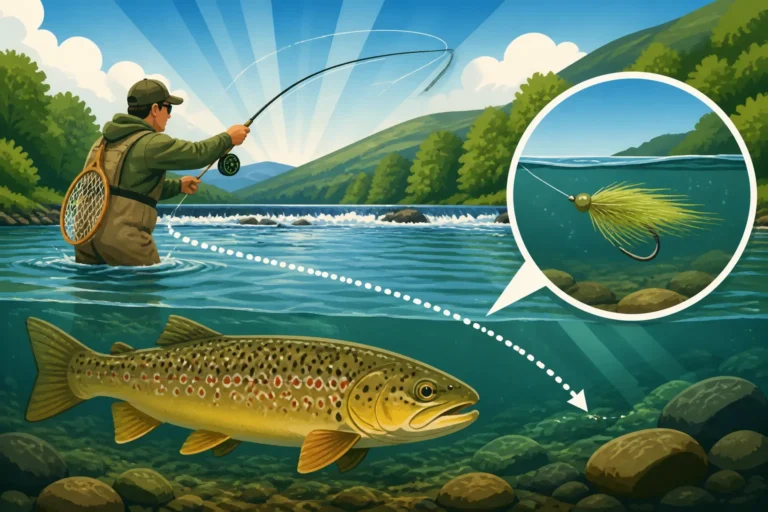
- Early Morning: As the sun begins to kiss the water, especially in spring and fall, low flow mornings are often magical. The air is cool, and trout are actively feeding after a night of rest. Insect hatches, like caddis or midges, can be prolific, leading to fantastic dry fly fishing opportunities. If you're looking to wade the shallows and target rising fish, this is often your best bet. Even if no specific hatch is occurring, the low light conditions make trout less skittish, allowing for stealthy approaches and better presentations.
- Late Evening: Much like the morning, the late evening, as the sun dips below the horizon, provides another excellent low-light, low-flow window. Trout often become very active again, particularly for larger subsurface insects or even smaller baitfish as they prepare for the night. This is often the time when "mousing" or fishing larger streamers can be productive, especially for those trophy brown trout. For those targeting larger fish, the quiet of dusk during low flow can be highly rewarding.
- Mid-Day Challenges: While less ideal for surface activity, mid-day low flows can still be productive, particularly in cooler months or on overcast days. The sun high overhead can make trout more wary, so precise casting, longer leaders, and stealth are paramount. During these times, focus on nymphing deeper runs or tight-lining nymphs in current seams, where fish might be holding in slightly deeper, more secure water.
Fishing During Generation (High Flow)
High flow fishing is a completely different beast, often requiring a boat and heavier gear, but it can be incredibly productive for big fish. The increased current dislodges insects, washes baitfish into the main river, and concentrates trout in predictable holding patterns.
- During Peak Generation: When the water is roaring, trout will often move to the banks, eddy lines, and behind large submerged rocks or logs to escape the main force of the current. These "slack water" zones become high-traffic areas for feeding. Drift fishing from a boat with heavy nymph rigs, large streamers, or even bait (where permitted) is highly effective. You'll need substantial weight to get your flies or lures down to the fish in the fast, deep water. The sheer volume of water can sometimes make fish less particular about presentations, as they are focused on opportunistic feeding. Many guides specialize in navigating these powerful currents, making a guided trip during high flows an excellent way to learn the ropes. You can find excellent resources, from detailed topographic maps to highly-rated fishing tackle like heavy sink-tip lines and large streamers on platforms like Amazon to prepare for these conditions.
- The Transition Periods: These are perhaps the most anticipated times for many experienced Bull Shoals anglers.
- Water Coming Up: Just as the generators kick on and the water starts to rise, there's a golden window. The rising water dislodges food, and trout often go on a feeding frenzy, moving into newly flooded areas. Anglers positioned correctly can experience incredible action. This can last for an hour or two after the rise begins.
- Water Dropping: As the generation tapers off and the water begins to recede, fish can again become very active. They're often forced to move from newly shallow areas and may feed aggressively as they reposition into their low-flow lies. This transition can also be a prime time for streamer fishing, as disoriented baitfish might be an easy meal. Many anglers consider these transitions to be some of the absolute "best times" to be on the water, regardless of the time of day.
Considering Light, Temperature, and Insect Activity
While water generation rules the roost, other factors absolutely influence trout behavior and, consequently, the best time to cast a line. These elements often come into play within the context of the generation schedule.
Morning vs. Evening Bites and Light Penetration
Just like in many other fisheries, low light conditions often favor active feeding for trout.
- Early Morning: The period from first light until an hour or two after sunrise is often incredibly productive. The cooler temperatures and softer light allow trout to feel more secure feeding in open water. This is when you're most likely to see hatches of aquatic insects and rising fish, especially during low flow. If the generation is starting later in the morning, getting out at dawn gives you a fantastic opportunity before the river changes character.
- Late Evening: As the sun's intensity wanes and shadows lengthen, another prime feeding window opens. Fish that were hiding in deeper, shadier spots during the brightest part of the day will often move into shallower water to feed. This can be fantastic for dry flies if a spinner fall is happening, or for subsurface patterns like scuds and sowbugs. These low-light periods are often when some of the largest trout become more active and less wary.
Mid-Day Challenges and Hidden Opportunities
Mid-day, especially on bright, sunny days, can be tough. The high sun penetrates the water deeply, making trout more skittish and prone to seeking cover. They might retreat to deep pockets, undercuts, or heavy cover.
- Deep Water Strategies: If you're stuck fishing mid-day, focus on getting your flies or lures down deep. Heavy nymph rigs, indicator nymphing in deep runs, or even jigging small spoons can entice a strike. This is where a good depth finder can be invaluable if you're in a boat. You might not get the same consistent action as during peak low-light times, but patient, methodical fishing can still yield results. You can find a wide range of terminal tackle, from weighted nymphs to split shot, on Amazon to help you get your offering to the desired depth.
- Generation as an Opportunity: The exception to the mid-day doldrums is when the dam starts generating. If the water comes up mid-day, the influx of current and dislodged food can trigger an immediate feeding response, often overriding the effects of bright sunlight. This is a perfect example of how the generation schedule takes precedence over other factors on this river.
Seasonal Variations in the "Best" Time
While the water temperature remains stable, the seasons definitely influence trout behavior due to changes in insect life cycles, light intensity, and spawning cycles.
- Spring: As water levels can fluctuate wildly with rain and snowmelt, and insect hatches (like Caddis) become more prevalent. Early mornings and late evenings during low flow are often prime, but rising water from generation can be fantastic mid-day.
- Summer: The brutal heat of an Arkansas summer means the absolute best times are typically very early mornings and late evenings when the sun is less intense. Mid-day low flows can be slow, but if generation starts, it can turn the bite on.
- Fall: Many consider fall to be the absolute best season. Brown trout begin their spawning runs, becoming more aggressive and territorial. Morning and evening low-flow periods are excellent for dry flies and nymphs, while streamer fishing for big browns during generation can be phenomenal throughout the day.
- Winter: Don't write off winter! Mid-day can often be the most comfortable and productive time. Fish become less active in the colder air, but a sunny winter afternoon can bring out some hatches (like midges) and warm up the banks enough to encourage trout to feed. During low flow, nymphing deeper pools mid-day can be very effective.
Practical Tips for Planning Your Day on the Water
Now that we've dug deep into the nuances, let's talk about putting it all into practice for your next adventure to the Bull Shoals Tailwater. A little preparation goes a long way here.
Always Check Water Generation Schedules
This cannot be stressed enough: always, always check the generation schedule. It's the most critical piece of information you can have. The Southwestern Power Administration (SWPA) website provides real-time and projected schedules. There are also many local apps and websites that pull this data, like those from the Arkansas Game and Fish Commission (AGFC), or third-party fishing apps. Don't rely on guesswork or assume the schedule will be the same as yesterday. It changes daily, sometimes hourly.
Knowing the schedule allows you to plan whether to bring your wading gear, rig up for heavy flows, or even decide if it's worth the drive. If you arrive and the water is roaring when you planned to wade, you'll be disappointed. This foresight lets you align your gear, techniques, and expectations, ensuring you're ready for whatever the river throws at you. For more detailed insights into the regulations specific to this area, make sure to check out our guide on Bull Shoals Tailwater Trout Rules in Arkansas.
Gear Considerations for Different Flows
Your tackle box and clothing choices should reflect the anticipated conditions.
- Low Flow Wading:
- Gear: Lighter rods (4-6 wt fly rods, light spinning gear), smaller flies/lures (midge patterns, caddis pupae, small spinners like Rooster Tails), lighter leader/tippet (4x-6x). Breathable waders and sturdy wading boots are a must.
- Clothing: Dress in layers. Even on a hot day, the river water is cold. A good rain jacket, easily found on Amazon, is always wise.
- High Flow Boating:
- Gear: Heavier rods (6-8 wt fly rods, medium-heavy spinning/baitcasting gear), heavier flies/lures (large streamers, heavy nymphs, spoons, larger crankbaits), heavier leader/tippet (0x-2x). Substantial weight (split shot, weighted flies) is critical to get down.
- Clothing: Waterproof outer layers are essential, as you'll likely be dealing with spray and potentially rain. Again, layers are your friend.
- Safety: A Coast Guard-approved life jacket is non-negotiable on high water. If you're considering a guided trip, they'll typically provide all the necessary safety gear and expertise for navigating the currents safely. For those looking for a different trout experience, read up on Trout Limits on the Norfork Tailwater in Arkansas for comparison.
Safety First on High Water
The Bull Shoals Tailwater is a powerful river, especially during full generation. Safety should always be your top priority.
- Wading Dangers: Never wade alone during generation. The current can be deceptively strong, and the bottom can be uneven. Wear a wading belt, carry a wading staff, and know your limits. If the water starts to rise unexpectedly, get to shore immediately.
- Boating Safety: If you're in a boat, be aware of submerged obstacles, strong currents, and rapids. Always wear your life jacket. Ensure your boat is properly equipped with all safety gear. If you're new to the river, hiring a local guide for a day or two can be an invaluable investment in both your safety and your fishing success. They know the river's secrets and how to navigate it safely, which is particularly helpful if you're trying to figure out What to Expect on Your First Guided Trout Trip.
Planning your trip around the generation schedule and understanding the seasonal nuances will vastly improve your chances of a memorable and successful fishing experience on the Bull Shoals Tailwater. It's an incredible fishery, and with a little homework, you can truly hit it at its best.
Here's a quick reference table to help visualize the typical scenarios:
| Flow Condition | Best Time of Day (General) | Typical Angler Activity | Recommended Strategy |
|---|---|---|---|
| Low Flow | Early Morning & Late Evening | Wading, Sight Fishing, Dry Fly | Nymphing runs, targeting risers, streamer fishing at dusk |
| Rising Water | Start of Generation (any time) | Bank Fishing, Boat Drifting | Aggressive nymphing, streamer fishing, targeting newly flooded areas |
| High Flow | Can be all day | Boat Drifting, Deep Fishing | Heavy nymph rigs, large streamers, targeting current breaks/eddies |
| Falling Water | End of Generation (any time) | Bank Fishing, Boat Drifting | Similar to rising water, targeting moving fish, streamer fishing |
| Mid-Day (Low Flow) | Cooler Months, Overcast Days | Wading, Deep Nymphing | Precise nymphing in shaded areas or deeper pools, fine leader/tippet |
| Mid-Day (High Flow) | Anytime Generation is On | Boat Fishing | Focus on power generation techniques, heavy tackle |
Remember, while these are general guidelines, the trout on the Bull Shoals Tailwater can be moody, and sometimes the "rules" get broken. But by understanding the primary drivers of their behavior – namely, the water generation schedule – you'll be well-equipped to make the most of your time on this fantastic Arkansas treasure. Good luck out there!
Disclaimer
The information provided in this article is for general guidance and informational purposes only. Fishing conditions, regulations, and generation schedules for the Bull Shoals Tailwater can change frequently. Always consult the official Arkansas Game and Fish Commission (AGFC) regulations and the Southwestern Power Administration (SWPA) website for the most current and accurate information before planning your fishing trip. Adherence to all local, state, and federal laws is the responsibility of the angler. Fishing carries inherent risks, and personal safety should always be a top priority.