Wilderness Fishing Spots Along the Cossatot River, Arkansas
If you’re anything like me, sometimes you just crave a fishing trip that feels like a true escape – far from the crowded boat ramps and predictable honey holes. You want to hear nothing but the rush of water and the buzz of insects, with only the challenge of the wild river ahead of you. This guide is all about finding exactly that kind of solace and angling adventure along the Cossatot River in Arkansas, diving deep into its untamed beauty and the rewarding fishing it offers.
Why the Cossatot River Offers a True Wilderness Fishing Experience
The Cossatot River isn't your average fishing destination in Arkansas, and that's precisely its charm. It's a place where the wild reigns supreme, offering an experience that pushes you to connect with nature on a much deeper level than a typical lake or developed stream. If you're looking to truly get away from it all and test your skills in an unspoiled environment, the Cossatot is calling your name.
Understanding the Cossatot's Unique Character
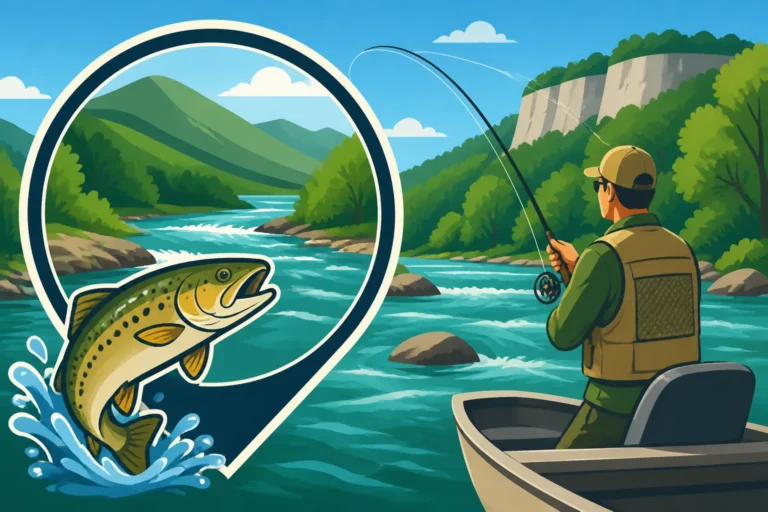
The Cossatot River, often affectionately called the "River of Falls," carves its way through the rugged landscape of the Ouachita Mountains, offering a stunning backdrop for any angler willing to embrace its challenges. This isn't a river that's been tamed or heavily developed; instead, it's largely preserved as part of the Cossatot River State Park-Natural Area. What does that mean for you, the angler? It means limited paved access, fewer crowds, and a raw, untamed environment where the fish haven't seen every lure in the tackle box.
The river's character is defined by its dramatic elevation changes, creating a series of technical rapids, deep pools, and cascading falls that are a whitewater kayaker's dream and a wilderness angler's paradise. The water is typically crystal clear, revealing a rocky bottom composed of shale, sandstone, and gravel. This constant movement and varied structure provide incredible habitat for game fish, especially smallmouth bass. When you fish here, you're not just casting a line; you're immersing yourself in an ecosystem that feels ancient and vibrant. It’s an adventure, a workout, and a truly unique fishing journey all rolled into one. The rewards for your effort are not just the fish you might catch, but the profound sense of accomplishment and connection to nature you'll gain.
The Cossatot River State Park-Natural Area: A Closer Look
Being designated a State Park-Natural Area means the Cossatot River is managed with a strong emphasis on preservation. This isn't about creating visitor centers and paved trails every quarter-mile; it's about protecting the natural integrity of one of Arkansas's most wild and scenic rivers. For anglers, this translates directly into a primitive fishing experience. You won't find many amenities, and you'll need to be self-sufficient. This designation helps maintain the challenging yet rewarding conditions that make the Cossatot so special.
The "River of Falls" moniker truly comes to life in the park's central section, particularly around the Cossatot Falls. This segment boasts class IV and V rapids during high water, but even during lower flows, these turbulent sections carve out impressive pools and eddies that hold fish. While these areas are spectacular, they also demand respect and careful navigation. The surrounding forest, primarily made up of shortleaf pine and various hardwoods, provides a dense canopy that shades the river, keeping water temperatures cooler and offering a sense of deep seclusion. It's a place where you might encounter wildlife like deer, black bears, and various bird species, further cementing that wilderness feeling. Access to these areas is often by foot, sometimes involving steep descents and scrambling over rocks, but the effort is rewarded with breathtaking scenery and fishing pressure that is significantly lighter than on more accessible waters.
Navigating Access and Terrain for Secluded Spots
Getting to the truly secluded fishing spots on the Cossatot River is part of the adventure itself. This isn't a place where you can just drive up, park, and cast. It requires preparation, a willingness to hike, and a respect for the rugged terrain. But for those who put in the effort, the reward is an unparalleled angling experience.
Key Access Points and How to Reach Them
While the Cossatot River State Park-Natural Area is wild, there are designated public access points that serve as starting points for your wilderness fishing expedition. These entry points, though sometimes primitive, allow you to get onto the river.
One of the most well-known access points is the Cossatot Falls area itself, off Highway 246 near Wickes. This section offers dramatic scenery and access to some incredible pools below the falls. However, getting from the parking area down to the river can be steep and rocky, requiring good physical condition and sturdy footwear. Another popular spot is the Big Bluffs access, also off Highway 246, which provides a slightly less strenuous entry point to the river, offering a good mix of riffles and pools to explore. Further upstream, you might find more primitive access points that involve longer hikes or even bushwhacking, particularly if you're exploring the northern reaches of the park. It’s always a good idea to consult a detailed map of the Cossatot River State Park-Natural Area and even satellite imagery before heading out to familiarize yourself with the terrain and potential entry points. Remember, many of these "access points" are simply places where you can legally park and then begin your trek to the water. They're not always clearly marked or maintained, adding to the wilderness feel. If you're planning a trip and want to get a sense of what to expect, checking out Access Points for the Cossatot River can give you a clearer picture.
| Access Point | Location (Near) | Typical Terrain to River | Best For | Notes |
|---|---|---|---|---|
| Cossatot Falls | Wickes, AR | Steep, rocky, challenging | Experienced hikers | Dramatic scenery, great for wading below falls. |
| Big Bluffs | Wickes, AR | Moderate to steep slope | Variety of fishing | Good mix of riffles and pools, slightly easier access. |
| Sandbar Access | Shady, AR | Gentle slope, sandy | Family-friendly | Good for bank fishing, easier wading in spots. |
For those who prefer a guided experience, especially for navigating such challenging waters, platforms like FishingBooker can connect you with local guides who specialize in river trips. They know these waters intimately and can ensure a safer, more productive journey into the wilderness.
Essential Gear for Wilderness Angling
Given the rugged nature of the Cossatot, your gear choices become critical. You're not just packing for a day of fishing; you're equipping yourself for a mini-expedition.
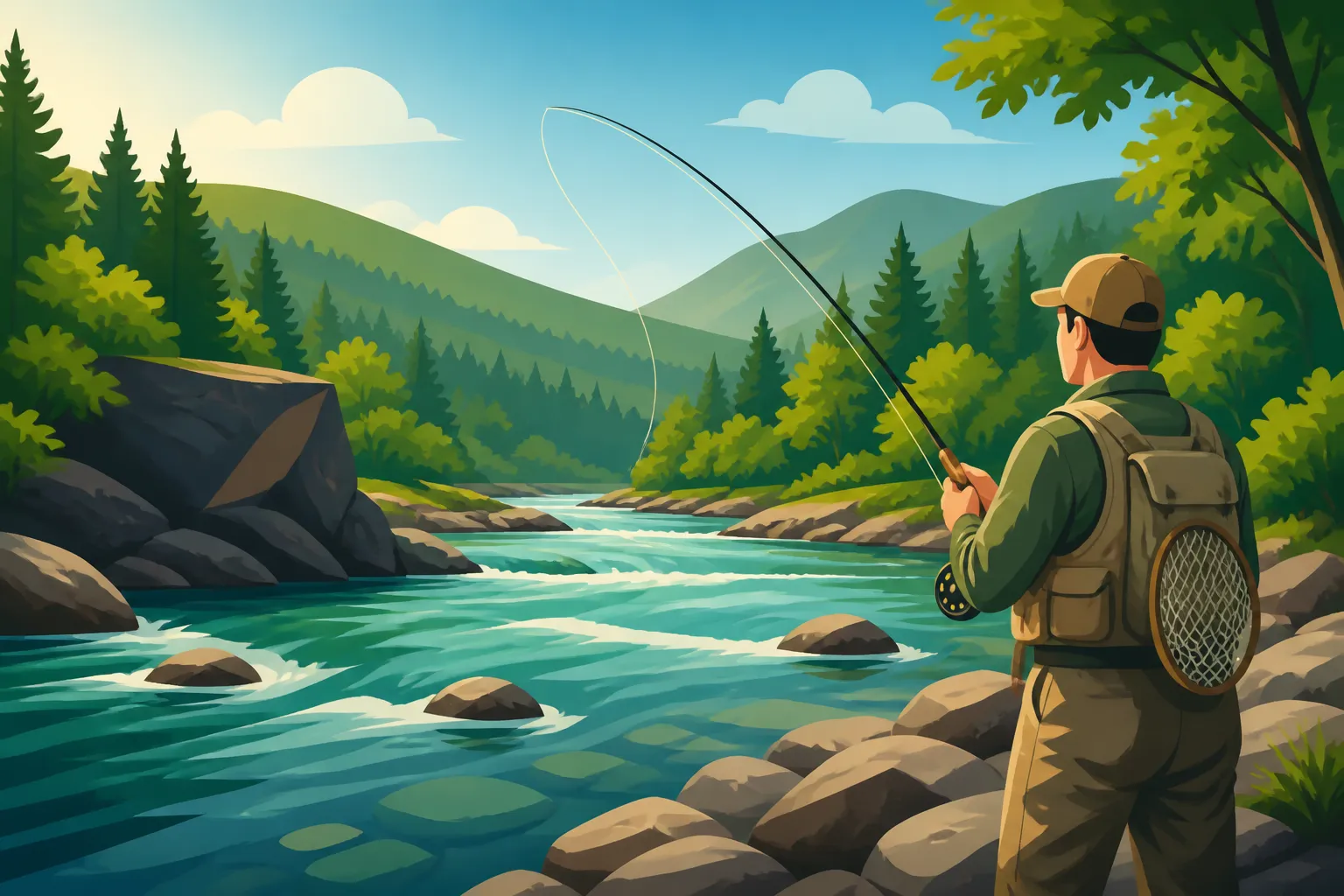
First and foremost, footwear is paramount. Wading boots with good ankle support and felt or studded soles are non-negotiable if you plan on getting in the water. The rocks can be incredibly slippery. If you’re mostly bank fishing and hiking, durable hiking boots are a must. Second, lightweight and packable fishing gear is essential. A shorter spinning rod (6-7 feet) paired with a lightweight reel and 6-10 lb test line is ideal for casting in tight quarters and handling feisty smallmouth bass. For fly anglers, a 4-5 weight rod is perfect. You’ll be doing a lot of walking, so every ounce matters.
Beyond the rod and reel, think about personal safety and comfort. A quality daypack or fishing vest is crucial for carrying water, snacks, a first-aid kit, and any necessary rain gear. Sunscreen, insect repellent, and a wide-brimmed hat are also critical. Since cell service can be spotty or non-existent, a compass, map, or a reliable GPS device (like a Garmin InReach or similar satellite messenger) could be a literal lifesaver. Always tell someone your float plan and expected return time. Finally, don't forget a pair of polarized sunglasses to cut the glare and spot fish in the clear water, and a small pair of pliers or forceps for hook removal. This isn't the place to show up unprepared; the Cossatot demands respect and readiness.
Targeting Fish in the Cossatot's Wild Waters
The Cossatot River is renowned for its excellent smallmouth bass fishing, but it's not the only species you might encounter. Understanding what's biting and the best techniques to use will significantly improve your chances of a successful and memorable wilderness angling trip.
What's Biting: Smallmouth Bass and Other Species
The undisputed king of the Cossatot River's clear, rocky waters is the smallmouth bass. These bronze bombers thrive in the current, seeking refuge behind boulders, in deep eddies, and along gravel bars. They are aggressive fighters, especially on light tackle, making them a thrilling target in this wild setting. Their prevalence here is a testament to the river's health and its abundant rocky structure, which provides perfect habitat and plenty of crayfish and baitfish for them to ambush. For more specific insights into these incredible fish, you might enjoy reading about Smallmouth Bass Fishing in Arkansas's Ozark Streams. Remember that Smallmouth Bass Rules on Arkansas's Moving Waters Statewide often include specific length and daily limits, so always consult the latest Arkansas Game and Fish Commission regulations before you go. Generally, a Minimum length for smallmouth bass on flowing waters in Arkansas is usually in place to protect the population.
While smallmouth are the main attraction, you'll also encounter other species that add variety to your catch. Spotted bass, often mistaken for smallmouth, can be found, particularly in slightly slower moving sections. They also put up a respectable fight. Beyond bass, various sunfish species like bluegill and green sunfish are abundant, especially in the calmer pockets and shallower areas. These panfish are a great target for lighter tackle or for introducing kids to fishing, though bringing children to the Cossatot requires careful planning due to its ruggedness. Occasionally, you might even stumble upon a longeared sunfish or a rock bass, adding to the diversity. The beauty of wilderness fishing on the Cossatot is that every fish you catch feels like a hard-earned victory.
Effective Techniques for Cossatot Wilderness Fishing
Fishing the Cossatot requires techniques adapted to its specific environment: clear water, strong currents, and plenty of rock structure. Success often hinges on a stealthy approach and precise presentations.
Wading and covering water is perhaps the most effective method. During lower water flows, you can often wade upstream or downstream, casting into promising pockets. Look for current breaks behind large boulders, the seams where fast water meets slower water, and the tails of deep pools. These are prime ambush points for smallmouth.
For lure fishing, artificial baits that imitate crayfish or baitfish are highly effective. Small crankbaits that dive 2-5 feet, dark-colored jigs (1/8 to 1/4 ounce) with soft plastic trailers, and small spinnerbaits (1/4 ounce) in natural colors like brown, green pumpkin, or black are excellent choices. Topwater lures, especially poppers or walking baits, can be incredibly exciting during dawn or dusk, or on cloudy days, as smallmouth will aggressively strike them. The clear water means that fluorocarbon leaders can be beneficial for reducing line visibility.
Fly fishing is also incredibly rewarding on the Cossatot. Small streamers that mimic crayfish or minnows, hellgrammite patterns, and various nymph patterns are all highly effective. During insect hatches, dry flies can also bring explosive strikes. If you're new to fly fishing, a quick read on Fly Fishing Techniques for Beginners could give you a head start, though applying them in a river as dynamic as the Cossatot takes practice.
Regardless of your chosen method, focus on making accurate casts and working your lure or fly through the strike zones effectively. The fish here are wild and often react quickly to a well-presented bait. Remember, this is a catch-and-release heavy fishery for many, especially for smallmouth, to preserve the quality of the fishing for future generations.
Final Considerations for Your Wilderness Adventure
A trip to the Cossatot River is more than just fishing; it's an immersive wilderness experience. To make the most of it, and to ensure you leave the river as pristine as you found it, there are a few final, crucial considerations.
Safety and Leave No Trace Principles
Safety on the Cossatot River cannot be overstated. This is not a backyard creek. The Cossatot can be incredibly dangerous, especially after heavy rains when water levels rise rapidly and currents become extremely swift. Always check the weather forecast and river levels before you go. If you encounter rising water or strong currents that make wading unsafe, it's best to err on the side of caution and either stay put until conditions improve or carefully make your way back to safety. Hypothermia can be a real risk in cooler weather if you get wet, so proper layering of clothing is essential. Carry a dry bag with spare clothes, especially if you plan on wading extensively.
Because of the river's remote nature, help can be a long time coming if an emergency occurs. A well-stocked first-aid kit, a method of communication (even if just for emergencies like a satellite messenger), and notifying someone of your plans are absolutely vital.
Just as important as your personal safety is the health of the environment. The Cossatot River State Park-Natural Area thrives because of its wild character, and it's everyone's responsibility to keep it that way. Practice Leave No Trace principles: pack out everything you pack in, including all trash and fishing line. Minimize your impact on the vegetation and riverbanks. Respect wildlife by observing from a distance and never feeding animals. Handle fish with care, especially if practicing catch and release, to ensure their survival. This kind of stewardship ensures that the Cossatot remains a truly wild and exceptional place for generations of anglers to come. For broader fishing ethics and rules, the Arkansas Fishing Regulations Guide is always a good read.
When to Plan Your Cossatot Fishing Trip
Timing is everything when it comes to fishing the Cossatot River. The dynamic nature of this mountain stream means that conditions can vary greatly by season and even week to week, especially with rainfall.
Spring (March-May) is often considered prime time. As water temperatures begin to rise, smallmouth bass become more active and aggressive. The early spring can see higher water levels from rain, which might make wading difficult or dangerous, but as flows normalize, the fishing can be exceptional. Insect hatches also become more prevalent, offering excellent fly-fishing opportunities.
Summer (June-August) can be a mixed bag. Lower water levels are common, making wading easier but also making the fish more wary in the clearer, warmer water. Early mornings and late evenings will typically be your best bet during the summer heat. The middle of the day can be slow, but shady, deep pools can still hold fish. Summer also brings the highest risk of pop-up thunderstorms, which can quickly swell the river.
Fall (September-November) rivals spring for many anglers. As temperatures cool and rainfall potentially increases, smallmouth become active again, feeding heavily in preparation for winter. The fall foliage also paints a breathtaking backdrop, making it a beautiful time to be on the river. Water levels are often more stable than in spring, providing good wading conditions.
Winter (December-February) can be challenging due to cold temperatures and potentially high, frigid water. The fish are less active, and angling can be tough, requiring slower presentations. However, if you hit a mild spell and find stable, lower water, you might have the entire river to yourself for a truly solitary winter adventure.
Ultimately, the best time to visit depends on your preference for weather, water levels, and the specific challenge you're seeking. Regardless of the season, a successful wilderness trip to the Cossatot requires flexibility and a willingness to adapt to Mother Nature's moods. If you're considering hiring a local guide to navigate these seasonal changes, using platforms like FishingBooker can help you find someone experienced with the Cossatot's specific challenges and seasonal patterns.
Disclaimer
Please be aware that fishing regulations, costs, and availability of services can change. Always consult the official Arkansas Game and Fish Commission website for the most current rules and licensing requirements before planning your trip. The information provided here is for general guidance and entertainment purposes only. Fishing in the wilderness can be inherently dangerous; proceed with caution and at your own risk.