Shore Fishing Access Points on Lake Hamilton
It's a familiar scenario for many anglers: you're itching to wet a line, you know Lake Hamilton is teeming with incredible fish, but you don't own a boat. Maybe you're visiting Hot Springs for a quick getaway, or perhaps you're a local who prefers the simplicity of bank fishing. The challenge? Finding those elusive public access points where you can actually cast a line without trespassing or battling dense shoreline brush. This guide is here to help you navigate Lake Hamilton's shores, uncovering the best spots for land-based angling.
The Reality of Shore Fishing on Large Lakes
Fishing from shore on a big reservoir like Lake Hamilton can feel like a riddle. You see all those beautiful waters, but finding a spot that’s both accessible and productive often requires insider knowledge. It's not like simply walking up to a small pond.
Why Finding Shore Access Can Be Tricky on Lake Hamilton
Lake Hamilton, nestled in the vibrant resort city of Hot Springs, is a stunning body of water, but it's also heavily developed. Think about it: miles of beautiful shoreline are lined with private docks, vacation rentals, and residential properties. While this makes for picturesque views, it significantly limits public access for anglers who don't have a boat. Many of the designated public access points are primarily boat ramps, designed for launching vessels, not necessarily for a comfortable day of bank fishing. You might find a small patch of grass, but it's often not ideal, lacking the structure or depth that fish prefer. It can be incredibly frustrating to drive around, seeing all that water, yet finding no suitable place to cast. But don't despair; the spots are there if you know where to look.
What Makes a Good Shore Fishing Spot?
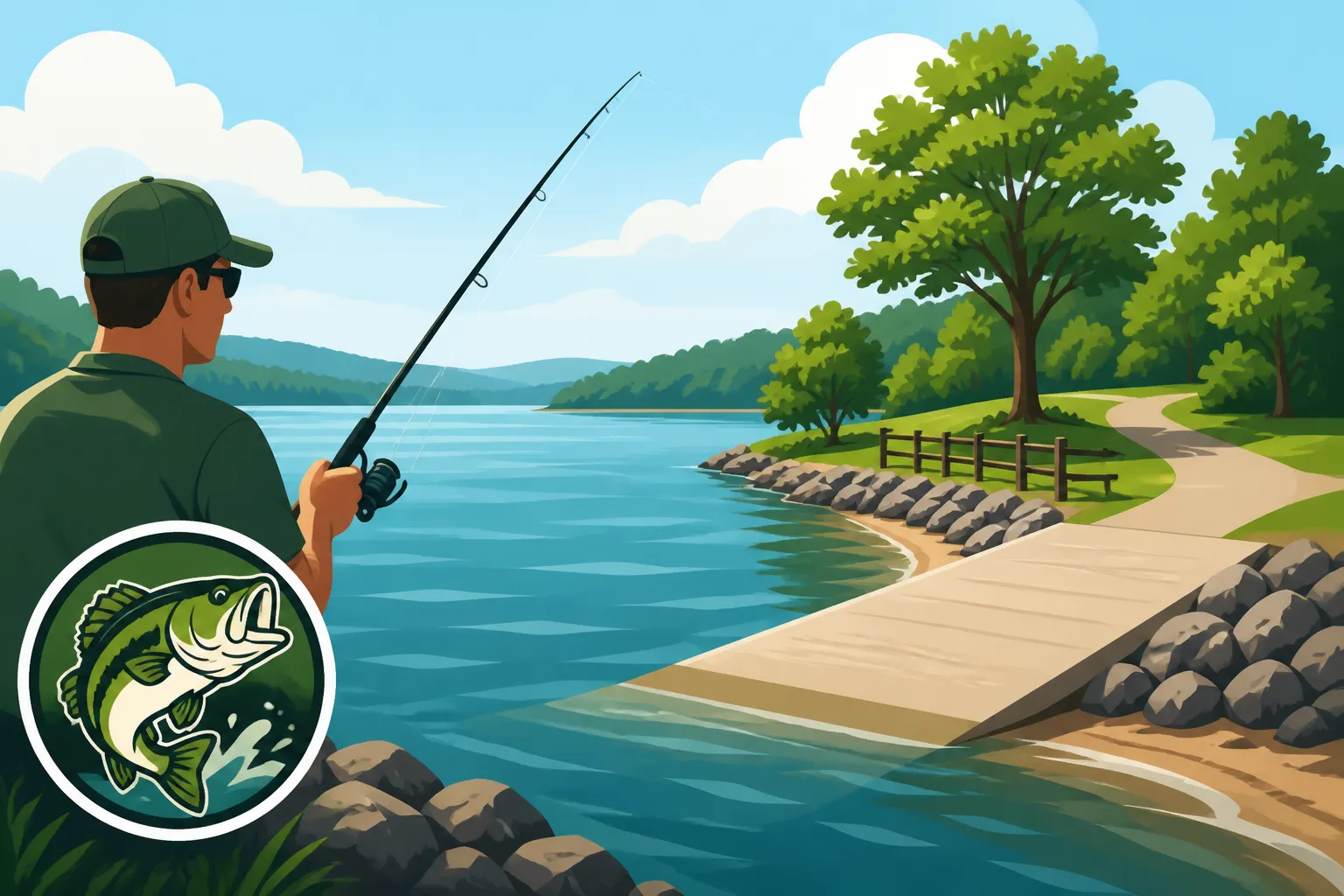
When you're hoofing it with your gear, looking for a place to fish, a few things really make a difference. First and foremost, you need good accessibility. That means ample, legal parking and a relatively easy, safe walk to the water's edge. No one wants to hike through thick briars or navigate steep, slippery banks just to get a line in. Beyond just getting there, the best spots offer fish-holding structure. This could be submerged timber, rock piles, riprap along causeways, or even sudden depth changes near the bank. These features provide cover, ambush points, and foraging areas for species like largemouth bass, crappie, catfish, and various panfish. Finally, safety is paramount. You want a spot that's not too crowded, away from heavy boat traffic, and certainly not on private property where you could run into trouble. Look for areas with a gentle slope to the water, or even better, a designated fishing pier, which provides easy access to deeper water without needing a boat.
Key Public Access Points for Shore Anglers on Lake Hamilton
Despite the challenges, Lake Hamilton does offer some fantastic spots for those who prefer to keep their feet on solid ground. These locations provide a mix of convenience, good fishing potential, and most importantly, legitimate public access.
Andrew H. Hulsey Fish Hatchery and Visitor Center
This spot is a true gem for shore anglers and families alike. Located on the northern end of Lake Hamilton, the Andrew H. Hulsey Fish Hatchery and Visitor Center isn't just a place to learn about fish stocking; it's a legitimate fishing destination. They have multiple ponds and public fishing piers that are open to the public year-round. These piers often extend into deeper water, giving you access to fish that might otherwise be out of reach from the bank.
You'll find a variety of species here, including channel catfish, largemouth bass, and various types of bream (bluegill, redear sunfish). In the cooler months, the Arkansas Game and Fish Commission (AGFC) often stocks the ponds with rainbow trout, offering a unique opportunity for trout fishing in a warm-water lake environment. The facilities are excellent, with clean restrooms, paved walking trails, and interpretive exhibits, making it a perfect outing, especially if you have younger anglers in tow. The accessibility here is top-notch, with plenty of parking and easy walks to the fishing areas. It's honestly one of the most reliable places to catch something from shore on Lake Hamilton.
Lake Hamilton Recreation Area (AR-228 Access)
Further south, off Highway 270 (Albert Pike Road), you'll find the Lake Hamilton Recreation Area, managed by the U.S. Army Corps of Engineers. While it does feature a multi-lane boat ramp, don't let that deter you. This area also offers considerable public shoreline access that's popular with bank fishermen. There are picnic tables and open grassy areas, providing comfortable spots to set up your gear for the day.
The shoreline here features some natural cover, including brush and small coves, which can be excellent ambush points for bass and crappie. You can cast parallel to the bank, or try to reach deeper water further out. Early mornings or late evenings are particularly productive as fish move shallower to feed. Check out different sections of the shoreline here – sometimes just walking a bit further from the main boat ramp can reveal a less pressured, more fruitful spot. Remember to always be mindful of boat traffic, especially near the ramp itself, and keep an eye on your Arkansas Fishing Regulations Guide to ensure you're fishing legally within the limits.
Public Parks and Bridges with Shoreline Access
Beyond the major recreation areas, a few local parks and bridge crossings offer sporadic but often productive shore fishing opportunities around Lake Hamilton. These spots might not be as well-known or developed, but they can pay off.
One option is Lake Hamilton City Park. While primarily a recreational park with playgrounds and picnic areas, it often has stretches of shoreline or even small docks where casting is permitted. It's worth exploring these smaller city-managed parks as they can sometimes have hidden gems for bank anglers. These spots are typically maintained and family-friendly, making them pleasant for a casual fishing trip.
Another strategy involves fishing around bridge pilings and riprap. Lake Hamilton is crossed by several bridges, and the rock formations (riprap) that stabilize the banks beneath these structures are magnets for baitfish and, consequently, game fish. Bass, crappie, and even some Striper Fishing on Lake Hamilton in Hot Springs, Arkansas can often be found lurking around these rocky areas, especially in the cooler months or during periods of current. Always exercise extreme caution when fishing near roads or bridges. Ensure you're not obstructing traffic, that parking is legal and safe, and that you're not on private property. A quick search on a mapping app can help identify potential bridge crossings, but local knowledge from a bait shop is often the best guide for these less obvious spots. While not always easy to find, these spots around Lake Hamilton Fishing Spots Near Downtown Hot Springs can offer some exciting fishing close to the city.
| Access Point | Primary Species | Amenities | Notes |
|---|---|---|---|
| Andrew H. Hulsey Fish Hatchery | Bass, Catfish, Bream, Winter Trout | Piers, Restrooms, Paved Trails, Visitor Center | Excellent for families, year-round fishing. |
| Lake Hamilton Recreation Area | Bass, Crappie, Catfish, Bream | Boat Ramp, Picnic Areas, Grassy Shoreline | Good for varied casting, watch for boat traffic. |
| Lake Hamilton City Park | Panfish, Smaller Bass | Playground, Picnic Areas, Some Shoreline | Best for casual, family-friendly fishing. |
| Bridge Pilings/Riprap | Bass, Crappie, Stripers, Catfish | Limited (roadside access) | Productive for structure fishing, safety is key. |
Maximizing Your Shore Fishing Success on Lake Hamilton
Just because you're on the bank doesn't mean you can't be strategic! A little planning and understanding of fish behavior can significantly increase your chances of success.
Essential Gear and Techniques for Bank Anglers
When you're limited to shore, portability and versatility are your best friends. You don't need a huge tackle box, but having the right essentials makes all the difference. For panfish (bluegill, sunfish) and smaller crappie, a light action rod with 4-6 lb test line is perfect. A simple bobber, a small hook, and a worm or cricket will get bites. For bass and larger crappie, a medium-light or medium action spinning rod with 8-12 lb test fluorocarbon or monofilament line is ideal.
Your bait and lure selection should be focused on versatility. Soft plastic worms or creatures rigged Texas-style are great for bass, allowing you to cast into cover without getting snagged. Small crankbaits, spinnerbaits, or even inline spinners can cover water effectively. Jigs tipped with small plastics or minnows are killer for crappie. Don't forget some basic bottom fishing rigs for catfish, using cut bait or chicken liver. Remember to bring a small, comfortable tackle bag or backpack, a portable chair, a cooler for drinks and snacks, and a pair of pliers for hook removal. Being mobile is key; if a spot isn't producing after a while, don't be afraid to pack up and try another section of the bank. Pay attention to structure – whether it's a downed tree, a rock pile, or a drop-off – and target those areas aggressively.
Understanding Lake Hamilton's Fish Behavior from Shore
Fish behavior is heavily influenced by factors like water temperature, time of day, and available cover, and this applies whether you're in a boat or on the bank. From shore, your best windows of opportunity are often during the early morning and late evening hours. During these times, bass and crappie tend to move into shallower water closer to the banks to feed, making them more accessible to shore anglers. As the sun gets high and the water warms up, fish will often retreat to deeper, cooler water or seek dense cover, which can be harder to reach from shore.
However, if you're fishing a spot with deeper water access from the bank (like a fishing pier or a steep drop-off), you might still find success during the hotter parts of the day by targeting those deeper zones. During the spring, when the Arkansas Bass Spawn Fishing Guide is in full swing and crappie are moving shallow to spawn, many species will be readily available near the banks, making it a prime time for shore fishing. Conversely, during the colder months, fish will generally be deeper, making shore access to them more challenging, though winter trout stockings at the hatchery offer a fantastic cold-weather exception. Understanding these patterns, along with reading articles like Best Time of Day to Catch Bass, can significantly improve your catch rates.
Navigating Regulations and Enhancing Your Trip
Fishing is a privilege, and with that comes the responsibility of understanding and following the rules. Plus, knowing how to leverage local resources can truly elevate your shore fishing experience.
Arkansas Fishing License Requirements
This is a big one, folks, and often where new anglers stumble. Before you even think about casting a line in Lake Hamilton – or anywhere else in Arkansas – you absolutely need a valid fishing license. There are no exceptions for residents or non-residents over a certain age. You can easily purchase an Arkansas Fishing License Rules and Costs online through the Arkansas Game and Fish Commission (AGFC) website, at their offices, or at most sporting goods stores like Walmart or Academy Sports + Outdoors.
For Arkansas residents, an annual license is often the most cost-effective if you plan to fish more than a few times a year. For visitors, a Arkansas Nonresident 3-Day Trip License might be a perfect fit for a weekend getaway to Hot Springs. Just be aware of the specific regulations regarding these shorter-term licenses. One common misconception is about kids: while children under 16 generally don't need a license, they still must adhere to all Arkansas Fish Size and Daily Limits. So, while your little ones might not need a piece of paper, they definitely need to follow the rules, as explained in articles like Do Kids Need a Fishing License in Arkansas?. Always carry your license with you while fishing, whether it's a physical copy or easily accessible on your phone, as game wardens do check.
Using Local Resources and Guides
Even as a seasoned angler, I still rely on local knowledge, and you should too! The Arkansas Game and Fish Commission website (agfc.com) is a treasure trove of information. They have maps, detailed regulations, stocking reports, and even weekly fishing reports that can give you a heads-up on what's biting where on Lake Hamilton. A quick check before your trip can save you a lot of guesswork.
Another fantastic resource is your local bait and tackle shop. Shops like Trader Bill's Outdoor Sports in Hot Springs are invaluable. The folks working there are usually local anglers themselves, and they know the lake inside and out. They can tell you what baits are working, what spots are hot, and even offer advice on less-known public access points that might not show up on official maps. Don't be shy; strike up a conversation!
And hey, if you're feeling a bit overwhelmed, or you want to combine the ease of shore fishing with a day on the water, consider connecting with a local guide. While many guides focus on boat trips, some, especially those listed on platforms like FishingBooker, are incredibly knowledgeable about land-based spots or can offer unique half-day trips that might cater to shore-centric anglers. Even if you book a boat trip through FishingBooker, the guide can offer invaluable insights into the habits of Lake Hamilton fish, helping you improve your shore fishing strategies for future trips. They can help you unlock the potential of Lake Hamilton, even if you don't have a boat, making the most of your time on the water.
Disclaimer
Please remember that fishing regulations and access points can change. Always check the latest regulations from the Arkansas Game and Fish Commission (AGFC) before you head out. Respect private property, practice responsible angling, and leave no trace behind. This guide is for informational purposes only.