Bank Fishing Access Points on Arkansas’s Beaver Lake
There’s nothing quite like the urge to wet a line in Arkansas’s beautiful waters, but for many of us, owning a bass boat or even a jon boat simply isn't in the cards. This can feel incredibly frustrating when you're staring at a massive, fish-filled reservoir like Beaver Lake and wondering, "How in the world do I even get a hook in the water without a boat?" This comprehensive guide is here to alleviate that very real struggle, showing you exactly where and how to find incredible bank fishing access points on Beaver Lake, making your angling dreams a reality, no boat required.
Understanding Beaver Lake's Bank Fishing Challenges
Beaver Lake is a magnificent Corps of Engineers reservoir, stretching over 28,000 acres with more than 480 miles of shoreline. While that sounds like a bank angler's paradise, the reality can be a bit more challenging. Much of the shoreline is steep, rocky, or heavily wooded, making direct access difficult or impossible without bushwhacking through dense undergrowth. Plus, with a lake this size, knowing where to even start can feel like finding a needle in a haystack. The trick is to identify those specific public areas and hidden gems that offer a realistic chance to cast a line without needing to be an Olympic rock climber.
The Terrain Trap: Why Bank Access Isn’t Always Easy
When you look at a map of Beaver Lake, all that blue sure looks inviting. But if you’ve ever tried to just pull off the side of the road and walk down to the water, you quickly realize it’s not always that simple. Many areas around Beaver Lake are characterized by dramatic bluffs, steep banks, and thick Ozark timber that plunges directly into the water. This natural beauty, while stunning, often creates a barrier for foot traffic, especially if you’re carrying fishing gear. You might find yourself scrambling down slippery rocks or pushing through thorny bushes, only to discover the water's edge is still too deep or too obstructed to cast effectively. It’s enough to make you throw your hands up in exasperation and wonder if bank fishing is even feasible here.
Overcoming the “No Boat” Blues
The good news is that while challenging, it’s absolutely possible to have fantastic fishing experiences from the bank on Beaver Lake. You just need to know the designated spots and understand what kind of fishing they offer. For many, the "no boat" blues stem from a misconception that all the good fishing is out in the middle of the lake. While certain techniques or target species might require a boat, plenty of game fish like bass, crappie, and various panfish actively feed in the shallower, accessible areas right along the shoreline, especially during key times of the year like the spring spawn or fall migration. The key is strategic planning and knowing which access points cater specifically to bank anglers.
Prime Public Access Points for Bank Anglers
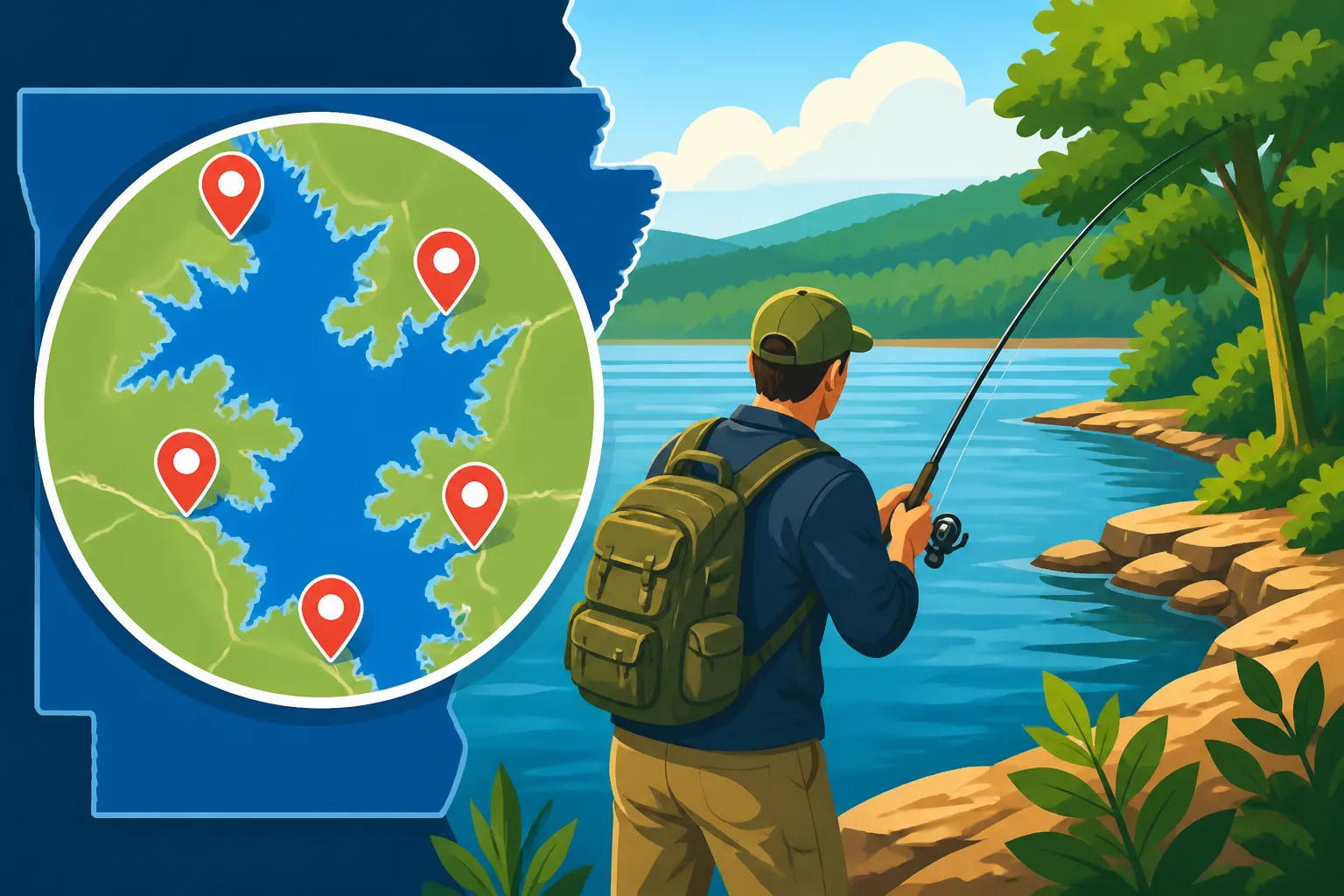
Thankfully, the U.S. Army Corps of Engineers and local municipalities have developed several excellent public parks and recreation areas around Beaver Lake that offer fantastic bank fishing opportunities. These spots provide amenities, easy access, and, most importantly, fishable water.
Prairie Creek Recreation Area
Prairie Creek Recreation Area, located on the eastern side of the lake near Rogers, is a gem for bank anglers. This area is expansive and offers a variety of shoreline types, from gentle slopes to more rocky outcrops. It's a popular spot for good reason, providing ample parking, restrooms, picnic areas, and even a marina if you ever decide to rent a boat for a day.
The sheer amount of accessible shoreline here means you can often find a quiet spot even on busy weekends. Look for areas around the boat ramps, jetties, and the main park areas where the ground slopes gently to the water. These spots are often cleared of heavy brush, making casting and moving around much easier. You’ll find people here targeting largemouth bass, especially in the spring and early summer when they move into shallower waters. Don't be surprised to hook into some feisty smallmouth bass or even a crappie or two around submerged brush or docks. For those just starting out, this is a very approachable location to learn various Bank Fishing Techniques for Beginners.
Hobbs State Park-Conservation Area
Hobbs State Park-Conservation Area is Arkansas's largest state park, boasting an impressive 12,054 acres along the southern shore of Beaver Lake. While much of Hobbs is rugged and remote, it offers a few specific access points perfect for the adventurous bank angler looking for a more natural, secluded experience. The park is renowned for its commitment to conservation and its extensive trail system.
One of the best ways to access fishable banks within Hobbs is via its numerous hiking trails that lead to the lake. The Pigeon Roost Trail, for instance, has sections that run very close to the water, providing occasional access points to quiet coves and points. These spots are fantastic if you’re looking to escape the crowds and enjoy a more tranquil fishing experience. Just be prepared for a bit of a walk, and make sure your gear is easily portable. These less-pressured areas can be excellent for catching spotted bass and even some good-sized catfish, especially if you're using natural baits. Remember to check the Arkansas Fishing Regulations Guide before heading out, as rules can sometimes vary slightly by location.
Rocky Branch Park
On the western side of Beaver Lake, near Garfield, you'll find Rocky Branch Park. This Corps of Engineers park offers another excellent opportunity for bank fishing, particularly for those who prefer more defined access. The park features a well-maintained campground, boat ramps, and plenty of day-use areas with shoreline access.
The shoreline at Rocky Branch tends to be a mix of gravel and rocky banks, offering good footing for casting. The points and small coves within the park are prime targets for bass, especially during the morning and evening hours. During cooler months, crappie often hold in deeper pockets near the bank, and with a bit of patience and the right jig, you can definitely pull some out. This park is also a great choice for families, as the easy access and amenities make it comfortable for a full day of fishing. Learning about the Crappie Size and Daily Limit in Arkansas is a good idea before fishing this spot.
Lesser-Known Nooks and Crannies
Beyond the well-known parks, Beaver Lake holds many smaller, often overlooked spots that can offer fantastic bank fishing, especially if you're willing to explore a little. These hidden gems can provide solitude and excellent fishing for those willing to venture off the beaten path.
Small Coves and Roadside Pull-offs
Throughout the winding roads that follow Beaver Lake's intricate shoreline, you'll find numerous small coves and informal roadside pull-offs. These aren't officially developed parks, but they offer direct access to the water's edge. Keep an eye out for faint paths leading down from the road, or areas where the trees thin out and the bank seems more approachable. These spots can be hit or miss, but when you find a good one, it feels like discovering your own private fishing hole.
These smaller coves often have submerged brush, fallen trees, or rocky points that attract fish. They can be particularly productive for largemouth and smallmouth bass, which use this cover for ambush points. Crappie will also congregate around any structure. Sometimes, simply driving along Highway 12, Highway 187, or other smaller county roads bordering the lake will reveal these opportunities. Always be mindful of private property signs and ensure you are on public land or have permission before venturing into these areas. Exploring the less crowded Remote Fishing Coves on Lake Ouachita, Arkansas is a similar experience to what you might find at these smaller Beaver Lake spots.
Tailwater Below Beaver Dam
While technically not on Beaver Lake, the tailwater directly below Beaver Dam offers a completely different, yet exceptional, bank fishing experience. The cold, clear water released from the dam creates a trout fishery that is world-class. You can access this area from several points along the river below the dam, including the popular State Park access point.
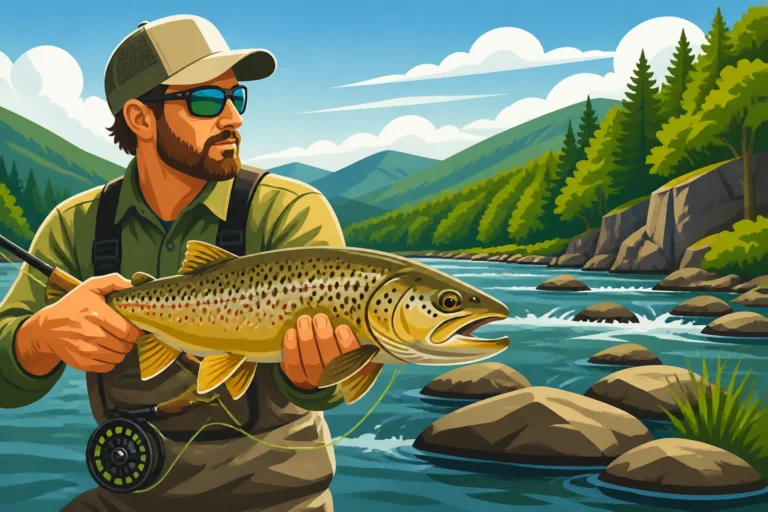
Here, you'll be targeting rainbow trout and brown trout, which thrive in the cold, oxygenated water. Spin fishing with small inline spinners, spoons, or powerbait is highly effective from the bank. Fly fishing is also extremely popular in these waters. The terrain can be rocky and slick, so sturdy, waterproof footwear with good grip is essential. This is a very popular spot, so don't expect solitude, but the fishing can be incredible. Keep in mind that a special trout permit is required in addition to your standard fishing license to keep trout in these waters. Understanding Arkansas Trout Permit Rules is crucial before you cast a line here.
Targeting Fish from the Shoreline
Once you've found your perfect bank access point, the next step is knowing what to expect and how to effectively target the fish swimming close to shore. Beaver Lake is teeming with diverse species, and many of them are very accessible from the bank.
Bass and Crappie Strategies
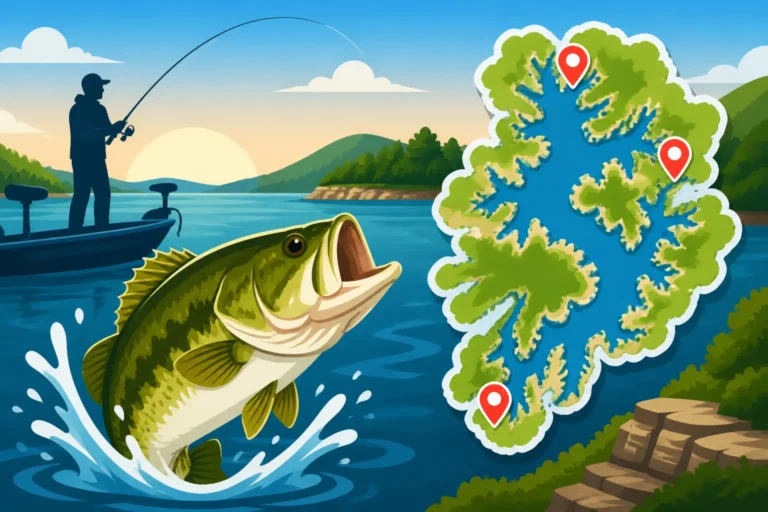
Largemouth, smallmouth, and spotted (Kentucky) bass are all prevalent in Beaver Lake, and they frequently patrol the shallow, cover-rich areas accessible from the bank. In spring, bass move into shallow coves and rocky points to spawn, making them highly vulnerable to bank anglers. During summer, they'll often move deeper during the day but return to the shallows during dawn and dusk to feed. Fall sees them aggressively feeding as they prepare for winter.
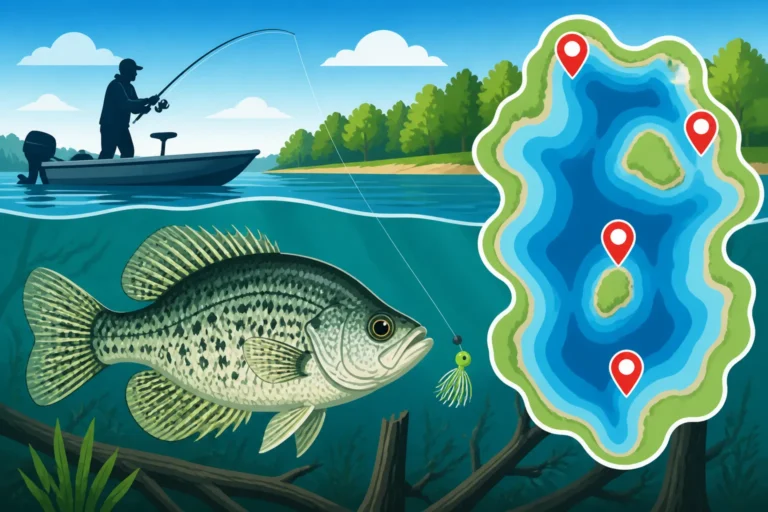
For bass, try casting Texas-rigged worms, Senkos, or jigs around any visible cover like submerged logs, rocks, or weed lines. Topwater lures can be incredibly exciting during low-light conditions. Small crankbaits or spinnerbaits worked parallel to the bank can also entice a strike. For crappie, look for submerged brush piles, standing timber, or dock pilings near your bank access. Jigs tipped with a small minnow or soft plastic crappie lures fished under a bobber are deadly. Slow, deliberate retrieves are often key. You might want to refer to Bass Fishing Techniques for Beginners for more detailed tips.
Panfish and Catfish Opportunities
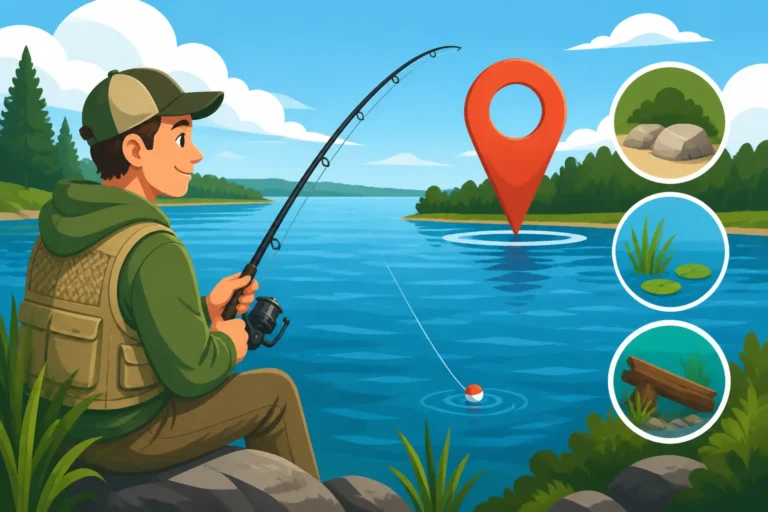
If you're looking for consistent action, especially for a family outing or to introduce kids to fishing, panfish are your best bet from the bank. Bluegill, sunfish, and bream are abundant in Beaver Lake and can be caught almost year-round. They typically congregate in shallower, warmer waters, especially near vegetation or rocky areas.
A simple hook, bobber, and a piece of worm or a small cricket will almost guarantee success with panfish. These fish are eager biters and provide constant entertainment. Catfish, too, are excellent targets from the bank, particularly channel catfish and blue catfish. Look for deeper cuts, creek channels, or the mouths of coves. Bottom fishing with a weight and a sturdy hook baited with chicken liver, cut bait, or stink bait is a proven method. Fishing for catfish is often best in the evenings or at night, as they are primarily nocturnal feeders. If you're planning a trip with younger anglers, learning Do Kids Need a Fishing License in Arkansas? will be important.
| Access Point | Primary Target Species | Amenities | Best For |
|---|---|---|---|
| Prairie Creek Rec. Area | Largemouth, Smallmouth Bass, Crappie | Restrooms, picnic, marina, paved paths | Families, beginners, varied shoreline |
| Hobbs State Park-Cons. Area | Spotted Bass, Catfish | Hiking trails, primitive access | Solitude, adventurous anglers, natural feel |
| Rocky Branch Park | Bass, Crappie, Panfish | Campground, restrooms, boat ramps, picnic | Families, consistent access, western lake |
| Beaver Dam Tailwater | Rainbow Trout, Brown Trout | Parking, restrooms (nearby) | Trout anglers, fly fishing, cold-water |
Essential Gear and Tips for Successful Bank Fishing
Bank fishing on Beaver Lake doesn't require a mountain of expensive gear, but a few key items and strategies can make all the difference between a frustrating day and a fantastic one. Preparation is key!
Rods, Reels, and Terminal Tackle
For most bank fishing scenarios on Beaver Lake, a medium-light to medium power spinning rod, around 6.5 to 7 feet long, paired with a reliable spinning reel spooled with 8-12 lb monofilament or fluorocarbon line, will be your workhorse. This setup is versatile enough to cast a variety of lures for bass and crappie, and stout enough to handle a decent catfish. If you plan to target primarily panfish, a lighter action rod (5-6 feet) with 4-6 lb line can make the fight more exciting.
Your terminal tackle box should include an assortment of hooks (sizes 1 to 4 for bass/crappie, larger for catfish), various weights (bullet weights for Texas rigs, split shots for bobber fishing, egg sinkers for bottom fishing), swivels, and bobbers. Don't forget a good selection of lures: soft plastic worms, grubs, small crankbaits, spinnerbaits, and crappie jigs in various colors are a great start. Live bait like worms, minnows, or crickets should always be on your list for reliable action, especially for panfish and catfish. For deeper insights into what works, consider exploring Best Bait and Lures for Arkansas Bass.
Comfort and Safety Considerations
Spending a day on the bank means being prepared for the elements and ensuring your safety. Always wear appropriate footwear—closed-toe shoes with good grip are essential, especially on rocky or muddy banks. A wide-brimmed hat, sunglasses, and plenty of sunscreen will protect you from the intense Arkansas sun. Bring plenty of water to stay hydrated, and snacks to keep your energy up.
A small, comfortable backpack or tackle bag will help you carry your essentials without being cumbersome. A folding chair or a small bucket to sit on can make long waits much more enjoyable. For safety, let someone know where you're going and when you expect to return, especially if you're venturing into more secluded areas of Hobbs State Park. Be mindful of snakes and other wildlife, and always be aware of your surroundings, especially near steep banks or swiftly moving water below the dam. It's always a good idea to bring a small first-aid kit for minor cuts or scrapes.
Navigating Regulations and Respecting the Environment
Fishing in Arkansas, like anywhere else, comes with rules and responsibilities. Understanding these regulations and practicing good outdoor etiquette ensures that everyone can enjoy our beautiful natural resources for years to come.
Arkansas Fishing License Requirements
The most important rule for any angler over the age of 16 in Arkansas is to possess a valid fishing license. This isn't just a formality; it's how the Arkansas Game and Fish Commission funds conservation efforts, stocking programs, and public access maintenance. You can easily purchase an Arkansas Fishing License Online through the AGFC website, or pick one up at various sporting goods stores like Walmart or local bait shops.
There are different types of licenses available, including annual resident and nonresident options, as well as shorter-term licenses like the Arkansas Resident 3-Day Fishing License or the Arkansas Nonresident 3-Day Trip License which can be perfect for weekend visitors. As mentioned, if you plan to fish for trout in the tailwater below Beaver Dam, you'll also need to purchase an additional trout permit. Don't overlook these requirements; game wardens do check, and penalties for fishing without a license can be steep.
Leave No Trace Principles
Practicing "Leave No Trace" principles is paramount when enjoying the outdoors, especially at beloved fishing spots like Beaver Lake. This means packing out everything you pack in, and perhaps even picking up any litter you find along the way. Dispose of fishing line properly, as discarded line can be incredibly dangerous to wildlife. Don't leave bait containers, plastic wrappers, or food scraps behind.
Respect the natural environment by not disturbing wildlife or damaging vegetation unnecessarily. If you're cleaning your catch, do so responsibly away from swimming areas and dispose of entrails according to local guidelines to prevent attracting unwanted critters or polluting the water. By leaving your chosen bank fishing spot cleaner than you found it, you contribute to a positive experience for all who follow, ensuring these beautiful areas remain pristine for future generations of anglers. If you're curious about exploring other fantastic spots, perhaps even coordinating with a guide, resources like FishingBooker can offer additional information on various fishing opportunities and destinations across the state.
Disclaimer
Please remember that fishing conditions, regulations, and access points can change. Always consult the latest Arkansas Game and Fish Commission regulations guide before heading out. Safety should always be your top priority.