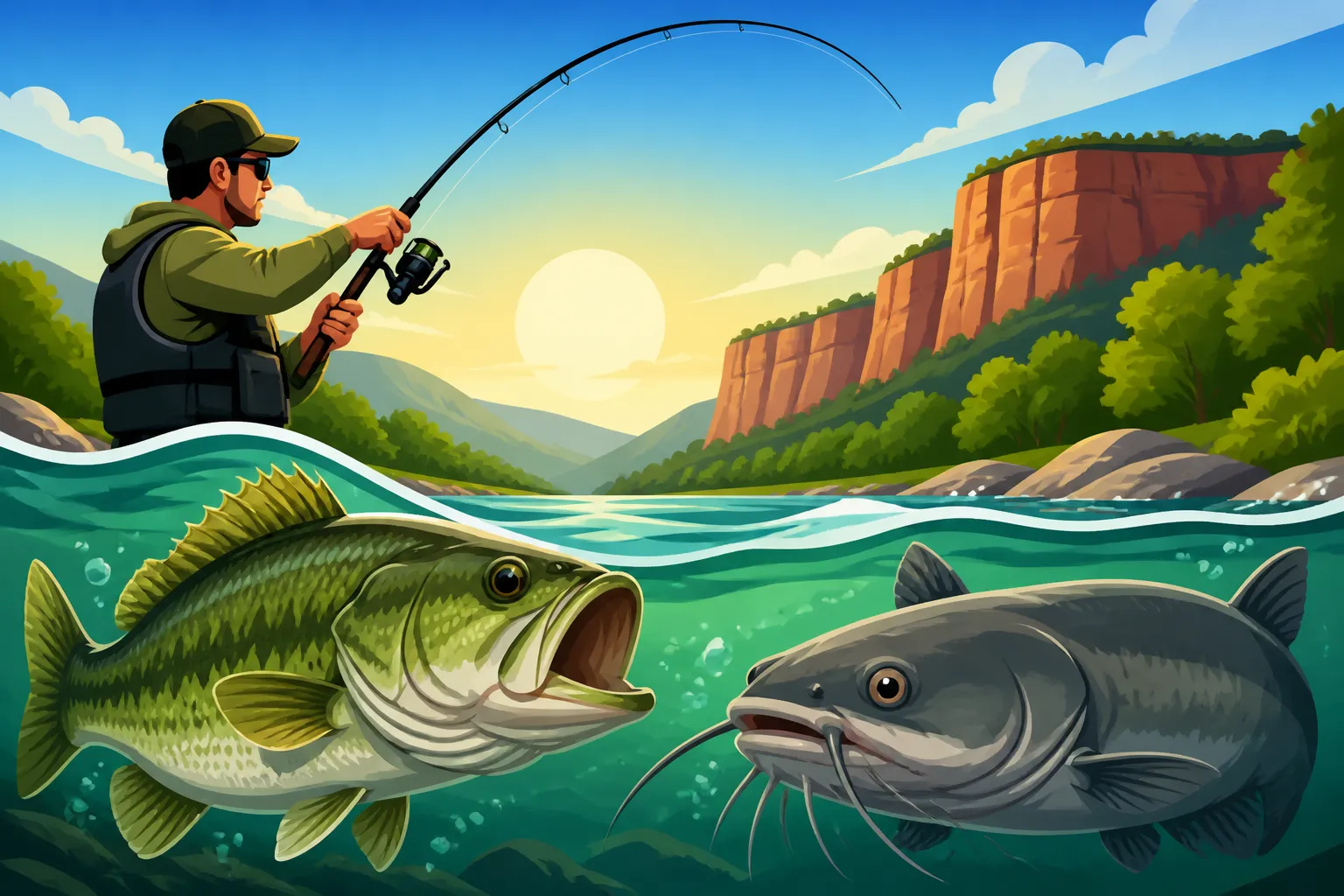
Fishing the Arkansas River for Bass and Catfish
The Arkansas River, with its vast stretches of flowing water, numerous locks and dams, and diverse ecosystems, can feel like a labyrinth if you're trying to pinpoint the best spots for specific fish like bass and catfish. Many anglers find themselves overwhelmed by its sheer size, unsure where to cast a line for consistent success or how to adapt their techniques to this powerful river system. This comprehensive guide is designed to cut through that confusion, offering clear, actionable advice on where and how to effectively target bass and catfish, ensuring your next trip to the Arkansas River is both productive and enjoyable.
Understanding the Arkansas River System for Fishing
The Arkansas River isn't just one continuous flow; it's a dynamic, intricate system shaped by a series of locks and dams that create distinct pools and tailwater sections. This unique setup profoundly influences where fish congregate and how they behave, making it crucial for any angler to understand its anatomy. From the bustling industrial areas near Little Rock to the more tranquil, rural stretches, each segment offers a different fishing experience and demands tailored strategies.
Navigating Locks, Dams, and River Pools
The McClellan-Kerr Arkansas River Navigation System is a marvel of engineering, but for anglers, it means a series of interconnected pools rather than a free-flowing river. Each lock and dam creates an upstream pool of relatively calm water and a downstream tailwater section with often turbulent, oxygen-rich currents. These structures are absolute magnets for fish, offering diverse habitats and concentrated food sources. Think of them as natural fish factories.
Upstream of the dams, the long, slower-moving pools often resemble large lakes, complete with submerged timber, old river channels, and various forms of cover like rock piles and rip-rap. These areas are fantastic for finding largemouth bass, especially in the shallower coves and protected backwaters. Catfish, particularly the larger blue catfish, often patrol the deeper sections of these pools, especially around significant creek mouths where nutrients wash in. Downstream, the tailwater sections directly below the dams are notorious for their strong currents and abundant baitfish, drawing in schools of hungry striped bass (though we're focusing on black bass and catfish here, it's worth noting) and massive blue and flathead catfish. The increased oxygen levels and disoriented baitfish create a feeding frenzy environment that wise anglers can capitalize on. Fishing directly in the boils can be challenging but incredibly rewarding, while the eddies and current breaks along the banks offer more stable ambush points.
Seasonal Changes and Water Levels
The Arkansas River's temperament changes dramatically with the seasons, and so do the fish. Spring brings rising water temperatures and often higher, muddier flows due to rain, which can scatter fish but also create new opportunities. Bass move to shallower, protected areas to spawn, making them vulnerable to jigs and spinnerbaits. Catfish become incredibly active, feeding aggressively as they prepare for their own spawn in late spring/early summer. Summer sees lower, warmer water levels. This often means fish retreat to deeper, cooler waters, concentrating around structure or seeking refuge in shaded areas. Early mornings and late evenings become prime fishing times.
Fall offers a fantastic window of opportunity as water temperatures begin to drop, and fish enter a pre-winter feeding binge. Bass will chase shad in open water, and catfish will gorge themselves on anything they can find, making this a great time for cut bait. Finally, winter slows everything down. Fish become lethargic and often hold tight to deep structure, making a slow, methodical approach essential. Catfish can still be caught in deeper holes with prepared baits, while bass might be found hugging timber piles in the main river channel. Keeping an eye on the U.S. Army Corps of Engineers' water release schedules is vital, as sudden changes in flow can drastically alter fishing conditions. When the gates open at the dams, the current can be fierce, making tailwater fishing exciting but also challenging.
Targeting Largemouth and Smallmouth Bass on the Arkansas River
While the Arkansas River might be famous for its incredible catfish, it also offers some fantastic bass fishing opportunities, particularly for largemouth and, in certain sections, smallmouth. It's a different game than lake fishing, requiring a keen understanding of current, structure, and bait presentation.
Prime Bass Habitats and Structures
River bass, especially largemouth, are incredibly structure-oriented. They're constantly seeking current breaks, ambush points, and cover from predators. On the Arkansas River, you'll want to focus on several key areas. First, look for any form of wood: submerged trees, log jams, brush piles, and fallen timber along the banks. These provide excellent cover and concentrate baitfish. Second, rip-rap banks, particularly those found around bridge pilings, causeways, and the dams themselves, are goldmines. The rocks offer shelter and warmth, attracting crawfish and baitfish, which in turn attract bass. Third, creek mouths and feeder streams are critical, especially after a rain, as they wash in nutrients and bait. The transition zones where these smaller waterways meet the main river often hold significant numbers of bass.
Finally, the less obvious structures like old barges, submerged pipelines, or even subtle depth changes in the river channel can hold fish. Don't be afraid to use your electronics to scout these areas. Remember, bass will often position themselves on the downstream side of a current break, conserving energy while waiting for prey to be swept to them. This is where your presentation needs to be accurate, getting your lure into that sweet spot without being immediately carried away by the current. Focusing on these high-percentage areas significantly increases your chances of connecting with a quality largemouth or even a feisty smallmouth in the clearer, rockier sections further upstream or in some of the tributaries.
Best Baits and Techniques for River Bass
River bass tend to be opportunistic, but certain baits and techniques consistently produce results. For largemouth, your standard arsenal will serve you well, with a few river-specific tweaks. Crankbaits that mimic shad or crawfish are excellent for covering water along rip-rap and submerged structure. Choose models that dive to the appropriate depth for the water you're fishing. Spinnerbaits and chatterbaits are fantastic for working around timber and through stained water, generating vibration that bass can home in on. Texas-rigged or Carolina-rigged soft plastics, like creature baits and worms, are perfect for slowly working through heavy cover and probing deeper holes. For clearer water or more subtle presentations, a shaky head jig or Ned rig can be incredibly effective.
When it comes to techniques, precision casting is paramount. You need to hit those current seams, the edges of log jams, and the breaks in the rip-rap. Instead of casting directly upstream and letting the current carry your lure down, try casting across or slightly downstream of your target. This allows you to work the lure against the current, giving it a more natural presentation and keeping it in the strike zone longer. When retrieving, use a slower, more deliberate pace than you might in a lake, as river bass often need a bit more time to react in the current. If you're struggling to locate a good guide for these techniques, platforms like FishingBooker can connect you with experienced local guides who know the specific nuances of bass fishing the Arkansas River.
Key Seasonal Patterns for Bass Success
Understanding the seasonal movements of bass on the Arkansas River is crucial for consistent success. In spring, as water temperatures rise into the 50s and 60s, bass move into shallower, protected coves and backwaters to spawn. Focus on areas with submerged vegetation, brush, and laydowns. Spinnerbaits, jigs, and shallow-diving crankbaits are excellent choices here. The bite can be aggressive as they guard their nests.
As summer heats up, bass often retreat to deeper, cooler water, concentrating around main river channel ledges, deep timber, and bridge pilings. Early morning and late evening topwater bites can be explosive, but during the heat of the day, switch to deep-diving crankbaits, Texas rigs, or drop shots to probe the depths. Look for any shaded areas or current breaks where they can find relief and ambush prey.
Fall brings a fantastic feeding frenzy as bass fatten up for winter. They'll often school up and chase shad in open water or along prominent points and humps. This is a prime time for lipless crankbaits, swimbaits, and even topwater lures like poppers and walking baits, especially during cloudy conditions. Focus on creek mouths where baitfish congregate before moving into the main river channel.
In winter, bass become lethargic and seek out the warmest, most stable water they can find, typically in deeper pockets, bends in the river, or tight to submerged structure. Slow-moving baits like jigs, spoons, and subtle soft plastics fished painstakingly slowly can elicit strikes. Don't expect a fast and furious bite, but patience can yield some surprisingly large fish. For more detailed insights into specific patterns and locations, remember to check out resources like the guide on Bass Fishing Techniques by Season.
Mastering Catfish on the Arkansas River: Channel, Blue, and Flathead
The Arkansas River is a true paradise for catfish anglers, boasting healthy populations of channel, blue, and flathead catfish. These powerful fish offer an exciting fight and are excellent table fare, making them a popular target. Each species has its own preferences, but there are common threads to successfully pursue the river's whiskered giants.
Where to Find the Big Cats
Finding catfish on the Arkansas River is all about understanding their preferred habitats, which often revolve around structure, current, and food availability.
Channel Catfish are the most widespread and adaptable, found throughout the river in both flowing and calmer waters. They love structure like log jams, submerged brush, and the rocky edges of banks and islands. Creek mouths where smaller streams feed into the main river are also prime spots, as they wash in food.
Blue Catfish are the true giants of the river, preferring stronger currents and deeper water. They'll congregate in deep bends, scour holes downstream of dams and wing dikes, and along the main river channel. Look for distinct drop-offs or underwater humps. They often roam in schools, so if you catch one, there are likely more.
Flathead Catfish are ambush predators with a strong preference for heavy cover and current breaks. They will often hold tight to massive log jams, rock piles, or undercut banks, waiting for live prey to drift by. They are less likely to be in open water than blues or channels.
Regardless of species, significant structures like the dams and lock walls create excellent current breaks and scour holes that hold large numbers of fish. You'll find these areas productive year-round. Also, don't overlook bridge pilings and discarded debris on the river bottom; anything that breaks the current or offers shelter can be a catfish magnet. Anglers seeking more localized knowledge on "where to find these monsters" often consult guides through platforms like FishingBooker for precise coordinates and seasonal hotspots.
Essential Catfish Baits and Rigging
Catfish are known for their strong sense of smell and their willingness to eat a wide variety of baits.
For Channel Catfish, prepared stink baits, cut bait (shad, skipjack herring, chicken livers), and even shrimp or hot dogs can be highly effective. They're not as picky as the other two.
Blue Catfish, especially the larger ones, prefer fresh cut bait. Shad and skipjack herring are considered premium baits. Many anglers specifically target these baitfish with cast nets or sabiki rigs before a blue cat trip. Live bait, like small sunfish or shad, can also be very effective for bigger blues.
Flathead Catfish are primarily piscivores (fish eaters) and have a strong preference for live bait. Live sunfish, shad, or even smaller suckers are excellent choices. They rarely respond to stink baits or even cut bait as readily as channels or blues.
When it comes to rigging, a simple bottom rig is usually all you need. The Carolina rig, with an egg sinker above a swivel, a leader, and a strong circle hook, is a staple. The weight allows your bait to stay on the bottom, while the leader lets the bait move naturally. Heavy tackle is a must, especially for blue and flathead catfish. Think stout rods, reels with strong drags, and braided line in the 30-80 lb test range, depending on the size of the fish you're targeting and the amount of snags in the area. A 7/0 to 10/0 circle hook is standard for larger catfish, ensuring a good hookset in the corner of the fish's mouth.
| Catfish Species | Preferred Habitat | Primary Baits | Rigging |
|---|---|---|---|
| Channel Catfish | Woody structure, creek mouths, moderate current | Stink bait, chicken liver, cut bait, shrimp | Carolina Rig, 1-2 oz sinker, 2/0-5/0 circle hook |
| Blue Catfish | Deep channels, scour holes, strong current | Fresh cut bait (shad, skipjack), live bait | Carolina Rig, 3-8 oz sinker, 7/0-10/0 circle hook |
| Flathead Catfish | Heavy log jams, undercut banks, current breaks | Live bait (sunfish, shad, suckers) | Carolina Rig, 3-8 oz sinker, 7/0-10/0 circle hook |
Night Fishing and Trotline Strategies
Catfish are primarily nocturnal feeders, and some of the most exciting and productive fishing on the Arkansas River happens after dark. Night fishing offers a unique experience, with the sounds of the river and the thrill of a hard-pulling fish amplified in the darkness. When fishing at night, focus on the same structures you'd target during the day, but often the fish will move shallower or become more active in their feeding patrols. Bring good headlamps, plenty of bait, and be prepared for powerful runs. Safety is paramount, so always be aware of your surroundings, especially if you're on the water.
Trotlining and jug fishing are also popular and highly effective methods for harvesting large quantities of catfish, especially blue and channel cats. A trotline consists of a main line stretched across a channel or along a bank, with numerous baited hooks suspended at various depths. Jug fishing involves individual lines tied to floating jugs or bottles, allowing the current to drift the baits across promising areas. Both methods require adherence to specific regulations regarding the number of hooks, tag requirements, and allowed locations. Before deploying any passive fishing gear, always check the current Arkansas Fishing Regulations Guide to ensure compliance. These techniques, while requiring more setup, can be incredibly rewarding, especially for anglers looking to fill their freezer with delicious catfish.
Top Access Points and Fishing Hotspots on the Arkansas River
The Arkansas River is a long waterway, winding its way through diverse landscapes, from urban centers to remote stretches. Knowing where to launch your boat or find good bank access is half the battle when planning a trip for bass and catfish.
Popular Boat Ramps and Shoreline Access
Access to the Arkansas River is generally excellent, thanks to public ramps managed by the U.S. Army Corps of Engineers and various municipalities. Near Fort Smith, you'll find accessible ramps like the one at Boat Ramps on the Arkansas River Near Fort Smith, offering entry to productive bass and catfish waters upstream and downstream of the city. These sections are often characterized by significant bends, deep holes, and plentiful log jams. Further east, around Little Rock, popular ramps include those at Two Rivers Park and various points along the river downtown. The area near the I-30 bridge, for example, is a known hotspot for both bass and catfish due to its varied structure and current. For anglers without a boat, there are numerous parks and designated areas offering Shore Fishing Access Points on the Arkansas River in and around urban areas, such as the Little Rock River Market area or Burns Park.
Downstream of Little Rock, toward the Delta region, access points become more spread out but often lead to less pressured fishing. Towns like Pine Bluff and Pendleton offer ramps that put you in prime catfish territory, especially in the wider, slower-moving sections of the river. Always check local maps or online resources for the most up-to-date information on ramp conditions and any potential fees. Many fishing guides, easily found on platforms like FishingBooker, operate from these established ramps and can provide insights into current conditions.
Specific River Sections Known for Productivity
Certain stretches of the Arkansas River consistently produce excellent catches of bass and catfish. The tailwaters below the Dardanelle Lock and Dam and the Ozark Lock and Dam are legendary for their abundant catfish populations, particularly large blues. The turbulent water below these dams provides rich oxygenation and disorients baitfish, creating an irresistible buffet for hungry cats. Anglers regularly pull trophy-sized fish from these areas using heavy cut bait. For bass, the backwaters and oxbow lakes connected to the main river, especially those with plenty of timber and vegetation, are prime targets. Areas like Lake Dardanelle itself, while technically a reservoir on the river, offers exceptional largemouth fishing, often benefiting from the river's flow.
The section of the river near Little Rock, encompassing the pools created by the local locks and dams, is also incredibly productive. The river bends, bridge pilings, and rip-rap found here are magnets for both bass and catfish. You can find excellent Fishing Spots on the Arkansas River Near Little Rock that cater to different styles of angling. Further downstream, the river widens and deepens, offering expansive areas for blue catfish and flatheads, particularly in the deep holes and channels around the various wing dikes and revetments. These structures are specifically designed to manage flow but inadvertently create fantastic fish habitat. Keep an eye on local fishing reports, as conditions can change rapidly with water levels and current.
Essential Gear and Safety Tips for Arkansas River Anglers
Fishing on a large river system like the Arkansas River presents unique challenges and requires specific gear and a keen awareness of safety. It's not like fishing a small pond; the currents, commercial traffic, and vastness demand respect and preparation.
Recommended Rods, Reels, and Line
For bass fishing on the Arkansas River, you'll want versatile setups that can handle both heavy cover and strong currents. A medium-heavy to heavy power casting rod, 6'6" to 7'6" in length, paired with a baitcasting reel spooled with 15-20 lb fluorocarbon or 30-50 lb braided line, is a solid choice. The braid is excellent for ripping lures out of snags and cutting through vegetation, while fluorocarbon offers stealth and sensitivity for finesse presentations. Having a few different setups for different techniques – one for crankbaits, one for jigs, one for topwater – will make your day much more efficient.
When targeting catfish, especially the potential giants, you need much heavier gear. A stout, heavy-action rod, 7 to 10 feet long, capable of handling heavy weights and powerful fish, is essential. Pair this with a large baitcasting reel or a robust spinning reel (like a Penn Battle or Shimano Thunnus) spooled with 50-80 lb braided line, or even heavy monofilament for its abrasion resistance. Leader material should be 80-100 lb monofilament or fluorocarbon, especially around sharp rocks and abrasive structures. Don't skimp on hooks; large, sharp circle hooks (7/0-10/0) are key to secure hooksets and protecting the fish if you plan on releasing it. Investing in quality gear for these species on the Arkansas River will prevent heartbreak and ensure you can land that fish of a lifetime.
Navigational Hazards and Safety Precautions
The Arkansas River is a working river, and safety should always be your top priority. One of the primary hazards is commercial barge traffic. These massive vessels cannot stop or turn quickly, and their wakes can be significant. Always give them a wide berth and be aware of your surroundings, especially in narrow channels or near locks. Currents can be deceptively strong, particularly downstream of the dams. Always wear a U.S. Coast Guard-approved life jacket, and ensure your boat has all the required safety equipment, including navigation lights if you'll be on the water before dawn or after dusk.
Submerged hazards are also a constant concern. The river bottom is full of old log jams, stumps, and debris that can damage propellers or even hull. Navigate slowly in unfamiliar waters and pay close attention to river markers. Sudden weather changes can also be dangerous, bringing strong winds, lightning, and heavy rain. Always check the forecast before heading out, and be prepared to seek shelter quickly. Carrying a fully charged cell phone, a VHF radio, and informing someone of your float plan are basic but crucial safety measures. Many of these safety considerations are detailed in the comprehensive Arkansas Fishing License Penalties and Requirements, emphasizing the importance of responsible angling.
Arkansas River Regulations and Conservation Efforts
Fishing is a privilege, and understanding and adhering to regulations is key to ensuring healthy fish populations for generations to come. The Arkansas Game and Fish Commission (AGFC) manages the river's resources, and their rules are designed to balance angler enjoyment with ecological sustainability.
Understanding Daily Limits and Size Restrictions
Like all public waters in Arkansas, the Arkansas River is subject to statewide and sometimes specific local regulations regarding daily creel limits and minimum size restrictions for various species. For bass, the statewide daily limit for largemouth, smallmouth, and spotted bass combined is typically 10 fish, with a minimum length of 12 inches for largemouth. However, there can be specific exceptions for certain stretches or connected oxbows, so it's vital to consult the current AGFC Fishing Guide before your trip. For example, some lakes connected to the river might have slot limits or different minimum lengths.
For catfish, the regulations can vary by species. Typically, channel catfish have a daily limit of 10, with no minimum length, while blue catfish have a daily limit of 10, with specific rules often applying to fish over a certain size (e.g., only one fish over 34 inches). Flathead catfish often have a lower daily limit, sometimes only 5, with no minimum length. These regulations are in place to prevent overharvest and ensure that enough breeding stock remains. It's your responsibility as an angler to know these rules. A quick check of the AGFC website or picking up a physical copy of the guide from a local sporting goods store is always a good idea. For specific numbers on your target species, refer to the Arkansas Fish Size and Daily Limits document.
Practices for Sustainable River Fishing
Beyond just legal compliance, practicing good conservation ethics ensures the health of the Arkansas River fishery. Catch and release is a vital practice, especially for larger breeding-size bass and trophy catfish. If you plan to release a fish, handle it carefully, minimize its time out of the water, and use proper techniques to ensure its survival. Barbless hooks can also make release easier and less damaging.
Respecting habitat means avoiding unnecessary disturbance to spawning beds, submerged vegetation, or fragile shoreline areas. Don't leave trash or discarded fishing line behind; pick up any litter you see. Fishing responsibly also means being mindful of what you're keeping. While it's perfectly fine to harvest fish for consumption, only take what you need and what is legally allowed. Consider keeping smaller, more abundant fish for the table and releasing the larger, older fish that are crucial for the gene pool. By doing your part, you contribute to a thriving Arkansas River that can provide enjoyment for anglers for generations to come. Many fishing enthusiasts who care deeply about conservation also ensure they are booking trips with guides who adhere to these principles, often checking reviews on platforms like FishingBooker that highlight guides' conservation practices.
Disclaimer
The information provided in this guide is for general informational purposes only and is subject to change. Fishing regulations, water conditions, and fish behavior can vary significantly. Always consult the latest official Arkansas Game and Fish Commission regulations before your fishing trip and prioritize your safety on the water.