The Best Trout Fishing Spots in Arkansas
Oh, the quest for a good trout fishing spot in Arkansas! If you've ever found yourself staring at a map, overwhelmed by all the blue lines, wondering which river truly holds those elusive, hard-fighting trout, you're not alone. It's a fantastic problem to have, but it can definitely be a headache trying to pinpoint the best places when you just want to get your line in the water. This guide is going to cut through the confusion and lead you straight to Arkansas's premier trout destinations, giving you all the insider info you need for an unforgettable angling adventure.
Understanding Arkansas's Trout Legacy: A Coldwater Paradise
When folks think of Arkansas, often their minds drift to bass, crappie, or even catfish in our many lakes and rivers. But tucked away within this beautiful state is a secret, thriving world of coldwater fisheries that rival some of the best in the country. It's a genuine trout paradise, and once you dip your toes into these waters, you'll understand why it draws anglers from all over.
The Ozark Mountain Influence on Trout Waters
So, what makes Arkansas such a prime spot for trout? It largely boils down to the majestic Ozark Mountains and their incredible geological features. These ancient mountains are like natural water filters, riddled with limestone formations and countless underground springs. These springs consistently pump out crystal-clear, oxygen-rich, and crucially, cold water, even during the scorching summer months. This consistent cold water is the lifeblood of our trout populations.
While many states rely solely on high-elevation streams for trout, Arkansas has the added advantage of its dammed rivers. When the U.S. Army Corps of Engineers built large dams on rivers like the White, Norfork, and Little Red, they created deep, cold reservoirs. The water released from the bottom of these dams, known as "tailwaters," is always frigid, making the miles of river below them perfect trout habitat. This unique combination of natural spring-fed streams and extensive cold tailwaters creates an expansive and diverse trout fishery that few other places can match. It’s truly a special ecosystem.
Arkansas's Premier Trout Species
You might be surprised by the variety of trout that call Arkansas home. While you won't find every single species here, the ones we do have thrive and offer fantastic fishing opportunities. Knowing your target species can help you tailor your approach and expectations.
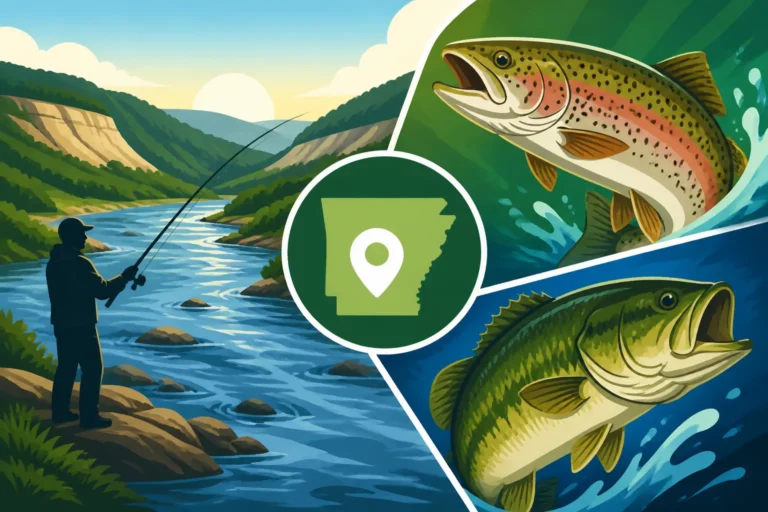
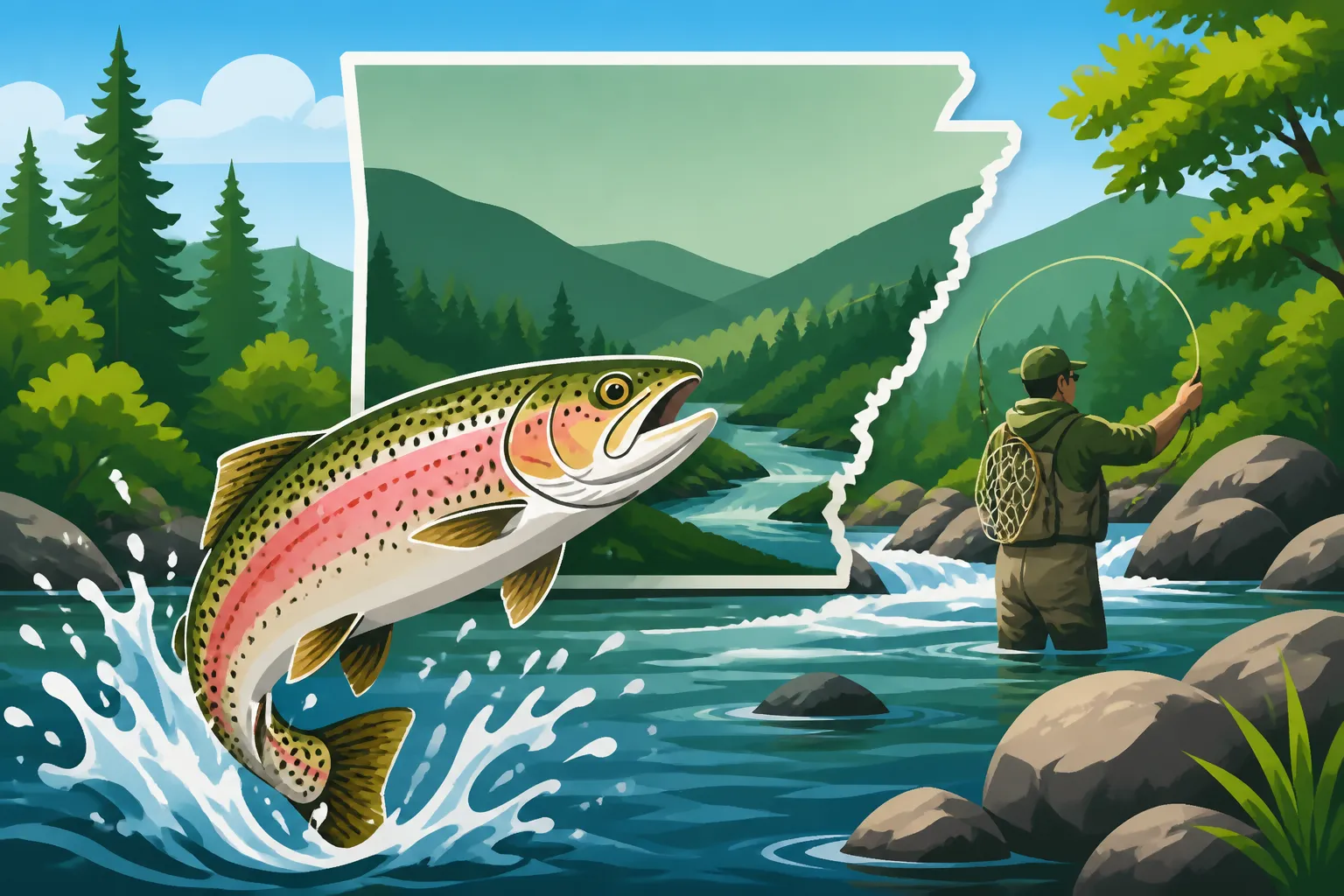
- Rainbow Trout: These are, by far, the most common trout you'll encounter in Arkansas. They're heavily stocked by the Arkansas Game and Fish Commission (AGFC) in most of our coldwater streams and tailwaters. Rainbows are known for their vibrant colors, often sporting a distinctive reddish-pink stripe along their sides. They're generally eager biters and put up a spirited fight, making them a favorite for anglers of all skill levels. While often stocked at pan-sized, many grow to impressive sizes, especially in nutrient-rich tailwaters.
- Brown Trout: Ah, the brown trout – the true trophy fish of Arkansas. These beautiful, intelligent fish are a bit more elusive than rainbows, but their striking golden-brown bodies with dark and sometimes red spots make them a prize catch. Brown trout are known for their strong runs and powerful fights, and they can grow to truly enormous sizes in the White and Little Red Rivers, with some exceeding 20 pounds! They're also known for their incredible camouflage, making them masters of their environment.
- Cutthroat Trout: While not as widespread as rainbows or browns, cutthroat trout have been stocked in specific areas of the White River system. They are easily identified by the distinctive reddish-orange slashes under their jawline, which give them their name. These native western trout are beautiful and provide a unique angling experience, though they can be a bit more finicky. Catching a cutthroat in Arkansas is often considered a special bonus.
- Brook Trout: The smallest and most vibrant of the trout species, brook trout are rarely found in Arkansas, but they do exist in a few isolated, high-elevation, spring-fed streams. These stunning fish, with their worm-like patterns on their back and bright red spots, are a rare and precious find. Anglers who pursue brook trout in Arkansas often do so in remote, challenging terrain, seeking solitude and the reward of catching a truly wild, native-like fish. Their presence is a testament to the diverse and healthy coldwater habitats Arkansas offers.
The Mighty White River System: Arkansas's Crown Jewel of Trout
If there's one name that dominates Arkansas trout fishing, it's the White River. This legendary waterway, particularly its stretches below the major dams, is a globally recognized destination for incredible trout action. It's where dreams of trophy browns and countless rainbows come true.
Bull Shoals Tailwater: Big Trout, Big Dreams
The White River below Bull Shoals Dam, often simply called the Bull Shoals Tailwater, is arguably the most famous trout fishery in Arkansas, and for good reason. Stretching for miles through stunning Ozark scenery, this section of the river is home to an incredible density of trout, including a population of brown trout that consistently produces monsters. Many anglers come here specifically with the hope of catching a true trophy brown.
The fishing experience here is heavily influenced by the dam's water generation schedule. When the generators are running, the river swells, creating swift currents and deep channels that are best fished from a boat or drift boat. This high-water scenario is often when the biggest browns become active, as they use the current to ambush baitfish. Conversely, during low-water periods, the river becomes more accessible for wade fishing, revealing gravel bars and riffles that hold eager rainbow trout. Understanding these flow conditions, which you can typically check online with the Corps of Engineers, is absolutely critical to a successful day here. Whether you're casting small spinners, drifting PowerBait, or meticulously presenting flies, the Trout Fishing Below Bull Shoals Dam on the White River truly offers something for every type of angler. Just remember to always be aware of changing water levels; what starts as a peaceful wade can quickly become dangerous if the generators kick on upstream. Always keep an eye on the river and have a safety plan. You'll also want to familiarize yourself with the Bull Shoals Tailwater Trout Rules in Arkansas as regulations can be specific to certain stretches.
Norfork Tailwater: Consistent Action, Incredible Beauty
Just a bit east of the Bull Shoals section, you'll find the Norfork River, which flows into the White River near Norfork, Arkansas. The Norfork Tailwater, below Norfork Dam, is a gem in its own right. While it might not boast the sheer size potential of the White River's biggest browns, it makes up for it with incredibly consistent action, especially for rainbow trout, and a breathtakingly beautiful, intimate setting. It's a much smaller river, making it feel more like a classic trout stream, but don't let its size fool you—it holds some truly impressive fish.
The Norfork is renowned for its prolific hatches, making it a fly-fishing paradise. Anglers often find success with tiny midges, scuds, and sowbugs, imitating the abundant natural food sources. Spin fishermen also do exceptionally well here with small jigs, inline spinners, and drifted baits. Access points are plentiful, with popular spots like Quarry Park, and it’s a favorite for both wade fishing and short float trips. Many families love the Norfork for its reliable catches and stunning scenery, making it an ideal spot for a relaxing day on the water. Before you go, it's a good idea to check the Norfork Tailwater Trout Limits on the Norfork Tailwater in Arkansas to ensure you're fishing within the regulations, and also understand the Norfork Tailwater Trout Rules and Season which can dictate specific times and methods.
Cotter and Calico Rock Stretches: Classic White River Experiences
Beyond the immediate tailwaters of Bull Shoals and Norfork, the White River continues its journey, offering miles of fantastic trout water. The stretches around iconic towns like Cotter and Calico Rock are legendary for their classic White River experiences. Here, the river widens, the currents become more varied, and the scenery is simply postcard-perfect.
These sections are particularly popular for multi-day float trips, where anglers can drift slowly downstream, casting to prime lies and enjoying the solitude of the river. You'll find a healthy mix of stocked rainbows and wild brown trout that have grown large on the abundant forage. Many of the local guides operate out of these areas, knowing every eddy, deep hole, and undercut bank where trout like to hide. The fishing pressure can be a bit higher near public access points, but with a bit of exploration or the help of a knowledgeable guide, you can find stretches that feel untouched. These areas provide a fantastic balance of excellent fishing and stunning natural beauty, embodying the true spirit of Arkansas trout fishing.
The Little Red River: Home of the World Record Brown Trout
While the White River commands a lot of attention, any discussion of Arkansas trout fishing would be incomplete without a deep dive into the Little Red River. This river, particularly its tailwater section, holds a special place in angling history, forever linked to one of the most incredible brown trout ever caught.
Greers Ferry Dam Tailwater: Where Legends Are Made
Below Greers Ferry Dam, the Little Red River transforms into a world-class trout fishery, a place where legends truly are made. This relatively smaller tailwater has a well-deserved reputation for producing truly gargantuan brown trout. In fact, it was here, back in 1992, that a staggering 40-pound, 4-ounce brown trout was caught, setting a world record that stood for many years and remains the Arkansas state record to this day. That kind of potential is what draws serious trophy hunters from around the globe to the Little Red.
Fishing here is often a game of patience and precision. While rainbows are plentiful, the big browns require a more dedicated approach. They are cunning, wary creatures that have seen it all. Just like the White River, the generation schedule at Greers Ferry Dam plays a massive role. High water can be fantastic for drifting larger streamers or baitfish imitations, while low water opens up excellent wading opportunities to target holding lies with smaller fly patterns or delicate presentations. The thrill of knowing that every cast could connect you with a record-breaking fish is a constant, electrifying presence on the Little Red. It's a challenging river, no doubt, but the rewards can be absolutely monumental.
Access Points and Techniques on the Little Red
The Little Red River offers several key access points that anglers frequent, each providing a slightly different experience. John F. Kennedy Park, located right below the dam, is a very popular spot, offering easy access for both boaters and waders (during low water). This area is often bustling, especially on weekends, due to its convenience. Further downstream, you'll find other well-known spots like Cow Shoals and Swinging Bridge, which offer excellent wading opportunities and are favored by fly fishermen.
When it comes to techniques, variety is key on the Little Red. For fly anglers, imitating the abundant aquatic insects is paramount. Tiny midge patterns, scuds, and sowbugs are often the most productive flies, especially when nymphing under an indicator. Streamer patterns, mimicking small baitfish, can be deadly for larger brown trout, particularly during higher flows or early/late in the day. Spin fishermen do well drifting PowerBait or corn, using small, weighted presentations. Artificial lures like small Rapalas or Rooster Tails can also entice strikes. Due to the river's reputation, it can get busy, so always be mindful of other anglers and practice good river etiquette. It's a truly special place, and respecting both the resource and fellow anglers ensures everyone has a great experience.
Smaller, Hidden Gems and Unique Trout Opportunities
While the White and Little Red Rivers are the undisputed champions of Arkansas trout fishing, the state also offers several other unique and often less-crowded opportunities for those willing to explore a bit further. These spots might not yield world-record browns, but they offer charm, solitude, and excellent fishing in their own right.
Spring River: Natural Flowing Trout Heaven
The Spring River, located in northeast Arkansas, stands apart from the tailwater fisheries. This remarkable river is fed by Mammoth Spring, one of the largest springs in the Ozarks, which gushes out an astonishing 9 million gallons of 58-degree water per hour. This constant, cold flow means the Spring River is a true spring-fed river, not reliant on a dam's release, and supports a naturally reproducing population of trout in its upper sections. It has a distinctly different character than the larger tailwaters—it's wilder, rockier, and feels more untamed.
Anglers often flock to the stretch from Mammoth Spring State Park downstream to the city of Hardy. Here, you'll find a mix of rainbows and healthy brown trout. The river is known for its shoals and rapids, making it popular for float trips in canoes or kayaks. Wade fishing is also excellent in many areas, particularly during lower flows. What's truly unique about the Spring River is the potential to catch smaller, wild brook trout in some of its colder, more remote headwater tributaries, although these are typically very challenging to access and find. The main river, however, offers consistent action, and because it’s spring-fed, you can find good fishing even when other rivers are struggling with irregular generation schedules. Make sure you know the Spring River Brown Trout Minimum Length in Arkansas rules to keep yourself compliant!
Little Missouri River: Wild Trout in the Ouachitas
For those seeking solitude and a challenging, rewarding experience in a stunning wilderness setting, the Little Missouri River in the Ouachita Mountains is a must-visit. Unlike the Ozark rivers, the Little Missouri offers a truly wild trout fishery, particularly in its designated "Catch-and-Release" section below the Albert Pike Recreation Area. Here, the river is teeming with naturally reproducing brown trout, a rare and precious resource in Arkansas.
This is not a numbers game; it's about the pursuit of wild, smart trout in a pristine environment. The river is smaller, rockier, and requires precise casting and careful wading. Many anglers consider it a fly-fishing haven, demanding delicate presentations and an understanding of the river's subtle currents. The surrounding Ouachita National Forest provides a breathtaking backdrop, and you'll often feel like you have the entire river to yourself. It's a place to slow down, appreciate nature, and test your angling skills against truly wild fish. If you're looking for a peaceful escape and the thrill of a wild trout, explore the Little Missouri River Fishing Spots in Arkansas. This unique river offers an experience that feels miles away from the busier tailwaters.
Remote Streams and Stocked Ponds
Beyond the famous rivers, the Arkansas Game and Fish Commission actively manages several other smaller trout fisheries, often stocking trout in designated "put-and-take" streams or urban ponds. These spots are fantastic for beginners, families, or those just looking for a quick and easy trout fix.
For example, certain sections of rivers like the West Fork of the Illinois River or various smaller creeks in the Ozarks receive seasonal trout stockings. These areas provide excellent opportunities for spin fishermen and bait anglers. The AGFC's "Family and Community Fishing Program" also stocks trout in various ponds and lakes across the state during the cooler months, often within city limits or state parks. These accessible locations, such as Lake Atalanta in Rogers or Lake Fayetteville, make it incredibly easy for kids and novice anglers to experience the joy of catching trout. While these might not offer the wildness of the Little Missouri or the trophy potential of the White River, they provide valuable, convenient, and fun trout fishing experiences for everyone. It's a testament to Arkansas's commitment to making trout fishing accessible to all.
Essential Gear and Tactics for Arkansas Trout
Alright, you know where to go, but what do you bring, and how do you catch them? Fishing for trout in Arkansas's diverse waters requires a bit of thoughtful preparation. Having the right gear and understanding effective tactics will dramatically increase your chances of success and make your time on the water more enjoyable.
Rods, Reels, and Line for Various Conditions
When it comes to tackle, versatility is your friend. Here's a breakdown for both fly and spin fishing:
- Fly Fishing Setup:
- Rods: For the larger tailwaters like the White or Little Red, a 9-foot, 5-weight or 6-weight fly rod is a fantastic all-around choice. It has enough backbone to handle larger trout and cast heavier nymph rigs or streamers. For smaller streams like the Norfork or the Little Missouri, a lighter 3-weight or 4-weight rod offers more delicate presentations and enhances the fight of smaller fish.
- Reels: A reliable, smooth-drag fly reel matched to your rod weight is essential. It doesn't need to be fancy, but a good drag system is crucial when a large brown trout decides to make a run.
- Line: A weight-forward floating line is standard for most situations. You'll then attach a tapered leader (7.5-9 feet, 3X-5X) and tippet (4X-7X) depending on water clarity and fly size. Fluorocarbon tippet is often preferred for its invisibility and abrasion resistance.
- Spin Fishing Setup:
- Rods: An ultralight to light action spinning rod, typically 5 to 7 feet long, is ideal. This allows for excellent sensitivity to detect subtle bites and provides maximum fun fighting even smaller trout.
- Reels: A small, smooth-spinning reel (size 1000-2000) with a good drag system is perfect.
- Line: Stick with light monofilament or fluorocarbon line, generally 4-pound to 6-pound test. Lighter line means more bites! For clear water, fluorocarbon is a definite advantage due to its near invisibility underwater.
Choosing the right setup means considering the size of the water you're fishing and the size of the fish you're targeting. A heavy setup on a small stream will feel clunky and lead to fewer bites, while an ultralight setup on the White River might be overwhelmed by a truly big fish.
Baits, Lures, and Flies That Get Results
This is where the fun really begins! Trout in Arkansas can be picky, but they're also opportunistic. Having a good selection of offerings is key.
Here's a quick guide to popular choices:
| Fishing Method | Bait/Lure/Fly Type | Specific Examples | Best Use Case |
|---|---|---|---|
| Spin Fishing | Natural Baits | PowerBait (various colors), corn, salmon eggs, nightcrawlers | Drifting on bottom, under a bobber; stocked trout |
| Inline Spinners | Rooster Tail, Panther Martin, Mepps | Active fish in current, searching water | |
| Small Spoons | Kastmaster, Little Cleo | Deeper water, mimicking baitfish | |
| Small Jerkbaits/Plugs | Rapala F-series, Trout Magnet | Aggressive trout, imitating minnows | |
| Fly Fishing | Nymphs | Scuds, sowbugs, caddis larvae, midges, pheasant tail, prince | Subsurface feeding, year-round |
| Streamers | Woolly Bugger (olive, black), Sculpzilla, Clouser Minnow | Targeting large browns, mimicking baitfish | |
| Dry Flies | Caddis, PMDs, Sulphurs, Tricos (seasonal) | When trout are rising to insects on the surface | |
| Emergers | Soft Hackles, RS2 | When insects are transitioning from nymph to adult |
For spin fishermen, drifting a small piece of PowerBait (especially chartreuse, pink, or white) on a light leader with minimal weight is a go-to. Small inline spinners like a #0 or #1 Rooster Tail in black, white, or chartreuse are also deadly. For fly anglers, don't leave home without an assortment of midge patterns (zebra midge, disco midge) and scud/sowbug patterns, as these are the year-round staples on Arkansas tailwaters. When the generators are running on the White River, a well-placed Woolly Bugger can entice aggressive brown trout. Remember, trout often key in on specific food sources, so pay attention to what's hatching or what locals are using.
Navigating Water Generation and Seasonal Changes
This is perhaps one of the most crucial aspects of trout fishing success in Arkansas, especially on the major tailwaters. The rivers below Bull Shoals, Norfork, and Greers Ferry dams are hydropower generation facilities, meaning water levels can fluctuate wildly throughout the day based on electricity demand.
-
Water Generation: Always, always, always check the generation schedule before you head out. The Army Corps of Engineers websites (Little Rock District) provide hourly schedules that are invaluable. During low water, wade fishing is typically excellent, but flows can rise rapidly, creating dangerous conditions. During high water, boat fishing becomes the primary method, allowing access to deeper channels and swift currents where big fish hold. Understanding and adapting to these changes is paramount. Ignoring the generation schedule is not only unproductive for fishing but can also be incredibly dangerous.
-
Seasonal Changes: While trout fishing is a year-round sport in Arkansas, different seasons offer unique advantages.
- Spring: As water temperatures begin to stabilize, insect hatches become more prolific, offering excellent dry fly fishing opportunities. Trout are often very active post-winter.
- Summer: The consistent cold water from the dams makes tailwaters prime summer destinations when other waters are too warm. Early mornings and late evenings are often most productive. Focus on deeper, oxygenated water.
- Fall: This is prime time for trophy brown trout. As water temperatures cool and brown trout prepare for their spawn, they become incredibly aggressive and will actively chase larger streamers and baitfish imitations. It's often considered the best season for a trophy fish.
- Winter: Don't put your rods away! Winter fishing can be fantastic, with fewer crowds and hungry trout. Focus on subsurface presentations, nymphs, and scuds, as insect activity slows.
Understanding the subtle nuances of Arkansas Fishing Seasons Guide and how they interact with water generation will put you miles ahead of the game. It's all about being flexible and adapting to the conditions of the day.
Planning Your Ultimate Arkansas Trout Fishing Trip
Now that you're armed with knowledge about the best spots, species, and techniques, it's time to put it all together and plan your dream trip. Arkansas offers a wide range of options, from rugged DIY adventures to luxurious guided excursions.
Hiring a Local Guide: An Unbeatable Advantage
For many anglers, especially first-timers to Arkansas's trout waters or those specifically targeting trophy fish, hiring a local guide is an absolute game-changer. These seasoned professionals spend hundreds of days on the water each year and possess an unparalleled understanding of the rivers. They know:
- Current Conditions: Where the fish are holding based on present water generation, temperature, and recent fishing pressure.
- Effective Techniques: Which flies, lures, or baits are working today.
- Safety: How to safely navigate the currents and changing water levels, especially on tailwaters.
- Access: The best spots, including private access points, to avoid crowds.
A guided trip often includes all the necessary gear, flies, and even lunch. It's an investment, but the knowledge gained, the increased chances of success, and the sheer enjoyment of a stress-free day on the water often make it incredibly worthwhile. Services like FishingBooker can be an excellent resource for finding reputable, experienced local guides who specialize in Arkansas trout fishing. They can help connect you with the right person for your specific goals, whether you're chasing trophy browns on the White River or looking for a family-friendly rainbow trout experience on the Norfork. Checking out How to Book a Fishing Guide in Arkansas will give you a detailed breakdown of the process and what to expect.
Essential Regulations and Permits
Before you even think about casting a line, you absolutely must ensure you're compliant with Arkansas's fishing regulations. Ignorance of the law is not an excuse, and game wardens in Arkansas are diligent about protecting the state's valuable fisheries.
Here's what you need to know:
- Arkansas Fishing License: Anyone 16 years of age or older needs a valid Arkansas fishing license. There are different licenses for residents and non-residents, and various durations (annual, 3-day, etc.) to suit your trip length.
- Arkansas Trout Permit: In addition to a general fishing license, if you plan to keep trout or fish in designated trout waters, you must purchase an Arkansas Trout Permit. This is a separate stamp or endorsement that funds trout stocking and management programs.
- Specific Regulations: Arkansas's trout waters often have very specific, sometimes complex, regulations that vary by river and even by specific sections of the river. These can include:
- Catch-and-Release Only Zones: Areas where all trout must be immediately released.
- Size Limits: Minimum or slot limits for keeping certain species.
- Daily Limits: The maximum number of fish you can keep per day.
- Gear Restrictions: Some areas might be restricted to artificial lures only, or single, barbless hooks.
Always carry a copy of the current Arkansas Fishing Regulations Guide (available from the AGFC website or license vendors) and review it thoroughly for the specific waters you plan to fish. You can easily purchase your Arkansas Fishing License Rules and Costs and Arkansas Trout Permit Rules online through the AGFC website or at most sporting goods stores and bait shops across the state. It's quick, easy, and essential!
Accommodations and Local Amenities
A great fishing trip isn't just about the fish; it's about the entire experience. Fortunately, Arkansas's premier trout destinations are surrounded by charming towns and ample amenities to make your stay comfortable and convenient.
- Lodging: You'll find a wide range of accommodation options, from rustic cabins and campgrounds to full-service resorts and quaint bed & breakfasts. Towns like Mountain Home, Cotter, Calico Rock (for the White and Norfork Rivers), and Heber Springs (for the Little Red River) all offer excellent choices within minutes of the water. Many fishing resorts even have their own private access points or guide services.
- Tackle Shops: Local bait and tackle shops are invaluable resources. Not only can you pick up last-minute supplies, but the folks working there are often local anglers who can provide up-to-the-minute reports on what's biting, what flies are working, and any recent changes in river conditions.
- Restaurants: After a long day on the water, nothing beats a good meal. You'll find plenty of local eateries serving up hearty meals, from classic Southern comfort food to delicious fresh-caught fish (sometimes even trout!).
- Supporting Local: Remember to support the local communities that host these incredible fisheries. Your business helps ensure these towns continue to thrive and maintain the access and infrastructure that anglers rely on. Exploring Arkansas State Parks with the Best Fishing Access can also provide great lodging and amenity options for your stay.
Conservation and Ethical Angling Practices
Arkansas's trout fisheries are a precious resource, sustained by both natural reproduction and dedicated stocking efforts by the AGFC. As anglers, we all have a responsibility to protect these waters and ensure they remain vibrant for generations to come. Practicing ethical angling is not just about following the rules; it's about respecting the fish, the environment, and fellow anglers.
Protecting Arkansas's Fragile Trout Ecosystems
Every time we step into a river or cast a line, we're interacting with a delicate ecosystem. Our actions can have a significant impact, both positive and negative. Here are some key practices to adopt:
- Catch-and-Release Best Practices: For those times you're not keeping fish (or in designated catch-and-release areas), proper handling is crucial for the fish's survival.
- Wet Hands: Always wet your hands before touching a fish. Dry hands can remove the protective slime layer, making the fish susceptible to disease.
- Minimize Handling: Handle the fish as little as possible. Keep it in the water if you can.
- Barbless Hooks: Consider using barbless hooks, or crimp down the barbs on your barbed hooks. This makes hook removal much easier and reduces stress on the fish.
- Quick Release: Release the fish as quickly as possible. If it's lethargic, hold it gently in the current, facing upstream, until it swims away under its own power.
- Avoid the Gills: Never grab a fish by the gills.
- Leave No Trace: Pack out everything you pack in. This includes all trash, fishing line scraps, and any other litter. Leave the riverbank cleaner than you found it.
- Respect Private Property: Much of the land along Arkansas's rivers is privately owned. Always be aware of property lines and seek permission before crossing or fishing on private land. Stick to public access points and easements.
- Avoid Spreading Aquatic Invasive Species: Clean, drain, and dry your boats, waders, and gear between fishing trips to different bodies of water. This helps prevent the spread of invasive species that can harm native ecosystems.
By adopting these simple practices, you contribute directly to the health and sustainability of Arkansas's incredible trout fisheries.
Understanding Special Regulations and Zones
As mentioned earlier, Arkansas's trout regulations can be quite specific, with different rules applying to different stretches of the same river. These special regulations aren't arbitrary; they are carefully designed by fisheries biologists to protect specific populations, especially large brown trout, and to enhance the overall fishing experience.
- Designated Zones: Many rivers, like the White and Little Red, have "blue-ribbon" or "trophy" zones that might have stricter rules, such as artificial lures only, single hooks, or specific slot limits (e.g., only keeping fish under a certain size or over another size, but releasing those in between). These rules often aim to protect prime spawning fish or allow trophy-sized fish to grow larger.
- Seasonal Changes in Rules: Occasionally, regulations might change seasonally, particularly around spawning periods. Always double-check the latest AGFC regulations before each trip.
- Why These Rules Matter: For example, the use of single, barbless hooks in certain areas is a direct measure to increase the survival rate of released fish. Slot limits on brown trout are designed to protect the breeding stock of large, mature fish, ensuring future generations of trophy browns. Understanding the intent behind these rules can help foster a greater appreciation for why they're in place.
By being a diligent and ethical angler, you play a vital role in ensuring that the best trout fishing spots in Arkansas continue to thrive for everyone to enjoy.
Disclaimer
Please note that fishing regulations, conditions, and fish populations can change frequently. Always consult the most current Arkansas Game and Fish Commission regulations before planning your trip. The information provided in this guide is for general informational purposes only and should not be considered legal advice. Anglers are responsible for understanding and adhering to all applicable laws and regulations.