Arkansas’s Best Rivers for Trout, Bass, and Catfish
There’s nothing quite like the feeling of chasing a vibrant rainbow trout in crystal-clear waters, battling a feisty smallmouth in a scenic stream, or pulling up a monster catfish from the depths of a wide, slow-moving river. But in Arkansas, with its incredible diversity of waterways, knowing where to start can feel overwhelming. This guide is your ultimate companion to navigating the Natural State's best rivers, helping you pinpoint the perfect spot for trout, bass, and catfish, no matter your skill level or preferred fishing style.
The Mighty White River: A Trout Angler's Paradise
When most folks think of trout fishing in Arkansas, their minds immediately drift to the White River, and for good reason. This legendary waterway, particularly its stretches below the major dams, offers some of the finest trout fishing anywhere in the world. It’s a cold-water haven where the waters released from the deep reservoirs like Bull Shoals Lake create an ideal habitat for rainbow, brown, cutthroat, and brook trout. If you've ever dreamed of catching a truly massive brown trout, this is where that dream can become a reality.
Trophy Brown Trout Sections
The White River below Bull Shoals Dam is famous for its incredible brown trout fishery. This section, stretching for miles, provides varied habitat from deep pools to riffles and runs, all managed to grow substantial trout. Anglers come from all corners of the globe hoping to land a brown trout over ten pounds, with twenty-pounders not uncommon and even larger fish recorded.
Successfully targeting these trophy brown trout requires patience and a good understanding of their habits. Many anglers opt for guided trips, and reputable guides often operate year-round on this stretch, knowing the river intimately regardless of generation schedules. You might find yourself drifting slowly in a jon boat, meticulously casting streamer patterns or larger minnow imitations towards submerged timber and rocky outcroppings where these big fish lie in wait. The experience is often as much about the stunning Ozark scenery as it is about the fish itself, with bald eagles soaring overhead and deer grazing along the banks. It’s truly a special place for any serious trout enthusiast.
Rainbow and Cutthroat Abundance
While the big browns get a lot of press, the White River is also teeming with robust rainbow and feisty cutthroat trout, providing consistent action for anglers of all skill levels. These fish are regularly stocked by the Arkansas Game and Fish Commission, ensuring healthy populations. The beauty of the White River is its accessibility; whether you prefer to wade during low-water periods, fish from a drift boat, or even use a motorboat, there are opportunities around every bend.
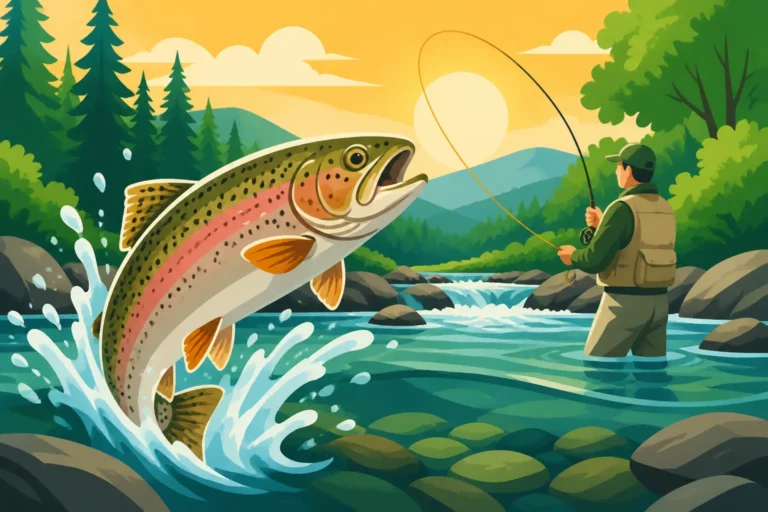
For rainbow trout, simpler tactics often work wonders. PowerBait, corn, or small spinners are effective, especially for newer anglers or families looking for consistent bites. Fly fishing for rainbows is also immensely popular, with numerous hatches throughout the year providing ample dry fly opportunities. Cutthroat trout, with their distinctive orange slash marks under the jaw, are known for their aggressive strikes and spirited fights, making them a thrilling catch on light tackle. Checking the Bull Shoals Tailwater Trout Rules in Arkansas is always a good idea to stay updated on specific regulations for this productive stretch.
The Little Red River: Another World-Class Trout Fishery
Just like the White, the Little Red River below Greers Ferry Dam is another jewel in Arkansas’s crown for cold-water fishing. This river earned its international reputation when a world-record brown trout, weighing over 40 pounds, was caught here in 1992. While that record has since been broken elsewhere, the Little Red continues to produce massive brown trout alongside plentiful rainbows, making it a bucket-list destination for many.
Catching Monster Brown Trout
The Little Red River offers prime habitat for brown trout, particularly in its deeper pools and swift runs. The constant flow of cold, oxygenated water from Greers Ferry Lake, combined with an abundant forage base of sculpins and other baitfish, allows these trout to grow to impressive sizes. Anglers targeting the true giants often employ methods similar to those on the White River, focusing on larger artificial lures, live bait (where permitted), or substantial fly patterns designed to imitate larger prey.
Much of the Little Red is best fished from a drift boat or jon boat, allowing guides to position anglers perfectly over prime holding water. There are numerous public access points for wade fishing as well, particularly during periods of low generation. The river has distinct sections, some with special regulations like catch-and-release only or single-hook artificial lure restrictions, all designed to protect and enhance the trophy fishery. Learning about the Arkansas Trout Permit Rules will ensure you're fully compliant before heading out.
Consistent Rainbow Trout Action
Beyond the trophy potential, the Little Red River delivers consistent action for rainbow trout, making it a fantastic choice for a day on the water. These spirited fish are abundant throughout the river system and readily take a variety of baits and lures. Whether you're a seasoned fly angler or a spinning gear enthusiast, you'll find plenty to keep your rod bent.
For fly fishing, popular patterns include midges, caddis, and sowbugs, especially during hatches. Spin fishermen often find success with small inline spinners, spoons, or soft plastics drifted under a bobber. The stretch of river around the city of Heber Springs, particularly near the hatchery, is a popular spot for both bank and wade fishing due to easy access and a high density of stocked fish. It’s an ideal place to introduce new anglers to the joys of trout fishing, offering immediate gratification and beautiful surroundings.
The Spring River: Unique Cold-Water Diversity
The Spring River, originating from the Mammoth Spring in northeastern Arkansas, is truly a unique ecosystem. Fed by an immense natural spring that flows at a constant 9 million gallons per hour, its waters remain consistently cold, creating a fantastic environment for trout in its upper stretches and smallmouth bass downstream. This river offers a diverse angling experience, transitioning from a classic trout stream to a warm-water bass haven as it progresses.
Trout Fishing Above the Falls
The uppermost section of the Spring River, from Mammoth Spring down to Dead Man's Curve (where the river drops over a series of cascades known as "the Falls"), is where you’ll find the trout. This is a pristine, cold-water fishery that holds rainbow trout and some wild brown trout. Unlike the tailwaters of the White and Little Red, this is a free-flowing, spring-fed river, offering a different character of trout fishing.
The clear, swift waters of the Spring River make for exciting wade fishing. Anglers often find success using small inline spinners, trout magnets, or traditional bait like corn and salmon eggs. Fly fishermen will appreciate the intimate feel of this river, targeting feeding lanes and riffles with nymphs and dry flies. The natural beauty of the area is astounding, with lush greenery and vibrant spring-fed pools. For brown trout specifically, anglers should be aware of the Spring River Brown Trout Minimum Length in Arkansas to ensure compliance with local regulations and conservation efforts.
Smallmouth Bass and Walleye Below the Falls
Once the Spring River passes "the Falls," its character changes significantly. The water begins to warm slightly, and the river broadens, becoming prime habitat for smallmouth bass and, surprisingly, a strong population of walleye. This transition offers anglers a chance to switch gears and target different species within the same river system, often in the same day.
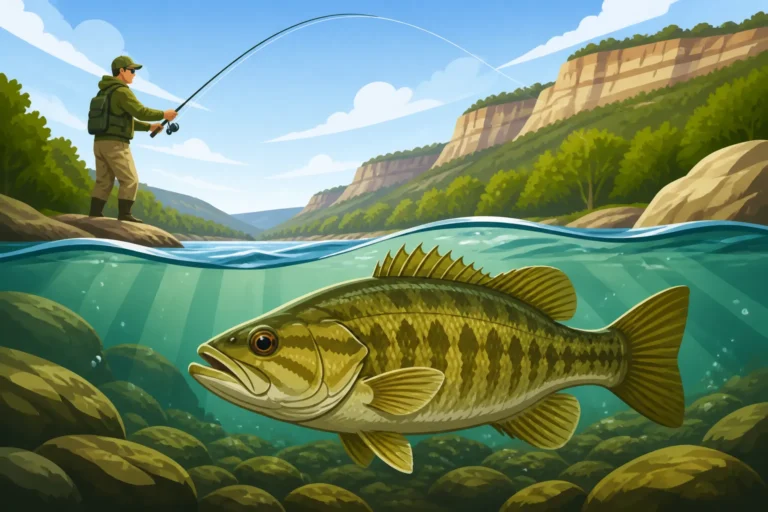
The smallmouth bass in the Spring River are renowned for their aggressive strikes and powerful fights. They thrive in the river's rocky sections, current breaks, and around submerged timber. Light tackle and lures like small crankbaits, jigs, and soft plastic tubes are excellent choices. For those seeking walleye, the Spring River is one of Arkansas’s best-kept secrets. These elusive fish can be targeted with jigs tipped with minnows or nightcrawlers, especially during low light conditions or at night. Many anglers planning their trips use resources like FishingBooker to find local guides who specialize in these unique multi-species opportunities on the Spring River.
The Buffalo National River: Smallmouth Bass Majesty
Designated as America's first national river, the Buffalo National River is a crown jewel of the Ozarks. Known for its stunning bluffs, pristine wilderness, and incredible floating opportunities, it's also a premier destination for smallmouth bass fishing. Unlike the larger rivers, the Buffalo is mostly free-flowing and un-dammed, offering a wilder, more rugged angling experience.
Floating for Ozark Smallmouth
The most popular and effective way to fish the Buffalo River is by floating in a canoe, kayak, or raft. The river's character changes dramatically along its length, offering everything from calm pools to challenging rapids. Each bend of the river presents new opportunities to cast for smallmouth, often hiding behind boulders, submerged logs, or undercut banks. The clear water means sight fishing is often possible, adding an exciting visual element to the chase.
Light spinning tackle or fly rods are the tools of choice here. For spinning gear, small crankbaits, spinnerbaits, tube baits, and grub jigs are highly effective. Fly anglers often find success with poppers, streamers, and crayfish imitations. The fight of a Buffalo River smallmouth is legendary – they are strong, acrobatic, and determined, often leaping clear of the water. This is truly an immersive experience, blending the thrill of fishing with breathtaking natural beauty. For those wanting to delve deeper, exploring Smallmouth Bass in Arkansas's Ozark Streams offers more detailed insights into these feisty fish and their habitat.
Remote and Scenic Fishing Access
While the Buffalo National River offers popular access points for day floats, its vastness also provides opportunities for remote, less-pressured fishing. Multi-day float trips, where anglers camp along the riverbanks, allow access to stretches that see fewer boats and potentially larger, less-wary smallmouth. These trips require careful planning, as services are scarce once you're on the water, but the reward is an unparalleled wilderness fishing experience.
Even for day-trippers, choosing less-traveled put-in and take-out points can yield a more serene experience. It's important to respect the river's wild character; catch-and-release is strongly encouraged, and adherence to Leave No Trace principles is paramount. The Buffalo National River is more than just a fishing spot; it's an opportunity to connect with nature in its purest form, and the smallmouth bass are a thrilling part of that connection.
The Arkansas River: A Bass and Catfish Powerhouse
Flowing across the entire state, the Arkansas River is a major commercial and recreational waterway. Its system of locks and dams creates a series of navigable pools and tailwaters, providing a vast and diverse fishery for everything from largemouth bass to monstrous catfish. This is a river of contrasts, with urban sections giving way to wilder stretches, but consistently offering incredible angling opportunities.
Largemouth and Spotted Bass Tactics
The Arkansas River is a fantastic destination for bass anglers. Both largemouth and spotted bass thrive in its diverse habitats. Largemouth bass are often found in slower-moving oxbow lakes, backwater sloughs, and along vegetated banks within the river pools. Spotted bass (often called Kentucky bass in Arkansas) prefer more current and rocky structure, making them common catches around the lock and dam areas.
Targeting largemouth on the Arkansas River often involves flipping and pitching jigs or soft plastics into heavy cover, or throwing crankbaits and spinnerbaits along weed lines and timber. For spotted bass, anglers frequently use small crankbaits, shaky head worms, or swimbaits near current breaks and riprap. The various pools and tailwaters offer slightly different fishing characteristics, so consulting local bait shops or guides found on platforms like FishingBooker can provide invaluable, up-to-date information on what’s biting where. The Best Bass Fishing Spots on the Arkansas River often includes areas near locks and dams, where current and structure concentrate fish.
Channel, Blue, and Flathead Catfish Action
If you're after catfish, the Arkansas River is a dream come true. It supports robust populations of channel, blue, and flathead catfish, with blues growing to truly enormous sizes. The river's vastness and depth provide ample habitat for these bottom dwellers, and they are a popular target for both recreational anglers and those looking to fill a cooler with delicious fillets.
Channel catfish are the most common and can be caught almost anywhere in the river using traditional baits like cut bait, chicken livers, or stink baits. Blue catfish prefer deeper holes, main channel currents, and areas downstream of the locks and dams, where they feed on shad and other baitfish. Anglers targeting trophy blues often use large cut bait (shad or carp) on heavy tackle. Flathead catfish are ambush predators that prefer live bait, like sunfish or small perch, and are often found near submerged timber and rocky structure. Night fishing is particularly popular for all three species, especially during the warmer months, offering a unique and often productive experience. For specific strategies, anglers might check out Where to Catch Catfish on the Arkansas River.
The Ouachita River: Southern Charm and Great Fishing
The Ouachita River, particularly its stretches in south-central Arkansas, offers a different flavor of river fishing. It’s generally a slower, more meandering river than some of its northern counterparts, characterized by cypress trees, oxbow lakes, and diverse bottomland hardwood forests. This scenic river is an excellent choice for those seeking a mix of bass and catfish in a tranquil, Southern setting.
Largemouth and Crappie in Backwaters
While the main channel of the Ouachita River holds plenty of fish, its numerous oxbow lakes and backwater sloughs are often the most productive for largemouth bass and crappie. These secluded areas offer calmer waters, abundant aquatic vegetation, and plenty of submerged timber, creating ideal ambush points for predatory fish. During periods of higher water, fish will move into these areas from the main river.
For largemouth bass, anglers often target lily pads, submerged logs, and cypress knees with weedless presentations like Texas-rigged worms, frogs, or spinnerbaits. Crappie fishing in the Ouachita's backwaters can be exceptional, especially in spring and fall. Minnows under a bobber or small jigs (black and chartreuse are perennial favorites) fished around brush piles and standing timber are highly effective. The slower current in these areas makes for comfortable fishing, often with stunning scenery as a backdrop.
Catfish and Bream in the Main Channel
The main channel of the Ouachita River, with its deeper holes, current breaks, and sandbars, is excellent for catfish and various panfish like bream (bluegill, redear sunfish). The river's nutrient-rich waters support a healthy forage base, leading to thriving populations of these species.
Channel and blue catfish are common throughout the main river. Anglers targeting them often use cut bait, worms, or chicken livers fished on the bottom in deeper sections or along outside bends. Bream fishing is fantastic, especially for families or beginners. These feisty panfish are eager biters and can be caught with crickets, worms, or small beetle spins near fallen trees, brush, and grassy banks. The Ouachita River offers a relaxed, family-friendly fishing experience, where a cooler full of fresh bream or catfish fillets is a common and welcome outcome.
The Little Missouri River: Trout and Smallmouth Contrasts
The Little Missouri River is a river of two distinct personalities, offering both cold-water trout and warm-water smallmouth bass fishing within its different stretches. Upstream, below the Greeson Dam, it’s a premier trout fishery, while downstream it transitions into an excellent smallmouth stream. This duality makes it a fascinating and versatile destination for anglers.
Trout Fishing Below Greeson Dam
The upper section of the Little Missouri River, below Narrows Dam (which forms Lake Greeson), is a designated trout stream. Coldwater releases from the dam create conditions suitable for rainbow and brown trout. This section is particularly known for its challenging yet rewarding fishing, especially in the catch-and-release only portions.
Anglers here often employ fly fishing techniques, matching the hatch with tiny midges and nymphs, or casting small streamers for larger browns. Spin fishermen can find success with ultralight gear, using small inline spinners or artificial trout baits. The river is relatively small and intimate in this section, lending itself well to wade fishing during low flows. However, generation schedules can cause rapid rises in water levels, so checking the dam release schedule is crucial for safety. For detailed insights into the species, refer to Trout and Bass Spots on the Little Missouri River.
Smallmouth Bass in the Lower River
As the Little Missouri River flows downstream and away from the cold influence of the dam, its character shifts to a warm-water fishery, becoming an outstanding smallmouth bass stream. This lower section, with its rocky bottoms, swift currents, and numerous pools, provides ideal habitat for hard-fighting smallmouth. It's a fantastic river for those who love to wade or float in a canoe or kayak, exploring miles of pristine water.
Lures that imitate crayfish, like small crankbaits and jigs, are highly effective here, as are soft plastic tubes and grubs. Smallmouth in the Little Missouri are aggressive feeders and will readily strike surface lures, especially during early mornings or late evenings, providing thrilling topwater action. The river is known for its "shoal bass" (a subspecies of spotted bass) in some sections, adding to the diversity. For a deeper dive into this unique bass species, checking out Shoal Bass Water on the Little Missouri River, Arkansas would be beneficial. The unspoiled beauty of the surrounding Ouachita National Forest adds to the appeal of fishing this section of the river, making it a true escape.
River Fishing Species Breakdown Table
To help you quickly decide which river might be best for your next adventure, here's a handy breakdown of the primary game fish species you can expect to find in each river:
| River System | Primary Target Species (Top 3) | Notable Secondary Species | Best Fishing Methods |
|---|---|---|---|
| White River | Brown Trout, Rainbow Trout, Cutthroat | Brook Trout | Fly Fishing, Spin Fishing, Drift Boating |
| Little Red River | Brown Trout, Rainbow Trout | Fly Fishing, Spin Fishing, Drift Boating, Wade Fishing | |
| Spring River | Rainbow Trout, Smallmouth Bass, Walleye | Brown Trout, Crappie, Sunfish | Spin Fishing, Fly Fishing, Floating |
| Buffalo National River | Smallmouth Bass | Green Sunfish, Rock Bass | Floating (Canoe/Kayak), Fly Fishing, Spin Fishing |
| Arkansas River | Blue Catfish, Largemouth Bass, Channel Catfish | Spotted Bass, Flathead Catfish, Crappie | Bottom Fishing, Trolling, Casting, Bank Fishing |
| Ouachita River | Largemouth Bass, Channel Catfish, Crappie | Blue Catfish, Bream, Spotted Bass | Casting, Bottom Fishing, Jigging, Bank Fishing |
| Little Missouri River | Rainbow Trout, Smallmouth Bass, Brown Trout | Shoal Bass, Sunfish | Fly Fishing, Spin Fishing, Wade Fishing, Floating |
This table should give you a quick overview to guide your planning. Remember that local conditions and specific river sections can always offer variations.
Planning Your Arkansas River Fishing Adventure
Embarking on a fishing trip to Arkansas's rivers is an unforgettable experience, but a little planning goes a long way. Beyond knowing what fish to target and where, there are practical considerations that can make your trip smoother and more enjoyable. From understanding regulations to choosing the right gear, being prepared means more time fishing and less time worrying.
Understanding River Regulations and Licenses
Each river, and sometimes even specific sections within a river, can have unique regulations concerning size limits, daily creel limits, and even tackle restrictions (e.g., artificial lures only, single hooks). It's absolutely crucial to consult the latest Arkansas Fishing Regulations Guide published by the Arkansas Game and Fish Commission before you head out. These guides are available online, at AGFC offices, and at most sporting goods stores that sell licenses.
Additionally, don't forget your fishing license! All anglers, with very few exceptions (like those under 16 or during specific Free Fishing Weekend events), need a valid Arkansas fishing license. If you plan to fish for trout, a special Arkansas Trout Permit Rules is also required, in addition to your general fishing license. These can be purchased online through the AGFC website, by phone, or at authorized license vendors across the state. Failing to have the proper license or permit can result in fines and a less-than-pleasant encounter with a game warden.
Gear Essentials for River Anglers
The gear you bring will largely depend on the specific river and species you're targeting, but some essentials are universal for river fishing in Arkansas. For trout rivers like the White and Little Red, a medium-light to light action spinning rod with 4-6 lb test line is versatile, or a 4-6 weight fly rod. For bass and catfish on the larger rivers like the Arkansas or Ouachita, a medium to medium-heavy action spinning or baitcasting rod with 8-20 lb test line will cover most situations.
Beyond rods and reels, consider these:
- Waders and Wading Boots: Essential for wade fishing in colder trout streams, offering both warmth and grip.
- Sun Protection: Hat, sunglasses, and sunscreen are non-negotiable for long days on the water, especially on reflective rivers.
- Rain Gear: Weather can change quickly, so waterproof jacket and pants are smart to have.
- Tackle Box/Pack: Stocked with a variety of appropriate lures, baits, hooks, weights, and leader material.
- Pliers/Forceps: For hook removal, protecting both you and the fish.
- Net: A rubberized landing net is ideal for safely landing and releasing fish.
- Cooler: For drinks, snacks, and any fish you plan to keep within legal limits.
- First-Aid Kit: Small cuts and scrapes happen, especially around hooks.
Many anglers also find it incredibly helpful to book a guided trip, especially for their first time on a new river. Guides often provide all the necessary gear, expertise, and local knowledge, making the learning curve much shorter and the experience much more successful. You can find excellent local guides for these rivers through platforms like FishingBooker, which makes finding and booking your ideal trip quite straightforward. They often know precisely where the fish are biting and what techniques will yield the best results for a truly memorable day out.
Seasons and Optimal Times for River Fishing
Arkansas offers fantastic river fishing opportunities year-round, but understanding the seasonal patterns for different species can significantly boost your success.
- Trout (White, Little Red, Spring, Little Missouri): These cold-water fisheries are productive year-round. However, spring (March-May) offers excellent insect hatches for fly anglers, and fall (September-November) sees larger brown trout becoming more active and aggressive. Winter fishing can also be surprisingly good on tailwaters, especially on warmer, sunny days.
- Bass (Buffalo, Spring, Arkansas, Ouachita, Little Missouri): Spring (March-May) is prime for bass as they move into shallower waters for their spawn. Summer (June-August) means early morning and late evening bites, or targeting deeper holes and current breaks. Fall (September-November) offers another fantastic bite as bass feed heavily before winter. Winter bass fishing can be slower but can produce larger fish on deep structure.
- Catfish (Arkansas, Ouachita, Spring): Catfish are generally active from spring through fall. Summer nights are notoriously good for big catfish, especially blue cats on the Arkansas River. As waters warm, their metabolism increases, and they feed more aggressively. Deeper holes remain productive even into cooler months.
Always check local weather conditions and river flow forecasts. High, muddy water after heavy rains can make fishing challenging, especially in smaller, free-flowing rivers. Conversely, stable water levels and clear conditions typically lead to better fishing. The key is adaptability and paying attention to what the river is telling you on any given day.
Disclaimer
Fishing regulations and conditions can change. Always consult the latest Arkansas Game and Fish Commission regulations before heading out. The information provided here is for general guidance only and should not replace official sources. Be safe, respect the resource, and enjoy your time on Arkansas's beautiful rivers!