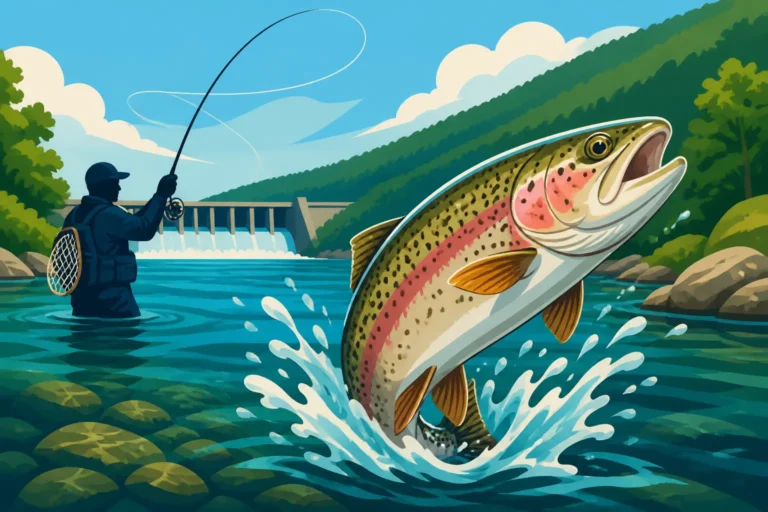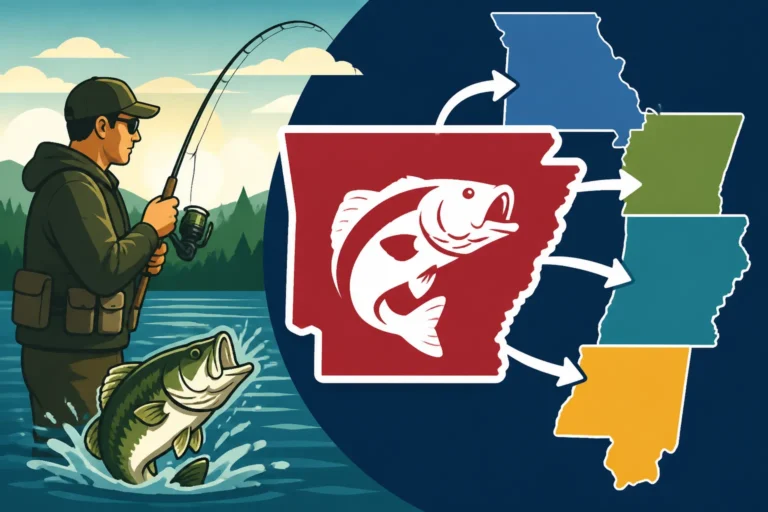
Brown trout rules on the Spring River versus other nearby rivers
Trying to keep track of all the different fishing regulations in Arkansas, especially when you're moving from one fantastic trout stream to another, can feel like navigating a maze blindfolded. It's truly frustrating to think you've got the rules down for one river, only to find out the very next river has a completely different set of minimum lengths, creel limits, or special conditions. This guide is here to untangle the specific brown trout rules for the Spring River, clarify how they differ from nearby popular rivers like the White and Norfork tailwaters, and help you fish confidently and compliantly.
Understanding the Unique Rules of the Spring River for Brown Trout
The Spring River, with its pristine, cold, spring-fed waters, is a special place in Arkansas, and its regulations often reflect that uniqueness, especially when it comes to brown trout. Anglers frequently praise it for its beauty and the fight of its fish, but you absolutely need to know its specific rules to avoid issues.
The Spring River's Distinct Brown Trout Minimum Length
When you're fishing the Spring River, particularly for brown trout, there's one rule that stands out: a 16-inch minimum length limit for brown trout. This isn't just an arbitrary number; it's a carefully considered regulation designed to protect and enhance the river's wild brown trout population. Many other waters in Arkansas might have a general trout limit, or even no specific brown trout minimum, but the Spring River is different. This rule allows younger, smaller brown trout to grow to a mature size, reproduce, and contribute to the river's overall health and the future of its trophy fishery.
Imagine you've just hooked into a beautiful brown trout, it's putting up a fantastic fight, and you bring it to the net. It looks like a keeper, but then you lay it on your measuring board, and it comes in at 14 inches. In many other rivers, that might be a perfectly legal fish to keep. But on the Spring River, that fish needs to go back into the water, carefully, to grow larger. This regulation is a critical component of how the Arkansas Game and Fish Commission (AGFC) manages this unique fishery, aiming to nurture a self-sustaining population of larger, more robust brown trout. You can learn more about general regulations in our comprehensive Arkansas Fishing Regulations Guide.
Daily Creel Limits for Brown Trout on the Spring River
Beyond the minimum length, the Spring River also adheres to specific daily creel limits. For brown trout on the Spring River, the daily limit is one brown trout. This is usually part of a broader, more general trout limit for the river, which often allows for a total of five trout per day, but with specific caveats for brown trout, cutthroat trout, and brook trout. The intent here is to allow anglers to keep a trophy-sized brown trout if they manage to catch one over the 16-inch minimum, but to prevent overharvesting of these slower-growing, highly prized fish.
So, if you've caught and released several beautiful rainbow trout throughout the day and then land a stunning 17-inch brown, you can legally keep that one brown trout. However, if you were to catch another brown trout of legal size later that day, you would need to release it. This makes every brown trout encounter a bit more special and encourages catch-and-release for most fish. Always remember that regardless of the species, you'll need an Arkansas Fishing License Rules and Costs and often an Arkansas Trout Permit Rules to fish these waters legally, even if you plan on releasing everything you catch.
Brown Trout Regulations on Nearby Rivers and Tailwaters
When you venture beyond the Spring River, you'll find that the regulations, particularly for brown trout, can shift quite dramatically. It’s essential to be aware of these differences to ensure you’re always compliant, whether you're chasing trout on the famous White River or a smaller, less-pressured stream.
White River System: Bull Shoals and Norfork Tailwaters
The White River and its various tailwaters, particularly below Bull Shoals Dam and the Norfork Dam (known as the Norfork Tailwater), are world-renowned trout fisheries. However, their brown trout regulations often differ significantly from the Spring River. On the White River below Bull Shoals Dam, for instance, the general trout daily limit is five fish. However, within that limit, specific regulations often apply to brown trout. For much of the White River, particularly the trophy sections, you might find a rule that says no brown trout 24 inches or longer may be kept. This means you can keep smaller brown trout, typically up to 24 inches, as part of your five-fish limit, but any true lunker brown trout must be released. There are also areas, like the famous Catch-and-Release sections, where all brown trout must be released regardless of size.
Similarly, the Norfork Tailwater has its own set of distinct rules. While the overall trout limit might be two trout per day, this often specifically applies to rainbow trout, with special handling and release rules for brown trout. For example, the Norfork Tailwater Trout Limits on the Norfork Tailwater in Arkansas states that no brown trout between 24-30 inches may be kept, and only one brown trout over 30 inches can be kept per day. This complex set of rules is designed to create a world-class trophy brown trout fishery where anglers have a chance at truly enormous fish, while still managing the population sustainably. The difference from the Spring River's straightforward 16-inch minimum is stark and highlights why checking specific regulations for each waterway is crucial before your trip. For those keen on exploring these waters, our Trout Fishing Below Bull Shoals Dam on the White River guide provides more specific insights.
Little Red River and Other Smaller Trout Waters
Beyond the major tailwaters, Arkansas is home to several other smaller streams and rivers that hold trout, including the Little Red River below Greers Ferry Dam. While the Little Red River is another incredible brown trout destination, its regulations can also differ. Much like parts of the White, it has special catch-and-release sections and trophy management areas where specific slot limits or size restrictions are in place for brown trout. For example, some sections may have a slot limit where brown trout between certain sizes (e.g., 16-24 inches) must be released, allowing anglers to keep fish outside that slot, typically one fish per day.
For even smaller, lesser-known trout waters or stocked community ponds that might contain brown trout (though less common than rainbows), the regulations often default to the general statewide trout limits. This means a daily limit of five trout, with no specific length or slot limits for brown trout unless explicitly stated in the AGFC fishing guide. This makes these spots simpler, but less likely to produce trophy-sized brown trout. The takeaway here is clear: never assume the rules from one river apply to another. Always consult the latest Arkansas Fishing Regulations Guide or the AGFC website for the most current information before wetting a line, especially if you're targeting specific species like brown trout.
Why Regulations Vary So Much by River
It can be bewildering to jump from one river in Arkansas to another, only to find the fishing regulations seemingly change on a whim. But trust me, these differences aren't random. They are the result of careful scientific study and strategic management by the Arkansas Game and Fish Commission (AGFC) to ensure the longevity and quality of each unique fishery.
Habitat and Ecosystem Considerations
One of the biggest drivers behind varying brown trout regulations is the distinct habitat and ecosystem of each river. Take the Spring River, for instance. It's a true spring-fed river, meaning its water temperatures are consistently cold year-round, ideal for trout survival and natural reproduction. This stable, cold environment supports a significant population of wild brown trout. Because these fish are naturally reproducing and often grow slower in their wild environment, stricter minimum length limits, like the 16-inch rule on the Spring River, are put in place to allow them to reach sexual maturity and contribute to the next generation before they can be harvested. This helps maintain a healthy, self-sustaining population without heavy reliance on stocking.
Contrast this with the White River or Norfork Tailwater. These are "tailwaters," meaning they are cold, oxygen-rich rivers fed by the bottom releases of large dams (like Bull Shoals or Norfork Dam). While excellent trout habitats, they are artificial ecosystems created by the dams. The AGFC manages these tailwaters with a mix of stocking (especially for rainbow trout) and managing for trophy brown trout. The abundant food sources and stable conditions in these tailwaters can lead to faster growth rates for brown trout. Therefore, rules like slot limits (e.g., releasing fish between 24-30 inches) or catch-and-release only for large fish (like those over 24 inches on some White River sections) are designed to produce true "trophy" brown trout, allowing them to grow to immense sizes, making Arkansas a top destination for those chasing Trophy Brown Trout Records on the White River. The specific flow regimes and water releases from the dams also impact these ecosystems, demanding nuanced regulatory approaches that foster these unique opportunities.
Stocking Programs and Wild Trout Populations
The presence and extent of stocking programs also play a significant role in regulation differences. Many of Arkansas's trout waters, especially the tailwaters, are heavily stocked with rainbow trout, and to a lesser extent, brown trout. This ensures a consistent supply of catchable fish for anglers. In these environments, regulations might be geared towards maximizing angler harvest for stocked fish while simultaneously protecting naturally reproducing populations or encouraging the growth of larger, trophy-sized brown trout.
For example, on rivers where the majority of trout are stocked (like many rainbow trout on the White River), the general daily limit might be more generous because those fish are essentially "put-and-take." However, for brown trout, which may have a more significant wild component or are managed for trophy potential, specific, more restrictive rules are layered on top. The Spring River, with its reputation for wild, naturally reproducing brown trout, often sees regulations aimed at protecting that natural resource. This means less emphasis on high harvest numbers and more on allowing fish to mature. The AGFC's goal is to balance angling opportunity with conservation, and the specific regulations for brown trout reflect this balance for each river's unique characteristics. If you're planning to visit any of these streams, checking the AGFC's current fishing guide is always the best way to be prepared for Arkansas Fishing Rules for Lakes, Rivers and Tailwaters.
Essential Gear and Best Practices for Anglers
Navigating the various brown trout regulations in Arkansas means not just knowing the rules, but also being prepared with the right tools and adopting best practices. It's about respecting the fish and the regulations that protect them.
Measuring and Handling Brown Trout Correctly
When you're fishing in waters with strict length limits, like the 16-inch minimum on the Spring River for brown trout or slot limits on the White River, accurate measurement is absolutely non-negotiable. You don't want to accidentally keep an undersized fish or mistakenly release a legal one because you weren't sure. A good, flat measuring board is a must-have for any serious trout angler. These boards often have a raised end for the fish's nose and clear, easy-to-read markings. You can find excellent, durable options on platforms like Amazon, which are perfect for quick and accurate measurements, minimizing stress on the fish.
Beyond measuring, proper handling is paramount, especially when practicing catch-and-release for those fish that don't meet the legal size or fall within a protected slot. Here are a few critical tips:
- Wet Your Hands: Always wet your hands thoroughly before touching a fish. Dry hands can remove the fish's protective slime coat, leaving it vulnerable to disease.
- Minimize Air Exposure: Keep the fish in the water as much as possible. If you must remove it for a quick photo or measurement, do so swiftly and return it to the water immediately.
- Support the Fish: When holding a fish, support its weight horizontally, ideally with one hand gently under the belly and the other near the tail. Avoid holding it vertically by the jaw or gills, which can cause internal damage.
- Use Barbless Hooks: Consider using barbless hooks or crimping down the barbs on your hooks. This makes hook removal much easier and quicker, reducing injury and stress to the fish. Many anglers dedicated to the sport choose specific Best Lures for Brown Trout Fishing that come with barbless options.
- Revive Carefully: If a fish seems sluggish upon release, hold it gently in the water, facing upstream, allowing water to flow over its gills until it swims away under its own power.
By following these practices, you're not just complying with regulations, you're actively contributing to the health and vitality of Arkansas's amazing trout fisheries.
Staying Informed About Regulation Changes
Arkansas fishing regulations, while generally stable, are not set in stone forever. The AGFC regularly reviews and updates rules based on scientific data, population assessments, and angler input. What was legal last year might not be this year, or there might be new special regulations for a particular stream or species. This is especially true for dynamic fisheries like the Spring River or the White River tailwaters.
To stay completely in the loop, make it a habit to check the official Arkansas Game and Fish Commission (AGFC) website or grab a physical copy of their annual fishing guide before every fishing season, and ideally, before any trip to a new or unfamiliar waterway. The AGFC website is typically updated with the most current information. You can often download a digital version of the fishing guide as a PDF, which is handy to have on your phone or tablet. Occasionally, you might find updated printed guides or relevant conservation materials from third-party sellers on Amazon, but the AGFC's official resources are always your primary, most reliable source.
For instance, if you're planning a fly-fishing trip to the White River, you'll want to review the White River Fly Fishing Season Guide for Arkansas Anglers for the current year. Similarly, before heading to the Spring River, double-check the Spring River Brown Trout Minimum Length in Arkansas to ensure you have the latest information. Don't rely on old guidebooks or hearsay from fellow anglers; verify directly with the source. This diligence ensures you're always fishing legally and responsibly, protecting Arkansas's incredible natural resources for everyone to enjoy.
Brown Trout Regulation Comparison Table
To give you a clearer picture of how these brown trout regulations stack up, here's a handy comparison of the primary rules for the Spring River, the White/Norfork Tailwaters (representative of trophy management areas), and general statewide trout limits.
| Feature | Spring River (Brown Trout) | White/Norfork Tailwaters (Brown Trout) | General Statewide Trout Limits (Brown Trout) |
|---|---|---|---|
| Minimum Length | 16 inches | Varies by section; often no minimum, but large fish protected. | No specific minimum length unless stated for a specific water. |
| Daily Creel Limit | 1 brown trout (part of a 5-trout total limit) | Varies; often 1 over 30" or a slot limit (e.g., 24-30" release). | 5 trout total (no specific brown trout limit unless specified). |
| Possession Limit | Eliminated statewide for 2026-27 season (refer to daily creel). | Eliminated statewide for 2026-27 season (refer to daily creel). | Eliminated statewide for 2026-27 season (refer to daily creel). |
| Special Rules | Unique 16-inch minimum to protect wild, naturally reproducing fish. | Focus on trophy management (e.g., release 24-30" fish). Catch-and-release sections exist. | Less restrictive for brown trout, often defaults to general trout rules. |
| Trout Permit | Required (in addition to a fishing license) | Required (in addition to a fishing license) | Required for taking/keeping trout anywhere in Arkansas. |
| Key Management Goal | Preserve and enhance natural brown trout reproduction. | Foster trophy-sized brown trout opportunities. | Provide general trout fishing opportunities, primarily for stocked rainbows. |
Disclaimer
Please remember that fishing regulations can and do change. While this guide provides the most current information available, it is always your responsibility to consult the official Arkansas Game and Fish Commission (AGFC) regulations before you head out to fish. The AGFC website and their annual fishing guide are the authoritative sources for all fishing rules and updates in Arkansas.