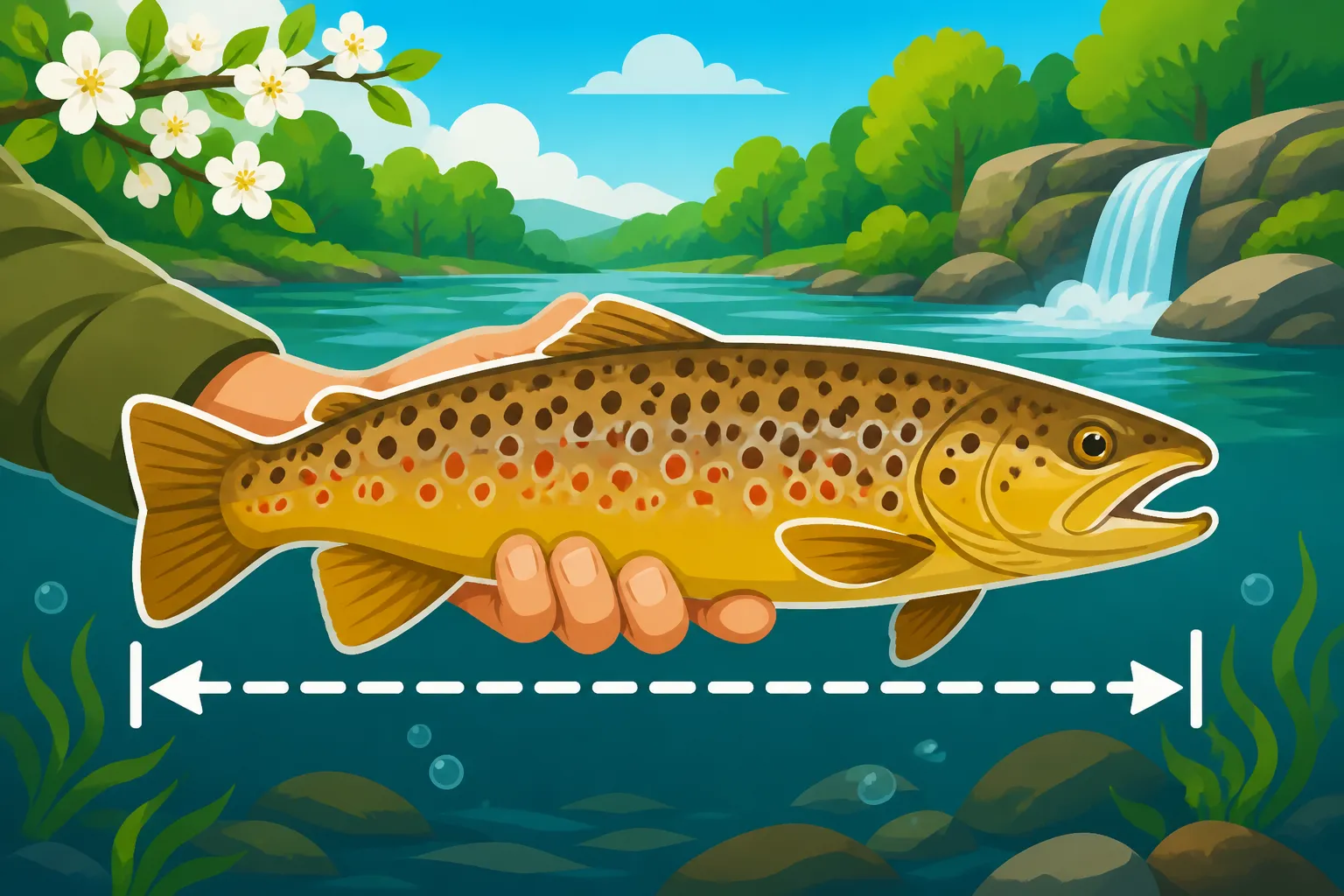
Spring River brown trout minimum length is 16 inches
There's nothing quite like the excitement of a day out on the water, especially when you're targeting those elusive brown trout. But let's be honest, trying to keep track of all the different fishing regulations across Arkansas can feel like navigating a maze blindfolded. You've got your general statewide rules, and then specific rivers, like the beautiful Spring River, throw in their own unique curveballs. Today, we're diving deep into one of those critical details: the minimum length requirement for brown trout on the Spring River, which currently stands at a strict 16 inches. We’ll break down why this rule is in place, what it means for your fishing trip, and how to make sure you're always on the right side of the law while still having a fantastic time.
Understanding Spring River's Unique Trout Regulations
The Spring River, often celebrated for its crystal-clear, cold waters, is a true gem in Arkansas. It's unique because it's a spring-fed river, which means it maintains consistently cool temperatures even during the hottest summer months. This natural attribute makes it a prime habitat for trout, particularly brown trout, which thrive in colder, well-oxygenated environments. Unlike some other trout waters in the state, the Spring River offers a more wild, natural trout fishing experience, attracting anglers who appreciate its serene beauty and challenging fishing.
However, with such a precious natural resource comes the responsibility of protecting it, which is where specific regulations like the 16-inch minimum length for brown trout come into play. These rules aren't just arbitrary; they are carefully crafted by the Arkansas Game and Fish Commission (AGFC) based on extensive biological research and population studies. The goal is always to ensure a healthy, self-sustaining trout fishery for generations to come, balancing recreational opportunities with conservation needs.
Why the Spring River Has Special Rules for Brown Trout
You might wonder why the Spring River has different rules for brown trout compared to other notable trout fisheries in Arkansas, like portions of the White River or the Norfork Tailwater. The primary reason boils down to the river's ecological characteristics and the specific goals for its trout population. The Spring River, originating from Mammoth Spring, benefits from a constant flow of cold, oxygen-rich water, creating an ideal nursery for wild-spawned brown trout. This natural reproduction is a key factor.
Many other popular trout waters, especially tailwaters below large dams, rely heavily on stocking programs to maintain fishable populations. While these are fantastic fisheries, the emphasis might shift slightly to providing catchable fish more immediately. On the Spring River, the focus is often on allowing naturally reproduced brown trout to grow to a larger, more mature size. This not only enhances the quality of the fishing experience by increasing the chance of catching a trophy fish, but also strengthens the genetic diversity and reproductive potential of the wild population. It's a long-term investment in the health of the river.
The 16-Inch Minimum Length Requirement Explained
So, what exactly does a "16-inch minimum length" mean for you, the angler, when you're standing knee-deep in the Spring River? It's straightforward: any brown trout you catch that measures less than 16 inches from the tip of its snout to the tip of its tail must be immediately and carefully released back into the water. This isn't a suggestion; it's a strict requirement designed to protect juvenile fish and allow them to reach reproductive age and larger sizes.
The 16-inch mark isn't just a random number; it's often linked to the typical size at which brown trout in this specific environment reach sexual maturity and begin to contribute to the next generation. By allowing these fish to spawn at least once, and often multiple times, before they become eligible for harvest, the AGFC ensures a robust population. For anglers, this means you might be catching a lot of fish, but you'll need to be diligent about measuring and releasing. This rule also contrasts sharply with the general statewide trout limits you might find on other waters, further emphasizing the Spring River's unique management strategy. You'll definitely want to review the full details in the latest edition of the Arkansas Fishing Regulations Guide.
Navigating Catch and Release on the Spring River
Successfully adhering to the 16-inch minimum length rule for brown trout on the Spring River means becoming a master of catch and release. This isn't just about tossing a fish back; it's about doing so in a way that maximizes its chances of survival. Improper handling can cause significant stress, injury, or even delayed mortality, negating the conservation efforts behind the regulation. Every angler has a responsibility to minimize their impact, especially when fishing in sensitive environments like the Spring River.
Catch and release techniques are paramount, particularly when you're anticipating hooking many fish that will be under the legal keeping size. It's a skill that improves with practice, but understanding the core principles before you even cast your line can make a huge difference. From how you hold the fish to the tools you use for hook removal, every step counts in ensuring that those beautiful, undersized brown trout swim away strong to grow another day.
Best Practices for Handling Undersized Brown Trout
When you hook a brown trout on the Spring River that doesn't meet the 16-inch minimum, immediate and careful release is key. First and foremost, try to keep the fish in the water as much as possible. If you must lift it, wet your hands thoroughly before touching the fish. Dry hands can remove the fish's protective slime layer, making it vulnerable to disease. Avoid squeezing the fish, especially around its belly or gills, as this can cause internal damage.
Consider using a rubber-coated net or a net with fine mesh to cradle the fish, minimizing scale damage. If the hook is visible and easy to remove, use a pair of long-nose pliers or hemostats to gently back it out. Barbless hooks are highly recommended as they make hook removal quicker and less traumatic for the fish. If a fish has swallowed the hook deeply, it’s sometimes best to cut the line as close to the hook as possible rather than trying to dig it out, which can cause irreparable harm. Always allow the fish to recover in the water, sometimes gently supporting it until it swims away under its own power. You can find more advice on this in guides about White River Trout Fishing Below Bull Shoals Dam, as many of the same principles apply.
The Importance of Accurate Measurement
Given the strict 16-inch minimum length, accurate measurement is absolutely crucial on the Spring River. You don't want to accidentally keep an undersized fish and face penalties, nor do you want to release a legal fish because you misjudged its size. This means having a reliable measuring device easily accessible on your person or in your boat.
A simple, flat measuring board or a flexible tape measure works well. When measuring, lay the fish gently on the wet board or surface, ensuring its mouth is at the zero mark. The measurement is taken to the tip of the tail, not just to the fork. Double-check your measurement if you're close to the 16-inch mark. Some anglers even prefer to use a floating measuring device that allows them to measure the fish without fully removing it from the water, further reducing stress. Accuracy isn't just about avoiding trouble; it's about respecting the resource and playing by the rules that help sustain it.
Gear and Tactics for Targeting Trophy Brown Trout on the Spring River
Fishing the Spring River for brown trout, especially with the 16-inch minimum, often means you're inadvertently, or intentionally, targeting larger fish. This calls for a slightly different approach in terms of your gear and tactics. You're not just trying to catch any trout; you're aiming for those bigger, more mature specimens that have managed to avoid predators and anglers long enough to reach that legal size. This pursuit adds an exciting layer of challenge and reward to your fishing experience.
When thinking about your setup, remember that bigger fish often require slightly heavier tackle and more robust presentation. They're not as easily fooled as their smaller counterparts and can put up a significant fight. Investing in the right tools can make all the difference, not only in hooking these fish but also in safely landing them and ensuring their health if they need to be released.
Recommended Rods, Reels, and Line for Spring River Brown Trout
For targeting brown trout that have the potential to hit or exceed the 16-inch mark on the Spring River, a medium-light to medium action spinning rod, around 6 to 7 feet in length, is often ideal. This length provides good casting distance for covering water while still offering the sensitivity to feel subtle bites. A good quality rod from brands like Ugly Stik or St. Croix, available on Amazon, will give you the backbone needed to handle a feisty 18-inch brown.
Pair your rod with a reliable spinning reel in the 1000 to 2500 series range, spooled with 4-8 pound test monofilament or fluorocarbon line. Fluorocarbon is an excellent choice for its low visibility and good abrasion resistance, which can be crucial in the clear, rocky waters of the Spring River. If you're a fly angler, a 5 or 6-weight fly rod is a versatile option, capable of casting a variety of streamers and nymphs that appeal to larger trout. Don't forget a quality net; a rubberized model will protect the fish during landing. You can browse many suitable options for your Best Rod Setup for Crappie Jigging or general trout fishing on Amazon's extensive selection.
Effective Lures and Baits for Brown Trout Beyond 16 Inches
Larger brown trout are often more opportunistic and will key in on bigger food sources. This means moving away from tiny dries and micro-jigs, and thinking more about substantial meals. For spin fishermen, small crankbaits that imitate baitfish (like Rapalas or other similar models you can find on Amazon), spinnerbaits (such as Mepps or Rooster Tails), and even soft plastic swimbaits rigged on jig heads can be incredibly effective. Look for natural patterns and colors that mimic crayfish or minnows, which are common forage in the Spring River.
Fly anglers targeting larger browns will find success with streamers in various sizes and colors, imitating sculpins, baitfish, or even crayfish. Woolly Buggers, Clouser Minnows, and other articulated patterns are go-tos. Nymphing with larger stonefly or caddisfly imitations, often fished with some weight to get down to the bottom, can also entice a strike from a big brown holding in deeper pockets. Live bait, where permitted, can also be highly effective; sculpins or larger minnows are often irresistible to a trophy brown trout. Always double-check Arkansas Fishing Regulations Guide for bait restrictions.
Common Misconceptions and Penalties
It's easy to assume that all trout rivers in Arkansas operate under the same set of rules, but that's a common misconception that can lead to unintended violations. The regulations are designed to be specific to the ecological needs of each fishery, and the Spring River is a prime example of this tailored approach. Understanding these differences isn't just about compliance; it's about appreciating the unique management strategies that keep these fantastic fisheries healthy and productive.
Ignorance of the law is never an excuse, and game wardens are dedicated to enforcing these rules to protect the resource. Being caught with an undersized fish, even accidentally, can result in significant consequences. Therefore, anglers must educate themselves thoroughly on the specific regulations of the waters they plan to fish.
What Happens If You Keep an Undersized Brown Trout
Getting caught with an undersized brown trout on the Spring River is no small matter. While most anglers are law-abiding, mistakes happen, especially when regulations are specific. However, ignorance of the law is generally not an acceptable defense. The penalties for fishing without a license or violating length limits in Arkansas can range from monetary fines to confiscation of fishing gear, and even loss of fishing privileges. A single violation could easily result in fines reaching hundreds of dollars, plus court costs.
Game wardens are frequently patrolling the Spring River, and they are well-versed in the local regulations. They are there to protect the resource and ensure fair play. Their presence is a good reminder for all anglers to double-check their catch and their Arkansas Fishing License Rules and Costs before they head out. It’s always better to be safe than sorry, and the cost of a fine far outweighs the momentary satisfaction of keeping a fish that should have been released. Always err on the side of caution; if you're not absolutely sure it's 16 inches, let it go.
How Spring River Rules Differ from Other Trout Waters
The 16-inch minimum length for brown trout on the Spring River is indeed stricter than what you'll find on many other Arkansas trout waters. For instance, on many stretches of the White River, particularly those below Bull Shoals Dam, you might encounter slot limits or different minimum length requirements for brown trout, often with a wider harvest window. The Bull Shoals Tailwater Trout Rules in Arkansas or the Norfork Tailwater Trout Limits on the Norfork in Arkansas often allow for keeping smaller brown trout or have specific slot limits to manage population density.
This difference highlights the targeted management approach of the AGFC. The Spring River's emphasis on allowing brown trout to reach a larger, naturally reproducing size is a unique characteristic, and anglers need to be aware of these nuances. Always check the current regulations specifically for the section of river you intend to fish. A general knowledge of statewide trout regulations isn't enough; you need the hyper-specific details for places like the Spring River to ensure you're compliant and contributing to the conservation efforts.
Planning Your Spring River Brown Trout Trip
Embarking on a fishing adventure to the Spring River for brown trout requires a bit of thoughtful planning beyond just packing your tackle box. Understanding the optimal times to visit and how to integrate this trip into a broader Arkansas fishing experience can significantly enhance your success and enjoyment. The beauty of Arkansas fishing is its diversity, and the Spring River offers a truly unique experience that stands out from other popular spots.
Thinking about the best time to go means considering water temperatures, insect hatches, and fish behavior. Brown trout can be a bit finicky, and knowing their patterns can give you a significant advantage. Moreover, Arkansas has so much to offer that you might want to extend your stay and explore other fantastic fishing opportunities nearby.
Optimal Seasons and Conditions for Brown Trout Fishing
While you can technically fish the Spring River year-round, certain seasons offer a better chance at landing those legal-sized brown trout. Spring and fall are often considered prime times. In the spring, as water temperatures slowly begin to rise, brown trout become more active, feeding heavily after the colder winter months. This period often coincides with various insect hatches, providing ample food for the fish. The weather is also generally more pleasant for anglers.
Fall is arguably the best time for trophy brown trout on the Spring River. This is when brown trout begin their spawning rituals, becoming more aggressive and often moving into shallower waters, making them more accessible to anglers. The beautiful autumn foliage also adds a spectacular backdrop to your fishing experience. Winter can also be productive, especially on warmer, sunny days, as the stable cold-water temperatures keep the trout active, albeit a bit slower. Always check the water levels and clarity before heading out, as heavy rains can muddy the river, making fishing tougher. You might find more specific information on Arkansas Fishing Seasons Guide for broader planning.
Combining Your Trip with Other Arkansas Fishing Adventures
If you're making the journey to the Spring River, it's worth considering how you might extend your trip to explore other fantastic fishing opportunities in the Natural State. Arkansas is renowned for its diverse fisheries, from world-class trout streams to trophy bass lakes. For instance, you could combine your Spring River adventure with a trip to the White River for Trout, which is not too far and offers a different, but equally rewarding, trout fishing experience.
Alternatively, if you're looking for different species, you could head south to one of Arkansas's many reservoirs, such as Lake Ouachita: Arkansas's Largest Lake for Bass and Crappie Fishing or Norfork Lake: One of Arkansas's Best Striped Bass Fisheries, for some bass or crappie action. Many anglers love to explore the Best Fishing Spots in Arkansas during their visit. By planning a multi-stop fishing vacation, you can experience the full breadth of what Arkansas fishing has to offer, making your trip even more memorable and maximizing your time on the water.
Disclaimer
Please note that fishing regulations can change. While every effort has been made to provide accurate and up-to-date information, it is your responsibility to consult the latest official Arkansas Game and Fish Commission (AGFC) regulations before engaging in any fishing activities. This guide is for informational purposes only and should not be considered legal advice.